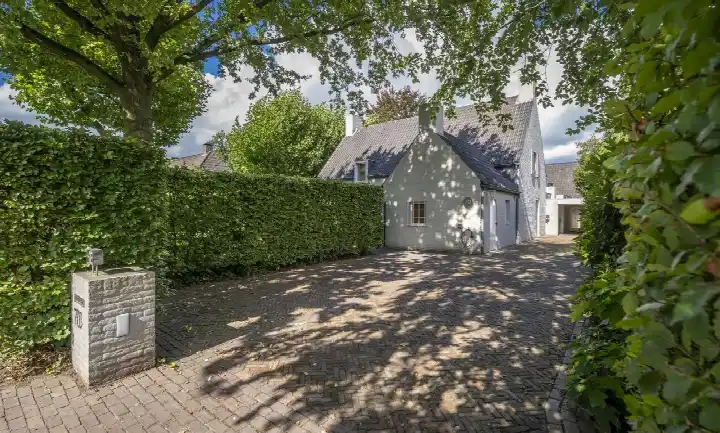
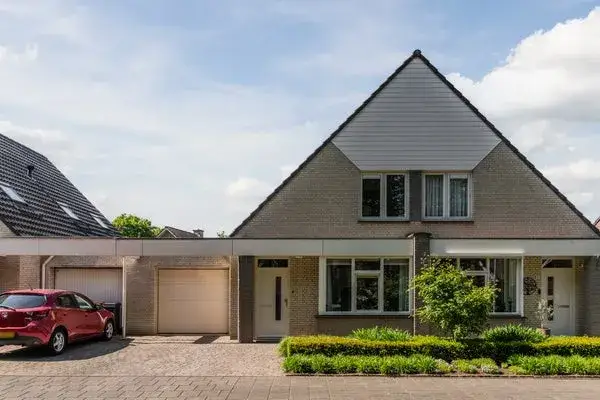
De Groote Akkers is located in the province of Noord-Brabant, in the municipality of Goirle, in the district De Groote Akkers. The neighbourhood has a total area of 36 hectares, of which 36 hectares are land and 0 hectares are water. The neighbourhood is coded as BU07850303. The postcode area is 5051GJ-5051WV.
De Groote Akkers has 1.880 residents. Of these, 48,1% are men and 52,1% are women. Most residents are 45 to 65 years (28,2%). The other age groups are 26,3% for '65 years or older', 18,6% for '25 to 45 years', 16,2% for '0 to 15 years' and 10,6% for '15 to 25 years'. Of the residents, 41,2% is unmarried, 45,2% is married, 9,0% is divorced and 4,8% is widowed. 1.680 residents originate from the Netherlands, 90 come from Europe and 110 come from countries outside Europe.
There are 815 households in De Groote Akkers. 27,0% of these are single-person households, 35,0% households without children and 38,0% households with children. The average household size is 2,3 persons. The national average is 2,1 persons.
In De Groote Akkers there are 1.600 income recipients. The average income per income recipient is €39.200, which is €3.000 (7%) lower than the national average of €42.200. Per resident, the average income is €32.400, which is €2.500 (7%) lower than the national average of €34.900. Most residents of De Groote Akkers are educated to an intermediate level. 45,8% have an intermediate education (HAVO, VWO or MBO 2-4), 30,3% have a university or higher professional education (HBO/WO) and 23,9% have a lower education (VMBO or MBO 1).
Of the 1.880 residents, around 69% are in paid employment, which amounts to 1.297 people. This is 3% lower than the national average of 72%. The majority of workers are in salaried employment (86%), while 14% are self-employed. In De Groote Akkers, 29% of residents receive a benefit. The largest group is those receiving a state pension (AOW). 440 people receive this benefit.
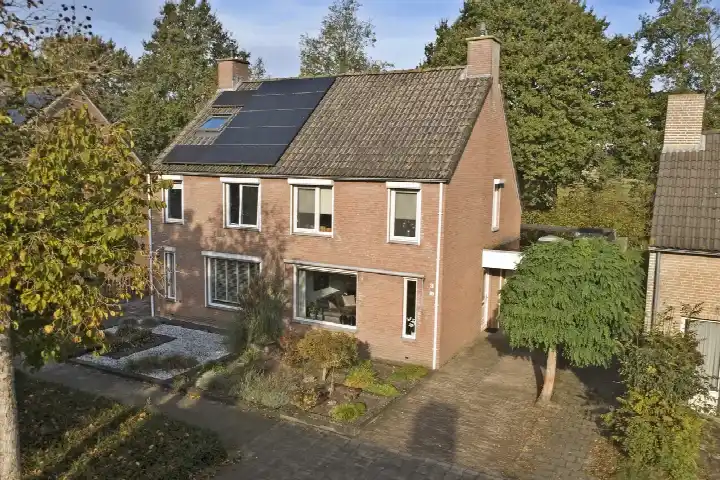
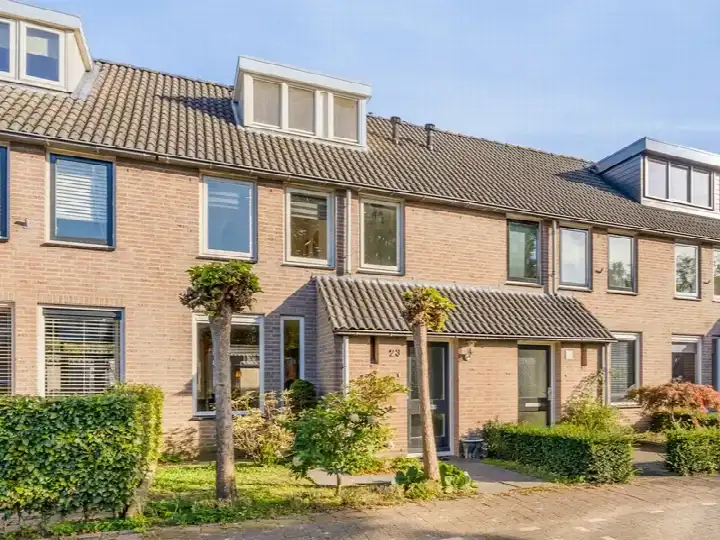
In De Groote Akkers there are 811 homes with an average assessed value (WOZ) of €421.000. Of these, around 99% are occupied and 1% unoccupied. Most homes are owner-occupied. This amounts to 28% rental homes and 72% owner-occupied homes. Of the homes, 72% privately owned, 27% owned by housing associations and 1% owned by other landlords. The most common construction periods in De Groote Akkers are 1980-1990 (62%) and 1990-2000 (36%).
There are currently 6 homes for sale in De Groote Akkers. The most recently listed home is Hendrik Tollensdreef 74 by CLAVEM MAKELAARS op Funda. Over the past year, 16 homes were sold in De Groote Akkers. On average, a home was sold within 27 days.
The average asking price for a home for sale in De Groote Akkers over the past year was €556.188. This is 32% higher than the average assessed value (WOZ) of €421.000. The average asking price per m² of floor area is €4.184.
There are 2 homes for rent in De Groote Akkers. The most recent home is Louis Couperusdreef 26, offered by www.woninginzicht.nl. No homes were let in De Groote Akkers over the past year.
No recent rental data available for De Groote Akkers.
In De Groote Akkers there are 499 addresses with a registered energy label. The most common labels are B (42%), A (28%) and C (28%). On average, an address in De Groote Akkers uses 2.740 kWh of electricity per year. This is 7% above the national average of 2.550 kWh. Natural gas consumption, at 840 m³ per year, is 5% above the national average of 800 m³.
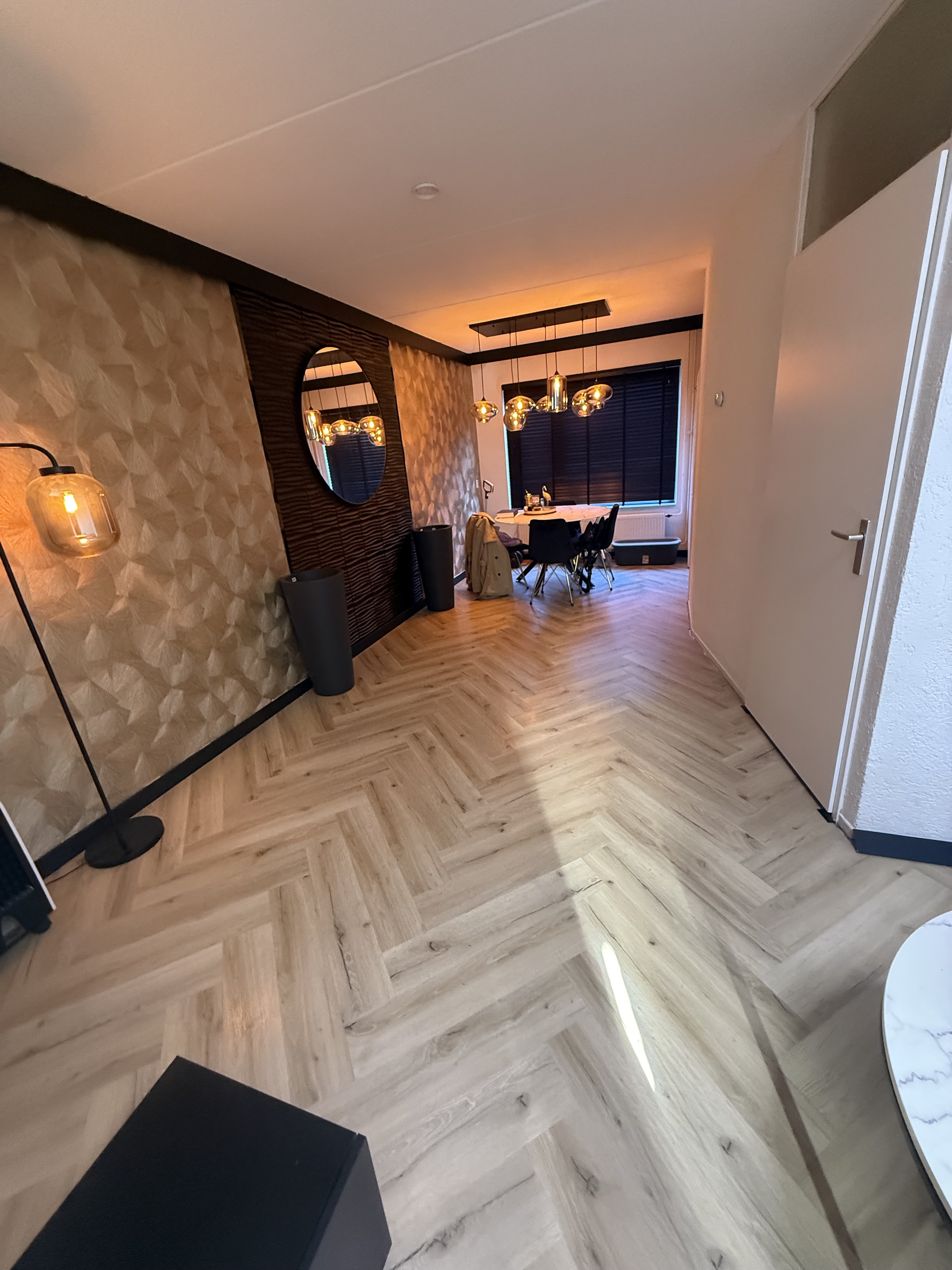
The housing stock is mainly post-war — 54% was built between 1945 and 1990. In addition, the most common type is terraced houses (56%).
Over the past year a home for sale in De Groote Akkers was listed for an average of €556,502 (€4,078 per m²).
A rental home in De Groote Akkers cost an average of €1,700 per month (€13 per m²).
Buurt De Groote Akkers has 1,880 residents. Many families: 38% of the households have children.
The housing supply in De Groote Akkers is remarkably efficient: 61% has an A, A+ or B label. The average natural gas consumption per household is 840 m³ per year.
From De Groote Akkers you can on average reach a supermarket at 1.3 km, a GP at 1.3 km, a railway station at 5.1 km, a primary school at 0.5 km (as the crow flies, source: CBS).