Emmastraat en omgeving, Dordrecht
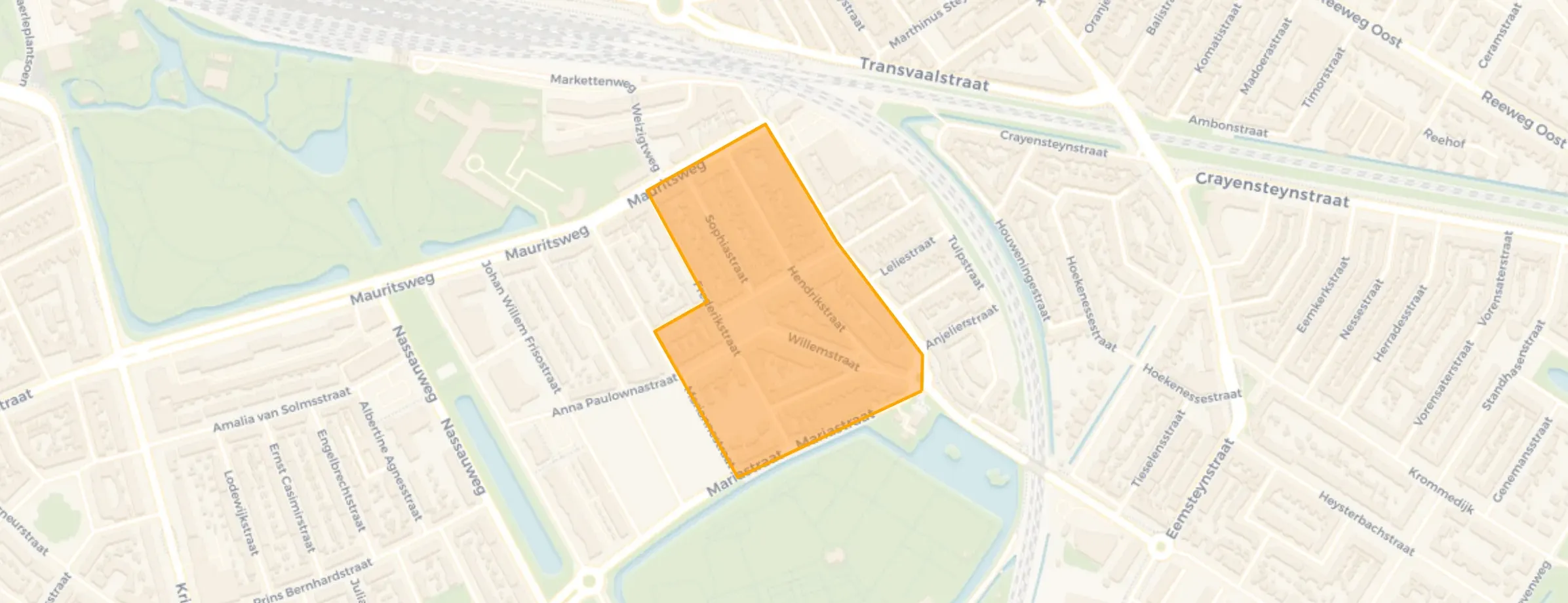 Neighbourhood
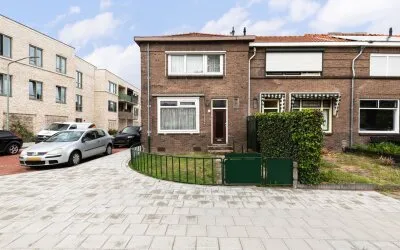
This 1931 semi-detached house on Mariannestraat has a classic feel, with 71 m² of living space and a 155 m² plot. It's the most expensive of the four homes currently for sale in the neighbourhood, at €375,000. That's a premium over the local average, but the plot size and location in Dordrecht help explain the price. For context, semi-detached houses in Dordrecht vary widely, and this one sits at the top end of the local market.
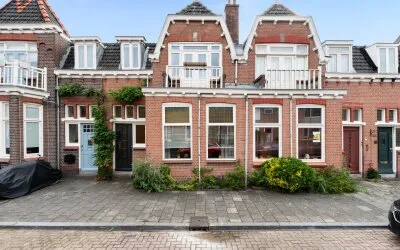
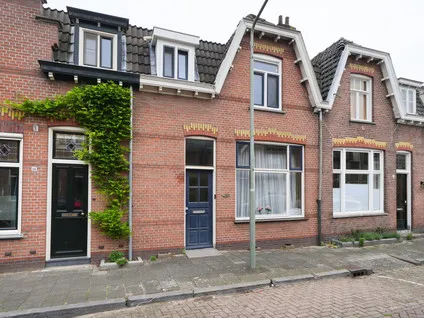
The neighbourhood is densely built and very urban, with a mix of families and singles. Most homes are owner-occupied, and three-quarters are single-family houses. The area feels lively, with a high address density. There are no resident reviews available, but the figures show a balanced age spread and a strong sense of community. The Emmastraat en omgeving neighbourhood is well-established, with almost all homes built before 1945.
Daily errands are easy: an Aldi is just around the corner, and a PLUS is a five-minute walk. For schools, MKC Mozaïek primary school is on your doorstep, and IKC Prinses Julianaschool is a couple of streets away. Secondary school Marnix is a ten-minute walk. The city centre of Dordrecht is within reach, and the municipality of Dordrecht offers plenty of amenities.
At present, the home is listed through several channels, including Stad en Land NVM Makelaars Dordrecht. The energy label G means heating costs will be significant, but the house offers a solid structure in a popular part of town.
Details of this home

Mariannestraat 34, Dordrecht
Data from Emmastraat en omgeving
Data from Emmastraat en omgeving
43 within 5 km



98 within 5 km
About Mariannestraat 34, Dordrecht
It's the highest-priced home among the four currently for sale in the neighbourhood, where the average asking price is €346,250. The median is €342,500, so this one is above the local norm. The plot of 155 m² and the semi-detached type are relatively rare here, which may justify the premium. Recently sold homes in the area went for an average of €339,250, so the asking price is on the high side.
The energy label is G, the lowest rating. This means the home is not energy-efficient and will have high heating costs. The neighbourhood has no homes with labels A or B; 75% are rated D or lower. You can expect to spend significantly on gas and electricity, especially in winter. Improving the insulation and heating system would be a major investment but could reduce long-term costs.
The train station is 2 km away, which is about a 25-minute walk or a short bike ride. The neighbourhood is well-served by local amenities, so you may not need the train daily.
The neighbourhood has a mix of households: about 120 with children and 120 without, plus 125 single-person households. The average household size is 2.1, and there are primary schools within walking distance. The area is very urban with a high address density, so it's lively but not quiet. Most homes are owner-occupied, giving a stable community feel.
Recently sold homes in the neighbourhood took an average of 30 days to sell. That's a fairly typical timeframe for a sought-after urban area. The current listing is the most expensive available, so it may take a bit longer to find a buyer compared to cheaper properties.
An Aldi is 309 metres away, just around the corner. A PLUS is 540 metres, a five-minute walk. There's also an AH to go at 632 metres and a Jumbo at 636 metres. For daily groceries, you have several options within a ten-minute walk.
The plot is 155 m², which typically includes outdoor space, but the listing does not explicitly mention a garden. The data does not specify the layout or condition of any outdoor area.
3 homes in the neighbourhood Emmastraat en omgeving

Buurtje.nl uses cookies to make the site work and to improve it. In doing so, we process data such as your IP address and the pages you visit.
We use this data for three purposes: running the website (functional), measuring visits so we can improve Buurtje.nl (analytics), and — if you allow it — tailoring ads to your interests (marketing).
How we handle your data is described in our privacy policy. You can change your preferences at any time via 'Cookie preferences' at the bottom of every page.
Choose per category which cookies we may place. Read more in our privacy policy.