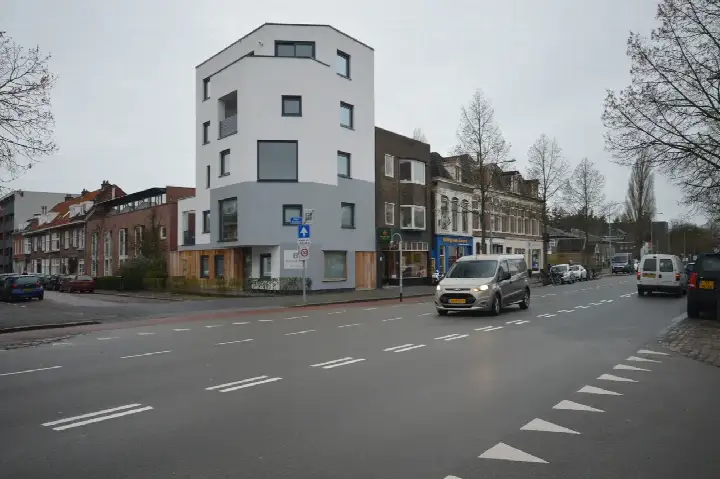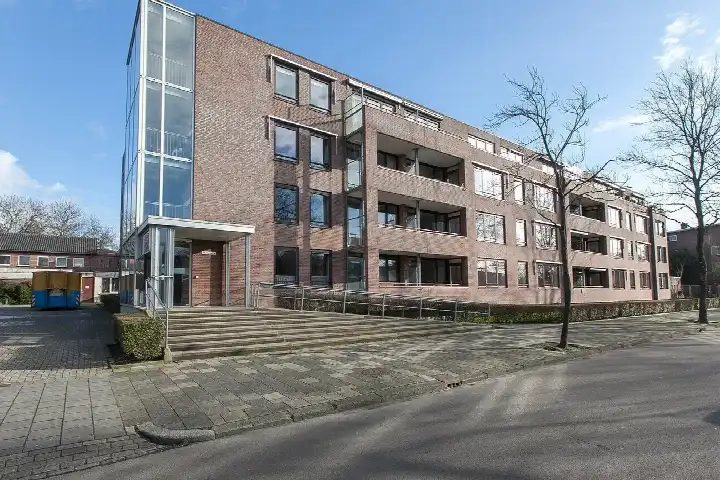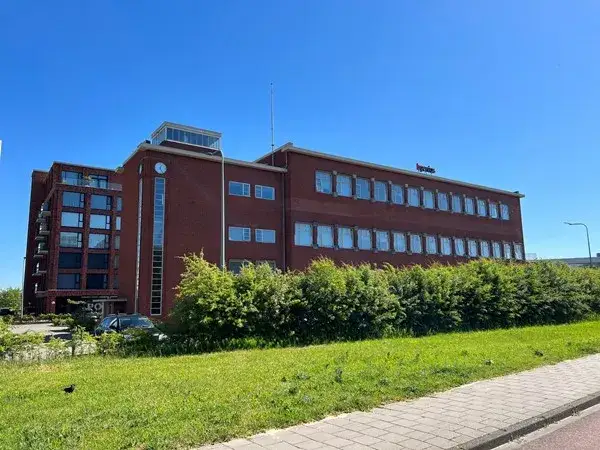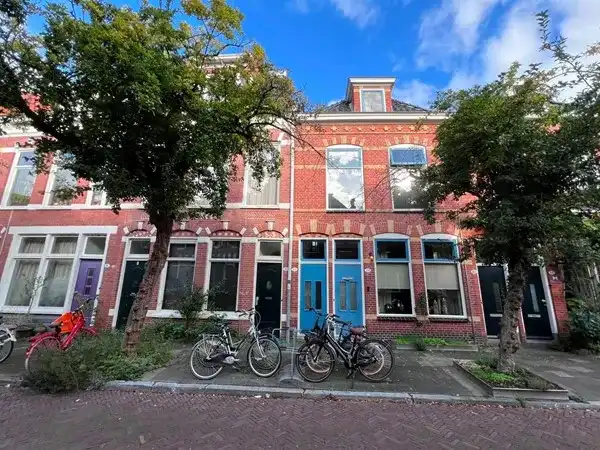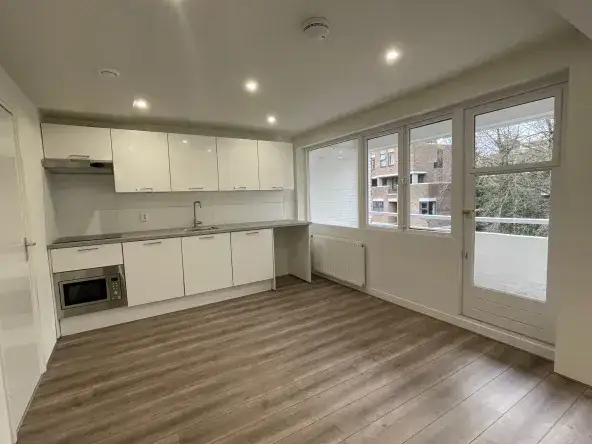





A classic Groningen apartment
This apartment on Helper Kerkstraat sits in Helpman, a part of Groningen known for its stately streets and leafy calm. Built in 1915, it carries the character of a bygone era, while the A++ energy label points to a modern, efficient home. At 50 m², it is a compact but well-proportioned space, and the rent of €1,152 per month sits in line with the local market, where the average asking rent is €1,077. For context, apartments in Groningen typically command a similar price per square metre.
Helpman, a neighbourhood of contrasts
Helpman is a mixed bag, according to the two residents who reviewed it. One calls it a "top neighbourhood" with "beautiful houses, good amenities, quiet, and so close to the city." The other is more reserved, noting that it is "mostly every man for himself, with occasional attempts to build a community," and that the city centre is a 15-minute bike ride away. The figures back up the diversity: 66% of households are single-person, and the average household size is 1.5, so this is an area of many individuals rather than large families. The Helpman neighbourhood has a mix of ages, with a notable share of residents in their 20s and 30s.
Daily life on Helper Kerkstraat
For daily errands, you are well placed. An Albert Heijn is on your doorstep, just 49 metres away, and a Poiesz is a couple of streets further. For schools, the Zernike College for secondary education is just around the corner, and the Joseph Haydn primary school is a five-minute walk. The train station is 2.2 km away, a manageable distance for commuters. The municipality of Groningen offers a full range of amenities, and the city centre is a short bike ride, as one resident noted.
Listing details
At the time of writing, this home is listed through several channels, including Gruno Verhuur and Gruno Vastgoed B.V.
This summary was generated with AI and may contain errors. Always verify the details with the provider.
Features
Details of this home
Transfer
Price

Areas and volume
Layout
Construction
The WOZ value is set annually by the municipality with 1 January as its reference date, and therefore lags the market by about a year. It is an estimated market value, not a sale price.
Frequently asked questions
About Helper Kerkstraat 3D, Groningen
Is the rent of €1,152 per month reasonable for this apartment?
The rent is slightly above the neighbourhood average of €1,077, but the median is €1,120, so it is within the typical range. At €23 per m², it is below the average of €26.39 per m² for rentals in Helpman. Given the A++ energy label and the central location, the price appears in line with what the market asks.
What is the energy label and what does it mean?
The energy label is A++, which is the most efficient category. This means the home is very energy-efficient, so you can expect relatively low energy costs. The label is an official registration, and it reflects the home's energy performance as assessed at the time of registration.
How far is the nearest supermarket?
An Albert Heijn is just 49 metres away, literally on your doorstep. A Poiesz is 665 metres away, and there are other options like Lidl and Aldi within about 860 metres. For daily groceries, you will not have to walk far.
What are the schools like nearby?
There are several schools within walking distance. The Zernike College for secondary education is 211 metres away, and the Joseph Haydn primary school is 320 metres. The Groningse Schoolvereniging, another primary school, is 517 metres away. For older students, the Montessori Vaklyceum is 704 metres away.
How is the neighbourhood for commuting?
The train station is 2.2 km away, which is a reasonable distance for a bike ride or a short bus trip. One resident noted that the city centre is a 15-minute bike ride, which is a common way to get around in Groningen. The area is well connected for daily travel.
What is the typical household in Helpman?
Helpman is predominantly single-person households, making up 66% of the total. The average household size is 1.5, and only 14% of households have children. This suggests a neighbourhood of students, young professionals, and older residents living alone, rather than a family-dominated area.