




A classic Delft apartment
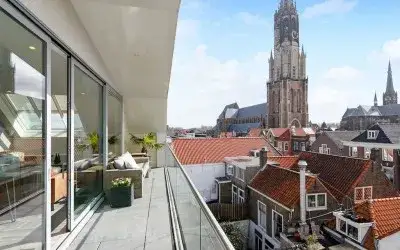
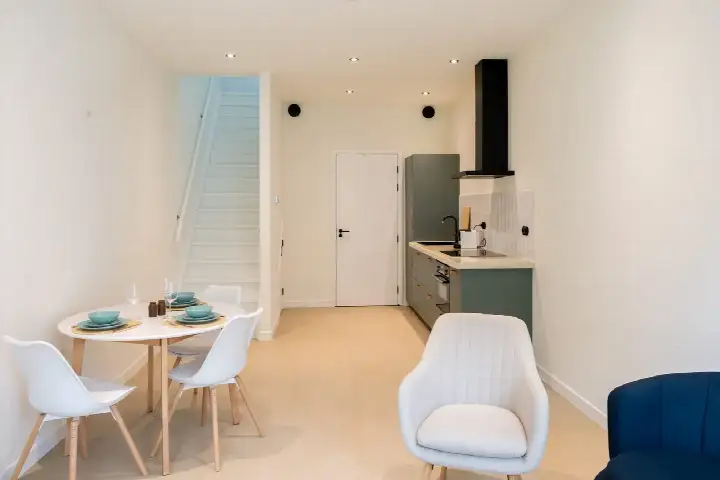
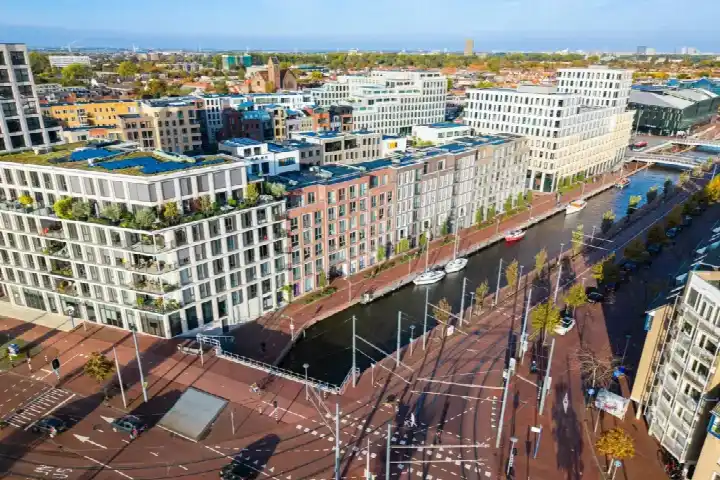
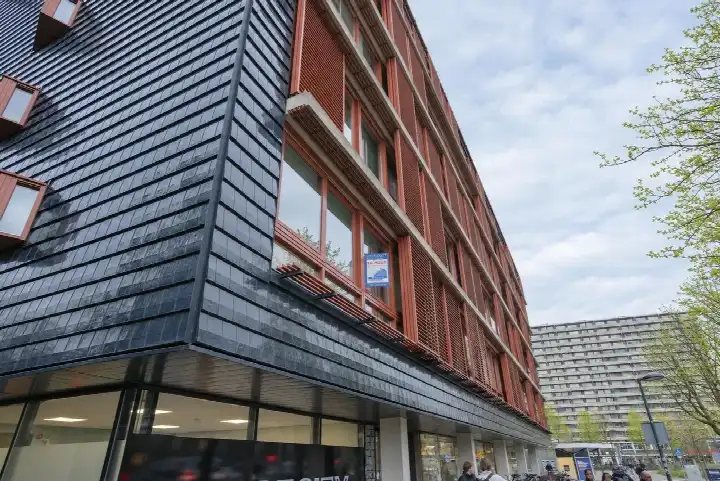
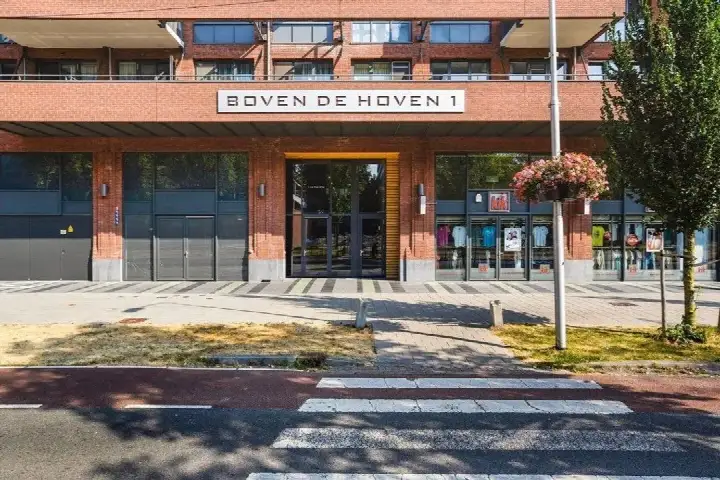
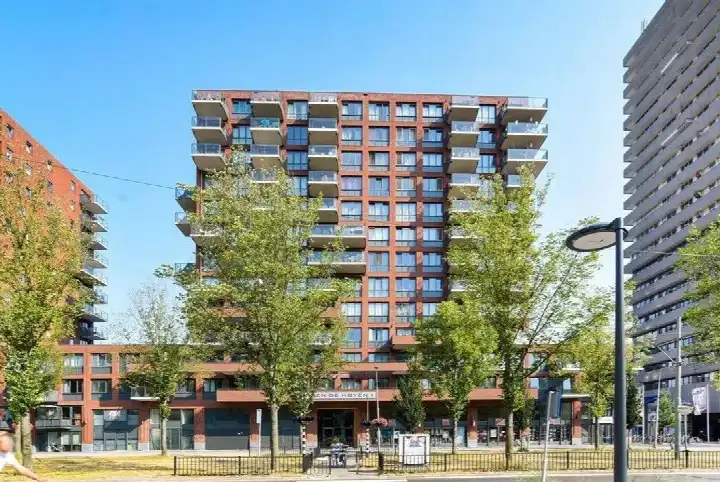
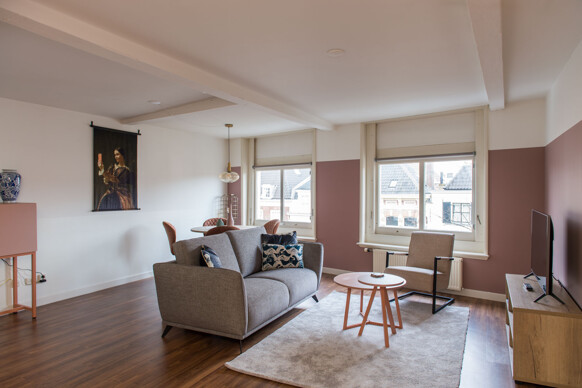
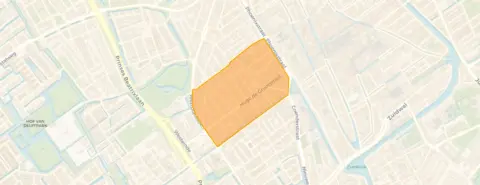
This apartment on Hugo de Grootstraat sits in the Olofsbuurt, a stone's throw from the historic heart of Delft. The building dates from 1901, giving it that characteristic turn-of-the-century charm. With 86 m² of living space, it is a comfortable size for a couple or a single person. The rent of €1,975 per month is in line with the average for apartments in Delft, though the floor area is considerably smaller than the neighbourhood average of 299 m².
The Olofsbuurt neighbourhood
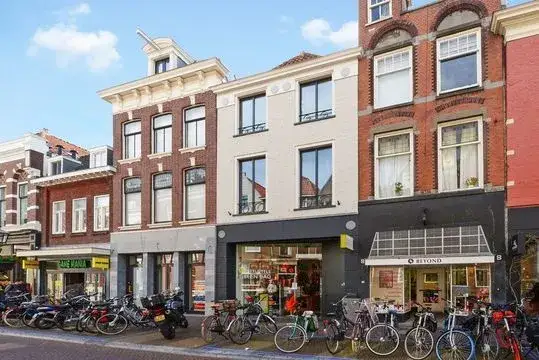
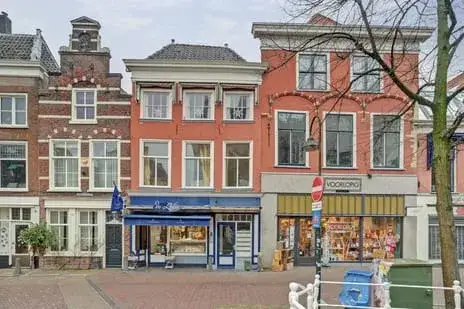
The Olofsbuurt neighbourhood is a lively, central part of Delft, with a mix of students, young professionals and longer-term residents. The area has a high proportion of single-person households, reflecting its popularity with students and starters. The streets are lined with classic Dutch architecture, and the atmosphere is friendly and bustling. It is a neighbourhood where you can walk to most places, and the train station is just over a kilometre away, making it easy to get around.
Life on the street
Daily life here is convenient. For groceries, the SPAR is just around the corner, and there are several Albert Heijn supermarkets within a five-minute walk. For a quick bite or coffee, the AH to go is also nearby. Families with children have a couple of primary schools within walking distance, including Freinetschool Delft and Max Havelaar Kindcentrum, both about a five-minute walk away. Secondary education is also close, with Stanislas vmbo mavo Delft just a short stroll from the front door. The municipality of Delft is known for its compact, walkable layout, and this street fits that pattern perfectly.
Source
At the time of writing, this home is listed through two channels, including Oude Delft Makelaardij.
This summary was generated with AI and may contain errors. Always verify the details with the provider.
Features
Details of this home
Transfer
Price

Areas and volume
Layout
Construction
The WOZ value is set annually by the municipality with 1 January as its reference date, and therefore lags the market by about a year. It is an estimated market value, not a sale price.
Frequently asked questions
About Hugo de Grootstraat 3, Delft
Is €1,975 a fair rent for this apartment?
The rent of €1,975 is exactly in line with the average for rental properties in the Olofsbuurt, which stands at €2,000. However, this apartment is 86 m², while the neighbourhood average for rentals is 299 m², so you are paying a similar price for considerably less space. Whether it is fair depends on how much you value the central location and the character of the building.
What is the energy label and what does it mean?
The energy label is E. This is an official registration, recorded in the national energy label register. Label E is on the lower end of the scale, so you can expect higher energy costs compared to a home with a more efficient label. The label does not say anything about the condition of the building itself, only about its energy performance.
How close is the nearest supermarket?
The SPAR is just 159 metres away, so you can pop out for groceries in under two minutes. There is also an Albert Heijn about 432 metres away, and an Ekoplaza for organic produce at 476 metres. With several options within a short walk, daily shopping is very convenient.
Are there good schools nearby?
Yes, there are several schools within walking distance. Freinetschool Delft is about 480 metres away, and Max Havelaar Kindcentrum is 495 metres. For secondary education, Stanislas vmbo mavo Delft is 561 metres away, and Stanislascollege Westplantsoen is 664 metres. All are within a ten-minute walk.
How far is the train station?
Delft train station is 1.2 kilometres from the apartment. That is roughly a fifteen-minute walk, or a short cycle. The station offers regular connections to major cities in the Randstad, making this a convenient base for commuters.
What is the neighbourhood like in terms of demographics?
The Olofsbuurt has 3,565 residents, with a high proportion of single-person households at 63%. The largest age group is 25 to 45, making up 35% of the population, followed by 15 to 25-year-olds at 25%. It is a young, dynamic area, with fewer families with children (15%) and a mix of ages overall.