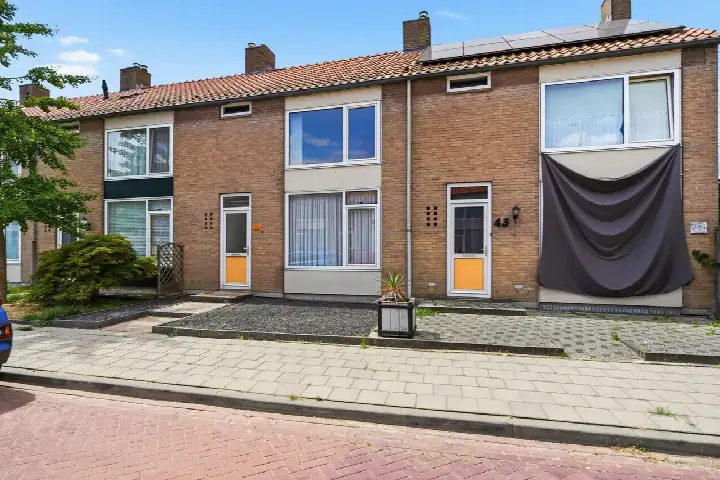
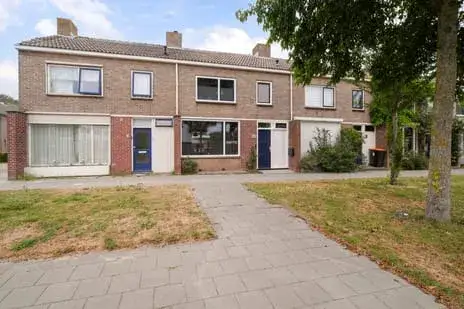
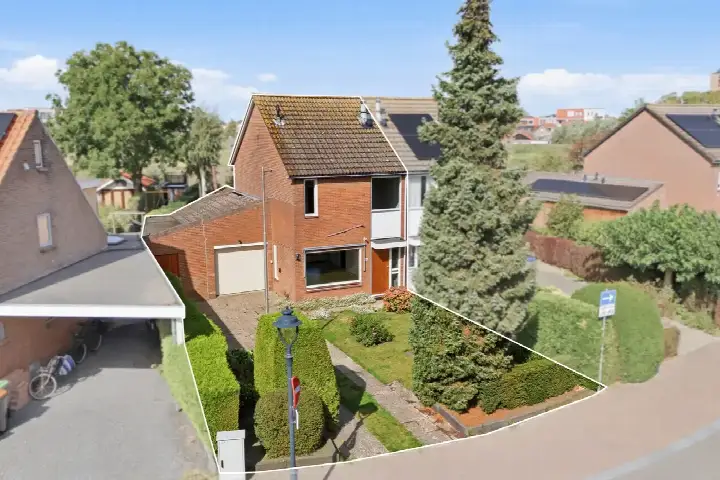
Vlissingsestraat 116
Zeewijksingel, Vlissingen
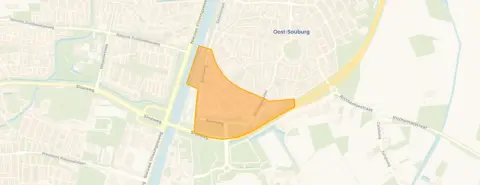 Area
AreaA 1957 end-of-terrace house in Oost-Souburg
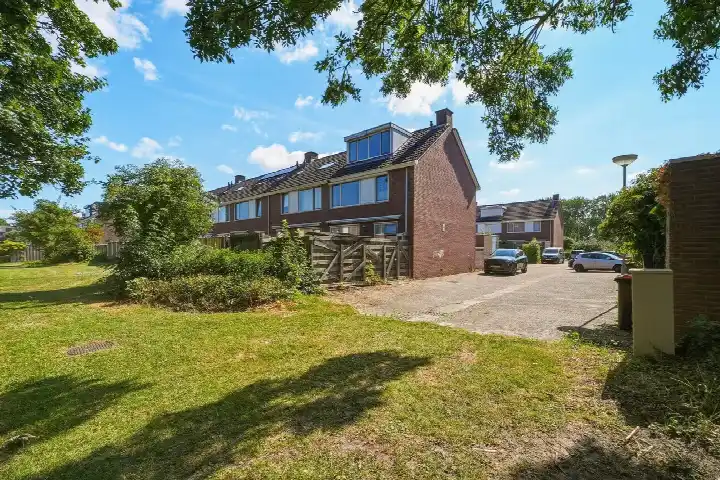
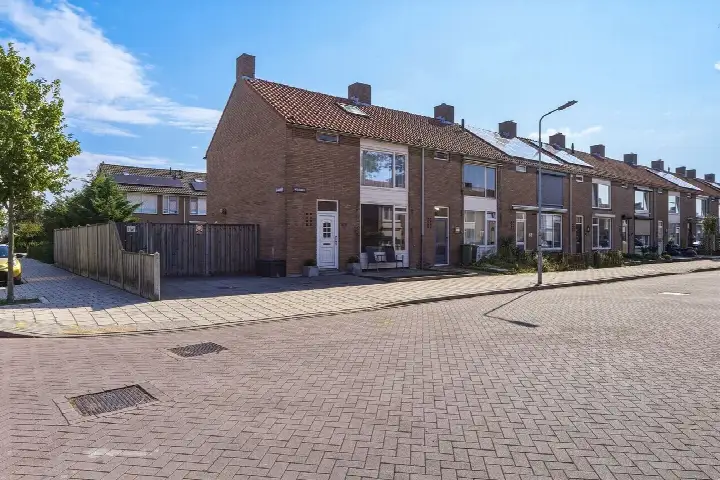
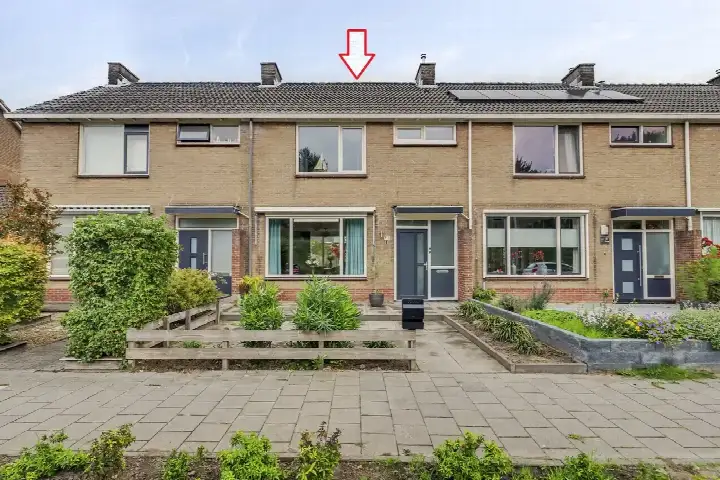
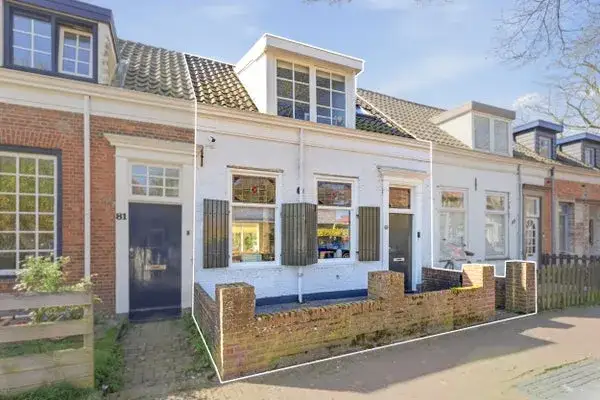
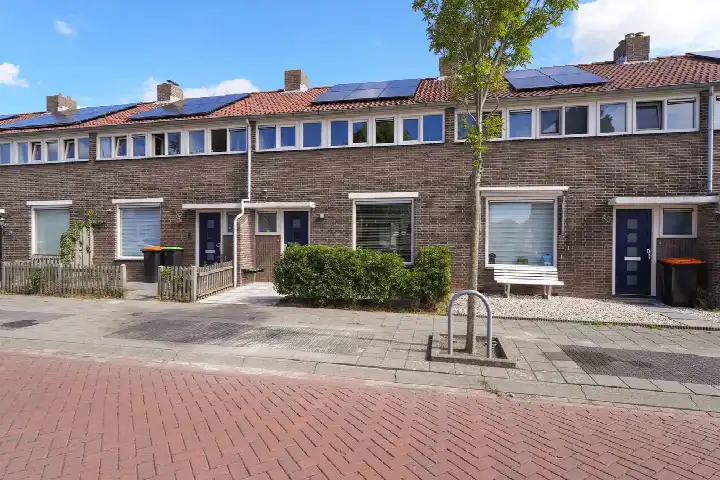
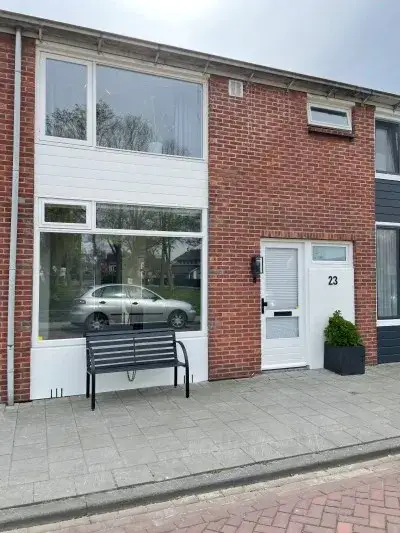
This end-of-terrace house on Vlissingsestraat sits in the Zeewijksingel neighbourhood of Oost-Souburg, a town within the municipality of Vlissingen. Built in 1957, the home has an energy label C. With a living area of 100 m² on a plot of 111 m², the asking price of €299,900 works out at €2,999 per m². That puts the price roughly 32% below the average asking price of €437,857 for end-of-terrace houses in Vlissingen, so it sits on the sharp side of the market.
The home itself
The listing gives the essentials: a 1957 end-of-terrace house with an energy label C. The living area is 100 m² according to the BAG registration, on a plot of 111 m². No further details about the layout, rooms or installations are stated in the listing.
Life in Zeewijksingel
Residents of the district give it an average score of 7.38, based on three reviews. One resident says: "It's a nice and quiet neighbourhood where you can just be yourself, everyone does their own thing and leaves each other alone." Another notes: "It's a cosy neighbourhood, everything is easily accessible and you have a lot from schools to shops." A third resident adds that it is "good during the day, not liveable at night", mentioning it is not safe to be outside alone after dark. The neighbourhood has around 1,255 inhabitants, and 85% of the homes are owner-occupied. For more context, see the Zeewijksingel neighbourhood.
Amenities and transport
The Aldi is just around the corner, with the Jumbo a couple of streets away. De Parelburcht primary school is a five-minute walk, and Huisartsenpraktijk Souburg is a ten-minute walk. Apotheek Souburg is just around the corner. Bus stop West-Souburg, Brug/Station with lines 58 and 633 is a ten-minute walk, and Vlissingen Souburg train station is a five-minute walk. The wider area, the municipality of Vlissingen, has plenty more within reach.
WOZ value and address data
The WOZ value is €219,000 with a reference date of 1 January 2025, and the asking price sits 37% above that value. The home has an energy label C. Road traffic noise is measured at 63 dB Lden, above the noise standard, while railway noise at 33 dB Lden stays below it. The foundation risk indication is elevated, based on area-level data: the home was built in 1957 on clay soil, and 1% of properties in this neighbourhood have an elevated pile-rot risk. Pluvial flooding risk is low, as is current flood risk, though heat stress is expected to rise to medium by 2050. These are area-level indications, not an inspection of this specific home.
Source
At the time of writing the home is offered via Schinkel de Weerd Makelaardij on Funda.
This summary was generated with AI and may contain errors. Always verify the details with the provider.
Features
Details of this home
Transfer
Price
Energy
 Save up to € 400 on your energy billCompare now
Areas and volume
 Insure your home and belongingsGet insured
Layout
Construction
Outdoor space
The WOZ value is set annually by the municipality with 1 January as its reference date, and therefore lags the market by about a year. It is an estimated market value, not a sale price.
Frequently asked questions
About Vlissingsestraat 116, Oost-Souburg
How does the asking price compare to the WOZ value?
The WOZ value is €219,000 with a reference date of 1 January 2025. The asking price of €299,900 sits 37% above that WOZ value. The WOZ is the municipal valuation, not the current market value, so the comparison is a factual data point rather than a judgement on the price.
What is the price per square metre for this home?
Based on the BAG registration, the living area is 100 m² and the plot is 111 m². The asking price of €299,900 works out at €2,999 per m². For context, the average asking price per m² in the neighbourhood is €3,619, so this home is priced below that average.
What do residents say about the Zeewijksingel district?
Residents of the district give it an average score of 7.38, based on three reviews. One resident describes it as a nice, quiet neighbourhood where people leave each other alone, though they mention dog poop and fireworks on the fields. Another calls it cosy and well-built, with schools and shops easily accessible. A third says it is good during the day but not safe to be outside alone after dark.
What is the foundation risk for this home?
The foundation risk indication is elevated, based on area-level data. The home was built in 1957 on clay soil, and 1% of properties in this neighbourhood have an elevated pile-rot risk according to the Klimaateffectatlas. This is an area-level indication, not an inspection of this specific home.
What are the noise levels around this address?
Road traffic noise is measured at 63 dB Lden, which is above the noise standard, based on 2022 data. Railway noise is measured at 33 dB Lden, which stays below the noise standard, based on 2023 data. These are area-level indications from public risk data.
Which supermarkets are closest to this home?
The Aldi is about 400 metres away, just around the corner. The Jumbo is roughly 630 metres away, a couple of streets further. An AH XL is about 1.2 km away, and there are more supermarkets within a 5 km radius.
How far is the nearest train station?
Vlissingen Souburg train station is about 690 metres away, roughly a five-minute walk. The nearest bus stop is West-Souburg, Brug/Station, about 810 metres away, served by lines 58 and 633.
What is the energy label and what does it mean?
The home has an energy label C. This means the home is neither the most nor the least efficient on the scale. With label C, you can expect moderate energy costs compared to the least efficient labels, though the exact costs depend on usage and energy prices.
What schools are near this home?
De Parelburcht primary school is about 370 metres away, a five-minute walk. Graaf Jan van Nassau School voor Basisonderwijs is roughly 1 km away. For secondary education, CSW Bestevaêr is about 1.5 km away and Scheldemond College about 1.5 km away.
What is the flood risk for this address?
The current flood risk is low, and it is expected to remain low by 2050. Pluvial flooding risk at heavy rain is also low. Heat stress is currently low but is expected to rise to medium by 2050. These are area-level indications from the Klimaateffectatlas.