District in Rotterdam
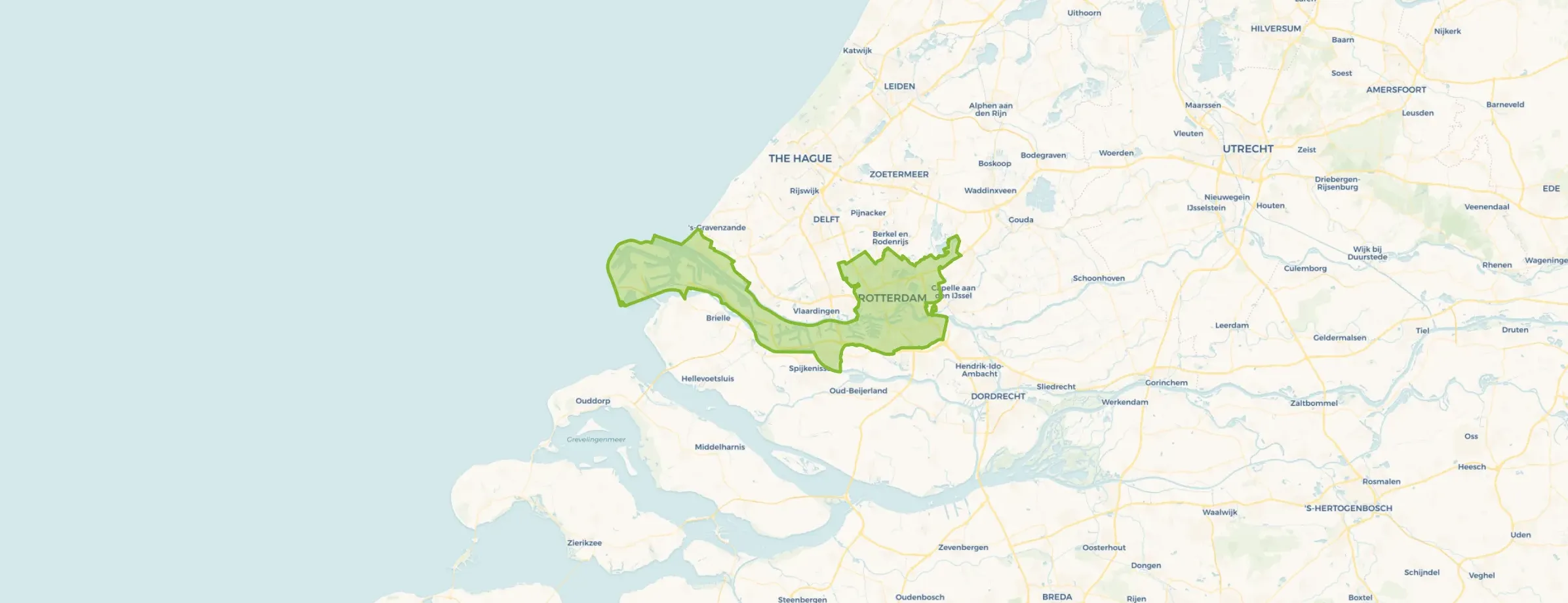
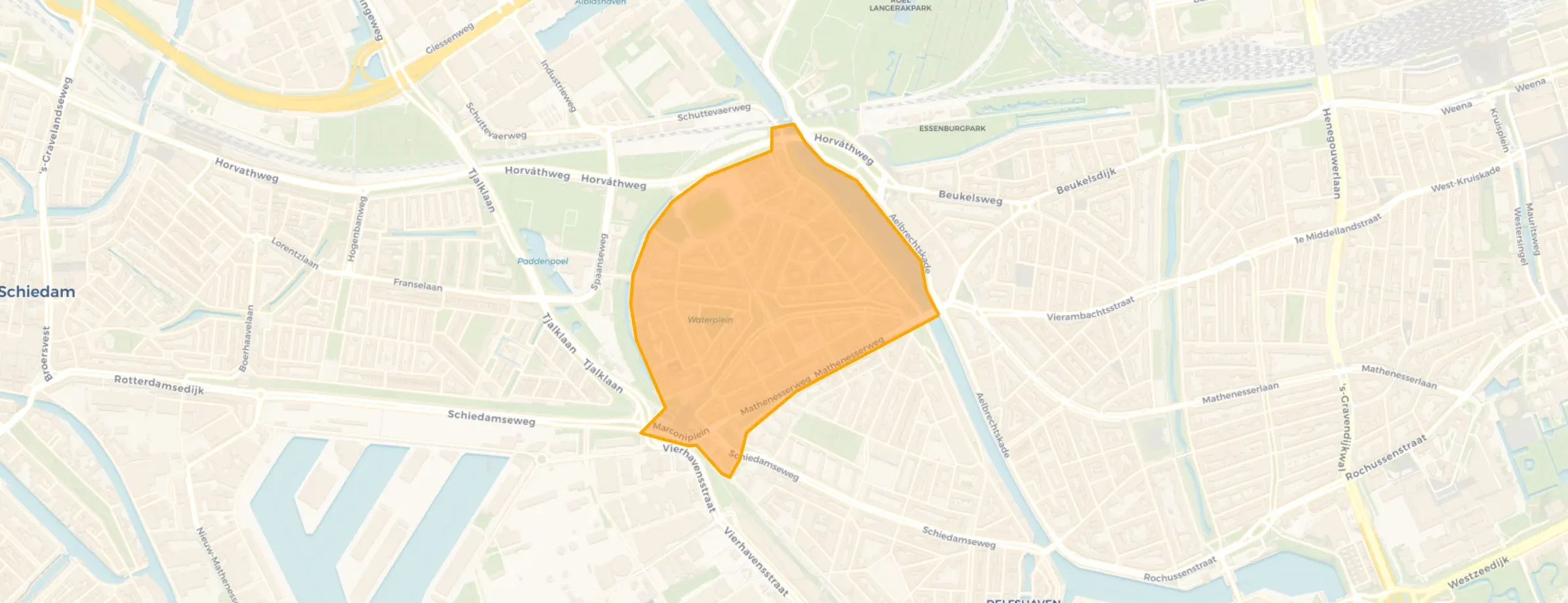
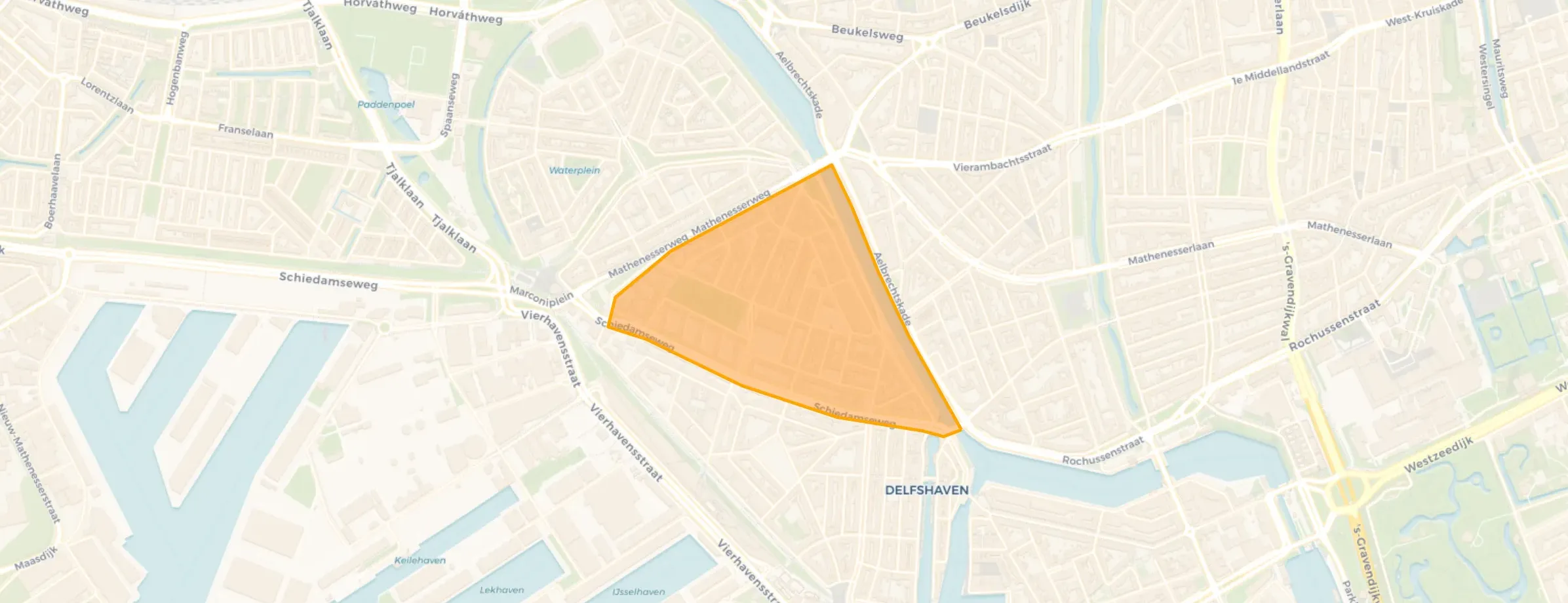
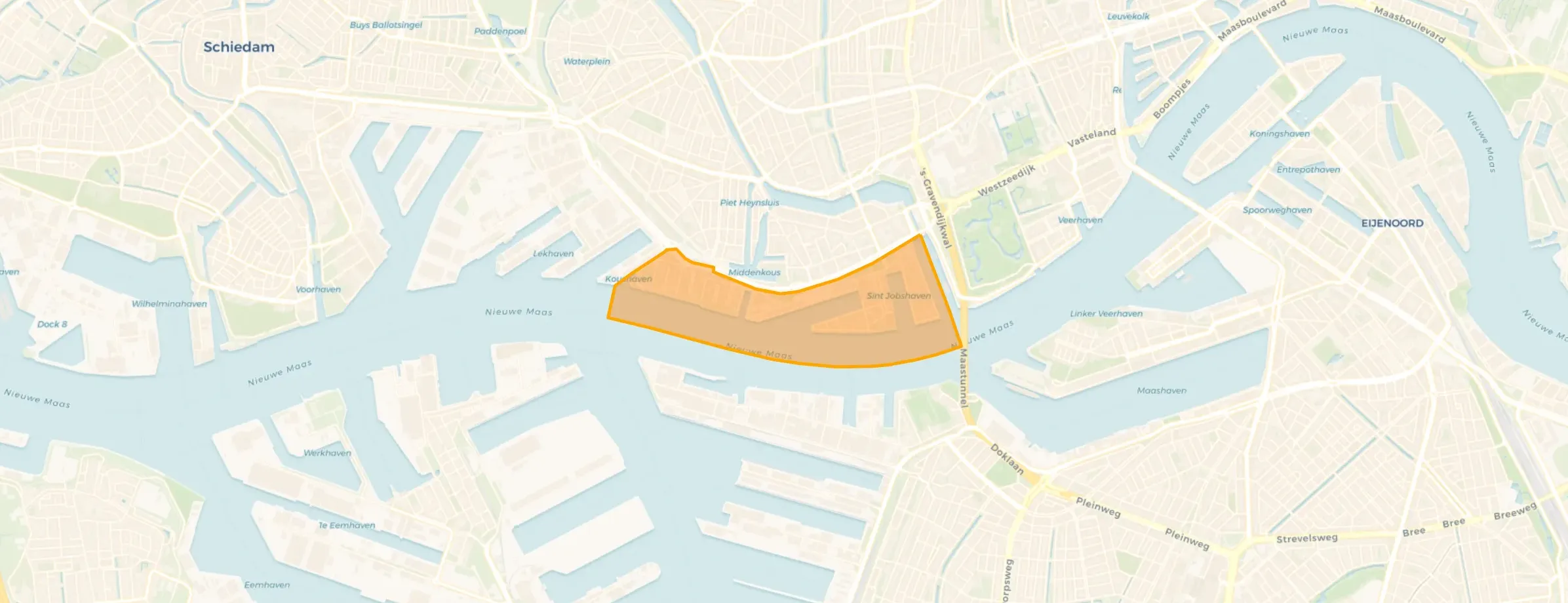
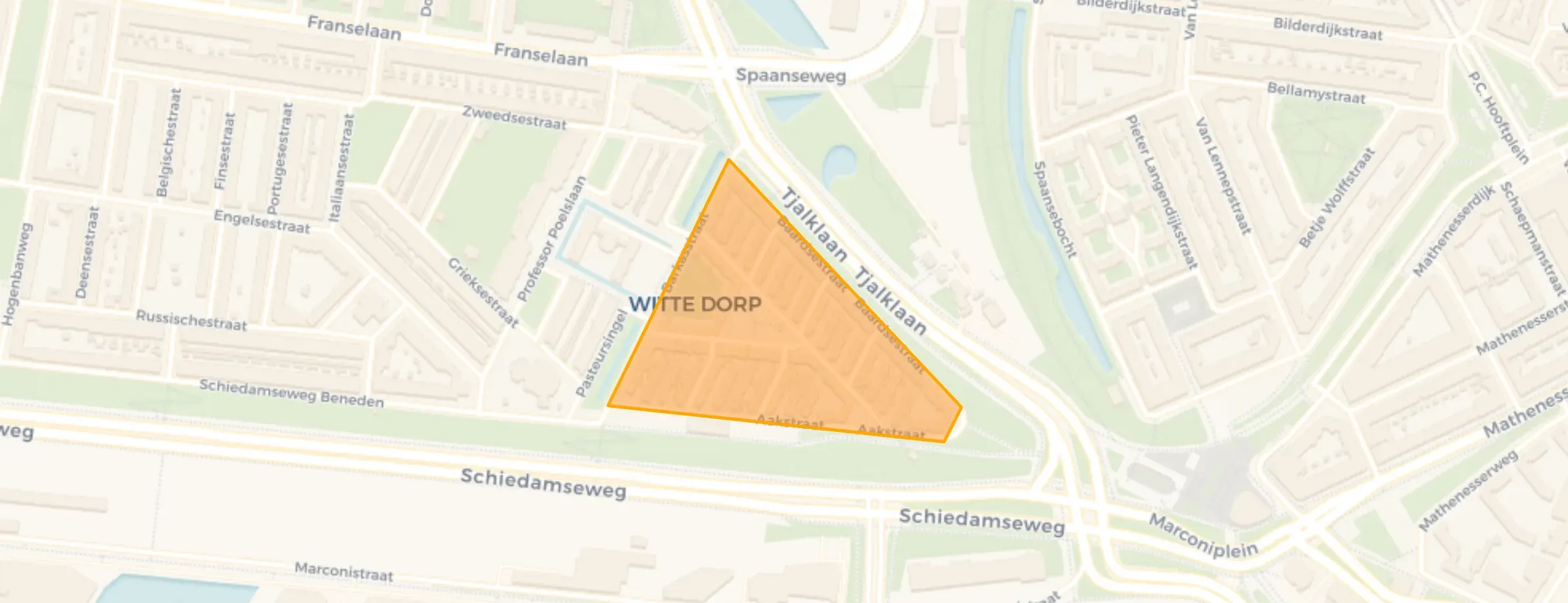
Delfshaven is located in the province of Zuid-Holland, in the municipality of Rotterdam The district has a total area of 596 hectares, of which 515 hectares are land and 81 hectares are water. The district is coded as WK059903. The postcode area is 3015GC-3029PB.
Delfshaven has 76.960 residents. Of these, 50,4% are men and 49,6% are women. Most residents are 25 to 45 years (35,8%). The other age groups are 23,4% for '45 to 65 years', 15,3% for '15 to 25 years', 14,0% for '0 to 15 years' and 11,5% for '65 years or older'. Of the residents, 65,2% is unmarried, 23,4% is married, 9,0% is divorced and 2,3% is widowed. 22.645 residents originate from the Netherlands, 10.965 come from Europe and 43.345 come from countries outside Europe.
There are 40.120 households in Delfshaven. 52,3% of these are single-person households, 20,6% households without children and 27,2% households with children. The average household size is 1,9 persons. The national average is 2,1 persons.
In Delfshaven there are 61.600 income recipients. The average income per income recipient is €36.800, which is €5.400 (13%) lower than the national average of €42.200. Per resident, the average income is €30.100, which is €4.800 (14%) lower than the national average of €34.900. Most residents of Delfshaven are highly educated. 36,1% have a university or higher professional education (HBO/WO), 32,5% have an intermediate education (HAVO, VWO or MBO 2-4) and 31,4% have a lower education (VMBO or MBO 1).
Of the 76.960 residents, around 66% are in paid employment, which amounts to 50.794 people. This is 6% lower than the national average of 72%. The majority of workers are in salaried employment (81%), while 19% are self-employed. In Delfshaven, 22% of residents receive a benefit. The largest group is those receiving a state pension (AOW). 7.650 people receive this benefit.
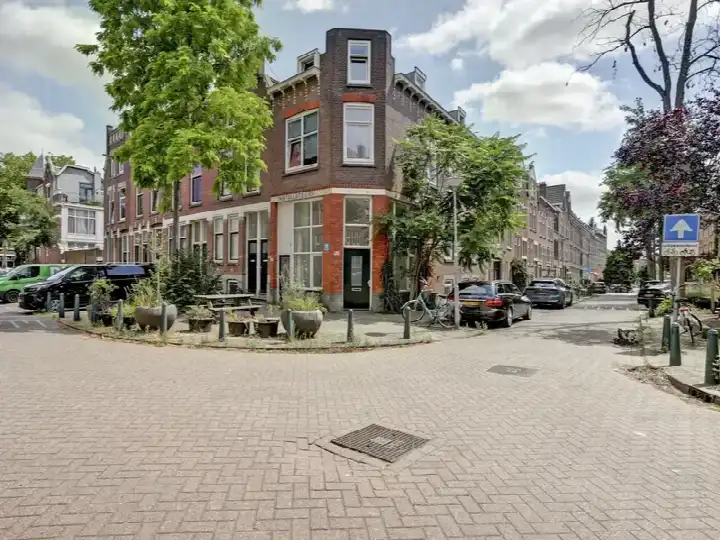
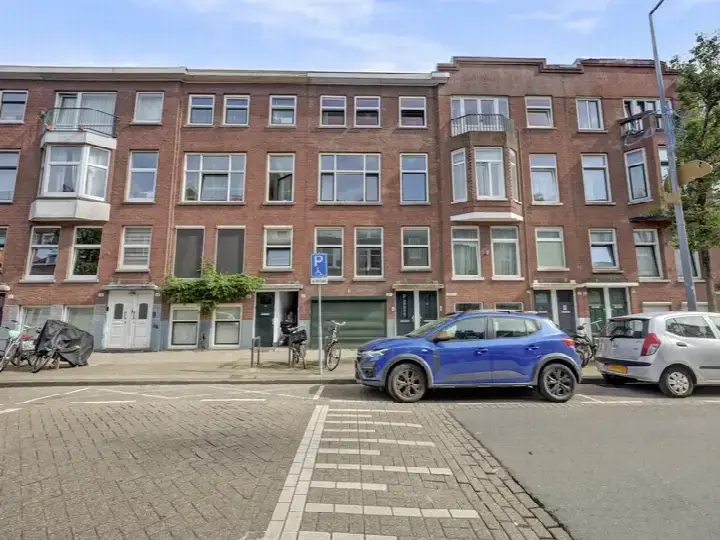
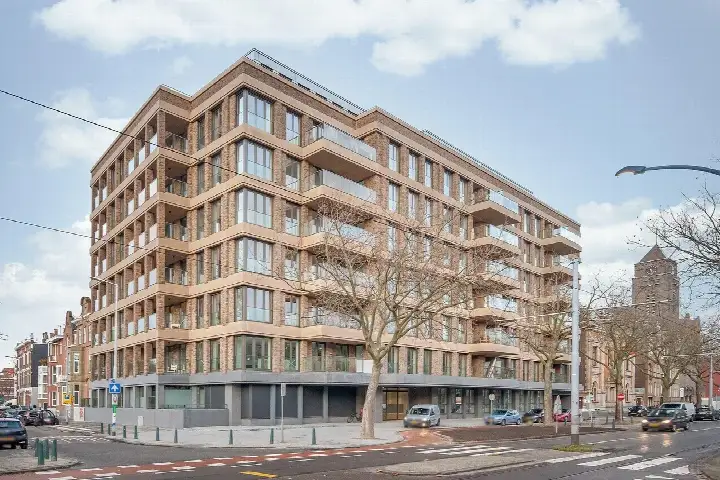
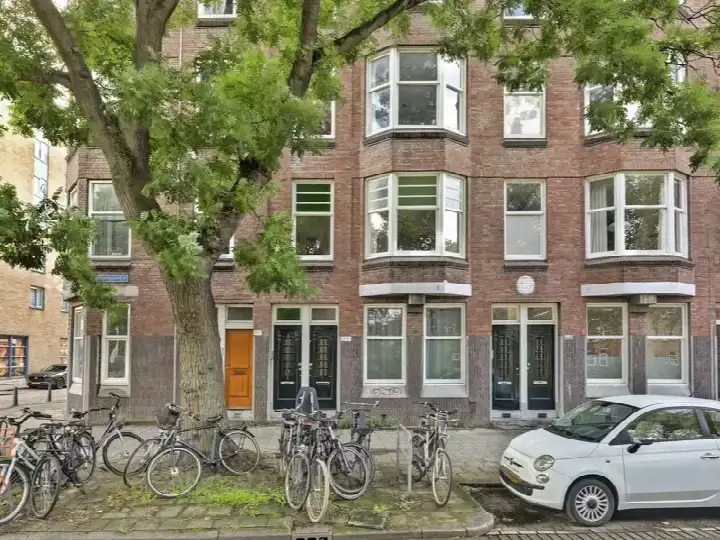
In Delfshaven there are 36.694 homes with an average assessed value (WOZ) of €325.000. Of these, around 94% are occupied and 6% unoccupied. Most homes are rental properties. This amounts to 72% rental homes and 28% owner-occupied homes. Of the homes, 28% privately owned, 47% owned by housing associations and 25% owned by other landlords. The most common construction periods in Delfshaven are 1900-1925 (39%) and 1925-1950 (19%).
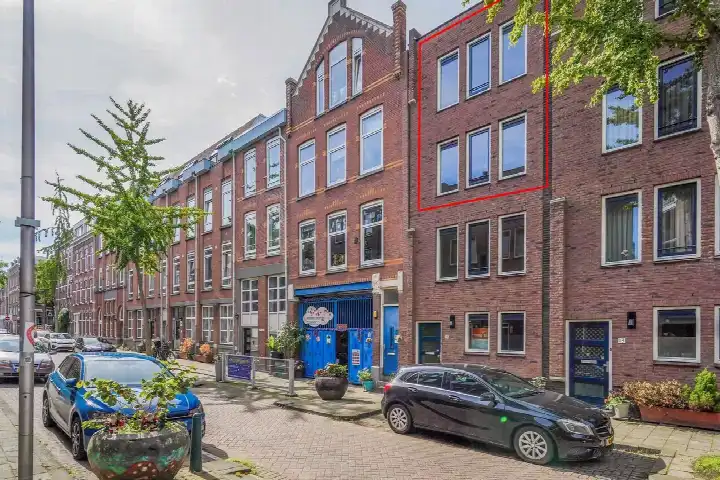
There are currently no homes for sale in Delfshaven. The most recently listed home is Aelbrechtskade 80M by M&D Real Estate op Funda. No homes were sold in Delfshaven over the past year.
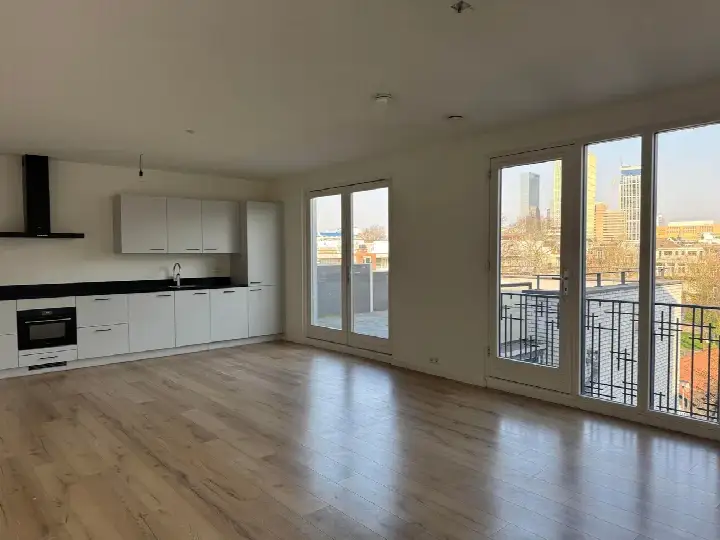
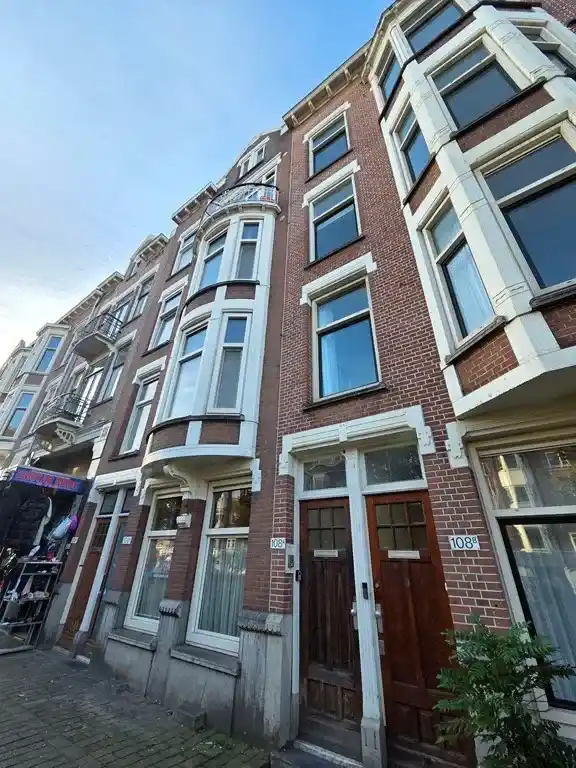
There are currently no homes for rent in Delfshaven. The most recent home is Schiedamseweg 108A03, offered by Rental Rotterdam op Funda. No homes were let in Delfshaven over the past year.
No recent rental data available for Delfshaven.
In Delfshaven there are 29.224 addresses with a registered energy label. The most common labels are A (30%), C (22%) and B (20%). On average, an address in Delfshaven uses 1.950 kWh of electricity per year. This is 24% below the national average of 2.550 kWh. With an annual consumption of 670 m³ per address, natural gas consumption is 16% below the national average of 800 m³.
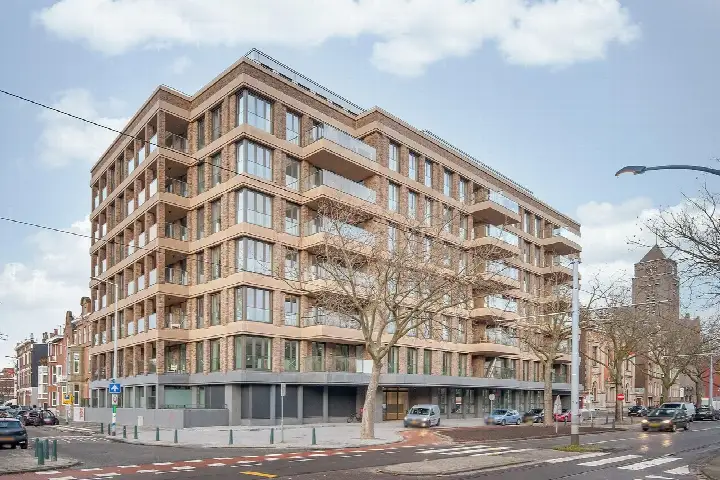
It's all fine but nothing special. There is some nuisance from youths, and often litter on the street.
Auto-translated to English by AII live in a noisy house myself and have a lot of noise from the neighbours. Which is why I'm looking for another house. But apart from that, it's a nice neighbourhood here. With many nationalities living together in one neighbourhood. There are many activities for all ages. And there are many educational locations in my neighbourhood. But in my flat, there are also people who unfortunately just throw rubbish down from their window. As a result, there are food scraps behind the houses near the storage units and on the roof of the storage units.
Auto-translated to English by AIMy neighbourhood is a nice, cosy and multicultural neighbourhood where many different people live together. There are many children, which creates a lively and cheerful atmosphere; it's always nice to see them playing outside. There is a cosy little square in the neighbourhood where many people gather with their children, especially in summer, which creates a real sense of community. Everyone knows each other a bit, and that makes living here pleasant. In the evening it can sometimes be a bit busier and livelier because of young people gathering outside, but overall the atmosphere is good and the neighbourhood feels safe and cosy. All in all, it's a nice neighbourhood with lots of life, diversity and togetherness.
Auto-translated to English by AILots of shards of glass lying on the street near a senior flat where many residents depend on a mobility scooter or wheelchair and are housebound if they get a flat tyre from riding over glass. Cars parked double, especially on Franselaan, or even crazier, parked diagonally on the pavement and cycle path to unload at a Polish supermarket. Speaking to the driver doesn't help because they only speak Polish, as it's a van or truck with Polish plates that keep doing this. Loose paving stones, especially on Franselaan; if you ride over them with a mobility scooter, you're terrified. Life-threatening situation in some places on that street, also for elderly people with limited mobility, because the tiles are simply not laid properly. The flat in the senior complex is excellent, certainly for someone with limited mobility who depends on aids.
Auto-translated to English by AII find my neighbourhood safe during the day, less so in the evening. Many asylum seekers walk around, who spoil things.
Auto-translated to English by AIVery safe and comfortable
Auto-translated to English by AIHave lived here for 34 years, happy to live here
Auto-translated to English by AIGreat spot in Rotterdam.
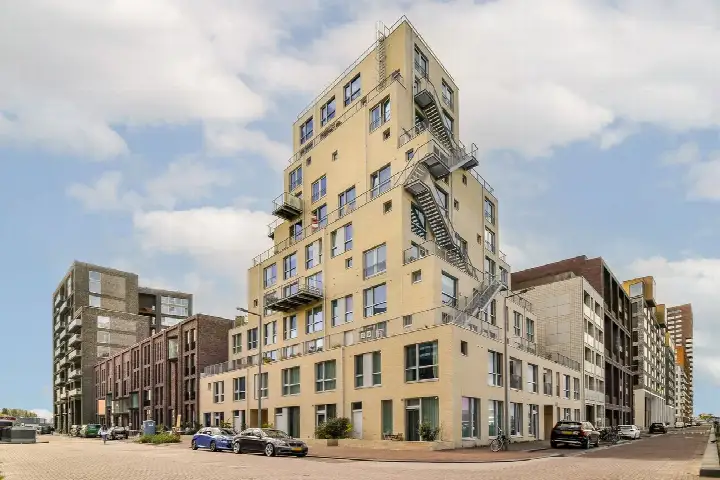
Auto-translated to English by AIThe housing stock is predominantly pre-war — 67% of the homes date from before 1945. In addition, the most common type is flats (95%).
Over the past year a home for sale in Delfshaven was listed for an average of €434,527 (€4,733 per m²). That is 18% below the Dutch national average.
A rental home in Delfshaven cost an average of €2,060 per month (€21 per m²).
Residents give Delfshaven a 6.9 out of 10 based on 26 reviews. Especially accessibility (8.1) scores well; cleanliness (5.9) receives the lowest rating.
Wijk Delfshaven has 76,960 residents. The largest age group is 25 to 45 years (36%). Notably, 52% of the households are single-person households.
The housing supply in Delfshaven is remarkably efficient: 53% has an A, A+ or B label. The average natural gas consumption per household is 670 m³ per year.
From Delfshaven you can on average reach a supermarket at 0.5 km, a GP at 0.5 km, a railway station at 2.3 km, a primary school at 0.5 km (as the crow flies, source: CBS).
Right now you will find 485 homes for sale and 151 homes for rent in Delfshaven.