District in Amsterdam
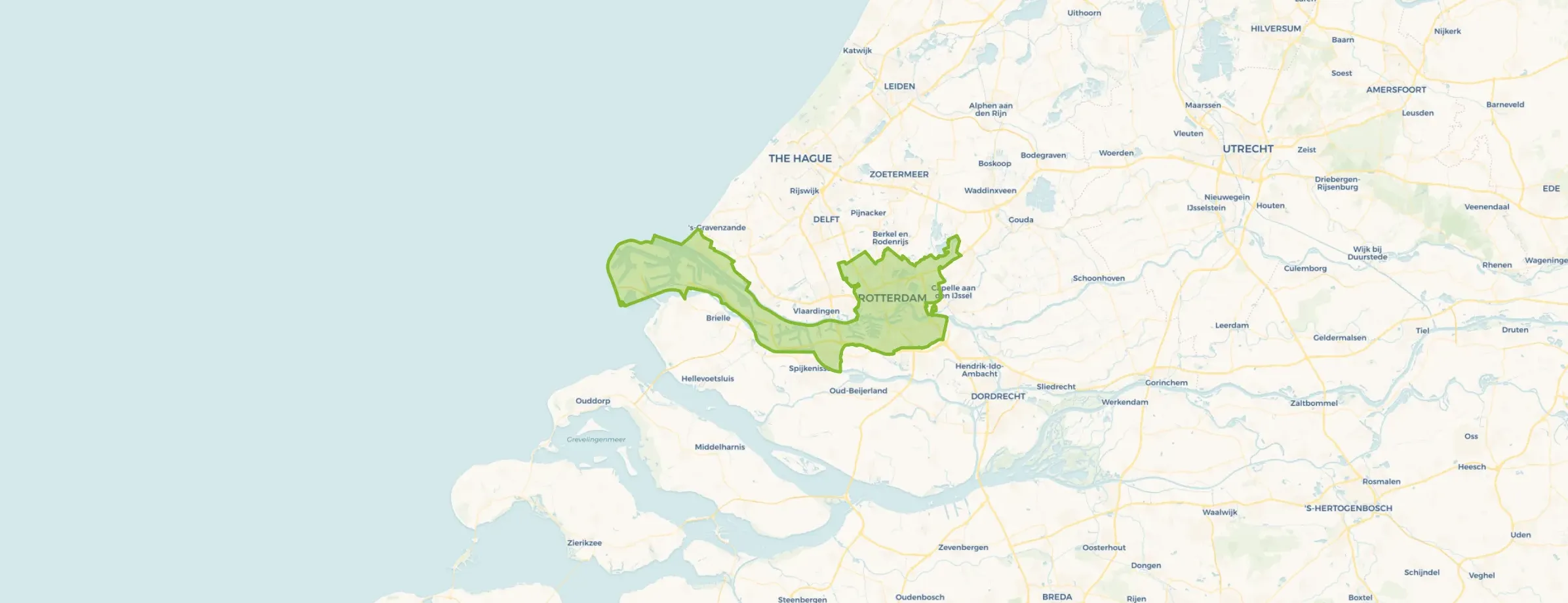
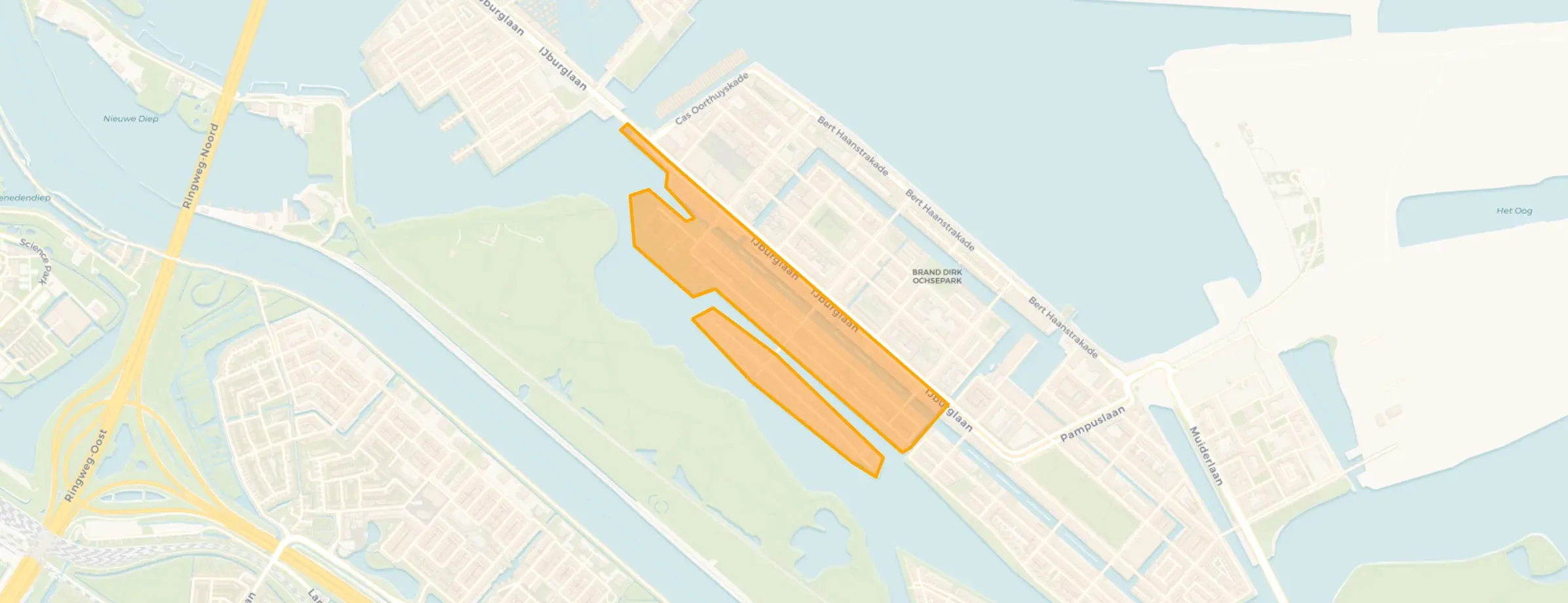
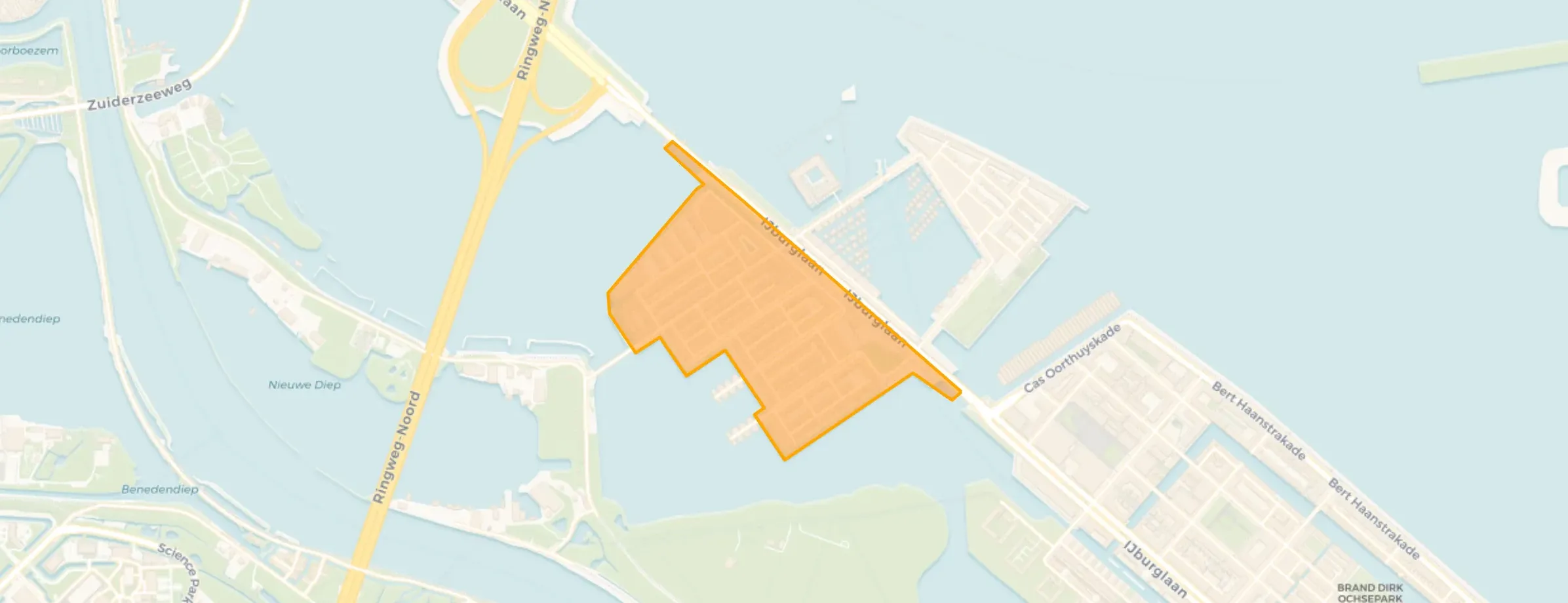
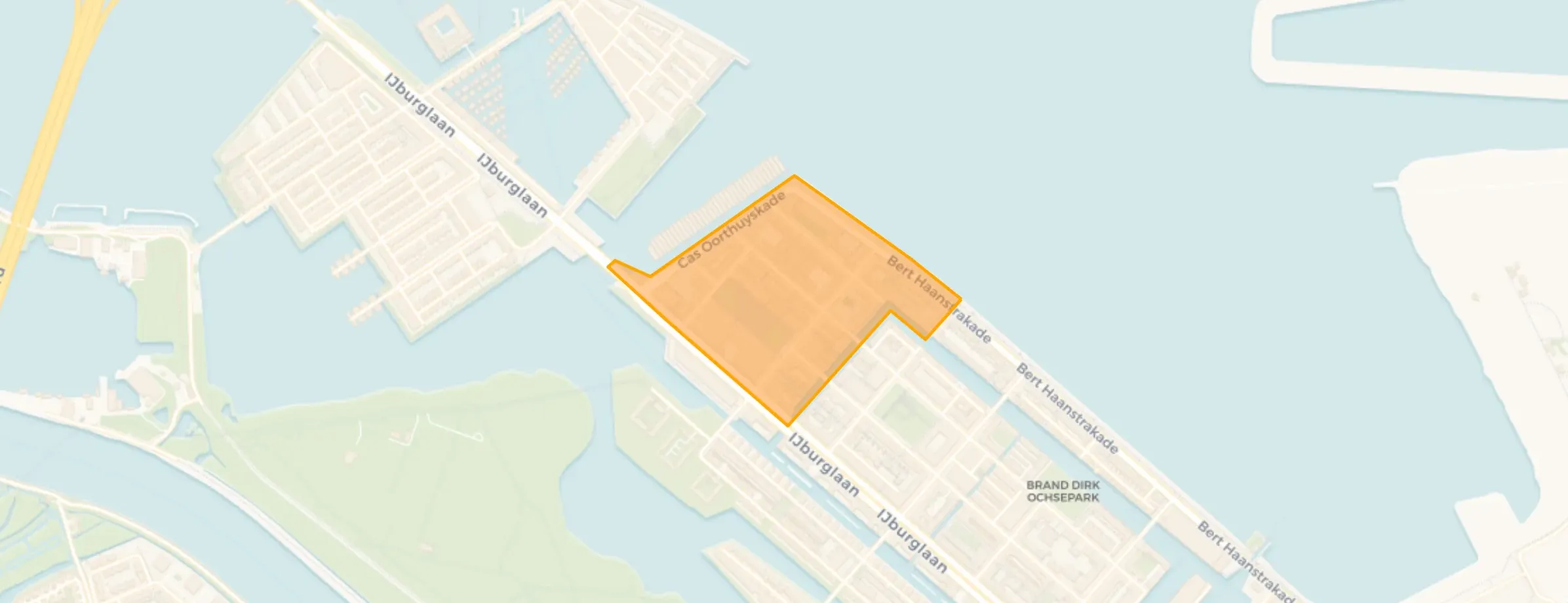
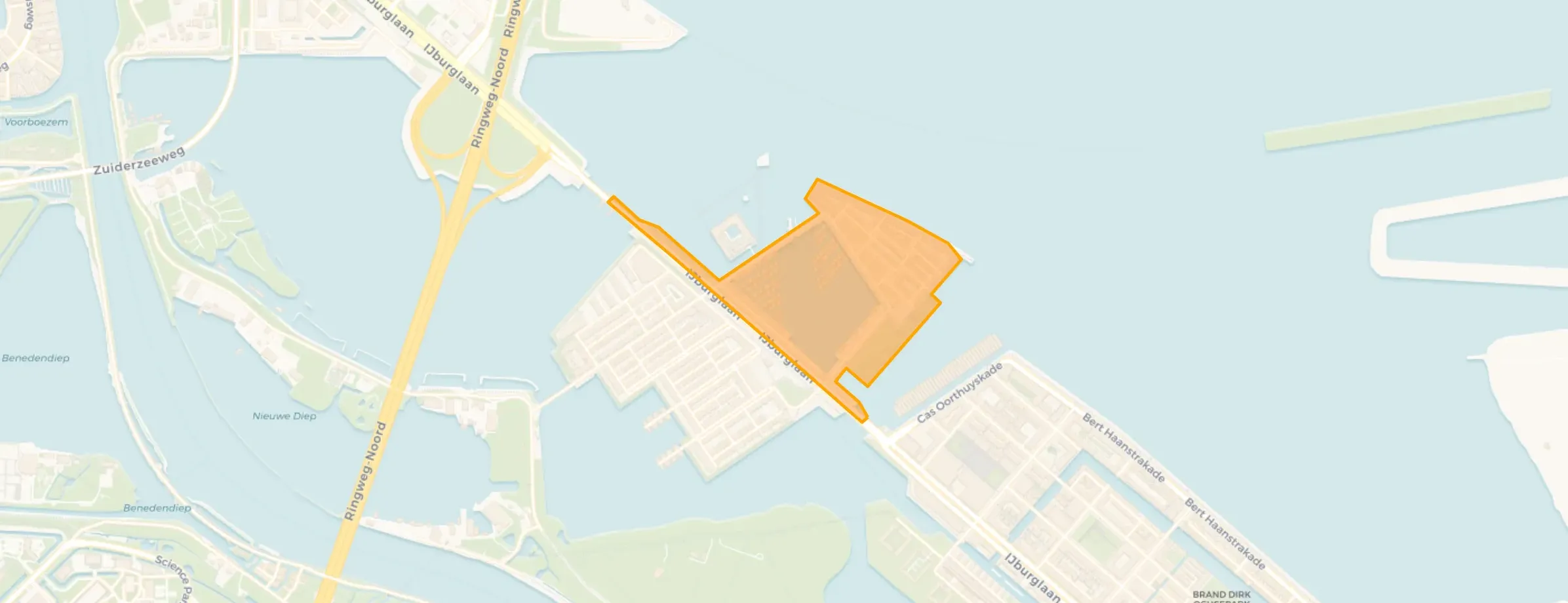
IJburg-West is located in the province of Noord-Holland, in the municipality of Amsterdam The district has a total area of 126 hectares, of which 113 hectares are land and 14 hectares are water. The district is coded as WK0363MJ. The postcode area is 1086VA-1087KJ.
IJburg-West has 16.090 residents. Of these, 49,6% are men and 50,4% are women. Most residents are 25 to 45 years (30,6%). The other age groups are 29,1% for '45 to 65 years', 17,3% for '0 to 15 years', 16,1% for '15 to 25 years' and 6,8% for '65 years or older'. Of the residents, 62,6% is unmarried, 29,1% is married, 7,1% is divorced and 1,2% is widowed. 6.525 residents originate from the Netherlands, 2.625 come from Europe and 6.935 come from countries outside Europe.
There are 7.040 households in IJburg-West. 36,6% of these are single-person households, 20,6% households without children and 42,8% households with children. The average household size is 2,3 persons. The national average is 2,1 persons.
In IJburg-West there are 12.600 income recipients. The average income per income recipient is €57.900, which is €15.700 (37%) higher than the national average of €42.200. Per resident, the average income is €45.300, which is €10.400 (30%) higher than the national average of €34.900. Most residents of IJburg-West are highly educated. 51,2% have a university or higher professional education (HBO/WO), 28,5% have an intermediate education (HAVO, VWO or MBO 2-4) and 20,3% have a lower education (VMBO or MBO 1).
Of the 16.090 residents, around 75% are in paid employment, which amounts to 12.068 people. This is 3% higher than the national average of 72%. The majority of workers are in salaried employment (79%), while 21% are self-employed. In IJburg-West, 13% of residents receive a benefit. The largest group is those receiving a state pension (AOW). 910 people receive this benefit.
In IJburg-West there are 6.830 homes with an average assessed value (WOZ) of €613.000. Of these, around 96% are occupied and 4% unoccupied. Most homes are rental properties. This amounts to 56% rental homes and 44% owner-occupied homes. Of the homes, 44% privately owned, 30% owned by housing associations and 26% owned by other landlords. The most common construction periods in IJburg-West are 2000-2010 (78%) and 2010-2020 (21%).
There are currently no homes for sale in IJburg-West. The most recently listed home is Maria Austriastraat 28 by Makelaarskantoor BEN op Pararius. No homes were sold in IJburg-West over the past year.
There are currently no homes for rent in IJburg-West. The most recent home is Cas Oorthuyskade 258, offered by Amsterdam Housing op Funda. No homes were let in IJburg-West over the past year.
No recent rental data available for IJburg-West.
In IJburg-West there are 4.947 addresses with a registered energy label. The most common labels are A (67%), A+ (19%) and A++ (7%). On average, an address in IJburg-West uses 2.560 kWh of electricity per year. This is 0% above the national average of 2.550 kWh. With an annual consumption of 10 m³ per address, natural gas consumption is 99% below the national average of 800 m³.
Many groups and backgrounds. Beautiful nature and plenty of sports and play facilities. Harder to reach because of tram 26.
Auto-translated to English by AIHeavenly wide, not far from the bustling centre, with a good tram connection to Central Station. But other neighbourhoods always require multiple transfers, even adjacent ones. Connection within the neighbourhood and with other neighbourhoods and the city itself is what I miss most. The water in summer makes up for a lot of that, but winters are very isolated. Although the streets themselves are Dutch-regulated straight-laced grey, nature is all around the streets. I prefer to be there, and people are friendlier there, than on the street itself. Green spaces and human interaction do something to a person. Many cultures live side by side (plus point!), but unfortunately they don't mix to form a new culture. The snack bar around the corner is the best community centre. Just like nature here, really. Everything is arranged side by side, not organically. The neighbourhood is for the orderly, commuting person who longs for their own bubble when they come home. A lot of waste and food is left on the street (also cleaned up by the municipality), which in my view is linked to a lack of community building/neighbourly care, more self-interest and less interest in neighbourhood interactions. The police station in the neighbourhood is very friendly and easily approachable. That gives a pleasant sense of safety.
Auto-translated to English by AII find the neighbourhood very free, there are many families living here so I often feel safe and it's always cosy. There is a supermarket nearby, a hairdresser, a dentist and a restaurant so I only have to walk if I want something. There are many footpaths where you can walk. It's a very nice neighbourhood to live in!
Auto-translated to English by AII grew up here, great neighbourhood! Lots of memories and people I know. Been through a lot.
Auto-translated to English by AINiksddss
Auto-translated to English by AI.
Auto-translated to English by AIWell my experience is more that there are sometimes conflicts with the neighbours but that mainly concerns the block itself. Sometimes we manage to sort it out but often it's also a few who make decisions, which could always be different in my opinion. Overall it is a safe neighbourhood. Where you can certainly have a laugh. There are lots of playgrounds for children which is very safe.
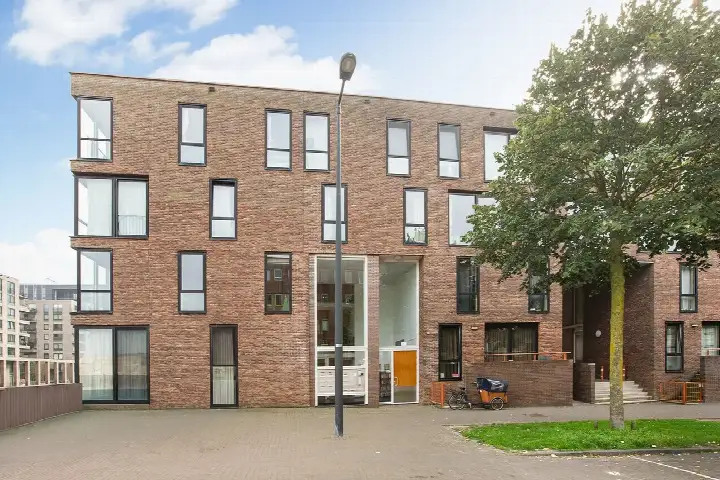
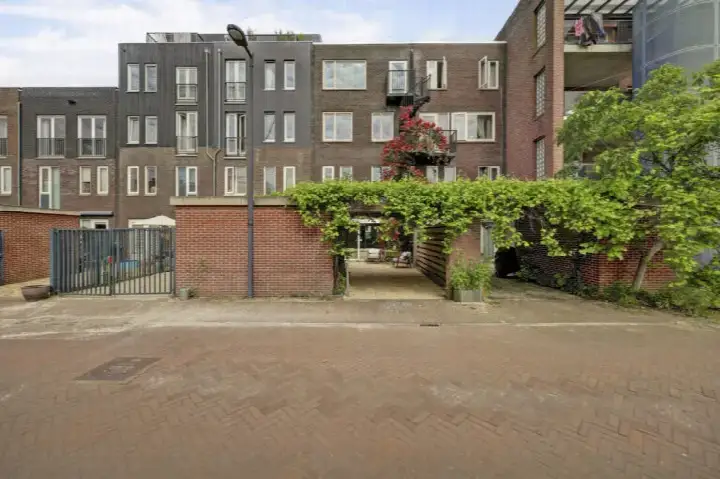
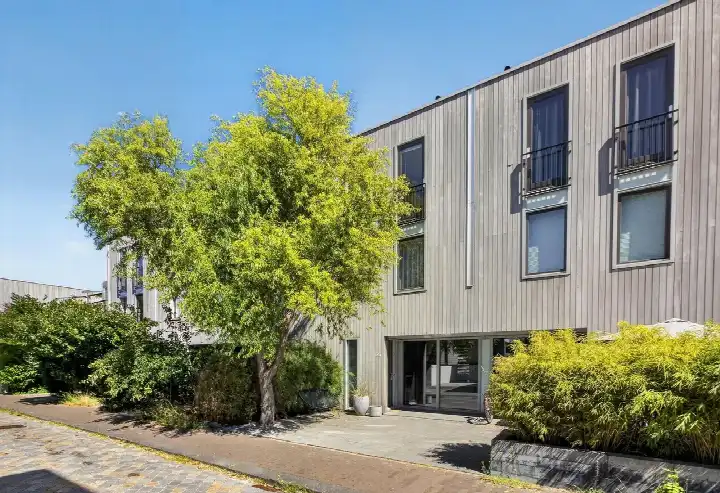
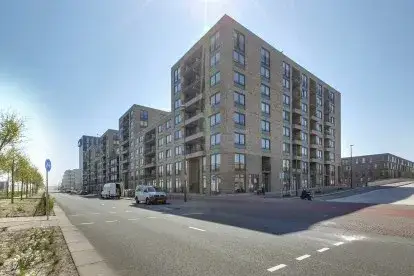
Auto-translated to English by AIThe housing stock is relatively young — 100% dates from after 1990. In addition, the most common type is flats (75%).
Over the past year a home for sale in IJburg-West was listed for an average of €792,843 (€6,358 per m²). Last quarter prices rose by 23%.
A rental home in IJburg-West cost an average of €2,190 per month (€24 per m²).
Residents give IJburg-West a 6.7 out of 10 based on 7 reviews. Especially nature and greenery (7.4) scores well; cleanliness (6.0) receives the lowest rating.
Wijk IJburg-West has 16,090 residents. The largest age group is 25 to 45 years (31%). Many families: 43% of the households have children.
The housing supply in IJburg-West is remarkably efficient: 100% has an A, A+ or B label. The average natural gas consumption per household is 10 m³ per year.
From IJburg-West you can on average reach a supermarket at 0.7 km, a GP at 0.6 km, a railway station at 5.5 km, a primary school at 0.3 km (as the crow flies, source: CBS).
Right now you will find 81 homes for sale and 48 homes for rent in IJburg-West.