Rental homes in IJburg-West, Amsterdam
Check the current rental property listings in IJburg-West and discover if this neighbourhood suits you, with resident reviews and neighbourhood data.


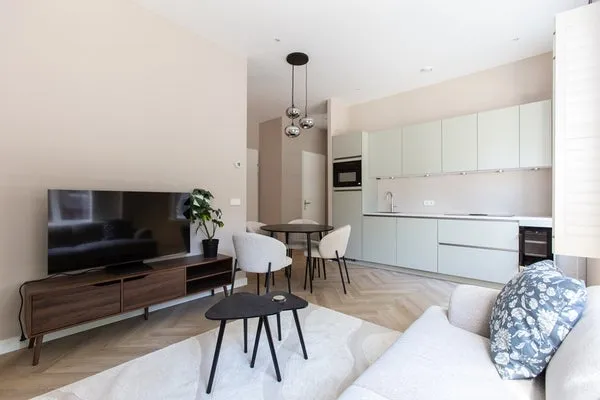
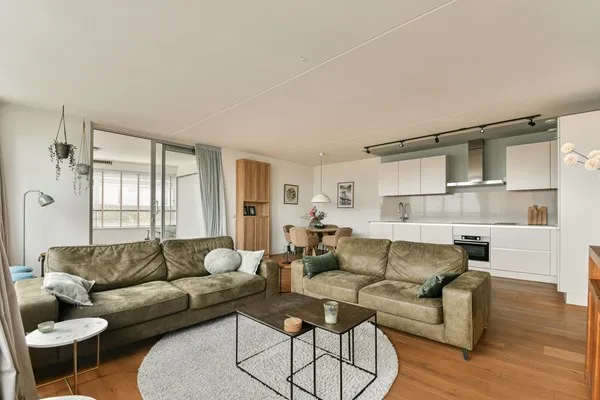
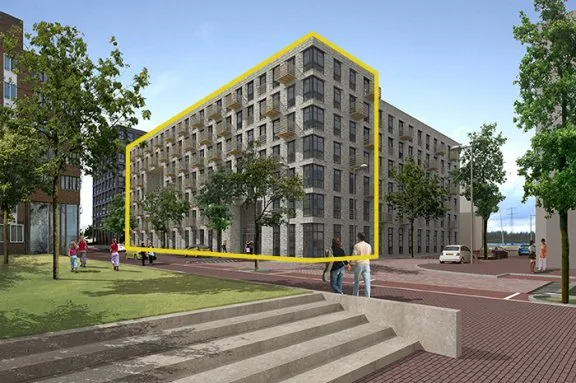
What does a rental property cost in IJburg-West?
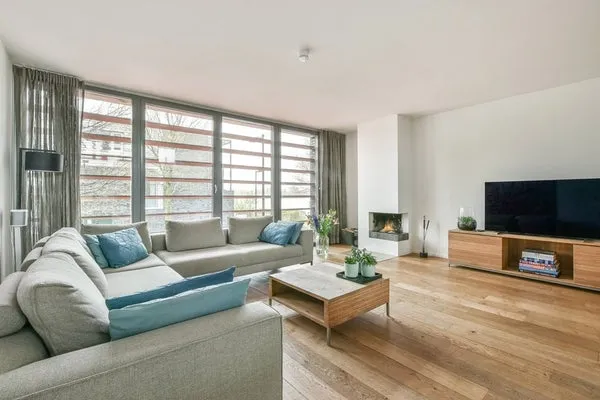
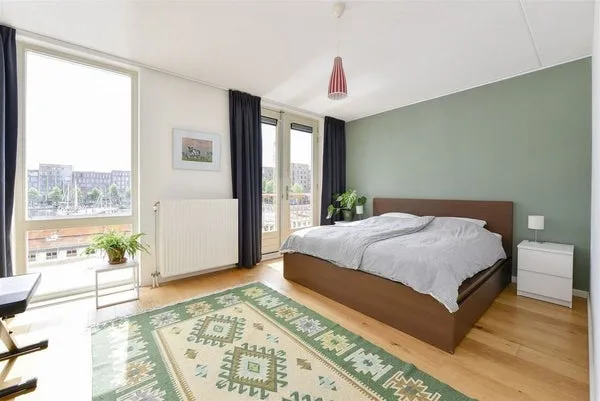
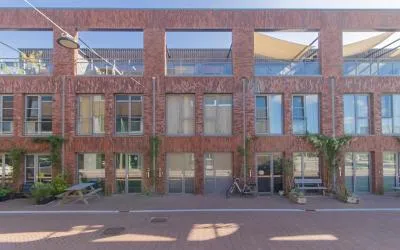
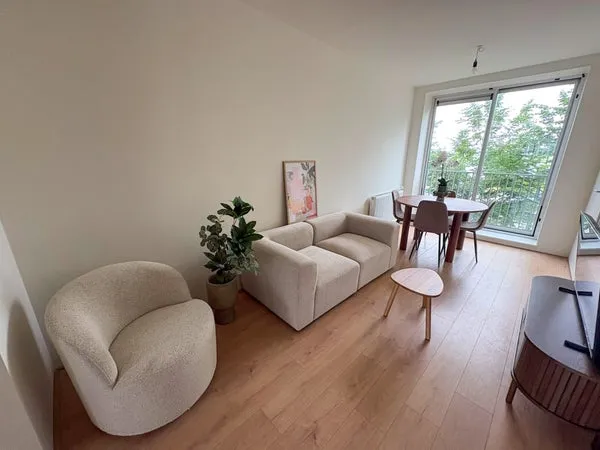
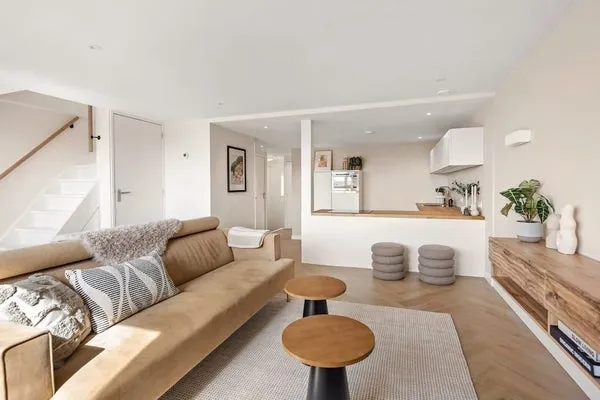
IJburg-West is a neighbourhood where renting is the norm: 56% of the more than 6,700 homes are rental properties. Approximately 30% of the total housing stock is owned by housing associations, while about 26% is offered through private landlords and investors. In the free sector (excluding social housing), the average rent over the past year was €2,216 per month, with a range of €800 to €6,500. The average rental home in the free sector measures around 105 m², which is reasonably spacious by Amsterdam standards. The WOZ value of homes here is €602,000, well above the Amsterdam average of €517,000. This directly translates into higher rents. Those looking for the current daily price and available supply can consult the overview at the top of this page for the most recent status.
The average disposable income in IJburg-West is €52,700, also above the municipal average of €44,276. The neighbourhood therefore attracts relatively affluent tenants. Yet the gap between the social housing stock and the free sector is large: those who do not qualify for a housing association home must expect substantial monthly costs. Renting in IJburg-West is thus mainly reserved for dual-income couples or single people with an above-average income.
Living on an island: how do residents experience IJburg-West?
IJburg-West scores a 6.7 out of 10 on Buurtje.nl, based on resident reviews. That is not an exceptionally high score, and the reviews show why. The neighbourhood scores best on greenery (7.4) and safety (7.3), but lower on beauty (6.0) and education (6.0). Resident Meike gives the area an 8.4 and writes: "There are many families living here, so I often feel safe and it's always cosy. There's a supermarket nearby, a hairdresser, a dentist and a restaurant." Roy Kuijpers, who grew up there, simply calls it a "top neighbourhood" and gives it an 8.9. But there are also critical voices.
Resident Guusje describes the neighbourhood as "very segregated" and points to the many different groups that mix little with each other. She appreciates the nature and sports facilities, but mentions accessibility as a point of concern due to the reliance on tram 26. J.W. shares this feeling, writing: "Other neighbourhoods always require multiple transfers, even neighbouring ones. Connection within the neighbourhood and with other neighbourhoods is what I miss most." The island feeling is therefore not just geographical. Those used to the liveliness of the Jordaan or the bustle around de Nieuwe Zijde may find IJburg-West isolated. At the same time, that is exactly what other residents appreciate: peace, space and water all around.
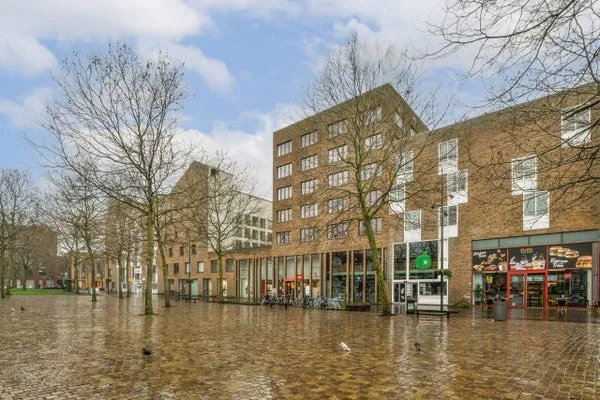
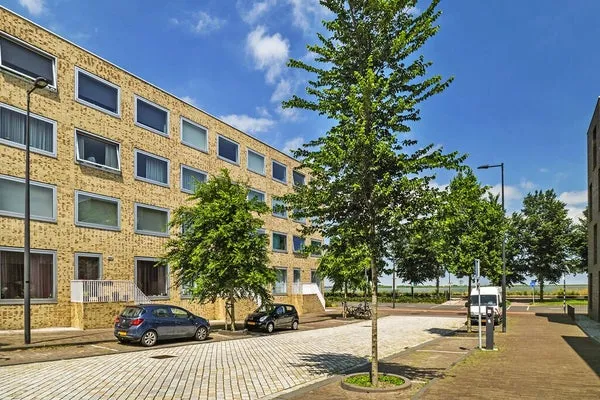
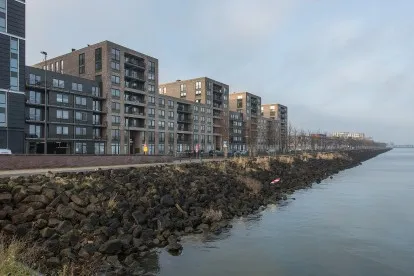
The neighbourhood consists of clearly distinct areas. In Steigereiland-Zuid and the northern part of Steigereiland you will find many houseboats and self-build homes, while the Joris Ivenspleinbuurt around the IJburg shopping centre has a more urban feel with shops, restaurants and the library. The IJmeer and Diemerpark offer space for walking, swimming and sailing. Less positive: a resident mentions nuisance from young people, and the score for sense of community (6.3) confirms that social cohesion is not equally strong everywhere. Read more experiences and reviews from residents on the IJburg-West neighbourhood page for a more complete picture.
Is IJburg-West right for you as a tenant?
The largest group of households in IJburg-West consists of families with children (3,080 households), and you can tell. The neighbourhood is designed for family life: playgrounds, primary schools and relatively spacious homes. Renting an apartment in IJburg-West is therefore mainly interesting for couples with children who want space without leaving Amsterdam. It can also suit home workers who value peace and a green environment, provided you accept the limited connection to the rest of the city. For students or nightlife enthusiasts, the neighbourhood is less suitable: the amenities are functional but limited, and it is quiet in the evenings. Those who prefer to be in the heart of the city would be better off looking at the Grachtengordel or the Haarlemmerbuurt. Considering buying instead of renting? Then check out the supply of homes for sale in IJburg-West.
Searching for a rental property in IJburg-West
On Buurtje.nl you will find the current supply of rental properties in IJburg-West, supplemented with resident reviews, neighbourhood statistics and energy data. Filter by price, size or energy label to find a home that suits you. Want to search more broadly? Then also check the overview of rental properties in all of Amsterdam. More information about municipal regulations, parking permits and waste policy can be found on the website of the municipality of Amsterdam.
Frequently asked questions
What is the average rent for a rental property in IJburg-West?
In the free sector, the average rent over the past year was €2,216 per month, excluding social housing. Prices range from €800 to €6,500 per month, depending on size and location within the neighbourhood. The average free-sector home is approximately 105 m².
How accessible is IJburg-West by public transport?
IJburg-West is connected to the rest of Amsterdam via tram 26, which runs directly to Amsterdam Centraal. The journey takes about 20 minutes. A downside is that for other districts you often have to change, which residents experience as a limitation. By car, you can quickly reach the A10 via the Enneüs Heermabrug.
Is IJburg-West a safe neighbourhood to rent a home?
Residents rate safety at 7.3 out of 10. Many families live there and the streets are generally quiet. Some residents do report nuisance from groups of young people. It is advisable to look per neighbourhood, as the experience differs between, for example, Steigereiland and the Joris Ivenspleinbuurt.
How long is the waiting time for a social housing property in IJburg-West?
About 30% of homes in IJburg-West are owned by housing associations. The waiting time for social housing in Amsterdam runs via WoningNet and averages more than 13 years. For IJburg-West, this may be slightly shorter because the neighbourhood is relatively new, but expect at least 8 to 10 years of registration time.
Who is a rental home in IJburg-West suitable for?
IJburg-West is especially popular with families with children. The homes are relatively spacious and there is plenty of greenery and water. Renting a home in IJburg-West suits dual-income earners looking for peace and space. For students or people who go out a lot, the neighbourhood is less suitable due to limited evening facilities and the distance to the centre.
Many groups and backgrounds. Beautiful nature and plenty of sports and play facilities. Harder to reach because of tram 26.
Auto-translated to English by AIHeavenly wide, not far from the bustling centre, with a good tram connection to Central Station. But other neighbourhoods always require multiple transfers, even adjacent ones. Connection within the neighbourhood and with other neighbourhoods and the city itself is what I miss most. The water in summer makes up for a lot of that, but winters are very isolated. Although the streets themselves are Dutch-regulated straight-laced grey, nature is all around the streets. I prefer to be there, and people are friendlier there, than on the street itself. Green spaces and human interaction do something to a person. Many cultures live side by side (plus point!), but unfortunately they don't mix to form a new culture. The snack bar around the corner is the best community centre. Just like nature here, really. Everything is arranged side by side, not organically. The neighbourhood is for the orderly, commuting person who longs for their own bubble when they come home. A lot of waste and food is left on the street (also cleaned up by the municipality), which in my view is linked to a lack of community building/neighbourly care, more self-interest and less interest in neighbourhood interactions. The police station in the neighbourhood is very friendly and easily approachable. That gives a pleasant sense of safety.
Auto-translated to English by AII find the neighbourhood very free, there are many families living here so I often feel safe and it's always cosy. There is a supermarket nearby, a hairdresser, a dentist and a restaurant so I only have to walk if I want something. There are many footpaths where you can walk. It's a very nice neighbourhood to live in!
Auto-translated to English by AII grew up here, great neighbourhood! Lots of memories and people I know. Been through a lot.
Auto-translated to English by AINiksddss
Auto-translated to English by AI.
Auto-translated to English by AIWell my experience is more that there are sometimes conflicts with the neighbours but that mainly concerns the block itself. Sometimes we manage to sort it out but often it's also a few who make decisions, which could always be different in my opinion. Overall it is a safe neighbourhood. Where you can certainly have a laugh. There are lots of playgrounds for children which is very safe.
Auto-translated to English by AI