Rental homes in Bijlmermuseum, Amsterdam
View the current rental property listings in Bijlmermuseum, Amsterdam. Compare prices, read resident reviews and find a rental property that suits you.

What does a rental property cost in Bijlmermuseum?
Bijlmermuseum is one of the most rental-oriented neighbourhoods in Amsterdam: as much as 88% of the housing stock is rental, of which 67% is owned by housing corporations. Only 12% is owner-occupied. The average WOZ value is €276,000, significantly lower than the Amsterdam average of €517,000. This makes the neighbourhood more affordable on paper, but in the free sector you still pay a hefty price. Over the past twelve months, a free-sector rental property in Bijlmermuseum was let for an average of €1,527 per month, with a range of €750 to €2,650. The average floor area was 94 m². This concerns only free-sector properties, so excluding social housing via corporations. For the current daily price and the current supply, you can consult the overview at the top of this page.
The large share of corporation housing means that many tenants enter via a waiting list. The free sector is relatively small: only 48 properties were rented out in the past year. Anyone looking for a rental home in the free sector therefore needs to act quickly. The average disposable income in the neighbourhood is €23,957, well below the Amsterdam average of €44,276. This tells something about the socio-economic composition and the dependence on social housing in this area.
Concrete, vanished greenery and a neighbourhood in transition
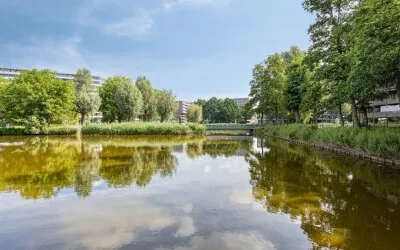
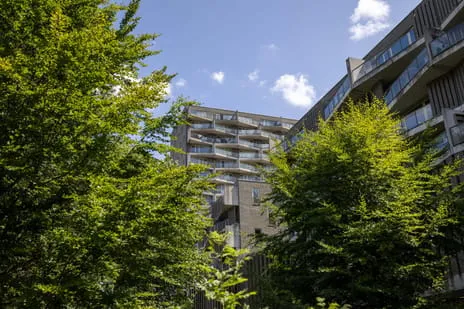
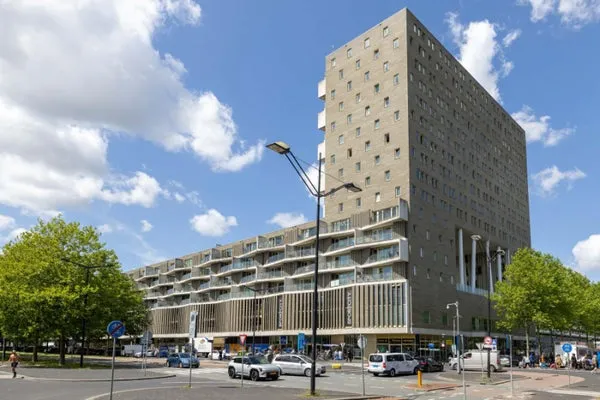
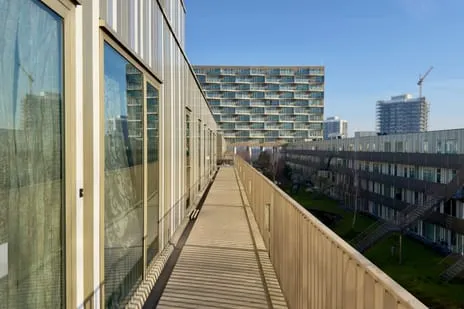
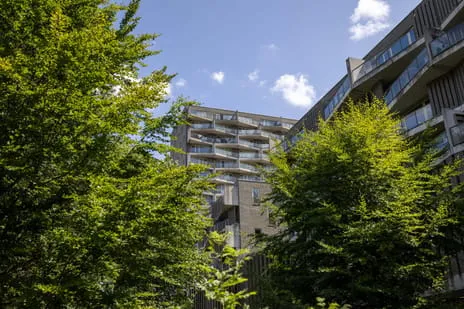
On Buurtje.nl, Bijlmermuseum scores 4.8 out of 10 based on resident experiences. That is one of the lower scores in Amsterdam. Residents are relatively positive about accessibility (7.0) and the feeling of safety (7.0), but the scores for green spaces (2.0), sense of community (4.0) and amenities (3.0) stand out as pain points. Resident Danny Huybrechts sums up the feeling succinctly: "There used to be a lot of greenery and people's mentality was okay. Not anymore, everyone for themselves, and whatever was green is now built up. Concrete and so on." That frustration about densification and the loss of greenery is recognisable when you walk through the neighbourhood. The characteristic Bijlmer flats have been partly demolished and replaced by new construction, but the result does not always feel like an improvement for longer-term residents.
The neighbourhood is located close to Ganzenhoef metro station and Bijlmer ArenA station, meaning you can be at Amsterdam Central within twenty minutes. That good accessibility is one of its strongest points. Daily shopping can be done in nearby shopping centres, although the range of eateries and specialist shops is limited compared to neighbourhoods like the Jordaan or the Grachtengordel. The neighbourhood consists of several areas each with its own character: in Bijlmermuseum-Noord you will find many of the larger flats, while the southern part offers a bit more space. The area around De Kameleon is better known for its new-build projects.
The population is young and diverse: the largest age group is 25 to 45 years old, and there are many single people (2,510 single-person households out of 7,770 residents). The married percentage is strikingly low at 14%. The labour participation rate of 56% is below the Amsterdam average, which correlates with the lower income level. On the neighbourhood page of Bijlmermuseum you can find all reviews and extensive neighbourhood data to form your own picture.
Renting in Bijlmermuseum: for whom yes, for whom no?
Renting an apartment in Bijlmermuseum is mainly interesting for starters and single people with a limited budget who still want to live in Amsterdam. The low WOZ values and the large supply of social housing make it more accessible than many other Amsterdam neighbourhoods. If you are looking for a lively area with lots of eateries, shops and greenery, this is probably not your place. The amenities score low and residents miss the greenery of the past. Families who value schools and play space should look carefully at the specific area. Those who prefer to buy can view the limited supply of owner-occupied homes in Bijlmermuseum, although only 12% of the stock is for sale. For those looking for more atmosphere and amenities, it is wise to also look at the Haarlemmerbuurt or Burgwallen-Nieuwe Zijde, although prices there are considerably higher.
View the current rental supply in Bijlmermuseum
On Buurtje.nl you will find the current supply of rental properties in Bijlmermuseum, including filters on price, floor area and energy label. You can compare the properties with the supply in other Amsterdam neighbourhoods, such as the Burgwallen-Oude Zijde. Also check the resident reviews and neighbourhood statistics to determine whether the area suits you. More information about municipal regulations and permits can be found on the website of the municipality of Amsterdam. Want the bigger picture? Then view all rental properties in Amsterdam.
Frequently asked questions
What is the average rent for a rental property in Bijlmermuseum?
In the free sector, the average rent in Bijlmermuseum over the past year was €1,527 per month, with an average area of 94 m². The range runs from €750 to €2,650. This excludes social housing through housing associations.
How long is the waiting time for social housing in Bijlmermuseum?
Bijlmermuseum has a large share of housing association properties (67%). The waiting time for social housing in Amsterdam runs via WoningNet and averages more than ten years. In Bijlmermuseum, this may be slightly shorter due to the large supply, but expect a waiting time of several years.
Is Bijlmermuseum a safe neighbourhood to rent a home?
Residents rate safety in Bijlmermuseum a 7.0 out of 10 on Buurtje.nl. That is a reasonable score by Amsterdam standards. The district has made progress in terms of safety in recent years, although it remains important to look at each neighbourhood individually.
How is the accessibility if you rent a home in Bijlmermuseum?
Accessibility scores a 7.0 out of 10. Ganzenhoef metro station is located in the district and Bijlmer ArenA station is nearby. By metro, you can reach Amsterdam Central in about twenty minutes. Several bus routes also run through the district.
Are there many amenities in Bijlmermuseum for tenants?
Amenities score a 3.0 out of 10 from residents. There are basic amenities such as supermarkets in the area, but the range of restaurants, shops and culture is limited. Residents also note that there is increasingly less green space in the district. For more extensive amenities, you have to rely on nearby Amsterdamse Poort or the city centre.
formerly lots of green and people's mentality was ok ..now not anymore everyone for themselves and what was green is now built up concrete etc......
Auto-translated to English by AI