Homes for sale in Bijlmermuseum, Amsterdam
Looking for a home to buy in Bijlmermuseum? Check the current listings on this page and discover what the neighbourhood has to offer for buyers.

House prices in Bijlmermuseum: affordable compared to Amsterdam, but for a reason
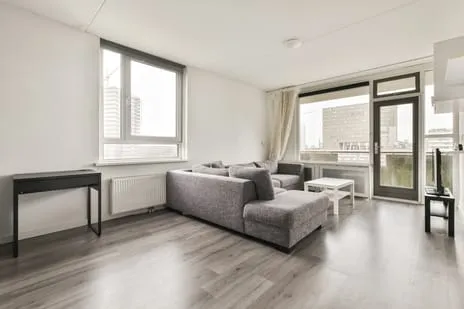
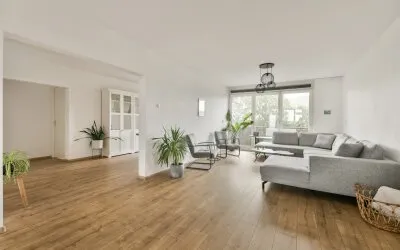
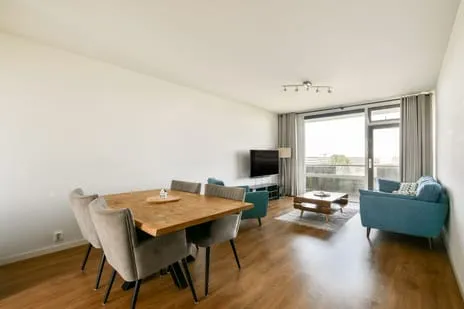
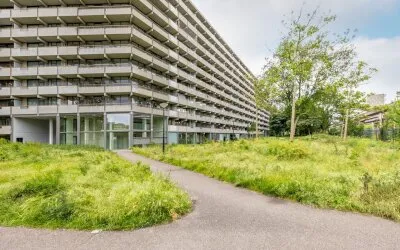
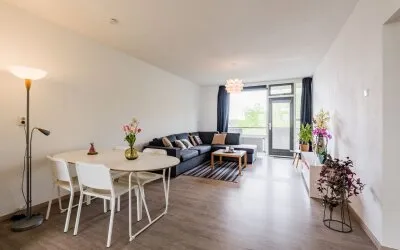
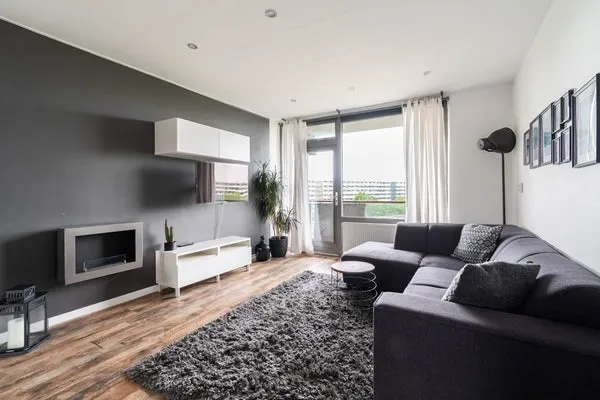
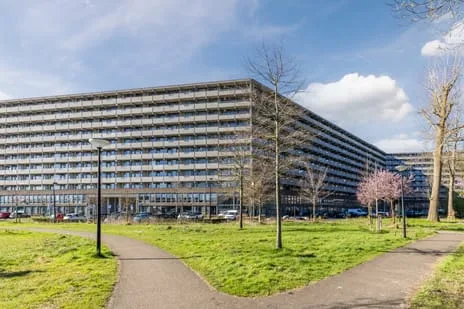
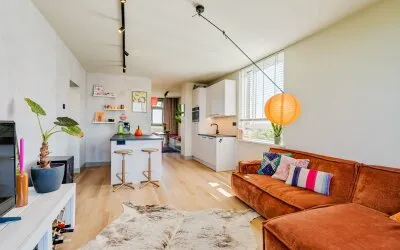
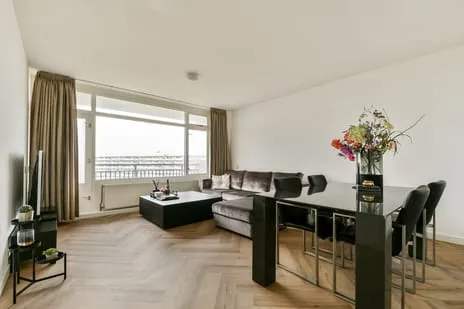
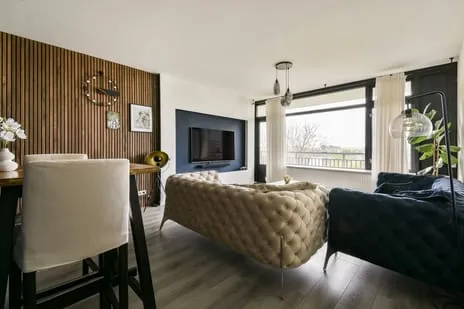
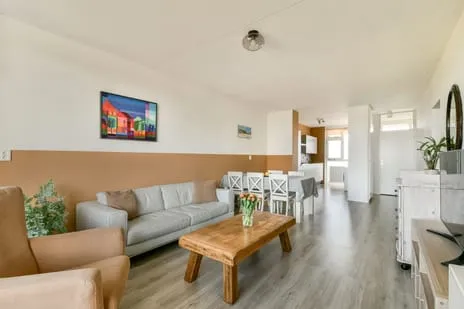
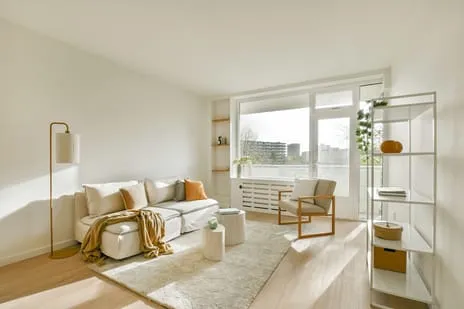
The owner-occupied market in Bijlmermuseum is small. Only 12% of the more than 3,600 homes are owner-occupied, the rest are rental properties, the vast majority of which are owned by housing associations. This makes supply scarce and the market not very dynamic. The average WOZ value is €276,000, which is significantly lower than the Amsterdam average of €517,000. In the past twelve months, 27 homes were sold, with an average sale price of €308,333 and a range of €215,000 to €395,000. The average home has a floor area of 74 m², which fits the predominantly flat-like character of the neighbourhood: most owner-occupied homes are apartments in the well-known high-rise flats from the 1970s and 1980s. For current asking prices and available homes, you can consult the overview at the top of this page. By comparison, anyone looking at owner-occupied homes in Amsterdam as a whole will quickly see that Bijlmermuseum is one of the most affordable neighbourhoods in the city.
Living in Bijlmermuseum: concrete heritage, community in motion
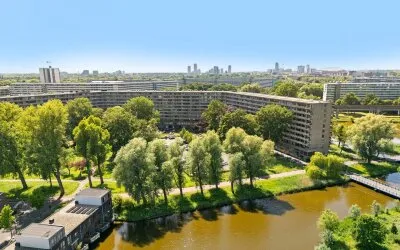
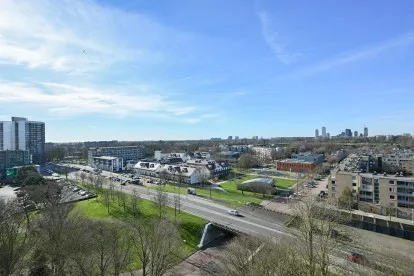
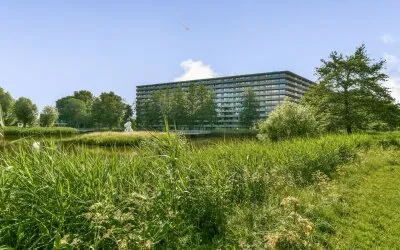
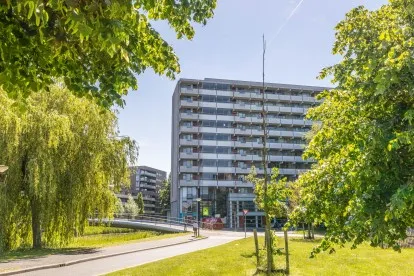
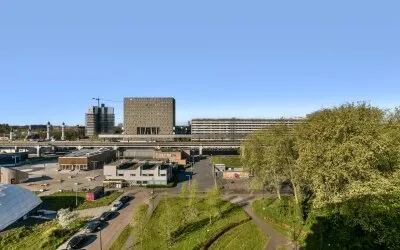
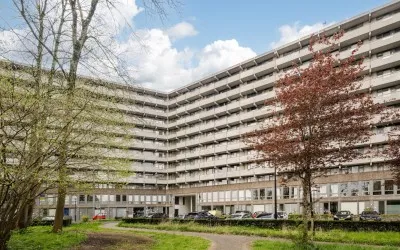
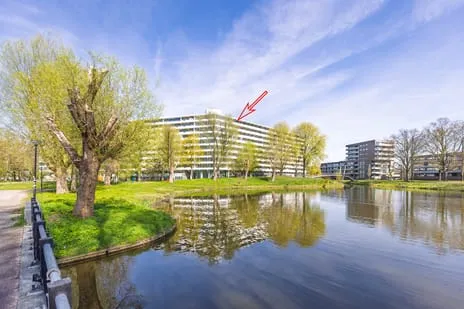
Bijlmermuseum is not a neighbourhood that appeals to everyone, and frankly, that is part of its character. The area owes its name to the fact that the most authentic remnants of the original Bijlmermeer have been preserved here: the honeycomb flats, the elevated footpaths and the car parks that have been demolished or converted elsewhere in the Bijlmer. Resident Danny Huybrechts sums it up succinctly in his review on the neighbourhood page of Bijlmermuseum: in the past there was a lot of greenery and people's mentality was okay, but now it's every man for himself and much of the greenery has been built over. That observation is confirmed by the figures: greenery scores only 2 out of 10 in resident reviews, and the community score also stands at a meagre 4. Safety and accessibility are rated significantly better, at 7.
Accessibility is indeed one of the stronger points of the neighbourhood. Bijlmer ArenA metro station is within cycling distance and offers a fast connection to Amsterdam Central via lines 53 and 54 in about twenty minutes. In addition, Amsterdam Bijlmer ArenA is an intercity station with direct trains to Utrecht, Eindhoven and Schiphol. The A9 and A2 are quickly accessible via the Karspeldreef and Gooiseweg. GVB bus lines also serve the smaller streets within the neighbourhood. In terms of amenities, the Amsterdamse Poort shopping centre is the nearest large centre, with supermarkets, shops and eateries. Within the neighbourhood itself, amenities are more limited, which explains the low score in that area. For education, there are primary schools in the immediate vicinity, including schools in the adjacent areas Bijlmermuseum-Noord and Bijlmermuseum-Zuid. The neighbourhood has a diverse population with many single-person households (2,510 of the approximately 7,770 residents) and a relatively young core in the 25 to 45 age group.
The municipality of Amsterdam is actively investing in the southeastern districts. On the website of the municipality of Amsterdam you can find up-to-date information about plans for restructuring and liveability in this area. Anyone wanting to compare the atmosphere of De Kameleon and surroundings will notice that this area is also undergoing significant development. Living in Bijlmermuseum requires a conscious choice: you are not buying a home in a polished neighbourhood here, but in an area with its own history and character that is still very much in transition.
For whom is buying in Bijlmermuseum a realistic option?
Buying in Bijlmermuseum mainly appeals to first-time buyers who want to live in Amsterdam but do not have the budgets required by neighbourhoods such as the Jordaan or the Grachtengordel-West. With an average sale price of just over €308,000 and a lower limit of €215,000, there are still apartments to be found here that are unaffordable elsewhere in the city. Bear in mind additional costs: transfer tax (2% for non-first-time buyers), notary fees and possible homeowners' association contributions in the flat complexes. Supply is limited, so be prepared for competition. If you want to remain flexible, you can also look at rental properties in Bijlmermuseum as an alternative.
Finding owner-occupied homes in Bijlmermuseum via neighbourhood data and resident reviews
Buurtje.nl combines the current housing supply with resident reviews and neighbourhood statistics, so you choose not just a home but also a neighbourhood. Also check the supply in comparable Amsterdam neighbourhoods such as the Haarlemmerbuurt or Burgwallen-Nieuwe Zijde to get a good idea of what your budget can get you elsewhere in Amsterdam.
Frequently asked questions
What is the average purchase price of a home in Bijlmermuseum?
In the past twelve months, 27 homes were sold in Bijlmermuseum, with an average purchase price of €308,333. The range ran from €215,000 to €395,000, with an average living area of 74 m². This is significantly lower than the Amsterdam average, making the neighbourhood relatively affordable within the city.
What are the additional costs when buying a home in Bijlmermuseum?
When buying an apartment in Bijlmermuseum, you need to account for transfer tax (2% for non-starters, 0% for starters under 35 below the exemption threshold), notary costs for the deed of transfer and mortgage deed, and possible valuation costs. Many homes in the neighbourhood are in flat complexes with a Homeowners' Association, so always ask about the monthly VvE contribution and the state of the reserve fund.
What types of homes can you buy in Bijlmermuseum?
The owner-occupied housing supply in Bijlmermuseum consists almost exclusively of apartments, often in the characteristic high-rise flats from the 1970s and 1980s. Single-family homes or detached houses are hardly found here. The average size of sold homes in the past year was 74 m². The owner-occupancy rate in the neighbourhood is low: only 12% of the housing stock is owner-occupied.
How is the accessibility if you buy a home in Bijlmermuseum?
Accessibility is one of the neighbourhood's stronger points and is rated 7 out of 10 by residents. Bijlmer ArenA metro station provides quick connections to Amsterdam Central in about twenty minutes. Amsterdam Bijlmer ArenA is also an intercity station with trains towards Utrecht, Eindhoven and Schiphol. For motorists, the A9 and A2 are easily accessible via the Karspeldreef and Gooiseweg.
Is Bijlmermuseum a suitable neighbourhood to buy an apartment as a first-time buyer?
Bijlmermuseum is one of the few neighbourhoods in Amsterdam where you can still buy an apartment under €300,000 as a first-time buyer. The low WOZ value of €276,000 and the relatively low average purchase price make the neighbourhood financially accessible. However, keep in mind that the neighbourhood scores low on green space (2/10) and sense of community (4/10), and that the supply is limited due to the high share of social housing.
formerly lots of green and people's mentality was ok ..now not anymore everyone for themselves and what was green is now built up concrete etc......
Auto-translated to English by AI