Rental homes in Centrale Markt, Amsterdam
View the current rental property listings in Centrale Markt, Amsterdam. Compare prices, read resident reviews and find a rental property that suits you.

What does a rental property cost in Centrale Markt?
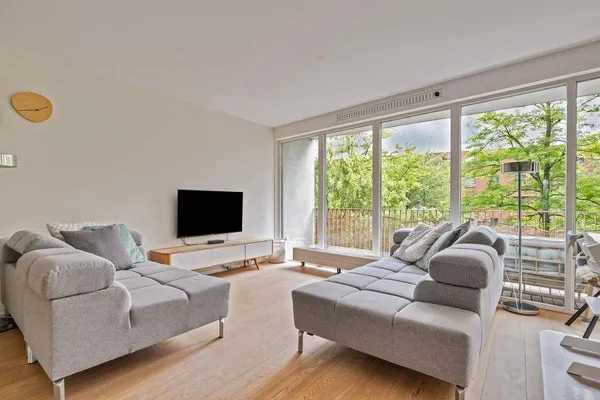
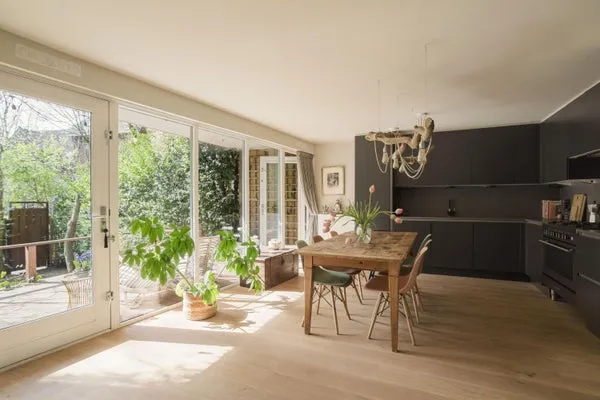
Centrale Markt is a neighbourhood where the majority rent: 62% of the more than 1,245 homes are rental properties. Of these, 44% belong to housing corporations, meaning almost half of the rental stock is social housing. The remaining 18% is rented out by private landlords and investors. For those looking in the free sector, rental prices are steep. Over the past twelve months, the average rent in the free sector was €2,384 per month, with a range of €1,575 to €3,250. That is substantial for an average area of 74 square metres. The WOZ value of homes in Centrale Markt (€551,000) is slightly above the Amsterdam average of €517,000, confirming the price level. The average income of €42,400 is just below the municipal average of €44,276, so for many residents, renting in Centrale Markt takes a significant bite out of the budget. At the top of this page you will find the current daily prices and availability.
Living between the Hallen and the GWL terrain: what does Centrale Markt feel like?
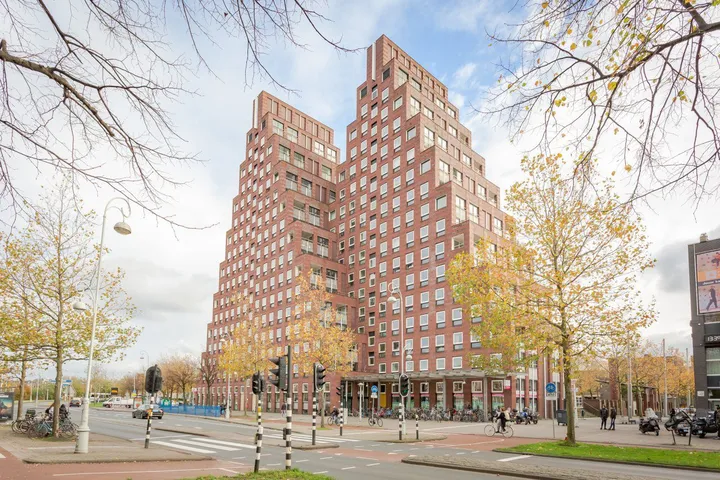
Centrale Markt is a neighbourhood with multiple faces. The area around the former Markthallen, now the cultural complex De Hallen, gives the neighbourhood a lively character. Here you will find a food hall, a library, a cinema and rotating exhibitions under one roof. On Sunday mornings it is busy with brunching couples, and during the week freelancers work there on their laptops. This attracts a specific audience: young, highly educated and urban. Almost half of the residents (49%) are therefore highly educated, and the largest age group is 25 to 45 years old.
But walk a few streets further towards the GWL terrain, and the atmosphere changes completely. This car-free former waterworks site feels almost village-like: children play in the courtyards, there is plenty of greenery and neighbours know each other. On the neighbourhood page of Centrale Markt you can read in the resident reviews that this contrast is precisely appreciated. One resident writes that the GWL terrain "is an oasis of calm, while you are at the bustle of De Hallen in five minutes." At the same time, there is also criticism: parking is a nightmare, the area around the Westerkwartier still looks messy in some places due to business premises, and noise pollution from the Haarlemmerweg is frequently mentioned.
In terms of accessibility, the neighbourhood scores reasonably well. Tram lines on the Jan van Galenstraat take you to Central Station in fifteen minutes, and by bike you are quickly in Westerpark or the Jordaan. You can do your shopping at the Albert Heijn on Van Hallstraat or at the market in the Hallen. The Marcanti area south of the neighbourhood offers additional dining and a growing range of shops. For families, there are primary schools in the immediate vicinity, although with 250 children under 15, the neighbourhood is not distinctly child-friendly in terms of size.
Renting in Centrale Markt: for whom, for whom not?
With 640 single-person households and only 27% married couples, Centrale Markt is mainly a neighbourhood for singles and couples without children. Renting an apartment in Centrale Markt is most realistic if you have an above-average income, given the average free-sector price of €2,384. For starters or people with a smaller budget, the social housing stock via corporations is an option, but waiting times in Amsterdam can exceed ten years. Families looking for space will find few large homes here. Those who prefer to buy can view the supply of homes for sale in Centrale Markt, although the WOZ value there is also above the Amsterdam average. For renters who want it a bit quieter, the nearby Haarlemmerbuurt is an alternative with a similar atmosphere but more shopping streets.
View the current rental supply in Centrale Markt
On this page, via Buurtje.nl, you will find all available rental properties in Centrale Markt, with filters on price, area and energy label. In the past year, only 33 homes were rented out in the free sector, so supply is tight. Quick response is important. Are you also considering other neighbourhoods? Then view the supply in the Grachtengordel-West or see what is for rent in Burgwallen-Nieuwe Zijde. For a complete overview of rental properties in Amsterdam you can also consult the municipal page. More about parking permits and municipal regulations can be found on the website of the municipality of Amsterdam.
Frequently asked questions
What is the average rent for a rental house in Centrale Markt?
In the private sector, the average rent over the past year was €2,384 per month, with an average area of 74 m². The range runs from €1,575 to €3,250. This excludes social housing via housing associations.
How long is the waiting time for social housing in Centrale Markt, Amsterdam?
The waiting time for a social housing property in Amsterdam averages more than ten years. In Centrale Markt, 44% of the housing stock is owned by housing associations, but due to the popularity of the neighbourhood, waiting times here are no shorter than elsewhere in the city.
Is it easy to rent a house in Centrale Markt?
Supply is limited. In the past year, only 33 properties were rented out in the private sector. Renting a home in Centrale Markt therefore requires quick responses. It helps to keep your search criteria broad and also consider adjacent neighbourhoods.
How is the accessibility of Centrale Markt by public transport?
Centrale Markt is well accessible by tram via Jan van Galenstraat. Tram lines towards Central Station and the Kinkerstraat stop in the neighbourhood. Amsterdam Lelylaan station is within cycling distance. By bike, you can reach the city centre within ten minutes.
Is renting an apartment in Centrale Markt suitable for families?
The neighbourhood has relatively few children (250 under 15) and the majority of households are single-person. There are primary schools nearby and the GWL site is car-free and child-friendly, but most private-sector homes are compact (average 74 m²). For larger families, this can be tight.