





7 homes for sale in Centrale Markt, Amsterdam
Looking for a home to buy in Centrale Markt? Check the current supply, average asking price and time to sell right at the top of this page.




Purchase prices in Centrale Markt: above the Amsterdam average, but not the most expensive neighbourhood
Centrale Markt is a neighbourhood where buying is relatively rare: only 37% of the housing stock is owner-occupied, while 62% is rented, a large part of which through housing associations (44%). This limited owner-occupied segment has consequences for prices. The average WOZ value is €551,000, slightly above the Amsterdam average of €517,000. In the past twelve months, 17 homes were sold, with an average purchase price of €592,176. Prices ranged from €375,000 to €695,000, with an average living area of 74 m². These are almost exclusively apartments, as in most urban neighbourhoods of Amsterdam. For current asking prices and available properties, you can consult the overview at the top of this page.
Living between the Market Halls and the water: what gives Centrale Markt its own character
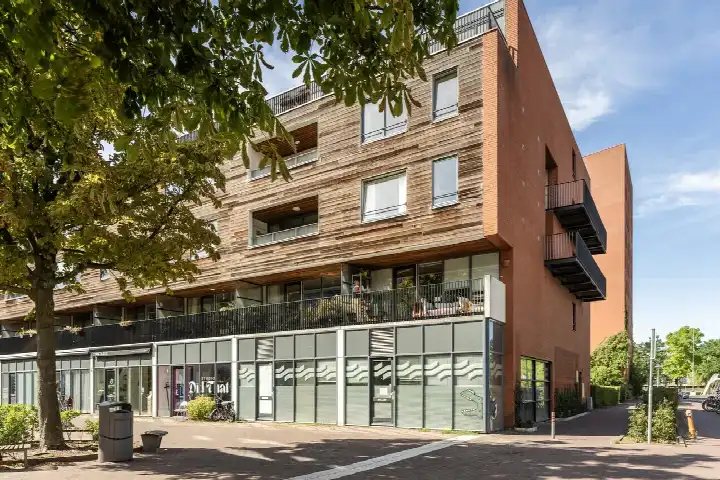
Centrale Markt is not a neighbourhood you would describe as cosy or bustling in the classic Amsterdam sense, but it certainly has its own identity. The neighbourhood owes its name to the former central market hall on Jan van Galenstraat, and that industrial past is still palpable in the architecture and scale of the buildings. The GWL-terrein, a former waterworks site converted into a sustainable residential area, is one of the most striking spots in the area. Those looking to buy there will find a mix of 1990s architecture and a consciously green living environment. The Markthallen and the GWL-terrein each have their own residential atmosphere, and it pays to look at these areas separately if you are seriously considering buying a home here.
Residents on the neighbourhood page of Centrale Markt particularly appreciate the location: close to the centre of Amsterdam, but without the constant tourist crowds of the city centre. One resident describes the area as "quiet enough to sleep, but lively enough not to feel like you live outside the city." Accessibility scores well: tram and bus lines connect the neighbourhood quickly to the centre, and Amsterdam Central Station is a fifteen-minute bike ride away. Via the Haarlemmerweg you also have quick access to the A10. Residents are less positive about the limited availability of play areas for children and the parking pressure in some places. Amenities are present but not abundant: Jan van Galenstraat has supermarkets (including an Albert Heijn), a few primary schools, and a sports hall. For a wider range of shops or dining, you quickly head to the Haarlemmerbuurt or the Jordaan, both within cycling distance. Those looking for an even more central location might also consider Grachtengordel-West, although prices there are generally higher. The municipality of Amsterdam provides up-to-date information on permits, parking policy, and urban development plans relevant to Centrale Markt via amsterdam.nl.
For whom is buying in Centrale Markt a realistic option?
Given the average purchase price of over €592,000 and a lower limit of €375,000, buying an apartment in Centrale Markt is more suited to movers and dual-income households than to first-time buyers. Supply is limited: only 17 homes were sold in the past year, meaning you need to act quickly and overbidding is realistic. In addition to the purchase price, factor in additional costs such as transfer tax (2% for non-first-time buyers above the NHG limit), notary fees, and any renovation costs. If buying is not feasible now, consider the rental properties in Centrale Markt as an alternative.
How to find a home for sale in Centrale Markt that suits you?
Buurtje.nl combines current property listings with resident reviews and neighbourhood statistics, so you not only buy a home but also know what the area is like. Compare Centrale Markt with adjacent neighbourhoods such as Burgwallen-Nieuwe Zijde or browse the broader offering via homes for sale in Amsterdam to get a good idea of what your budget gets you elsewhere. The current listings, average time to sell, and asking prices are at the top of this page.
What is the average purchase price of a home in Centrale Markt?
In the past twelve months, 17 homes were sold in Centrale Markt, with an average purchase price of €592,176. Prices ranged from €375,000 to €695,000. The average living area of sold homes was 74 m². The average WOZ value in the neighbourhood is €551,000, slightly above the Amsterdam average of €517,000.
What are the additional costs when buying a home in Centrale Markt?
In addition to the purchase price, as a buyer you pay transfer tax (2% for homes above the starter exemption), notary costs for the deed of transfer and mortgage deed, and possible valuation costs. With an average purchase price of around €592,000, additional costs quickly add up to €15,000 to €20,000. Keep this in mind in your budget.
What types of homes are available to buy in Centrale Markt?
The supply consists almost exclusively of apartments, which is common in urban neighbourhoods of Amsterdam. A large part of the housing stock (62%) is rental housing, making the purchase segment limited. Special sub-areas such as the GWL-terrein offer a specific living atmosphere with sustainable architecture from the 1990s.
How is the accessibility if you move to Centrale Markt?
Centrale Markt is conveniently located relative to the centre of Amsterdam. Amsterdam Central Station is about a fifteen-minute bike ride away. Several tram and bus lines run via Jan van Galenstraat towards the centre and other districts. By car, you can quickly reach the A10 ring road via the Haarlemmerweg.
Is buying a home in Centrale Markt suitable for first-time buyers?
With an average purchase price of €592,176 and a lower limit of €375,000, the neighbourhood is challenging for first-time buyers. Moreover, supply is limited, making overbidding realistic. First-time buyers with a smaller budget would be better off comparing surrounding neighbourhoods or looking at rental properties as an intermediate step.