Rental homes in D-buurt, Amsterdam
View the current rental property supply in D-buurt, Amsterdam. Compare prices, surface areas and neighbourhood scores to find the right rental property.

Rental prices and market figures for D-buurt, Amsterdam
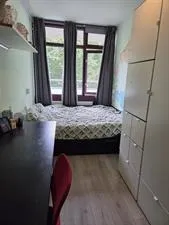
D-buurt is almost entirely a rental neighbourhood: 99% of the 1,681 homes are rental properties, only 1% are owner-occupied. Within the rental stock, 24% is owned by housing associations (social housing) and as much as 75% by other landlords, which is exceptionally high. The average WOZ value is €58,000, a fraction of the district average of €226,000 in Amsterdamse Poort en omgeving and well below the Amsterdam average of €517,000. This reflects the type of homes: compact student housing and smaller apartments.
In the free sector (excluding social housing), the average rent over the past twelve months has been €1,088 per month, with a range of €679 to €1,300. With an average surface area of 62 m², this works out to around €17.55 per m². 46 homes were rented out in that period. This makes a rental home in D-buurt considerably more affordable than in many other parts of Amsterdam, where free sector prices often exceed €20 per m². Check the top of this page for current daily prices and available rental homes.
Living in D-buurt, Amsterdam
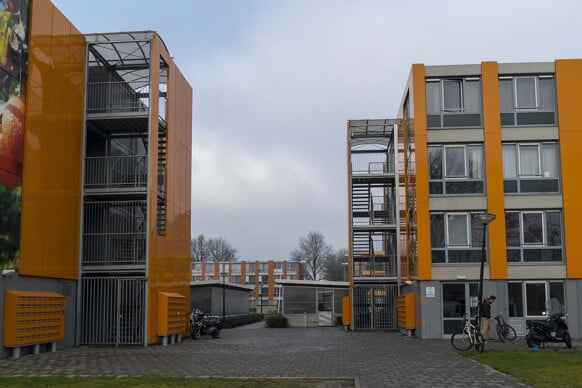
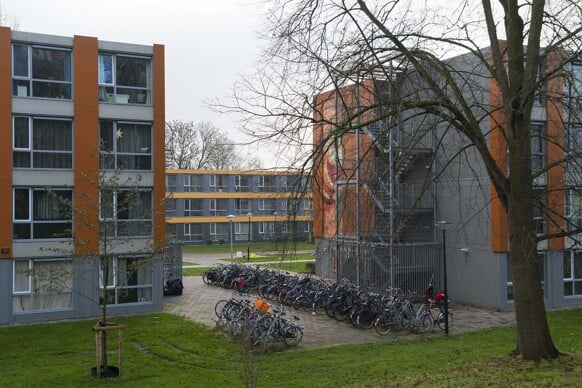
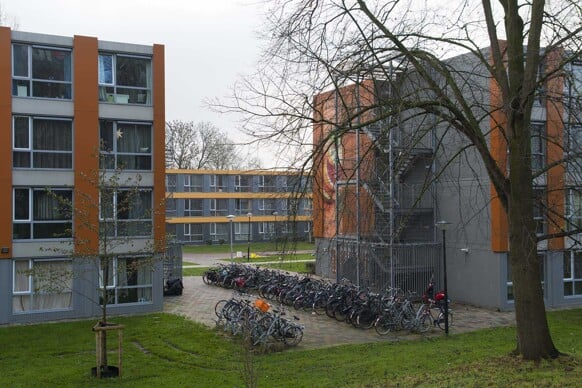
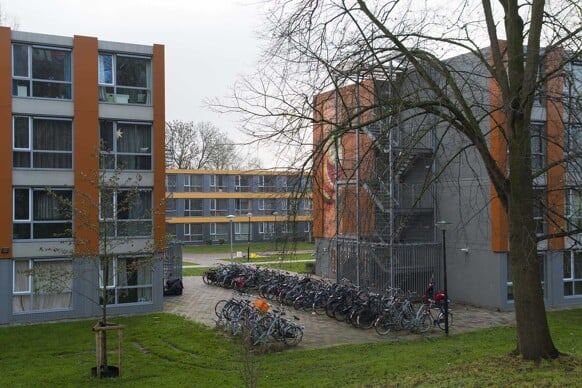
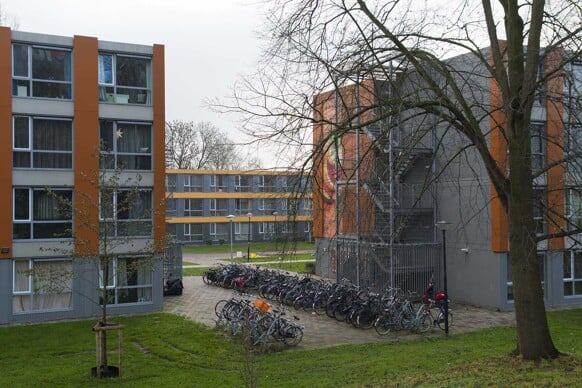
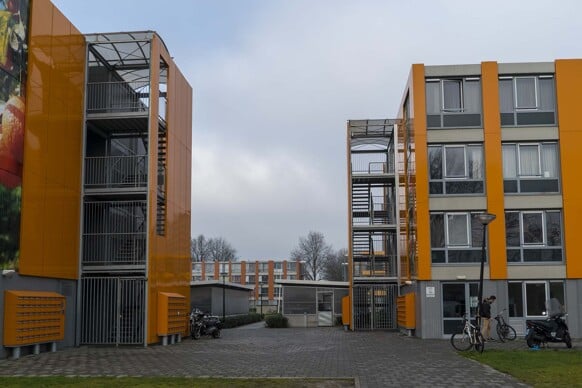
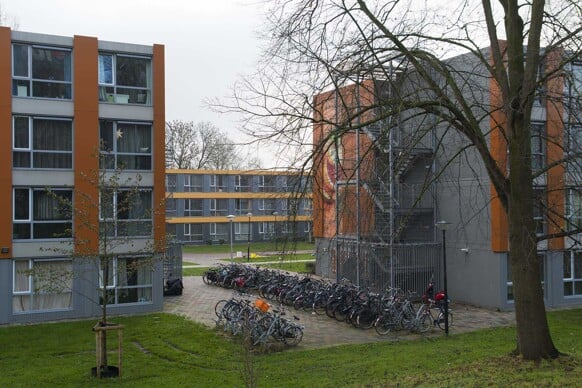
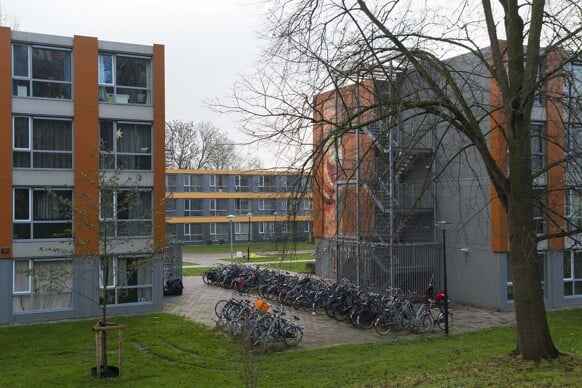
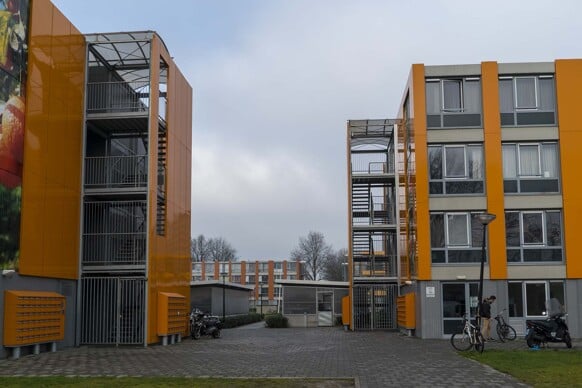
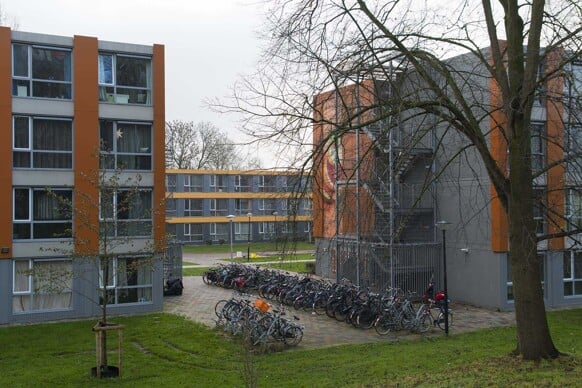
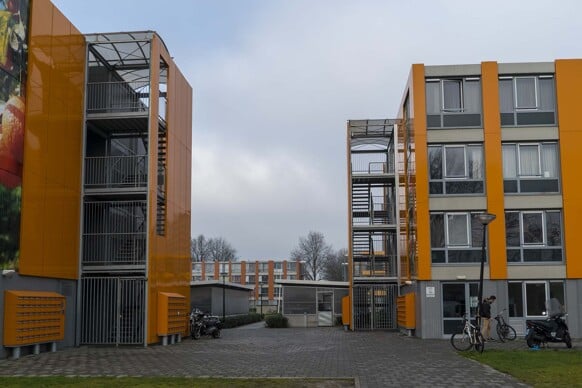
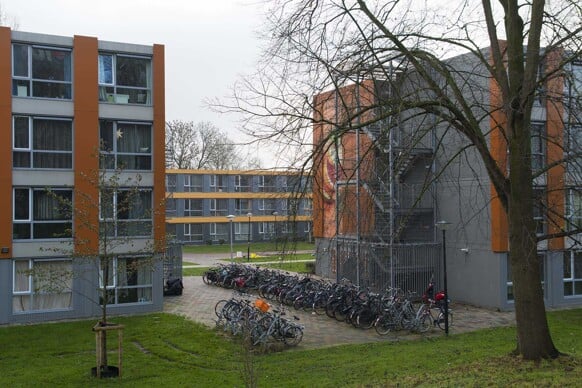
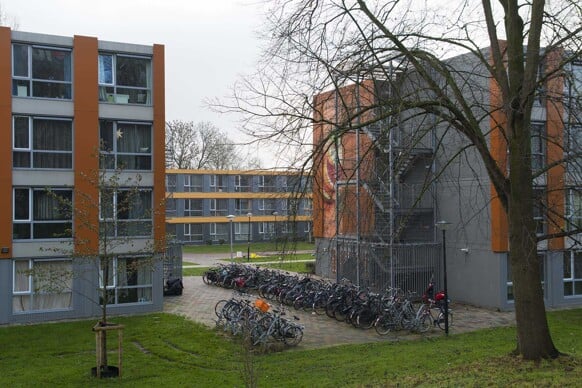
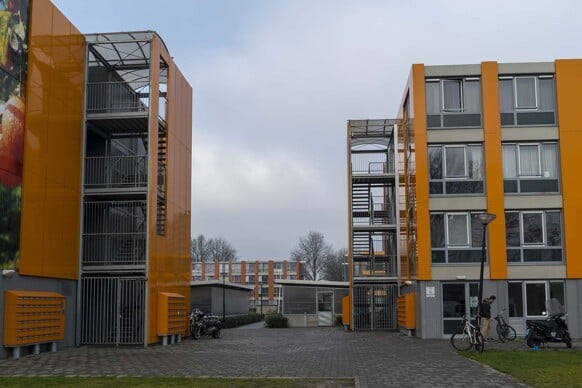
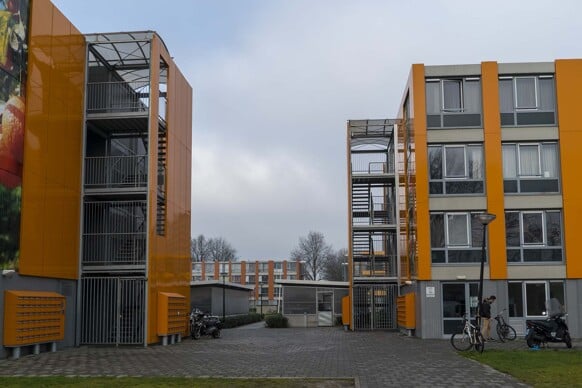
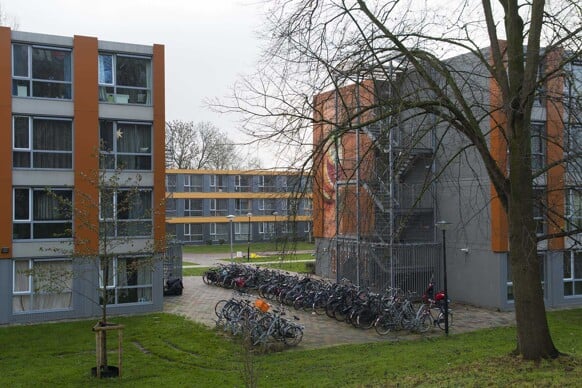
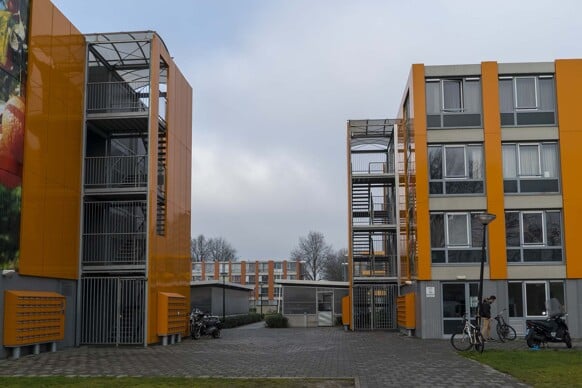
D-buurt is part of Amsterdam-Zuidoost and was built as part of the Bijlmermeer, the large-scale urban expansion project from the 1960s and 1970s. After the major renovation around the turn of the century, a large part of the original honeycomb flats were demolished and replaced by new construction. What you now find is a mix of modern mid-rise buildings, student complexes and a few remaining high-rise blocks. The character is young and international: of the 2,350 residents, more than half are between 15 and 25 years old, and 1,655 households are single-person households. Only 5% are married. This is quintessentially a student neighbourhood.
The atmosphere is therefore informal and lively, but not noisy. Resident JRP describes it as a "student district" with a "safe atmosphere" and "easy accessibility to the rest of the country". Gabriel calls the neighbourhood "unexpectedly good", "very cosy and lots of nature". And that nature is real: the Nelson Mandelapark is within walking distance and offers greenery, water features and walking paths. The resident score for green space is therefore a 7.5.
Facilities in D-buurt
For daily shopping you hardly need to leave the neighbourhood. In the nearby Amsterdamse Poort shopping centre, one of the largest covered shopping centres in Amsterdam, you will find Albert Heijn, Lidl, Kruidvat and dozens of specialist shops. That is a five-minute walk away. Residents give facilities an 8.0. For education, residents score a 7.5: there are primary schools in the immediate vicinity and the ROC of Amsterdam and the Amsterdam University of Applied Sciences have branches in Zuidoost. Sports facilities are available via Sportcentrum Zuidoost and various football pitches and outdoor sports areas in the park. GP practices and a pharmacy are present in the neighbourhood itself.
Accessibility from D-buurt
Accessibility scores an 8.0 from residents, and rightly so. Kraaiennest metro station (lines 53/54) is within walking distance and takes you to Amsterdam Central in about 15 minutes. Amsterdam Bijlmer ArenA station can be reached by bike or bus in five to ten minutes, with direct intercity trains to Utrecht, Eindhoven and Schiphol. By car you are quickly on the A2 and A9. Cycling to the city centre takes about 30 to 35 minutes. Parking is still relatively easy in parts of the neighbourhood compared to inner-city Amsterdam, although parking pressure is increasing. More information about parking permits can be found on the website of the municipality of Amsterdam.
Compared to neighbouring neighbourhoods, D-buurt is the most pronounced student neighbourhood. The F-buurt has a slightly more mixed population with more families, while Amsterdamse Poort is more commercial due to the shopping centre. Vogeltjeswei is quieter and greener. Want to see all the ratings and neighbourhood data? Then go to the neighbourhood page of D-buurt for reviews and district figures.
Is D-buurt right for you as a tenant?
Are you a student or young professional looking for an affordable apartment to rent in D-buurt? Then this is a logical place to start. Rental prices are below the Amsterdam average, public transport connections are strong and facilities are close by. The average income in the neighbourhood is €16,200, which fits the student profile. The labour participation rate is 55%. Keep in mind that social housing has long waiting lists; register in time with WoningNet. For the free sector: respond quickly, because with 46 rented homes in a year, supply is limited. Prepare your documents (employer's statement, payslip, ID). Would you rather buy something? Then check the scarce supply of homes for sale in D-buurt, although at 1% owner-occupied homes it is minimal.
What residents say about renting in D-buurt
D-buurt receives a 7.2 out of 10 from residents based on 2 reviews. Accessibility and facilities score highest (both 8.0), while beauty (6.0) and housing (6.5) are the lowest sub-scores. Resident Gabriel sums it up: "Unexpectedly good. Very cosy and lots of nature." The neighbourhood is not the prettiest in Amsterdam and the homes are functional, but the combination of accessibility, affordability and greenery makes it attractive for many tenants. Read all experiences on the review page of D-buurt.
Compare rental homes in D-buurt with surrounding neighbourhoods
Want to know if renting a home in D-buurt is the right choice? Then compare with the surroundings. In the wider district you can also look at the rental supply in Amsterdamse Poort en omgeving, where the WOZ value and income level are higher. If you are looking for a completely different character, then districts like the Jordaan or Haarlemmerbuurt are popular, but expect significantly higher rental prices. Buurtje.nl combines neighbourhood scores, resident reviews and data from more than 1,500 sources so you can compare neighbourhoods side by side before deciding where to search for a rental.
Frequently asked questions
What is the average rent in D-buurt, Amsterdam?
The average rent in the free sector in D-buurt is €1,088 per month, with a range from €679 to €1,300. With an average area of 62 m², this amounts to approximately €17.55 per m². Social housing through housing associations is cheaper but has long waiting lists.
Are there social housing units in D-buurt?
Yes, approximately 24% of homes in D-buurt are owned by housing associations. To qualify for social housing, you must register with WoningNet. Waiting times in Amsterdam-Zuidoost can run up to several years, so early registration is important.
What is it like to live in D-buurt?
D-buurt is a young, international student neighbourhood in Amsterdam-Zuidoost. Residents give the neighbourhood a 7.2 out of 10 and particularly appreciate the accessibility (8.0) and amenities (8.0). It is a compact neighbourhood with plenty of green space nearby and an informal atmosphere.
Is D-buurt suitable for students?
D-buurt is quintessentially a student neighbourhood. Over half of the residents are between 15 and 25 years old, and 1,655 of the households are single-person households. Rents are below the Amsterdam average, and Kraaiennest metro station provides quick connections to the rest of the city.
How accessible is D-buurt?
Kraaiennest metro station is within walking distance and takes you to Amsterdam Central in about 15 minutes. Bijlmer ArenA station is nearby for intercity trains to Schiphol, Utrecht and Eindhoven. By car, you are quickly on the A2 and A9. Cycling to the city centre takes about 30 to 35 minutes.
What amenities are there in D-buurt?
Amsterdamse Poort shopping centre is a five-minute walk away, with supermarkets, shops and eateries. There are primary schools in the area, sports facilities at Sportcentrum Zuidoost and green space in Nelson Mandelapark. Residents rate the amenities at 8.0 out of 10.
How quickly are rental homes let in D-buurt?
In the past twelve months, 46 homes were rented out in the free sector in D-buurt. Supply is limited, so renting a home in D-buurt requires speed. Prepare documents such as an employer's statement and payslip in advance and respond immediately when something becomes available.
Lively atmosphere with sufficient facilities and easy accessibility to the rest of the country.
Auto-translated to English by AIVery cosy and lots of nature
Auto-translated to English by AI