Rental homes in IJplein/Vogelbuurt, Amsterdam
Discover rental properties in IJplein/Vogelbuurt: a green, well-connected Amsterdam neighbourhood with a strong community. View the current listings on this page.
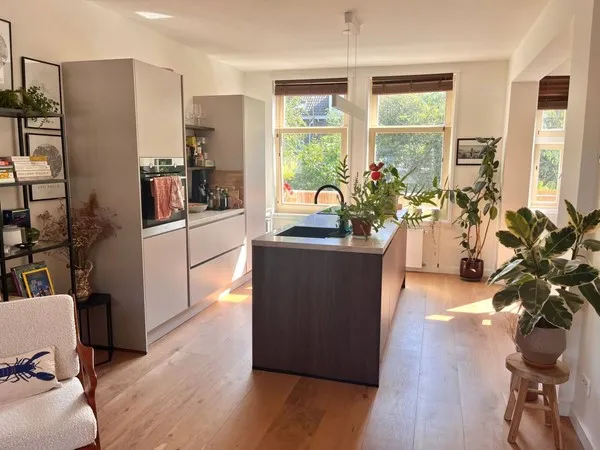
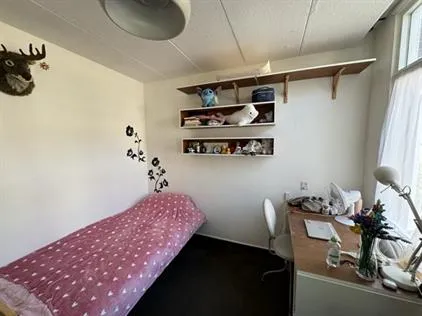

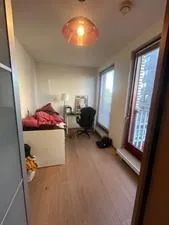

Renting in IJplein/Vogelbuurt: social housing dominates, private sector is scarce
IJplein/Vogelbuurt is quintessentially a rental neighbourhood. As much as 80% of the housing stock consists of rental properties, 71% of which are owned by housing associations. This makes the private sector here relatively small. In the past twelve months, 35 private-sector homes were rented out, with an average rent of €1,909 per month and a range of €750 to €3,000 per month. The average floor area was 95 m². These are annual averages for the private sector, excluding social housing. For the current state of supply, you can consult the overview at the top of this page.
The average WOZ value in the neighbourhood is €422,000, which is significantly lower than the Amsterdam average of €517,000. This reflects the large share of housing association properties. Anyone looking for a rental home outside the social sector has less choice here than in many other Amsterdam neighbourhoods. Considering buying as well? Then check out the supply of homes for sale in IJplein/Vogelbuurt as an alternative.
Green spaces, community spirit and a critical note on housing quality
IJplein/Vogelbuurt scores a 7.8 on Buurtje.nl, based on resident experiences. Reading through the reviews on the neighbourhood page of IJplein/Vogelbuurt, a consistent picture emerges: residents are enthusiastic about the greenery and accessibility, but critical of housing quality. Accessibility even scores a 9.0 and greenery a 9.2, which is high for an urban neighbourhood in Amsterdam. Safety (8.2) and amenities (8.2) are also rated positively.
Manuela describes the neighbourhood as "a cosy spot where everyone knows each other", with an annual neighbourhood party to which all residents are invited. That sense of community recurs in several reviews. Imane calls it "a nice neighbourhood with lots of contact with neighbours and beautiful greenery", and Cynthia confirms it is a pleasant, easily accessible environment. This social cohesion is striking for an urban neighbourhood with over 7,800 residents.
Yet not everything is rosy. Another resident writes candidly that her home is "worthless": years of leakage in the bedroom, a balcony on stilts, no double glazing, and a housing association that does not take action. The housing score of 5.5 is therefore the lowest sub-score of the neighbourhood, and that is no coincidence. Anyone considering renting an apartment in IJplein/Vogelbuurt through a housing association would be wise to check the state of maintenance thoroughly in advance. The neighbourhood itself is nice; housing quality varies greatly. The sub-neighbourhoods Vogelbuurt-Noord and Vogelbuurt-Zuid each have their own character, as does the greener Vliegenbos on the north side of the neighbourhood.
Renting in IJplein/Vogelbuurt: who is this suitable for, and who is it not?
The neighbourhood mainly attracts young families and people between 25 and 45 years old, the largest age group with over 2,600 residents. The average income is €30,900, significantly lower than the Amsterdam average of €44,276. Renting in IJplein/Vogelbuurt is therefore less suitable for those looking for a wide range of private-sector options or who have higher demands on housing quality without being dependent on a housing association. For those specifically looking for an affordable social rental home in a green, well-connected neighbourhood with a strong community, this is a serious option. Those wanting more choice in the private sector could also look at the Haarlemmerbuurt or the Jordaan.
Searching for rental homes in IJplein/Vogelbuurt and surroundings
Via Buurtje.nl you will find an up-to-date overview of rental properties in IJplein/Vogelbuurt, including filters on price, floor area and energy label. Want to broaden your search area? Also check what is available for rent in IJplein and surroundings, or explore the broader supply of rental homes in Amsterdam. For those who prefer a more urban lifestyle, neighbourhoods like Grachtengordel-West are worth comparing. The municipality of Amsterdam also provides information about social housing and registration with housing associations via amsterdam.nl.
Frequently asked questions
What is the average cost of a rental home in IJplein/Vogelbuurt?
In the private sector, an average of €1,909 per month was paid for a rental home in IJplein/Vogelbuurt over the past year, with an average floor area of 95 m². Rental prices ranged from €750 to €3,000 per month. These figures exclude social housing. The majority of homes in the neighbourhood fall under social housing via a housing association.
How long is the waiting time for social housing in IJplein/Vogelbuurt?
For a social rental home in IJplein/Vogelbuurt, you must register with WoningNet Amsterdam. Waiting times in Amsterdam typically run up to several years, depending on the type of home and location. Up-to-date information about registration and waiting times can be found on the website of the municipality of Amsterdam (amsterdam.nl).
Is IJplein/Vogelbuurt a safe neighbourhood to rent a home?
Residents rate safety in IJplein/Vogelbuurt at 8.2 out of 10, which is relatively high. The overall resident score is 7.8. Residents describe the neighbourhood as pleasant and quiet, with plenty of neighbourly contact. As in any urban neighbourhood, the experience may vary from street to street.
How is the accessibility when renting a home in IJplein/Vogelbuurt?
Accessibility is one of the neighbourhood's strongest points: residents give it a 9.0. The neighbourhood is located directly north of the IJ and is well connected to Amsterdam city centre via the ferry and public transport. Several residents explicitly mention accessibility as a reason to continue living here.
What are the energy costs when renting an apartment in IJplein/Vogelbuurt?
The average electricity consumption in IJplein/Vogelbuurt is 1,750 kWh per year and gas consumption is 820 m³. That is relatively modest, but older housing association homes in the neighbourhood do not always have double glazing or good insulation, which can drive up heating costs in winter. Always ask about the energy label when viewing a rental home.
Nice area, easily accessible, pleasant surroundings
Auto-translated to English by AII live on a street where nobody watches out for each other, but it's clean and has a lot of greenery, only my house is worthless. I've had a leak in my bedroom for years, the balcony has been on steel pillars for 8 years, no double glazing, very hot in summer and freezing cold in winter. And the housing association does nothing.
Auto-translated to English by AINice neighbourhood where everyone knows each other and has a strong bond with each other, which is why every year we celebrate a party to which everyone from the neighbourhood is invited. It's very pleasant living here
Auto-translated to English by AINice neighbourhood, lots of contact with neighbours. Beautiful green spaces
Auto-translated to English by AI