Rental homes in Leesten, Zutphen
Looking for a rental property in Leesten? Check the current listings here, including price history and honest reviews from residents. Find out what's available in this green neighbourhood of Zutphen.
Scarcity and firm prices: the rental market in Leesten
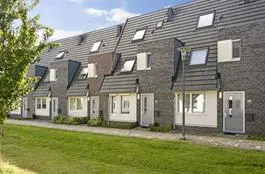
If you are looking for a rental home in Leesten, you must be prepared for a challenging search. This neighbourhood in the southeast of Zutphen is primarily an owner-occupied area. The figures speak for themselves: no less than 82% of homes are owner-occupied. Only 18% of the housing stock consists of rental properties, and the vast majority of that (14%) is owned by housing associations. The private sector, which private individuals often rely on, accounts for a meagre 5% of the market. This is immediately reflected in the supply and prices.
The average WOZ value in Leesten, at €370,000, is significantly higher than the municipal average for Zutphen (€311,000). This translates into hefty rental prices in the private sector. Data from the past 12 months shows that there is hardly any turnover: only 5 changes were recorded in this segment. The average rent came to €1,716 per month, with outliers ranging from €1,360 to as much as €2,500 per month. You often get plenty of space in return; the rented homes averaged 198m² in size. For current daily prices and availability, it is best to consult the dynamic list at the top of this page, as the situation changes rapidly.
Green and accessible, but with a user manual
Living in Leesten means choosing space and greenery, but how do residents experience the atmosphere in the neighbourhood? On Buurtje.nl, the neighbourhood scores an overall 7.8, but when we zoom in on the sub-scores, something stands out. While accessibility and greenery both score a beautiful 9.0, the score for 'community' remains stuck at 5.3. That is remarkably low for a neighbourhood where many families live. The picture that emerges from the reviews is of a neighbourhood where people live close together but still largely live alongside each other.
One resident, K.H., describes it aptly in a review (7.7/10): "People are always curious when something happens; you often see them watching from their gardens." According to this resident, there are a handful of nice people, but there are also neighbours who "complain about everything." The conclusion is clear: "Everyone pretty much keeps to themselves." This fits the image of a quiet neighbourhood where social control sometimes turns into curiosity, without there being a close bond. Kaitlynn Hofland (7.0/10) notes that it is "quite cosy now," despite some problems in the past. For more in-depth stories and all reviews, we refer you to the Leesten neighbourhood page, where you can get a more complete picture of the social dynamics.
In terms of layout, the neighbourhood is diverse. You will find various sub-areas, each with its own character. For example, there is the development in Ooyerhoek, which is often spacious. If you are looking for something that leans more towards the countryside, Looërenk en Woud is an option to keep an eye on, although the rental supply there is minimal. In De Enk and the Eme en Broek area, single-family homes also dominate. Accessibility is highly valued by residents; you are quickly on the main roads and amenities are never far away. For those who truly want to live rurally, the Vespreide huizen Leesten are a dream, but something rarely becomes available for rent here.
Does Leesten's price tag suit you?
Given the rental prices and property sizes, renting a home in Leesten is not for everyone. The neighbourhood mainly attracts households with above-average incomes; the average income here is €38,900, which is considerably higher than in the rest of the municipality. The largest group of residents falls in the 45-65 age category, and 43% of residents are married. It is par excellence a place for families with growing children who seek space and are willing to pay for it. For starters or single people, renting an apartment in Leesten is often not feasible due to the lack of supply in the lower segment. Is your budget more limited? Then you might have more luck in het Waterkwartier or the Zuidwijken. If renting in the private sector here does not work out, it is often worth looking at owner-occupied homes in Leesten, as monthly costs for buying can sometimes be more favourable than the high rental prices.
Find your way through the limited supply
Because the number of available rental homes in this area is so low, speed is essential. Buurtje.nl helps you by bringing together supply from various sources. See nothing above? Then broaden your search to neighbouring Warnsveld or check what is available in Noordveen. Sometimes moving to Centrum - De Hoven can yield that one nice apartment. For general information about permits and regulations, you can visit the website of the municipality of Zutphen.
Frequently asked questions
What is the average rent for a home in Leesten?
In the past 12 months, the average rent in the private sector was €1,716 per month. Prices roughly ranged between €1,360 and €2,500, depending on the size and luxury of the home.
Is there a lot of supply if I want to rent a house in Leesten?
No, supply is very limited. Leesten is 82% owner-occupied. Only 5% of homes are in the private rental sector, resulting in very few turnovers per year.
What type of rental homes are mainly found in this neighbourhood?
Supply mainly consists of spacious single-family homes. The average size of rented homes in the past year was as much as 198m², indicating that these are mostly large houses.
How family-friendly is renting in Leesten?
The neighbourhood is very suitable for families, with plenty of green space (score 9.0) and safe play areas (safety score 7.7). Most households in the neighbourhood (1,625) have children.
Can I easily find a social rental home here?
About 14% of homes are owned by housing associations. Although this is more than in the private sector, waiting lists for renting a social home in the municipality of Zutphen are often long. Registration with the regional housing association is necessary.
People are always curious when something happens; you often see them watching from their gardens. There are a handful of nice people, but also a few who complain about everything and are quite mean about it. I don't know most people. Everyone mostly keeps to themselves.
Auto-translated to English by AIIt's cosy now, but I've had a number of problems in the past. Still some now.
Auto-translated to English by AILots of green, easily accessible, not too busy. Downside: increasingly fewer nice neighbours
Auto-translated to English by AI