Rental homes in Noordelijke IJ-oevers-West, Amsterdam
View the current rental property offerings in Noordelijke IJ-oevers-West. Compare prices, read resident reviews, and find a home that suits you.


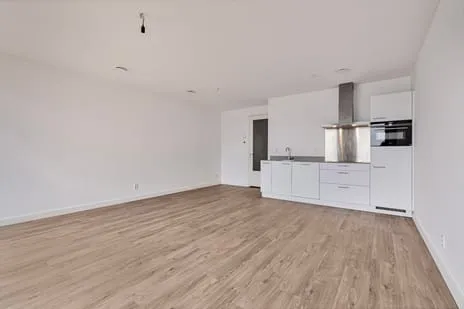
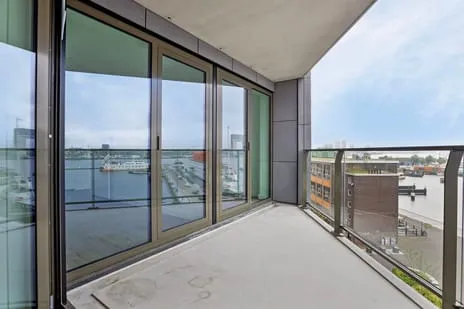
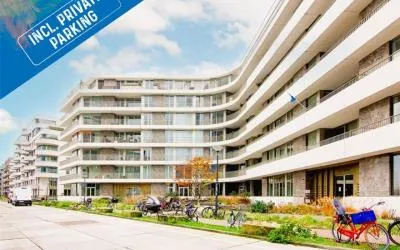
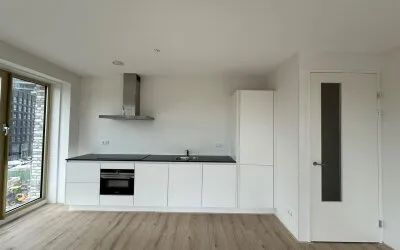

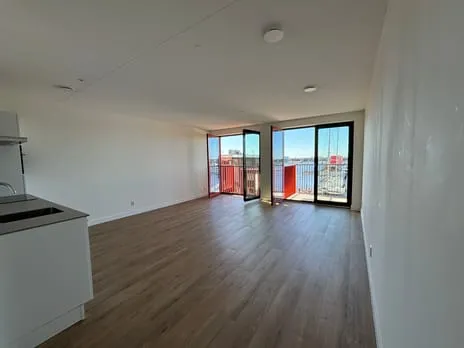
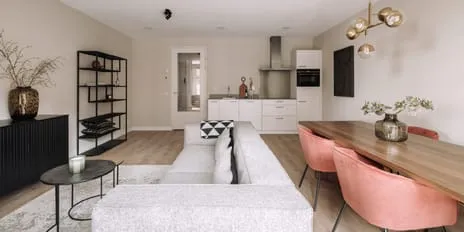
What does renting cost in Noordelijke IJ-oevers-West?
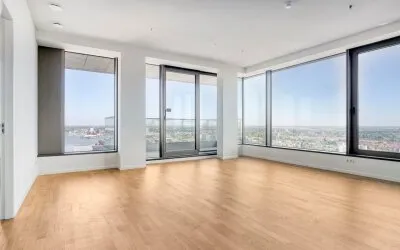
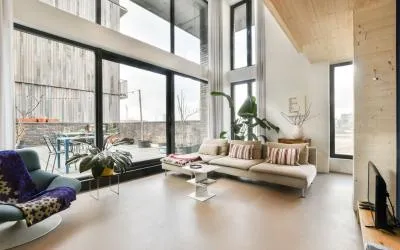
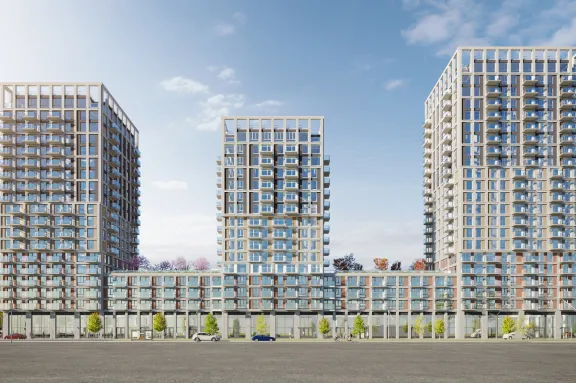
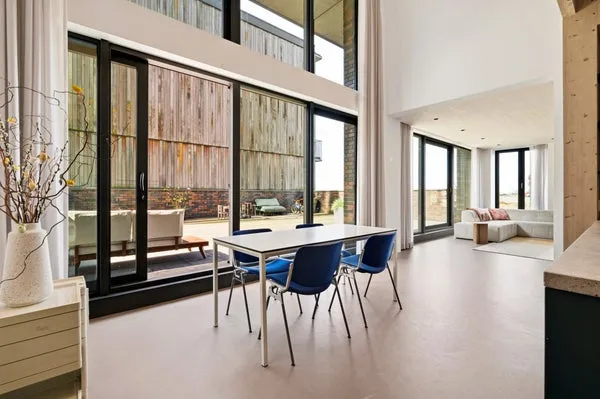
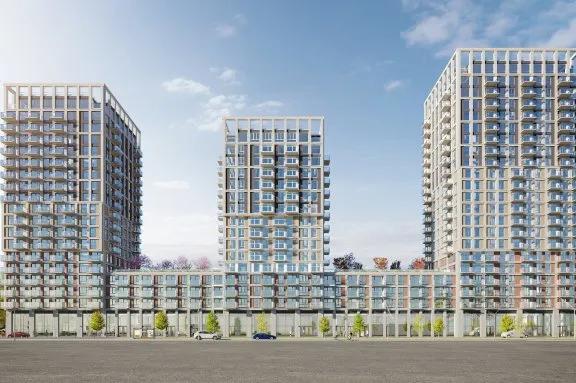
In Noordelijke IJ-oevers-West, renting is the norm: no less than 79% of the more than 5,750 homes are rental properties. Notably, the largest share (57%) is owned by private and commercial landlords, while only 22% is housing association stock. This makes the free sector dominant here. Over the past twelve months, 653 homes were rented out in the free sector, at an average rent of €2,290 per month. The range is wide: from around €695 for smaller apartments to €10,000 for the most spacious homes, with an average floor area of 109 m². That is steep, but fits the profile of this relatively new neighbourhood. The average WOZ value is €462,000, which is below the Amsterdam average of €517,000. The average income of €52,000, on the other hand, is well above the municipal average of €44,276. Want to know what is available today? Scroll to the current overview at the top of this page.
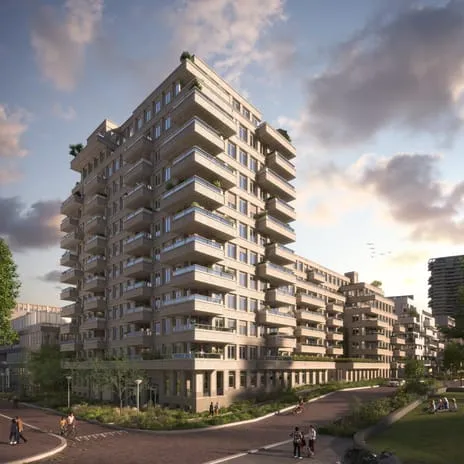
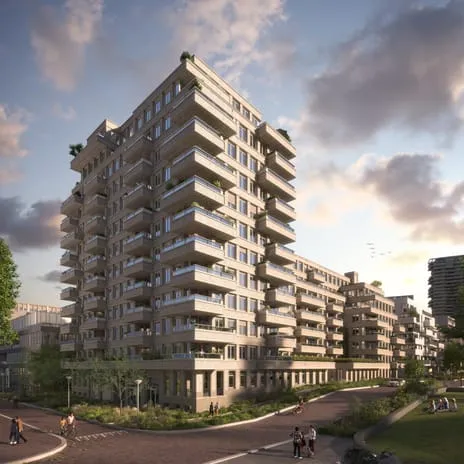
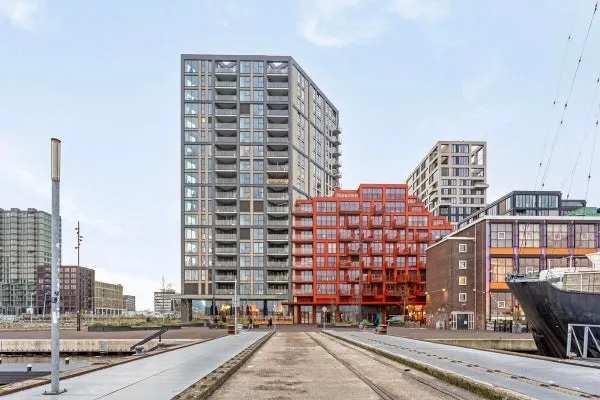
Young, new-build and a bit of a pioneer feel: living on the IJ banks
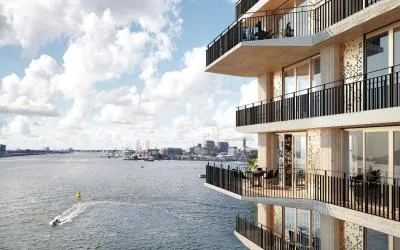
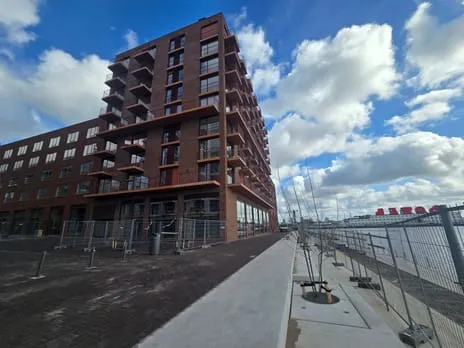
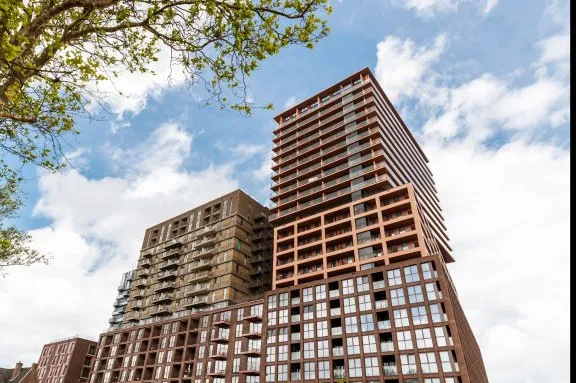
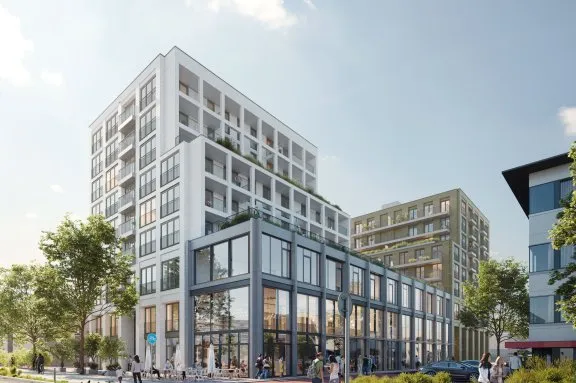
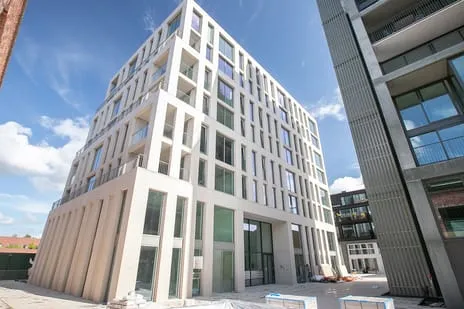
Noordelijke IJ-oevers-West is not your average Amsterdam neighbourhood. No canal houses or pre-war buildings here, but sleek new-build complexes, creative breeding grounds around the NDSM-terrein and a population that is strikingly young: nearly 60% of the 10,435 residents are between 25 and 45 years old. You can feel it in the atmosphere. There is a lot of cycling, young families with buggies on the streets and social cohesion is surprisingly high for such a new neighbourhood. Residents give the neighbourhood a 7.8 out of 10 on Buurtje.nl, with notably high scores for safety (8.8) and sense of community (8.4).
Resident John de Weij, who lives on Hetty Blokstraat, describes it aptly: "I have been living here for 2 years now and think it is a great neighbourhood, with nice people and beautiful energy-efficient homes." He does mention that public transport connections are not yet optimal, but expects this to improve as the neighbourhood continues to grow. Other residents recognise this. Accessibility scores a 7.6, which is modest by Amsterdam standards. The ferry to the city centre is an adventure in itself, but those reliant on bus or tram notice that the network is still developing.
Another frequently heard point: amenities score the lowest at 6.6. Resident Louis notes that "the nearest supermarket is so small and doesn't have everything" and that "you still have to take the bike to cycle 7 minutes" for a larger supermarket. That is the downside of a neighbourhood that is still under construction. At the same time, neighbourhoods like Overhoeks and Buiksloterham-Zuid offer an increasing number of restaurants and shops. On the neighbourhood page of Noordelijke IJ-oevers-West you can read all resident reviews and find extensive neighbourhood data. Those looking for greenery will find it mainly along the IJ and in the smaller parks, although the neighbourhood scores a 7.0 on that point. More information about the area development can be found on the website of the municipality of Amsterdam.
Renting on the IJ banks: for whom and for whom not?
With 65% highly educated, a young population profile and relatively high incomes, this neighbourhood mainly attracts working twenty- and thirty-somethings who want to rent a modern apartment in Noordelijke IJ-oevers-West. Young families also feel at home here, although the supply of schools and childcare facilities is still limited. If you are looking for a vibrant nightlife or extensive shopping streets around the corner, you are better off in the Jordaan or the Haarlemmerbuurt. With an average free sector rent of €2,290 per month, a rental home here is also not within everyone's budget. Prefer to buy? Then check out the supply of homes for sale in Noordelijke IJ-oevers-West, where WOZ values are below the Amsterdam average.
Searching for rental homes in Noordelijke IJ-oevers-West
On Buurtje.nl you will find the current supply of rental homes in Noordelijke IJ-oevers-West, including filters on price, floor area and energy label. Compare neighbourhood scores, read resident experiences and discover if this neighbourhood suits you. Also take a look at rental homes in neighbourhoods like de Klaprozenbuurt or view the broader supply of rental homes in Amsterdam.
Frequently asked questions
What is the average rent for a rental home in Noordelijke IJ-oevers-West?
In the free sector, the average rent over the past year was €2,290 per month, with an average floor area of 109 m². The range runs from approximately €695 to €10,000 per month. Social housing is excluded. About 22% of homes are owned by housing corporations.
Is Noordelijke IJ-oevers-West a safe neighbourhood to rent a home?
Residents rate safety at 8.8 out of 10 on Buurtje.nl, which is remarkably high for an Amsterdam district. The area largely consists of new-build homes with well-lit streets. It is a quiet, young neighbourhood where many families live.
How is the accessibility when renting a home in Noordelijke IJ-oevers-West?
Accessibility scores a 7.6 among residents. The ferry across the IJ takes you quickly to the city centre, but the bus network is still developing. Residents indicate that public transport connections are not yet optimal but expect improvement as the neighbourhood grows. By bike, you can reach Amsterdam Central Station in about 10 minutes.
Are there sufficient amenities when looking for a rental home in Noordelijke IJ-oevers-West?
Amenities score the lowest at 6.6 among residents. Several residents mention that there is no large supermarket in the immediate vicinity and that you need to cycle about 7 minutes to reach one. The neighbourhood is still under development, so the range of shops and restaurants is steadily growing.
Who is renting an apartment in Noordelijke IJ-oevers-West suitable for?
The neighbourhood mainly attracts young professionals and starters aged 25 to 45. About 65% of residents are highly educated, and the average income (€52,000) is above the Amsterdam average. Young families also feel at home, although the supply of schools is still limited. For those seeking a vibrant nightlife, more centrally located neighbourhoods are a better choice.
It's a very nice neighbourhood, just a shame that the nearest supermarket is so small and therefore doesn't have everything.
Auto-translated to English by AIIt's a nice neighbourhood to grow up in, but it's a shame there's no large supermarket nearby; you have to take your bike for that, about a 7-minute ride.
Auto-translated to English by AII've been living on Hetty Blokstraat for 2 years now. And I think it's a great neighbourhood. With nice people and beautiful energy-efficient houses. The public transport connections are unfortunately not great. But since this is a new district, I think that will change. I think it's a super nice neighbourhood and I don't think I'll ever leave this neighbourhood.
Auto-translated to English by AII've been living here for 2 years now and I'm very happy with the neighbourhood.
Auto-translated to English by AIIn my opinion, Overhoeks is a beautiful, quiet neighbourhood. It's convenient that you can be in the heart of Amsterdam within 10 minutes without having to deal with the hustle and bustle of the centre. There is a calm and safe atmosphere. The only downside is that there are still some shops missing. There is only one small Albert Heijn.
Auto-translated to English by AI