Homes for sale in Aart van der Leeuwbuurt, Delft
Check the current supply of homes for sale in Aart van der Leeuwbuurt and discover what this Delft neighbourhood has to offer for buyers.

House prices and market figures for Aart van der Leeuwbuurt, Delft
Aart van der Leeuwbuurt is a predominantly mixed neighbourhood when it comes to renting and buying: 48% of the housing stock consists of owner-occupied homes, the remaining 52% are rental properties, a third of which are owned by a housing association. The average WOZ value is €264,000, which is higher than the district average of Voorhof (€246,000), but clearly below the Delft average of €322,000. This difference indicates that you are relatively affordable here by Delft standards, but certainly not in the cheapest segment of the city.
In the past twelve months, 16 homes changed ownership in this neighbourhood. The average purchase price was €372,406, with a range between €310,000 and €425,000. With an average living area of 102 m², this works out to a price per m² of approximately €3,650. These are not starter prices, but for a neighbourhood in Delft with this level of amenities, the prices are realistic. Current asking prices and selling times can be found at the top of this page in the live overview. The housing stock mainly consists of maisonette apartments and single-family homes from the 1960s and 1970s, which gives the neighbourhood its recognisable post-war character.
Living in Aart van der Leeuwbuurt, Delft
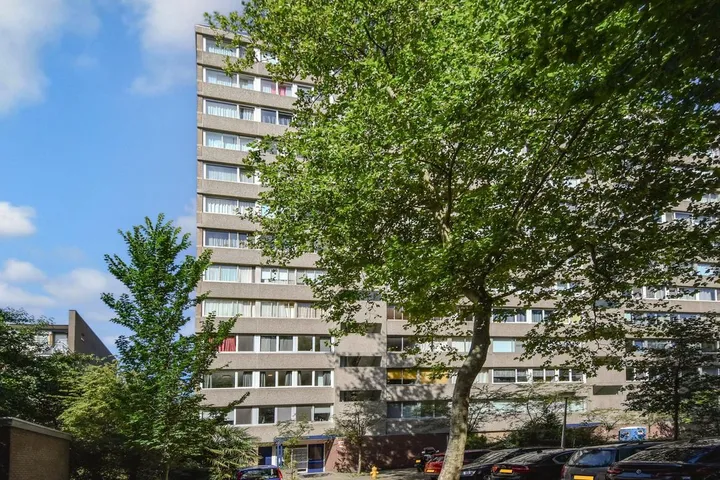
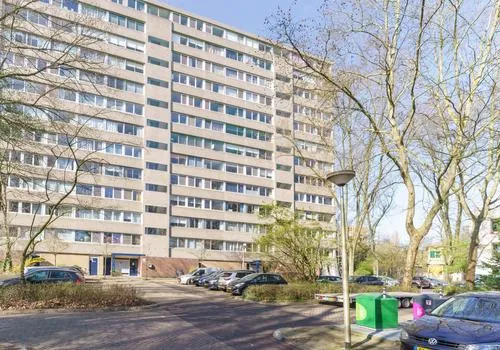
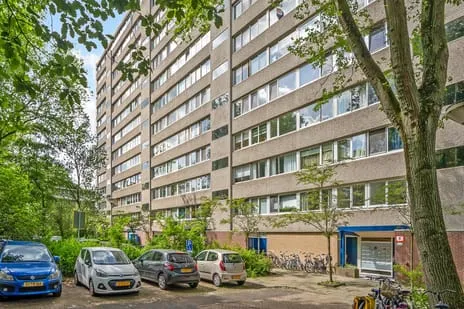
Aart van der Leeuwbuurt is part of the Voorhof district, a part of the city that Delft built in the 1960s to house its growing population. This origin is still clearly visible: straight streets, maisonette flats and terraced houses from that period dominate the streetscape. The neighbourhood is named after the Dutch writer Aart van der Leeuw, just like surrounding neighbourhoods such as Mythologiebuurt and Roland Holstbuurt, all of which bear names from Dutch literature and mythology.
Daily life in the neighbourhood revolves largely around the nearby Voorhof shopping centre, within walking distance. There you will find a supermarket, a pharmacy, a GP practice and a number of smaller shops. For a larger selection, Delft city centre is easily accessible. By bike you can reach the Markt in about ten to fifteen minutes, a distance that many residents cover daily. By bus, line 40 (towards Delft station) connects the neighbourhood with the city centre and the train station, from where you can quickly head to The Hague or Rotterdam. Motorists have a quick connection to the A13 via the Brasserskade and the N470 provincial road.
Green space is present, albeit modest. Wilhelminapark is within cycling distance and offers space for a walk or an afternoon outdoors. Within the neighbourhood itself, there are smaller strips of parkland and playgrounds, but you should not expect extensive green areas. Residents give green space a 7 out of 10, which is an acceptable score for an urban post-war neighbourhood.
The atmosphere is quiet and everyday. This is not a hip city district with trendy eateries, but a neighbourhood where people simply live, do their shopping and take their children to school. Primary schools in and around the neighbourhood serve the younger residents, although the resident score for education is relatively low at 5. The choice of schools outside the immediate neighbourhood may play a role in this. Safety also scores a 5, which is fair: the neighbourhood is not unsafe, but neither is it the quietest in Delft. That fits the urban character of Voorhof as a whole.
The community score of 8 is remarkably high and suggests that residents know each other and there is a certain social cohesion. This fits a neighbourhood with many single-person households (475 out of 564 homes) and a large group of over-65s (410 out of 1,055 residents). It is a neighbourhood that has existed for decades and where people stay for a long time. Resident Rostyk sums it up succinctly as: "Not so good, not so bad." An honest summary of a neighbourhood that does what it needs to do, without pretension. More resident experiences and neighbourhood data can be found on the page for Aart van der Leeuwbuurt.
Compared to Poptahof-Noord or Voorhof-Hoogbouw, Aart van der Leeuwbuurt has a slightly quieter, more ground-based character, although there are also apartment buildings here. The Voorhof district as a whole is known as a functional, affordable city district without the allure of the Binnenstad or Voordijkshoorn.
Who would be interested in buying a home in Aart van der Leeuwbuurt?
Based on the demographic data, this is a neighbourhood that suits people who are looking for peace, do not necessarily need a trendy environment and value affordability within Delft. Seniors who want to downsize but stay in the city will find apartments and maisonette flats suitable for this purpose. Also, movers with a limited budget who want to buy in Delft and find the Binnenstad too expensive can find a home here in the range of €310,000 to €425,000. First-time buyers with sufficient equity can buy an apartment here in Aart van der Leeuwbuurt, although prices are not low. Supply is limited: only 16 homes were sold in the past year, so anyone wanting to buy in Aart van der Leeuwbuurt would do well to be alert to new listings. If you prefer to rent first, you will find an overview on the page for rental properties in Aart van der Leeuwbuurt.
What residents say about Aart van der Leeuwbuurt
The neighbourhood receives an overall score of 6.0 out of 10, based on resident reviews. The highest sub-score is for community (8), indicating that social cohesion is appreciated. Green space scores a 7. Safety, beauty and education each score a 5, revealing the less strong aspects of the neighbourhood. Resident Rostyk sums it up as: "Not so good, not so bad." That may not be a glowing report, but it is honest. You can view all reviews and sub-scores on the neighbourhood page for Aart van der Leeuwbuurt.
Comparing homes for sale in and around Aart van der Leeuwbuurt
Buurtje.nl combines current property listings from more than 1,500 sources with resident reviews and neighbourhood data, so you not only find a home but also understand what you are buying and where you are moving to. In addition to homes for sale in Aart van der Leeuwbuurt, also check out the listings in surrounding neighbourhoods such as Mythologiebuurt or Roland Holstbuurt, or broaden your search area to homes for sale in Voorhof as a whole. For a complete picture of the Delft housing market, including districts such as Binnenstad and Voordijkshoorn, go to the overview of homes for sale in Delft. More information about the municipality can also be found on the website of the municipality of Delft.
Frequently asked questions
What is the cost of a home in Aart van der Leeuwbuurt?
In the past twelve months, the average purchase price in Aart van der Leeuwbuurt was €372,406. The range was from €310,000 to €425,000. With an average living area of 102 m², you pay approximately €3,650 per square metre. Supply is limited: 16 homes were sold in the past year.
What is the WOZ value in Aart van der Leeuwbuurt?
The average WOZ value in Aart van der Leeuwbuurt is €264,000. This is higher than the district average of Voorhof (€246,000), but clearly below the municipal average of Delft (€322,000). The neighbourhood is therefore relatively affordable by Delft standards, although actual transaction prices are higher than the WOZ value.
What is living in Aart van der Leeuwbuurt like?
Aart van der Leeuwbuurt is a quiet, post-war urban neighbourhood with porch flats and terraced houses from the 1960s. The atmosphere is everyday and functional, without pretension. Residents appreciate the social cohesion (community score 8) and greenery (7), but give safety and beauty a 5. The overall resident score is 6.0 out of 10.
Is Aart van der Leeuwbuurt suitable for seniors?
The neighbourhood has a large group of over-65s (410 out of 1,055 residents) and many single-person households, indicating that seniors have lived here for a long time and feel at home. Suitable apartments and porch flats are available. Amenities such as a GP practice and supermarket are within walking distance, and public transport connects the neighbourhood well with the city centre.
How accessible is Aart van der Leeuwbuurt?
By bike, you can reach the centre of Delft in about ten to fifteen minutes. Bus line 40 connects the neighbourhood with Delft station, from where trains run to The Hague and Rotterdam. Motorists can quickly reach the A13 via the Brasserskade and the N470. Residents give accessibility a score of 6 out of 10.
What types of homes are for sale in Aart van der Leeuwbuurt?
The housing supply mainly consists of porch flats and single-family terraced houses from the 1960s and 1970s. If you want to buy an apartment in Aart van der Leeuwbuurt, you will find the most options here, although ground-level homes are also available. The average living area of sold homes in the past year was 102 m².
How safe is Aart van der Leeuwbuurt?
Residents give safety a score of 5 out of 10, indicating that the neighbourhood is not perceived as unsafe but certainly not as particularly safe. This is comparable to other post-war neighbourhoods in Voorhof. If safety is a high priority, it is wise to also compare neighbourhoods like Mythologiebuurt or Roland Holstbuurt and look at current resident experiences.
Not so good, not so bad
Auto-translated to English by AI