Homes for sale in Aziëbuurt, Delft
Discover the current supply of homes for sale in Aziëbuurt and compare prices, neighbourhood data and resident reviews directly on this page.

House prices and market figures for Aziëbuurt, Delft
Aziëbuurt is predominantly an owner-occupied neighbourhood: 69% of homes are owned, while 31% are rented. The average WOZ value is €355,000, which is clearly above the district average of Tanthof-West (€324,000) and the Delft average of €322,000. This places the neighbourhood among the more expensive segments within the municipality.
Over the past twelve months, 18 homes were sold, with an average purchase price of €534,944 and an average living area of 124 m². That works out to approximately €4,314 per square metre. The range is notably wide: from €235,000 for a smaller home to €2,600,000 at the top end, indicating that the supply ranges from affordable terraced houses to larger detached homes. The current supply, average asking price and time on market can be found at the top of this page. Anyone considering buying a home in Aziëbuurt would do well to take these current figures into account when orienting themselves, as the market here is moving.
Living in Aziëbuurt, Delft
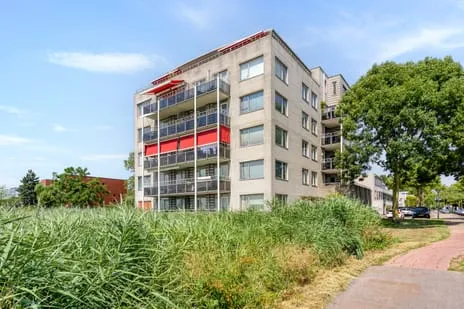
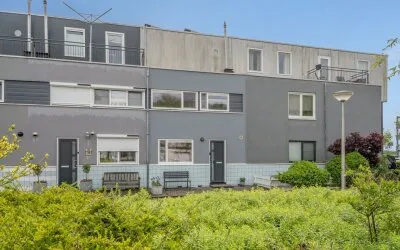
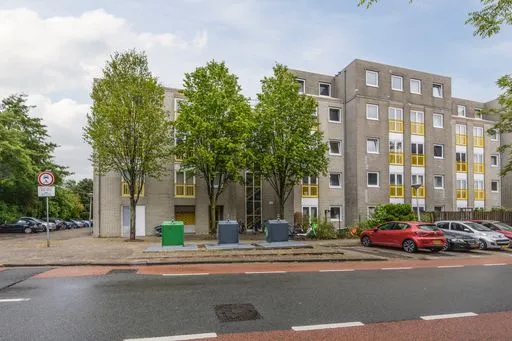
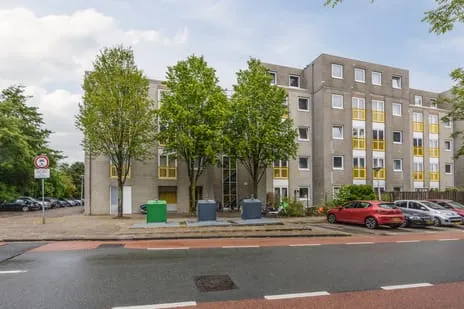
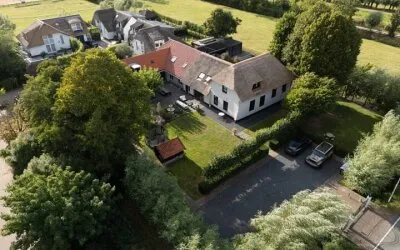
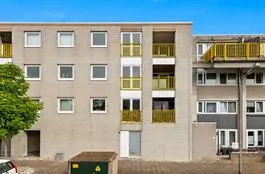
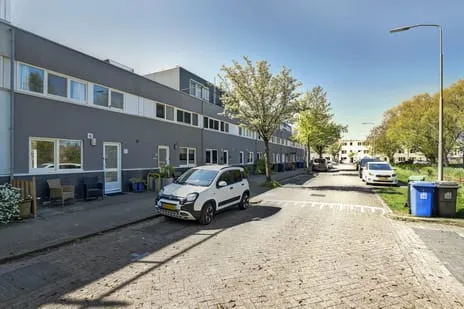
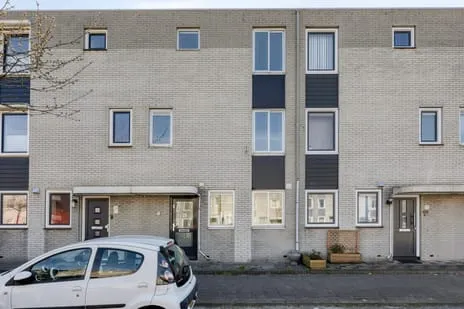
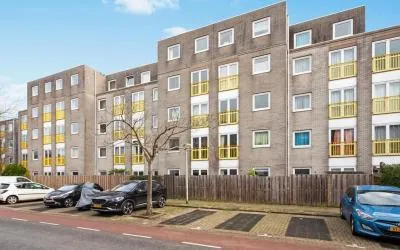
Aziëbuurt is part of the Tanthof-West district on the southwestern side of Delft. The neighbourhood was largely built in the 1970s and 1980s, which is reflected in the architecture: many semi-detached houses, terraced houses and a few detached homes, interspersed with porch flats and smaller apartment complexes. The streets are named after countries and regions in Asia, giving the neighbourhood a recognisable character compared to the adjacent Afrikabuurt-West and Afrikabuurt-Oost, which have a similar layout but are on average slightly cheaper.
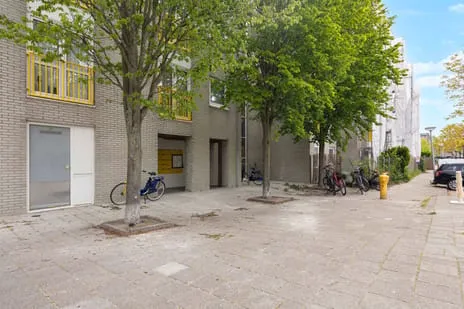
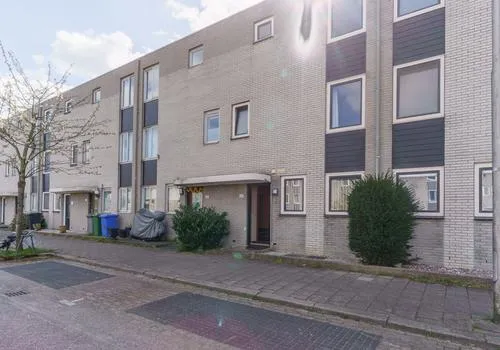
The streetscape is quiet and green. Most streets have wide pavements, front gardens and mature trees. It is not a neighbourhood with much through traffic, which contributes to the relatively peaceful atmosphere. Families and those aged 45 and over form the largest groups of residents, and you can feel it: it is not a trendy city district but a stable, residential neighbourhood where people stay for a long time.
For daily groceries, you can go to the supermarkets in or near Tanthof shopping centre, within cycling distance of most addresses in the neighbourhood. For a larger range of shops, Delft city centre is easily accessible. Primary schools in the immediate vicinity serve the families in the neighbourhood, and there are several sports fields and playgrounds in the district. Delftse Hout, a recreational area with water, walking paths and sports facilities, is a short bike ride away and is often mentioned by residents as one of the advantages of living in this part of Delft.
In terms of accessibility, Aziëbuurt is well connected. By bike, you can reach Delft city centre or Delft station in about ten to fifteen minutes. Bus line 40 and other bus services take you to the station and other parts of the city. Via the A13 (towards Rotterdam or The Hague) and the A4, you are quickly on the motorway, which also makes the neighbourhood attractive for commuters. Parking is not a problem for most homes, although it can be a bit of a search at busy times in the narrower streets.
Residents appreciate the peace, the green surroundings and the good accessibility. On the neighbourhood main page of Aziëbuurt you can read all the reviews and neighbourhood data. One resident writes: "It's nice and quiet here, the neighbours know each other and the cycle route to the centre is fine. Not the most exciting neighbourhood, but pleasant to live in." A recurring criticism is the limited local shopping facilities directly in the neighbourhood itself, for which you really need to get on your bike.
Compared to Latijns Amerikabuurt and Tanthofkadebuurt, Aziëbuurt has a slightly higher average WOZ value, which is partly related to the larger share of more spacious single-family homes.
Who is a home for sale in Aziëbuurt interesting for?
Aziëbuurt mainly appeals to movers and families who are looking for space, want peace and quiet, and at the same time want to live in a well-connected location. The average purchase price of almost €535,000 makes the neighbourhood less accessible for first-time buyers, unless they qualify for a starter loan or specifically look for smaller apartments at the lower end of the market. Seniors also feel at home in the neighbourhood, given its quiet character and the presence of ground-floor options. Those considering renting instead of buying can look at the rental homes in Aziëbuurt as an alternative. Keep in mind that the annual sales volume is limited: with 18 transactions in twelve months, the supply is not large, and popular homes sell quickly.
What residents say about Aziëbuurt
Residents describe Aziëbuurt as a quiet, family-friendly neighbourhood with strong social cohesion in the streets. High scores are given for safety and green spaces. Residents are less enthusiastic about the direct shopping facilities and nightlife, but that also fits the character of the neighbourhood. One resident sums it up succinctly: "Nice to live in, not to go out, and that's exactly what I was looking for." View all reviews and the full neighbourhood data on the overview page of Aziëbuurt.
Searching and comparing homes for sale around Aziëbuurt
On Buurtje.nl you will find homes for sale in Aziëbuurt combined with resident reviews, neighbourhood scores and district data, brought together from more than 1,500 sources. This allows you to directly weigh the housing supply against what it is really like to live in the neighbourhood. Want to broaden your search? Then also check the supply in the rest of Tanthof-West, or compare with other districts such as Vrijenban, Voordijkshoorn or Binnenstad. For a complete picture of the Delft home-buying market, you can also visit the page homes for sale in Delft. More information about the municipality can be found on the website of the municipality of Delft.
Frequently asked questions
What is the cost of a home in Aziëbuurt?
Over the past twelve months, the average purchase price in Aziëbuurt was €534,944, with an average living area of 124 m². That works out to about €4,314 per square metre. The range ran from €235,000 to €2,600,000, indicating that both affordable terraced houses and larger homes are available. The current supply and average asking price can be found at the top of the page.
What is the WOZ value in Aziëbuurt?
The average WOZ value in Aziëbuurt is €355,000. That is higher than the average for the Tanthof-West district (€324,000) and clearly above the Delft average of €322,000. The neighbourhood thus belongs to the higher segments within the municipality of Delft.
What is living in Aziëbuurt like?
Aziëbuurt is a quiet, green residential neighbourhood on the southwest side of Delft, largely built in the 1970s and 1980s. The atmosphere is calm and family-friendly, with wide streets, front gardens, and mature trees. Residents appreciate the tranquillity, social cohesion, and proximity to the Delftse Hout recreation area. The local shopping facilities directly in the neighbourhood are limited.
Is Aziëbuurt suitable for families with children?
Yes, Aziëbuurt is well suited for families. The neighbourhood has many single-family homes, primary schools in the area, playgrounds, and a quiet streetscape. The largest age group in the neighbourhood is 45 to 65 years old, but families with children are also well represented. The proximity of Delftse Hout offers extra space for outdoor activities.
How accessible is Aziëbuurt?
Aziëbuurt is easily accessible by bicycle, public transport, and car. Delft Station is about a ten to fifteen-minute bike ride away. Bus connections link the neighbourhood with the city centre and other districts. By car, the connection to the A13 towards Rotterdam and The Hague is quickly reachable, making the neighbourhood attractive for commuters.
What types of homes are for sale in Aziëbuurt?
The supply in Aziëbuurt mainly consists of single-family homes such as terraced houses and semi-detached houses, supplemented by a number of apartments and detached homes. Most homes date from the 1970s and 1980s and have an average living area of about 124 m². Those looking to buy an apartment in Aziëbuurt have less choice than in more urban neighbourhoods, but there is some supply.
Is there sufficient parking in Aziëbuurt?
Parking is not a structural problem in most streets of Aziëbuurt. Many homes have their own driveway or garage, and the streets are wide enough for on-street parking. At busy times, it can be a bit of a search in the narrower side streets, but compared to busier city neighbourhoods in Delft, the parking situation here is relatively relaxed.