Homes for sale in Vrijenban, Delft
Looking for a home to buy in Vrijenban? Check the current listings on this page and discover what the neighbourhood has to offer.

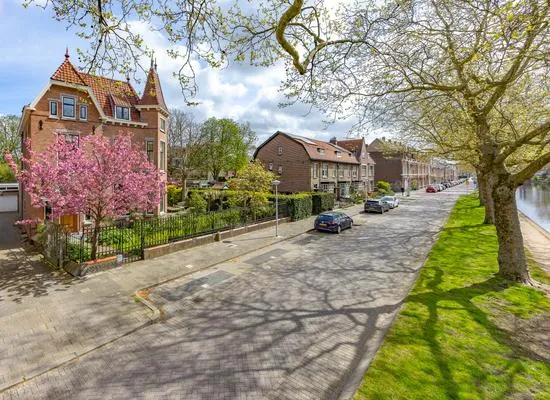
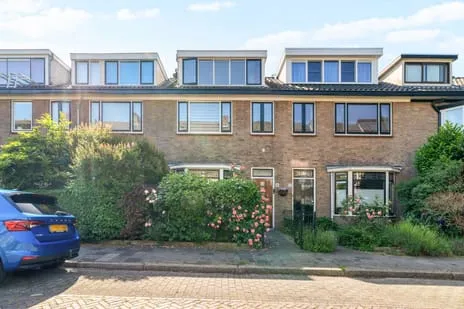
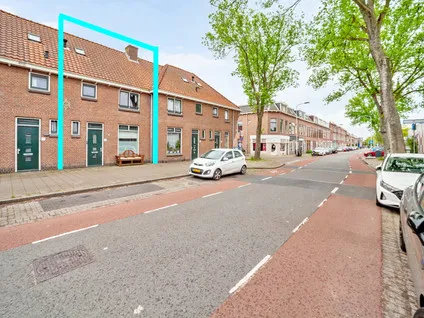
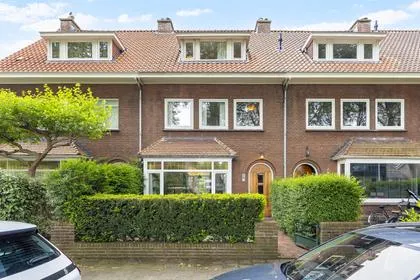
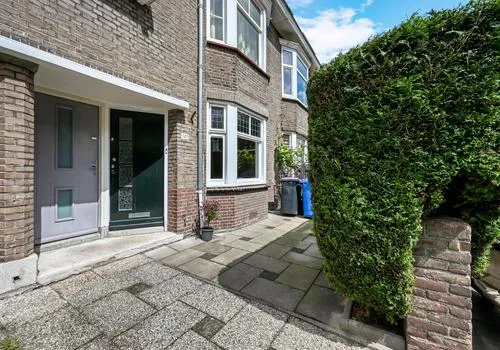
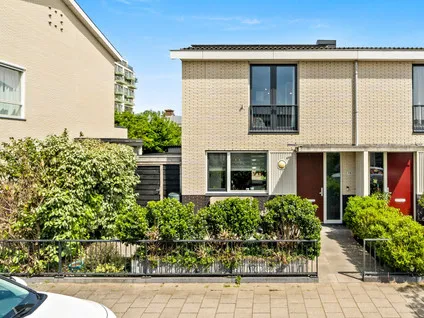
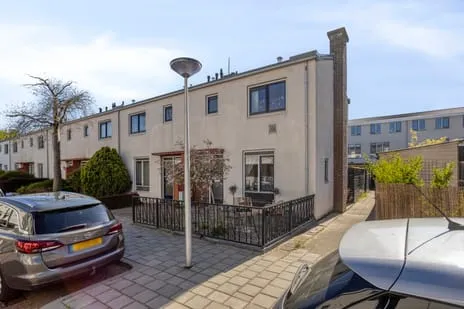
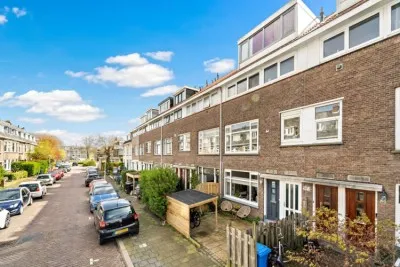
House prices in Vrijenban: above the Delft average, but a wide range
Of the more than 4,400 homes in Vrijenban, 38% are owner-occupied, with the rest rented out, largely through housing associations. This makes the owner-occupied market relatively limited in size. The average WOZ value is €338,000, slightly higher than the municipal average of €322,000 for Delft. Those who bought a home in Vrijenban in the past year paid an average of €474,625, with a range from €219,000 to €1,045,000. This indicates that the supply is diverse: from compact apartments to more spacious single-family homes. The average sold floor area was 92 m², and 48 homes were sold in the past twelve months. For current asking prices and available supply, see the overview at the top of this page.
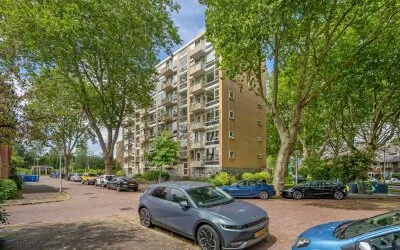
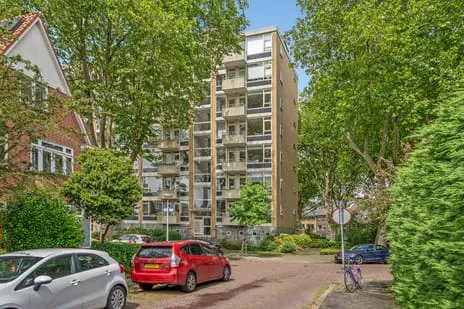
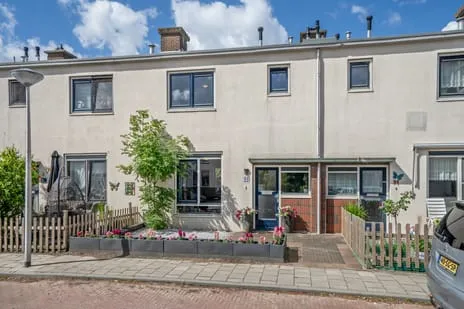
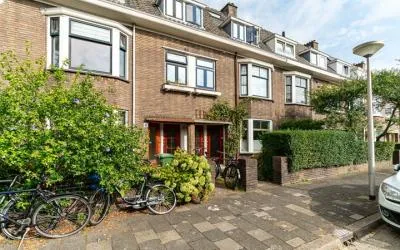
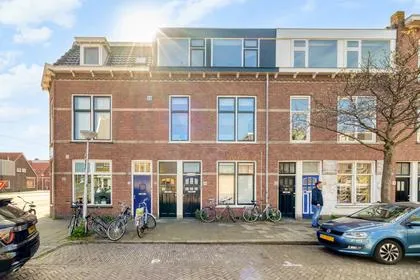
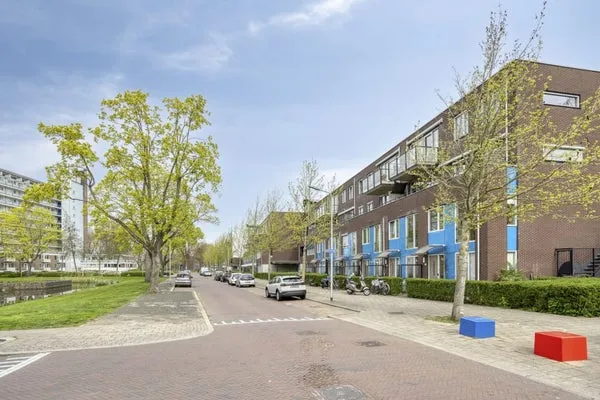
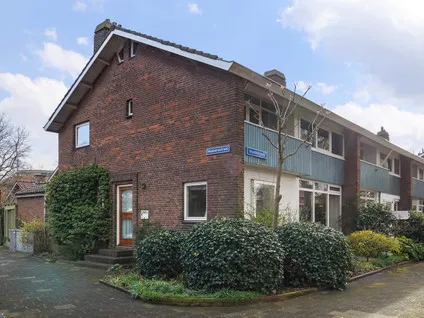
Vrijenban is not a neighbourhood with a single face when it comes to housing types. You will find terraced houses from the post-war period, but also detached owner-occupied homes and apartments, which explains the wide price range. Buying in Vrijenban means choosing a neighbourhood that offers slightly more in terms of greenery and space than the hustle and bustle of the Binnenstad, while remaining close to all amenities.
Living in Vrijenban: nature, community and short links to the city
Vrijenban has its own atmosphere that is difficult to describe without clichés, but residents do it well themselves. On Buurtje.nl, the neighbourhood scores an 8.2 out of 10, based on resident experiences. Accessibility, community and education score the highest, all at 8.5. Resident Jesse describes it aptly: "Close to everything: city centre, schools, GP, dentist, supermarket. Very sociable street where everyone is in contact with each other." That is exactly what you see in Vrijenban. The neighbourhood is close-knit without being stifling. Aylin Cantorun writes about her neighbourhood as a place "full of nature, art and events", and mentions the free, open atmosphere as something that sets Vrijenban apart. Read more experiences and view all neighbourhood data on the Vrijenban neighbourhood page.
Concretely, living in Vrijenban means: you do your shopping at the supermarkets along the Kruithuisweg or in the nearby city centre. For schools, you are well placed: the neighbourhood has several primary schools within cycling distance, and secondary education in Delft is easily accessible. There is a grand café in the area that residents often mention as a meeting place, and the green surroundings invite picnicking and walking. Delftse Hout, a large recreational area, is a short distance away, as is the rural area of Biesland. For those who prefer a more urban living environment, Indische Buurt-Noord and Bomenwijk are interesting alternatives within the same neighbourhood.
Accessibility is one of its strongest assets. Delft Station is within cycling distance, from where you can be in The Hague in about ten minutes or in Rotterdam in a quarter of an hour. The A13 motorway is quickly reachable, making Vrijenban attractive for commuters too. Resident Ellen puts it succinctly: "Close to the city centre, close to the motorway and yet nice and quiet." Public transport is well organised via several bus lines that connect the neighbourhood with the city centre and the station. Those considering comparing Hof van Delft or Voordijkshoorn will notice that Vrijenban has a slightly more mixed character, with both young residents, families and older people.
For which buyers is Vrijenban a serious option?
The largest age group in Vrijenban is 25 to 45 years old, which makes the neighbourhood popular among first-time buyers and young families. Due to the wide price range, from €219,000 to over a million euros, there is something for different budgets, although overbidding in the mid-range is realistic. In addition to the purchase price, take into account transfer tax (2% for owner-occupation), notary costs and any renovation costs for older homes. If buying is not feasible now, consider the rental homes in Vrijenban as an interim solution. More about housing policy in the municipality can be found on the website of the municipality of Delft.
Searching for owner-occupied homes in Vrijenban: how to use this overview
Buurtje.nl combines current housing supply with resident reviews and neighbourhood statistics, so you not only see a home but also understand the surrounding area. Filter the supply at the top by price, floor area or energy label. If you want to explore the area, also look at Delftse Hout, Tanthof-West or the broader overview of owner-occupied homes in Delft.
Frequently asked questions
What is the average cost of buying a house in Vrijenban?
The average purchase price in Vrijenban over the past year was €474,625, with an average living area of 92 m². Prices ranged from €219,000 to €1,045,000, depending on type and location. The average WOZ value in the neighbourhood is €338,000, slightly above the Delft average of €322,000.
What are the additional costs when buying a home in Vrijenban?
In addition to the purchase price, as a buyer you pay transfer tax (2% for owner-occupied homes above the starter exemption), notary costs for the deed of transfer and mortgage deed, and possibly estate agent fees. Budget on average 3 to 5% of the purchase price for additional costs. Older homes in Vrijenban may also involve renovation costs.
What types of homes can you buy in Vrijenban?
In Vrijenban you will find a mix of post-war terraced houses, single-family homes and apartments. This variation explains the wide price range. Buying an apartment in Vrijenban is possible at the lower end of the market, while larger detached homes determine the upper end. The average sold area over the past year was 92 m².
How is the accessibility from Vrijenban?
Vrijenban is conveniently located relative to Delft station, which is within cycling distance. From the station you can reach The Hague in about ten minutes and Rotterdam in a quarter of an hour. The connection to the A13 also makes the neighbourhood easily accessible by car. Several bus routes connect the neighbourhood with the city centre and the station.
Is Vrijenban suitable for families with children?
Buying a home in Vrijenban is certainly an option for families. The neighbourhood has several primary schools within cycling distance and scores an 8.5 for education in resident reviews. Residents mention the quiet, safe atmosphere and the proximity of green spaces as plus points. The largest age group in the neighbourhood is 25 to 45 years, indicating that many young families already live here.
Very good, always cosy
Auto-translated to English by AIOur neighbourhood is full of nature, art and events. Our special Delft rapper Fatah also comes from here. It is a special Delft with free-living people and cosiness! There is also plenty to do, such as art and creation, and people help where needed. Our neighbourhood Delft is free of political opinion and has many facilities. There is always something to do here and people are quick to think there is room for development and observation. With kind regards, Aylin Cantorun
Auto-translated to English by AIIn my neighbourhood, full of nature and beautiful spots, I feel very welcome and invited for a cup of coffee or tea and/or a picnic. The neighbourhood is full of nature and is very beautiful. Also very safe and accessible for everyone, except if you don't live here. There is also a cosy grand café with sandwiches and drinks where everyone is welcome.
Auto-translated to English by AIA great neighbourhood to live in. Close to the centre, close to the motorway and yet nice and quiet.
Auto-translated to English by AIGood experience with the neighbourhood, very cosy street where everyone is in touch with each other. Safe and cosy atmosphere, also in the other streets. Close to everything: city centre, schools, GP, dentist, supermarket, etc.
Auto-translated to English by AIA quiet neighbourhood along the motorway where you can still hear some noise in the evening. It never got really dark at night by my window due to a large amount of light from the greenhouses nearby. The houses where I lived were demolished shortly after I left. The residents didn't seem happy about this. Maybe that's why the neighbourhood felt a bit unsociable. Accessibility is not great, nor are the amenities. I went to the Plus for my groceries, there was nothing else in the neighbourhood. But there is a nice nature area if you go under the motorway to De Grote Plas.
Auto-translated to English by AI