





9 homes for sale in Borgharen, Maastricht
Discover homes for sale in Borgharen and view the current supply, average asking price and time to sell directly at the top of this page.




House prices and market figures for Borgharen, Maastricht
The owner-occupied market in Borgharen is relatively small but stable. Two-thirds of the housing stock is owner-occupied (66%), giving the neighbourhood a clear ownership character. The average WOZ value is €271,000, noticeably lower than the average within the district Buitenwijk Noordoost (€299,000) and the Maastricht municipal average (€302,000). That difference says something about the type of housing that dominates here: predominantly ground-floor homes from the post-war period, with spacious plots and little high-rise.
Over the past twelve months, nine homes changed hands, with an average purchase price of €406,444. The range ran from €295,000 to €565,000, indicating that both entry-level homes and larger detached houses come onto the market. With an average living area of 147 m², the price per square metre works out at around €2,765. That is moderate by Maastricht standards, especially given the space you get for that money. The current supply and average asking price can be found at the top of this page. Considering renting instead of buying? Then also check out the rental properties in Borgharen.
Living in Borgharen, Maastricht
Borgharen is not a city neighbourhood in the usual sense. It feels more like a village that happens to fall within the municipal boundaries of Maastricht. The neighbourhood lies on the north-eastern side of the city, directly on the Meuse, and has a distinctly rural character. Ribbon development along the Borgharenweg, spacious gardens, little traffic on the residential streets, and the view of the river and the Meuse valley give Borgharen an atmosphere that you will hardly find elsewhere in Maastricht.
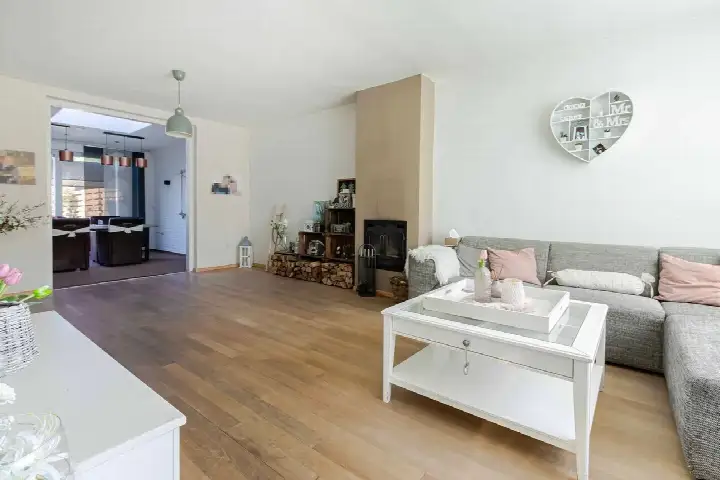
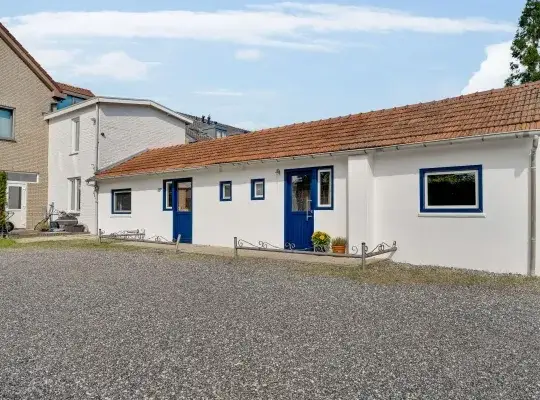
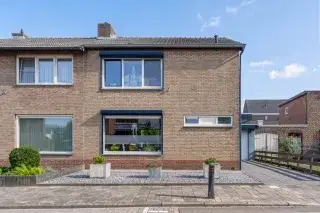
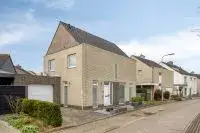
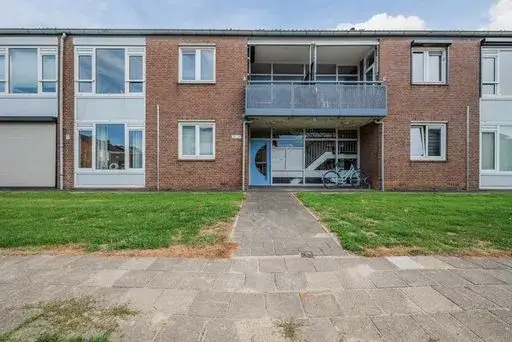
The homes were largely built in the 1950s to 1970s, with occasional newer infill. You see many semi-detached and detached houses; terraced houses are few. The gardens are generally large, and parking is rarely a problem. Buying an apartment in Borgharen is an exception; this is truly a neighbourhood for those who want land.
Facilities are limited, and that is a conscious choice. There is no supermarket in the neighbourhood itself. For daily shopping, you drive to Maastricht-Noord or the city centre. A primary school is present in the neighbourhood, but for secondary education and further amenities, you rely on the city. Nature compensates a lot: the Meuse valley, walking paths along the river, and the proximity of the Belgian hill country make Borgharen attractive for those who want to be outdoors.
In terms of accessibility, Borgharen is well served by car. Via the N278 you are in the centre of Maastricht in ten minutes. The connection to the A2 towards Eindhoven and Liège is nearby. By bike, the centre can be reached in a quarter of an hour, although the route along the Meuse requires some planning during high water. Public transport is limited: there is a bus line, but the frequency is low. Those without a car quickly notice that.
Residents most appreciate the peace and space. On the neighbourhood page for Borgharen you can read what people specifically write. One resident describes it like this: "You live here as if you are in the countryside, but Maastricht is just around the corner. That is exactly why we stayed." Criticisms almost always concern the limited facilities and dependence on the car. Those used to having everything within walking distance fit in less well here.
Compared to neighbouring communities in the same district, Borgharen has its own identity. Itteren is similarly village-like but even smaller. Meerssenhoven has a more suburban character. Beatrixhaven is very different, more industrial and business-like. Those seeking suburban peace but still wanting to live in Maastricht are in the right place in Borgharen.
Does a home for sale in Borgharen suit you as a buyer?
Borgharen mainly attracts movers and people approaching retirement age, which the demographic data confirms: the largest age group is 65-plus. Families seeking space and consciously choosing peace over urban dynamics fit well here. Starters will experience the entry price of €295,000 as a lower limit, and the limited supply (nine transactions in a year) requires patience. Those considering buying in Borgharen would do well to act quickly when something becomes available: supply is scarce. Want to compare more options? Then also check out the homes for sale in Buitenwijk Noordoost or the broader supply of homes for sale in Maastricht. The municipality also publishes information about living and new construction on maastricht.nl.
What residents say about Borgharen
Residents generally rate Borgharen positively, particularly in terms of safety, living environment, and social cohesion in the small community. The green surroundings and the location on the Meuse are repeatedly mentioned as decisive reasons to continue living here. People are less enthusiastic about the limited accessibility by public transport and the lack of local shops. One resident writes: "Borgharen is for people who know what they want: peace, space, and a real neighbourhood feeling. Not for everyone, but for us it is just right." All reviews and sub-scores per category can be found on the neighbourhood page for Borgharen.
Compare homes for sale in Borgharen with the surroundings
Buurtje.nl bundles the supply from more than 1,500 sources in one place, supplemented with resident reviews and neighbourhood data that you will not find so clearly together anywhere else. This way you can compare not only homes but also neighbourhoods. In addition to Borgharen, you can look at the supply in Itteren or Meerssenhoven for a similarly quiet living environment. Those who want more urban amenities can explore the districts Centrum, Buitenwijk West, or Buitenwijk Zuidwest. The full municipal supply is on the page homes for sale in Maastricht.
What is the cost of a home in Borgharen?
Over the past twelve months, the average purchase price in Borgharen was €406,444. Prices ranged from €295,000 to €565,000. With an average living area of 147 m², the price per square metre comes to approximately €2,765. This is relatively affordable for Maastricht, especially given the space that homes in Borgharen typically offer.
What is the WOZ value in Borgharen?
The average WOZ value in Borgharen is €271,000. This is lower than the average for the Buitenwijk Noordoost district (€299,000) and the Maastricht municipal average (€302,000). This difference is related to the type of housing: Borgharen has relatively many older ground-based homes with spacious plots, which are valued differently in WOZ terms compared to newer or more centrally located homes.
What is living in Borgharen like?
Borgharen has a distinctly village-like and green character. The neighbourhood lies on the Meuse, on the northeast side of Maastricht, and feels more like a rural village than an urban district. Residents appreciate the peace, space, and social cohesion. The lack of local shops and limited public transport connections are the most frequently mentioned drawbacks. Living in Borgharen is a conscious choice for living space over urban convenience.
Is Borgharen suitable for families with children?
Families seeking space and tranquillity will find Borgharen an attractive environment. There is a primary school nearby, and the green living environment along the Meuse offers plenty of outdoor space. For secondary education and sports clubs, you rely on Maastricht-Noord or the city centre. A car is almost indispensable for this. The entry price of around €295,000 makes Borgharen a challenge for first-time buyers, but it is realistic for families moving up the property ladder.
How accessible is Borgharen?
By car, Borgharen is easily accessible. Via the N278, you can reach the centre of Maastricht in about ten minutes, and the connection to the A2 towards Eindhoven and Liège is nearby. By bike, the city centre can be reached in a quarter of an hour. Public transport is the weakest link: there is a bus line, but the frequency is low. Those who do not have or want a car experience this as a serious disadvantage.
What type of homes are for sale in Borgharen?
Borgharen consists largely of ground-based homes: semi-detached houses and detached houses, mostly built between the 1950s and 1970s. Terraced houses are scarce, and buying an apartment in Borgharen is rare. The plots are generally spacious, and parking is rarely a problem. Supply is limited: on average, only nine homes change hands per year, so anyone wanting to buy in Borgharen must be patient and able to act quickly.
Is there a lot of green space and nature near Borgharen?
Yes, the location on the Meuse and the Meuse Valley is one of Borgharen's greatest assets. There are walking paths along the river, and the area offers direct access to the open landscape of the Meuse Valley. The Belgian hill country is also within easy reach. This makes Borgharen attractive for people who want to be outdoors daily without having to travel far.