


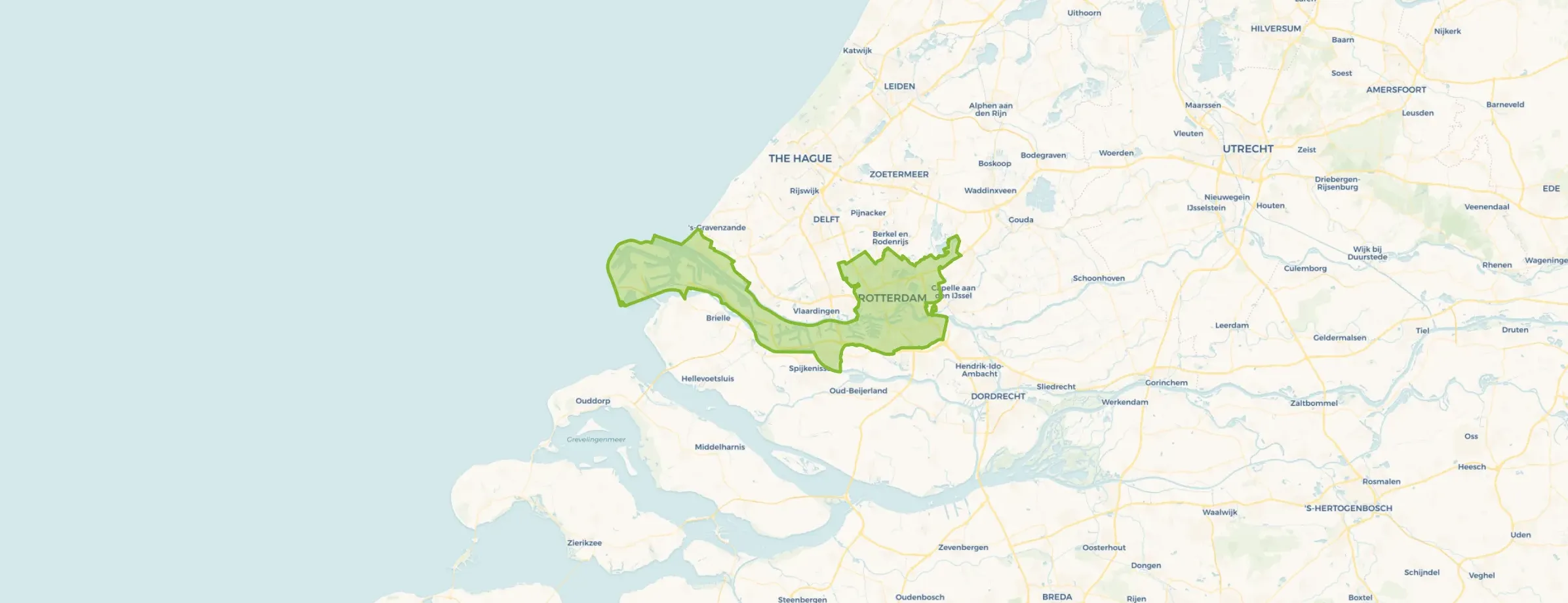

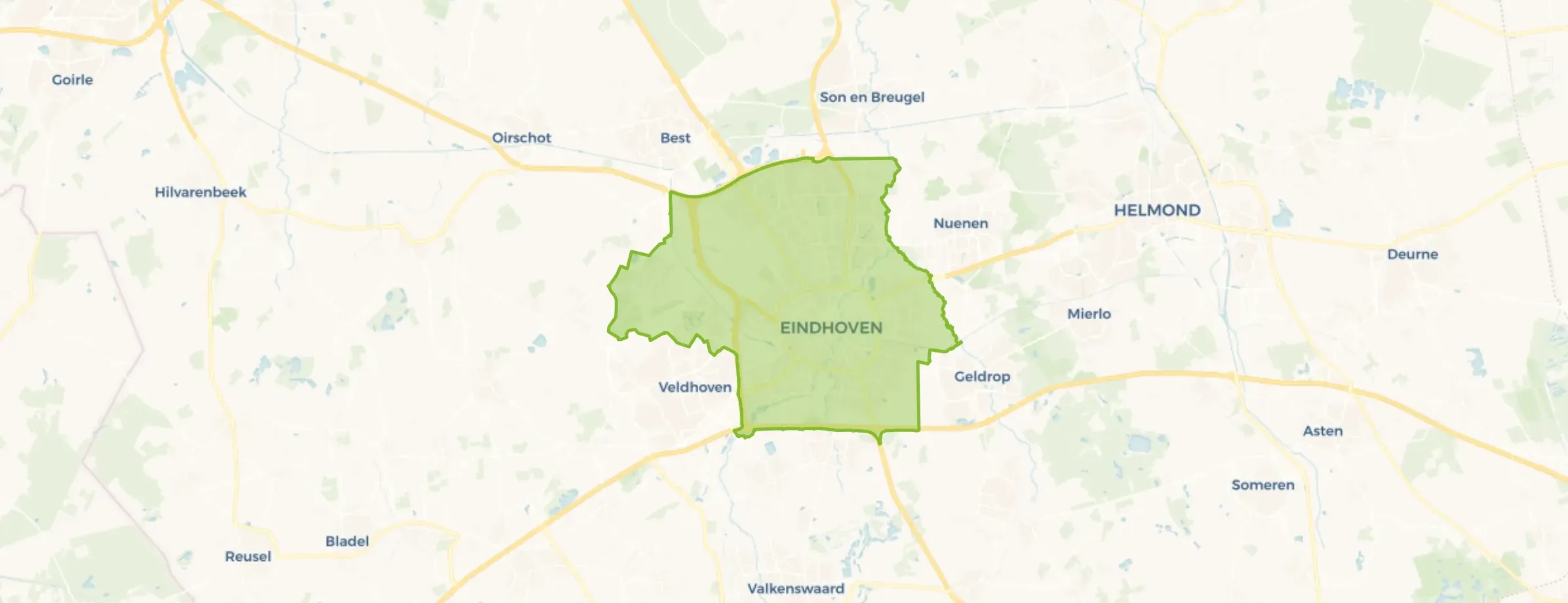


5 homes for sale in Breezand (woonkern), Hollands Kroon
Discover the current supply of homes for sale in Breezand (residential core) and view neighbourhood data, resident scores and market figures to determine if this neighbourhood suits you.
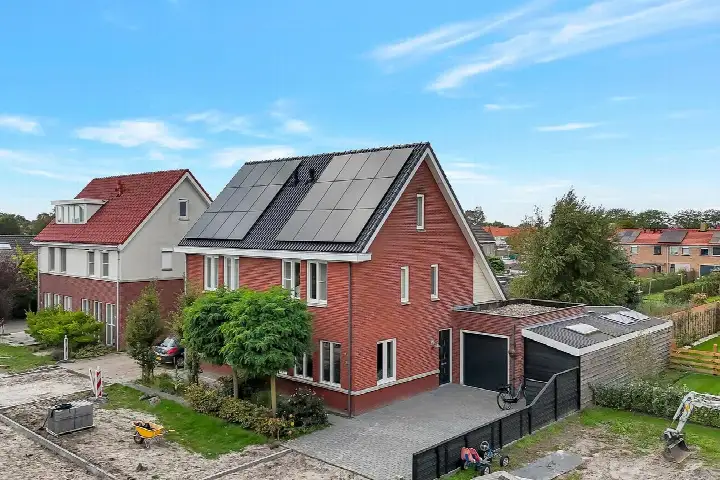




House prices and market figures Breezand (woonkern), Hollands Kroon
The owner-occupied market in Breezand (woonkern) is firmly anchored in the homeownership sector: 68% of the more than 991 homes are owned by the residents. This is a clear sign that this is a neighbourhood where people consciously choose to stay. The average WOZ value is €296,000, which is noticeably lower than the district average of Breezand (€348,000) and also below the municipal average of Hollands Kroon (€332,000). That difference tells something about the type of housing: the residential core consists mainly of ground-floor single-family homes, often terraced houses and semi-detached houses from the 1970s and 1980s.
Over the past twelve months, 17 homes were sold in Breezand (woonkern), with an average purchase price of €399,118. The range runs from €175,000 to €775,000, indicating that both starter homes and larger detached houses are available. The average living area was 140 m², which works out to a price of approximately €2,851 per square metre. Buying apartments in Breezand (woonkern) is rare; the supply consists almost exclusively of ground-floor homes. Check the current supply and the average asking price at the top of this page for the most recent status.
Living in Breezand (woonkern), Hollands Kroon
Breezand (woonkern) is a small, agriculturally oriented village in the heart of the North Kop of North Holland. The neighbourhood has a distinctly rural character: low-rise buildings, spacious plots, an open horizon and the polder as a direct neighbour. Anyone looking for a home here consciously chooses peace and space over urban hustle and bustle. You can also see this in the population composition: the largest group of residents is between 45 and 65 years old, and families with children are the most common household type. It is not a neighbourhood you end up in by chance, but one you are drawn to.
The housing stock consists largely of single-family homes built in the 1970s and 1980s, supplemented by a modest amount of newer construction. Streets like Colijnstraat are characteristic of the atmosphere: orderly, green, with a human scale. The energy consumption (average 1,100 m³ of gas per household) points to homes that can still be fully made more sustainable, something to take into account when purchasing.
In terms of amenities, Breezand (woonkern) is modest but functional. There is a primary school in the immediate vicinity, which also explains the high score for education (10 out of 10 in resident reviews). For daily groceries, secondary schools and a larger range of amenities, you rely on the nearby core of Anna Paulowna, a few kilometres away. The neighbourhood has no shopping centre or supermarket within walking distance, and that is a point to be honest about if you are used to convenience around the corner.
Accessibility by car is reasonable: via provincial roads you quickly reach the N99 towards Den Helder or Anna Paulowna. Public transport is limited; bus connections exist, but frequency and travel times require adjustment if you are a daily commuter. A car is practically indispensable in practice. Cyclists have it better: the polder roads are flat and distances to surrounding cores are manageable.
Residents rate the neighbourhood with an average score of 7.9 out of 10, based on reviews via the neighbourhood page of Breezand (woonkern). Safety scores a perfect 10, and community and education also score excellently. Resident Anita describes her part of Colijnstraat like this: "When I talk about my own little neighbourhood, a part of Colijnstraat, it is fantastic, we organise a neighbourhood barbecue every year, look out for each other, have regular contact, play games, have a stamppot evening and a fire pit evening. People love living in our little neighbourhood." That says more about social cohesion than any statistic. Less strong are the scores for amenities (6) and housing (6), which aligns with the limited shopping offer and the ageing housing stock.
Compared to the Gelderse Buurt and the surrounding Buitengebied Breezand, the residential core is more compact and social in character. The rural area offers more freedom and space, but also more isolation. Those who choose to live in Breezand (woonkern) choose the village community with the benefits of a private garden and low building density.
Does a home for sale in Breezand (woonkern) suit you?
Families who consciously choose peace, space and a close-knit neighbourhood community will find what they are looking for here. The combination of relatively affordable starter homes (from €175,000) and larger homes for movers makes the neighbourhood accessible for multiple life stages. Seniors who already live in the region and want to stay also fit the profile well. Be honest with yourself about the level of amenities: if you want a supermarket within walking distance every day, you will struggle here. Supply is limited and on average only 17 homes are sold per year, so buying in Breezand (woonkern) requires patience and alertness. Also consider the rental homes in Breezand (woonkern) as an alternative to get to know the neighbourhood first.
What residents say about Breezand (woonkern)
Based on resident reviews, Breezand (woonkern) scores a 7.9 out of 10. The highest subscores are for safety (10), education (10) and community (9). Amenities (6) and housing (6) are the points of attention. Anita writes: "People love living in our little neighbourhood." A simple sentence that captures the essence of the neighbourhood well. View all reviews and subscores on the overview page of Breezand (woonkern).
Compare homes for sale in and around Breezand (woonkern)
Buurtje.nl bundles the supply from more than 1,500 sources and links it to resident reviews and neighbourhood data that you won't find in this combination anywhere else. This way you can compare not only homes, but also neighbourhoods. Check the supply of homes for sale in the broader district of Breezand for a larger selection, or explore adjacent districts such as Anna Paulowna and Wieringerwaard if you want more amenities within walking distance. Also Hippolytushoef and Westerland are worth exploring within the municipality of Hollands Kroon. More about the municipality can also be found on the official website of Hollands Kroon.
What does a home cost in Breezand (residential core)?
The average purchase price in Breezand (residential core) over the past twelve months was €399,118, based on 17 sold homes. The range runs from €175,000 to €775,000, depending on type and size. With an average living area of 140 m², the price per square metre comes to approximately €2,851.
What is the WOZ value in Breezand (residential core)?
The average WOZ value in Breezand (residential core) is €296,000. That is lower than the average for the broader Breezand district (€348,000) and also below the municipal average of Hollands Kroon (€332,000). This difference is related to the type of housing: predominantly older single-family homes from the 1970s and 1980s.
What is living in Breezand (residential core) like?
Living in Breezand (residential core) means choosing a quiet, rural village life with a strong neighbourhood community. Residents give the neighbourhood a 7.9 out of 10, with excellent scores on safety and community. Amenities are limited; for daily shopping you rely on nearby cores such as Anna Paulowna.
Is Breezand (residential core) suitable for families with children?
Yes, families with children are the largest household type in the neighbourhood and residents rate education a 10. The quiet environment, low building density and close-knit neighbourhood community make it a pleasant place for children. Keep in mind that a car is almost essential for school and activities outside the immediate area.
How accessible is Breezand (residential core)?
By car, Breezand (residential core) is reasonably accessible via provincial roads towards the N99, with connections to Den Helder and Anna Paulowna. Residents rate accessibility a 7 out of 10. Public transport is limited in frequency, making a car practically indispensable. Cyclists benefit from flat polder roads to surrounding villages.
What type of homes are for sale in Breezand (residential core)?
The supply consists almost exclusively of ground-based single-family homes: terraced houses, semi-detached houses and detached houses. Buying an apartment in Breezand (residential core) is hardly an option, as apartments rarely occur in the housing stock. Most homes date from the 1970s and 1980s, with an average area of 140 m².
How safe is Breezand (residential core)?
Safety is the absolute strongest asset of Breezand (residential core): residents give it a perfect score of 10 out of 10. The small, clear village centre and the close social cohesion contribute to this. Residents know each other and look out for each other's homes, which is also reflected in the high community score of 9 out of 10.
When I talk about my own little neighbourhood, a part of Colijnstraat, it's fantastic. We organise a neighbourhood barbecue every year, look out for each other, have regular contact, play games, have a stamppot evening and a fire pit evening. People love living in our little neighbourhood.
Auto-translated to English by AIOffices with the most homes in Hollands Kroon on Buurtje.nl, last 12 months.
Alpina MakelaardijNijverdal142 homes
 Alpina (Voorheen Verheul Makelaardij)Anna Paulowna99 homes
 SC Bakker Makelaardij ozSchagen69 homes
 Van de Giesen MakelaarsSchagen65 homes
 Klaver Makelaardij - Buitengewoon wonenNieuwe Niedorp52 homes
 Makelaardij WesthuisSchagen43 homes
 Westhuis MakelaardijSchagen40 homes
 Anna de Graaff MakelaarsMedemblik36 homes
Vonder MakelaardijDen Oever25 homes
 NoordHollandswonenAnna Paulowna21 homes