Homes for sale in Budel-Dorplein, Cranendonck
Discover the current supply of homes for sale in Budel-Dorplein and view prices, selling times and neighbourhood data directly on this page.
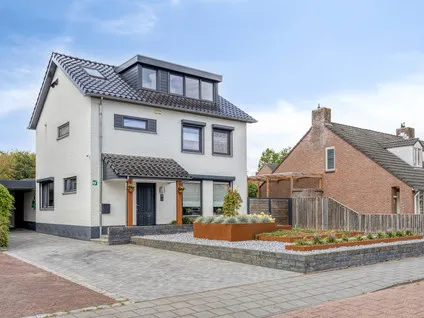
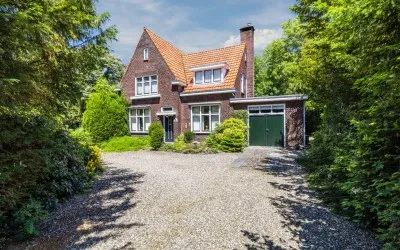

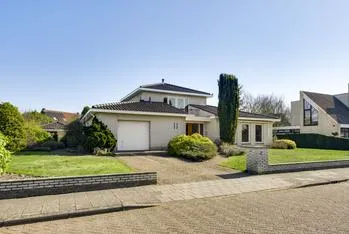
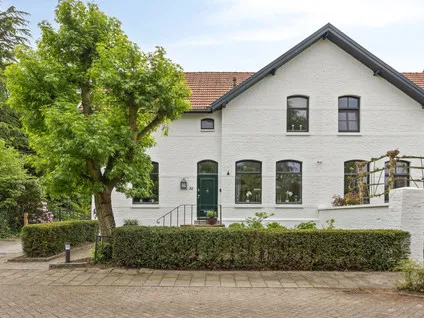
House prices and market figures Budel-Dorplein, Cranendonck
The owner-occupied market in Budel-Dorplein is pronounced: 86% of the more than 613 homes are owned by the residents themselves. Renting plays a modest role, with around 12% owned by a housing association. That high owner-occupancy rate marks the neighbourhood as a place where people consciously choose to stay and invest.
The average WOZ value is €323,000. That is slightly lower than the average within the broader district Dorplein (€327,000) and clearly below the municipal average of Cranendonck (€354,000). This makes Budel-Dorplein one of the more affordable neighbourhoods within the municipality, although actual transaction prices tell a different story.
Over the past twelve months, 22 homes were sold at an average purchase price of €418,955. The range runs from €219,000 to €749,000, indicating that the supply is diverse: from entry-level homes to larger detached houses. With an average living area of 143 m², this works out to a price of around €2,930 per square metre. View the current supply and asking prices at the top of this page.
Are you also curious about the rental market? Then check out the rental homes in Budel-Dorplein as an alternative or supplement.
Living in Budel-Dorplein, Cranendonck
Budel-Dorplein is a small, quiet residential core on the southeastern edge of the municipality of Cranendonck, close to the Belgian border. With around 1,400 residents and a village scale, the neighbourhood feels manageable. Here neighbours still know each other, the streets are quiet, and the pressure of a larger city is far away. This attracts people who consciously choose space and tranquillity, but it also means you have to drive to Budel or further for a wide range of amenities.
The housing stock consists mainly of ground-floor family homes, mostly built in the 1970s and 1980s. Terraced houses and semi-detached houses dominate the streetscape, but there are also detached houses, particularly on the edges of the core. Apartments are rare; anyone wanting to buy an apartment in Budel-Dorplein will find that supply is limited and choices are quickly made. The homes are generally well-maintained and have relatively large plots, which fits the village atmosphere.
In terms of amenities, Budel-Dorplein is modest but functional. There is a primary school in the immediate vicinity, and for daily shopping you can go to nearby Budel, just a few minutes' drive away. Sports clubs such as a football club and local associations give the core an active community life. For more extensive shops, a GP or secondary education, you rely on Budel or Weert.
Accessibility by car is reasonable. Via the N746 and the connection to the A2 near Weert, you can be on the motorway towards Eindhoven or Maastricht in about twenty minutes. Public transport is available but limited: there are bus connections to Budel and Weert, but the frequency is low. For daily commuting by public transport, a car is practically indispensable. Cyclists find quiet routes through the surrounding agricultural landscape.
Residents particularly appreciate the tranquillity, the space and the sense of community. One resident writes: "It's wonderfully quiet here, the children play outside and everyone knows each other. But you do have to get in the car for everything." That last point is a recurring criticism: the limited walking distance to amenities and the sparse public transport provision are frequently mentioned. Read more experiences on the neighbourhood page of Budel-Dorplein, where residents give scores on themes such as liveability, safety and green spaces.
Compared to neighbouring community Verspreide huizen Budel-Dorplein, the core of Budel-Dorplein is more compact and has a slightly stronger village feel. The nearby Industrieterrein Dorplein is a completely different story and hardly relevant for home seekers. Anyone wanting to compare with other districts can also look at homes for sale in Dorplein as a whole, or the larger core Budel with a wider range of amenities.
Who is a home for sale in Budel-Dorplein interesting for?
The demographic composition says a lot: the largest group of residents is between 45 and 65 years old, followed by those aged 65 and over. Budel-Dorplein attracts people looking for a quiet living environment, preferably with a garden and space. Movers who consciously choose more peace from a city fit in well here. Seniors who want to live in a manageable core with social cohesion also find their place here.
First-time buyers have a harder time: the average purchase price of almost €419,000 and an entry price of €219,000 mean that the cheapest homes are quickly snapped up. Overbidding occurs, especially for well-priced homes. Supply is limited; with 22 transactions in a year, the market is not large. Those who are flexible and also look at Maarheeze or Soerendonk increase their chances of finding a suitable home. If buying is not feasible now, check out the rental homes in Budel-Dorplein as an interim solution.
What residents say about Budel-Dorplein
Residents generally rate Budel-Dorplein positively on tranquillity, safety and the green surroundings. Points of attention are the limited amenities within walking distance and public transport. One resident sums it up aptly: "Living here is choosing quality of life, not convenience. Everything is geared towards the car, but the peace and space make up for a lot." View all reviews, scores per category and the most recent comments on the full neighbourhood page of Budel-Dorplein.
Compare homes for sale in and around Budel-Dorplein
Buurtje.nl bundles the current housing supply from more than 1,500 sources in one place, supplemented with resident reviews and neighbourhood data you won't find anywhere else. This way you can compare not only homes, but also neighbourhoods. View the supply in the broader district via homes for sale in Dorplein, or broaden your search area to homes for sale in Cranendonck. Want to know more about the municipality? The municipality of Cranendonck publishes up-to-date information on housing, zoning plans and local developments.
Frequently asked questions
What is the cost of a home in Budel-Dorplein?
The average purchase price in Budel-Dorplein over the past twelve months was €418,955, based on 22 transactions. Prices ranged from €219,000 to €749,000, depending on the type and condition of the property. With an average living area of 143 m², the price per square metre comes to approximately €2,930.
What is the WOZ value in Budel-Dorplein?
The average WOZ value in Budel-Dorplein is €323,000. This is slightly below the district average of Dorplein (€327,000) and clearly lower than the municipal average of Cranendonck (€354,000). The WOZ value is lower than the actual transaction prices, which is common.
What is it like to live in Budel-Dorplein?
Living in Budel-Dorplein means choosing peace, space and a village atmosphere. The neighbourhood is compact with around 1,400 residents and a strong sense of community. Residents appreciate the safety and green surroundings, but mention the limited amenities within walking distance and the sparse public transport as drawbacks.
Is Budel-Dorplein suitable for families and seniors?
The neighbourhood mainly attracts residents aged 45 to 65 and those over 65, reflecting the quiet and stable living environment. Families with children find space and a primary school nearby, but for secondary education and broader amenities, Budel or Weert are the designated destinations. Seniors looking for a compact core with social cohesion fit in well here.
How accessible is Budel-Dorplein?
By car, Budel-Dorplein is easily accessible via the N746 towards Weert, from where the A2 connects to Eindhoven and Maastricht. The travel time to Eindhoven by car is approximately 35 to 40 minutes. Public transport is limited: there are bus routes to Budel and Weert, but the frequency is low. For daily commuting, a car is practically essential.
What types of homes are for sale in Budel-Dorplein?
The supply mainly consists of ground-floor single-family homes: terraced houses and semi-detached houses from the 1970s and 1980s are most common. Detached houses are also available on the outskirts of the core. Buying an apartment in Budel-Dorplein is difficult; this type of home is hardly present in this neighbourhood. The average living area of sold homes over the past year was 143 m².
Is there enough green space and outdoor space in Budel-Dorplein?
Budel-Dorplein is nestled between agricultural landscapes and therefore naturally has a lot of green space in the immediate vicinity. Homes typically have their own gardens and the streets are spacious. Walking and cycling routes through the surrounding countryside are easily accessible, which residents cite as a major plus.