





5 homes for sale in Caberg, Maastricht
Discover the current supply of homes for sale in Caberg and compare prices, neighbourhood scores, and resident reviews to determine if this Maastricht neighbourhood suits you.



House prices and market figures Caberg, Maastricht
Caberg is predominantly a rental neighbourhood: only 15% of the approximately 1,578 homes are owner-occupied, of which 70% are owned by housing associations. This makes the owner-occupied market here relatively small and availability limited. The average WOZ value is €229,000, which is noticeably lower than the average for the district Buitenwijk West (€255,000) and well below the municipal average of €302,000 for Maastricht as a whole. Yet actual transaction prices are higher than those WOZ values suggest: in the past twelve months, 15 homes were sold with an average purchase price of €329,233. The range runs from €199,000 to €675,000, indicating that both entry-level homes and larger single-family homes change hands. With an average living area of 106 m², the average price per square metre comes to approximately €3,105. That is moderate by Maastricht standards. Would you like to know how many homes are currently for sale and what the current asking prices are? Then check the overview at the top of this page.
Living in Caberg, Maastricht
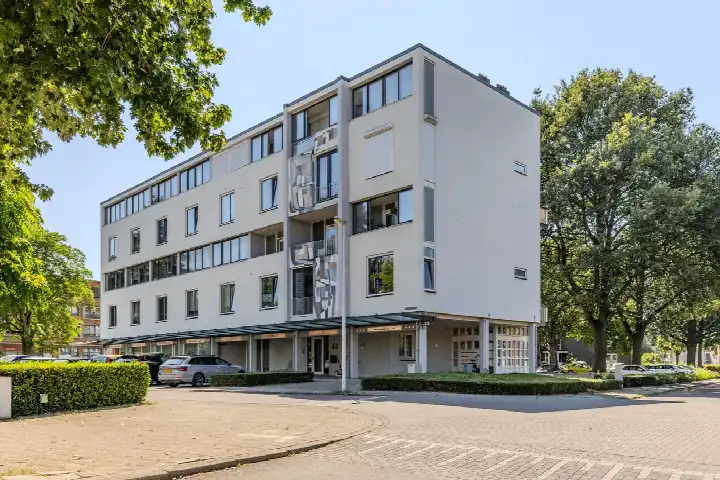
Caberg is a post-war expansion district on the west side of Maastricht, largely built in the 1950s to 1970s. The neighbourhood has a distinct working-class character: terraced houses, porch flats and gallery apartments dominate the streetscape. The architecture is functional, not ornate. That is also the reason why one resident describes the neighbourhood as "Outdated" and states that "many homes are poor, damp and draughty and too expensive." That criticism is not unfounded: the average resident score comes to 6.5 out of 10, and the sub-score for housing is a downright low 4.0. Anyone considering buying a home in Caberg would do well to have the structural condition of the property thoroughly inspected.
Yet the neighbourhood also has its strengths. Accessibility scores an 8.0 and that is correct: Caberg is located directly on the A2 and A79, allowing quick access to Liège, Eindhoven or the Belgian border. Several bus lines run from the neighbourhood to the centre of Maastricht, which is within cycling distance of about ten to fifteen minutes. Maastricht railway station is easily accessible by bus or bicycle. For daily shopping, you hardly need to leave the neighbourhood: there is a supermarket in the immediate vicinity and the Caberg shopping centre offers basic amenities. For a larger range of shops, the city centre is the designated destination.
Schools score a 7.0 in resident ratings. There are primary schools in and around the neighbourhood, which is a practical advantage for young families. Greenery scores a 6.0, indicating that it is not a distinctly green district, but there are parks and playgrounds scattered throughout the neighbourhood. Safety and sense of community score a 7.0 respectively, which is reasonable for an urban working-class neighbourhood. More resident reviews and all neighbourhood data can be found on the Caberg neighbourhood page.
Compared to neighbouring neighbourhoods in the same district, Caberg has its own character. Oud-Caberg has a slightly older and smaller-scale character, while Mariaberg has more variation in housing types. Brusselsepoort and Pottenberg are also neighbourhoods with a similar social structure but their own atmosphere. If you want to compare more broadly, you can also look at owner-occupied homes in Buitenwijk West as a whole.
Who is a home in Caberg interesting for?
Caberg primarily appeals to first-time buyers looking for an affordable entry point in Maastricht, but who do not necessarily need to live in a popular or trendy district. With an entry price from €199,000, there is room for buyers with a limited budget. Movers looking for space for their money can get more square metres here than in the centre. Families benefit from the available schools and good road accessibility. But be honest with yourself: the supply of owner-occupied homes is scarce, and the quality of the homes requires attention. Always have a structural survey carried out. Also consider rental homes in Caberg as an alternative, as the supply there is considerably larger. More information about living and life in the municipality can be found on the website of the municipality of Maastricht.
What residents say about Caberg
The neighbourhood receives an average score of 6.5 out of 10, based on resident reviews. Accessibility stands out positively with an 8.0. Housing is the pain point: a 4.0 reflects concerns about the quality of the housing stock. A resident who was born there writes: "Many homes are poor, damp and draughty and too expensive." That is a signal that should be taken seriously when assessing a specific property for purchase. View all reviews and sub-scores on the overview page of Caberg.
Compare owner-occupied homes in and around Caberg
Buurtje.nl bundles the supply from more than 1,500 sources in one place, supplemented with resident scores and district data that you will not find anywhere else on a purchase page. This way you can compare not only homes, but also neighbourhoods. In addition to Caberg, Malpertuis and Belfort are interesting neighbourhoods to compare side by side. Would you like to broaden your search area? Then also check owner-occupied homes in all of Maastricht or explore districts such as Buitenwijk Zuidwest and Buitenwijk Oost for a broader picture of the Maastricht owner-occupied market.
What does a home in Caberg cost?
In the past twelve months, 15 homes were sold in Caberg with an average purchase price of €329,233. Prices ranged from €199,000 to €675,000. With an average living area of 106 m², the price per square metre comes to approximately €3,105. That is relatively affordable by Maastricht standards.
What is the WOZ value in Caberg?
The average WOZ value in Caberg is €229,000. That is below the district average of Buitenwijk West (€255,000) and significantly below the municipal average of Maastricht (€302,000). However, actual transaction prices are higher than the WOZ value suggests.
What is it like to live in Caberg?
Caberg is a post-war working-class neighbourhood with a down-to-earth, functional character. The neighbourhood scores 6.5 out of 10 in resident reviews. Strong points are accessibility (8.0) and the level of amenities (7.0). A point of attention is housing quality: residents give housing a 4.0 and point to outdated and damp homes.
Is Caberg suitable for first-time buyers and young families?
Caberg can be interesting for first-time buyers looking for an affordable home in Maastricht, with entry prices from €199,000. Young families benefit from the presence of primary schools and good road accessibility via the A2. However, keep in mind the limited supply of owner-occupied homes and always have a structural survey carried out given the age of many homes.
How is the accessibility of Caberg?
The accessibility of Caberg scores 8.0 in resident reviews. The neighbourhood has a direct connection to the A2 and A79, making Liège, Eindhoven and the Belgian border quickly reachable. Several bus lines connect Caberg with the centre of Maastricht and the train station. The centre is also easily reachable by bike in about ten to fifteen minutes.
What type of homes are for sale in Caberg?
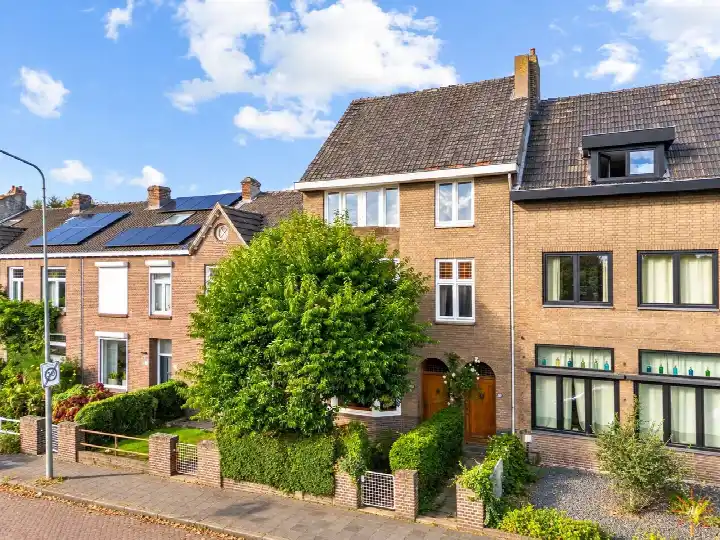
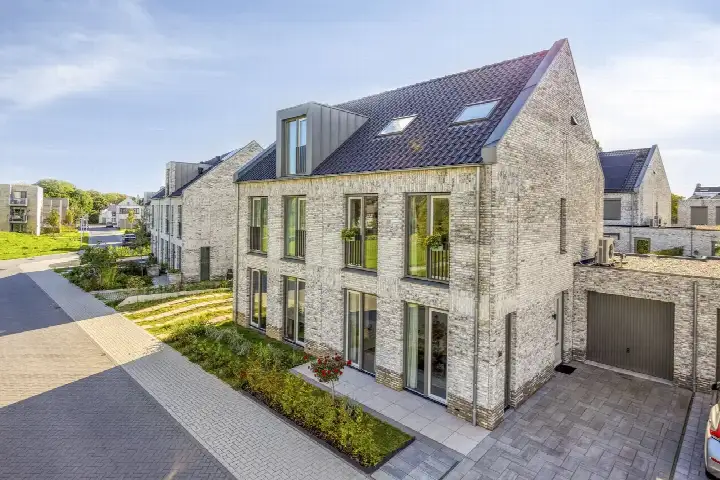
The owner-occupied housing supply in Caberg mainly consists of terraced houses and apartments from the 1950s to 1970s. Only 15% of the housing stock is owner-occupied, making supply scarce. The average sold home has an area of 106 m². Those considering buying an apartment in Caberg will find gallery flats and porch flats from the reconstruction period.
What about safety in Caberg?
Residents give safety in Caberg a score of 7.0 out of 10, which is a reasonable score for an urban working-class neighbourhood. The labour participation rate in the neighbourhood is 48%, lower than the municipal average, and the average income (€24,800) is lower than that of Maastricht as a whole. It is a neighbourhood with a mixed population composition and a strong share of social housing.
Born here, many homes are poor, damp and drafty and too expensive
Auto-translated to English by AI