Homes for sale in Belfort, Maastricht
View the current supply of homes for sale in Belfort and compare prices, neighbourhood scores, and property data directly on this page.
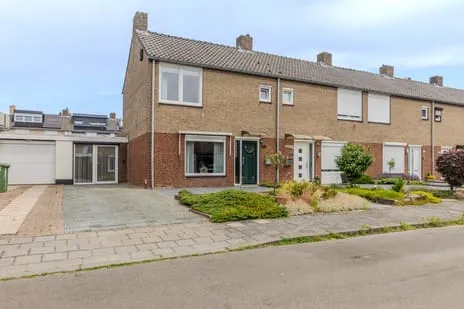
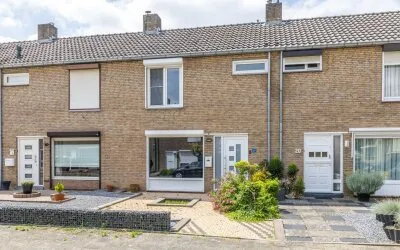

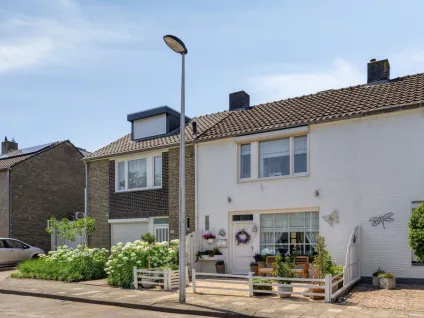
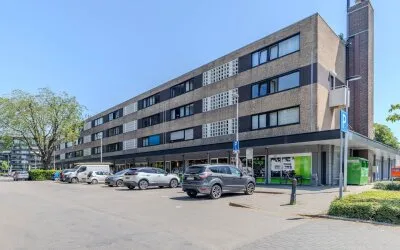
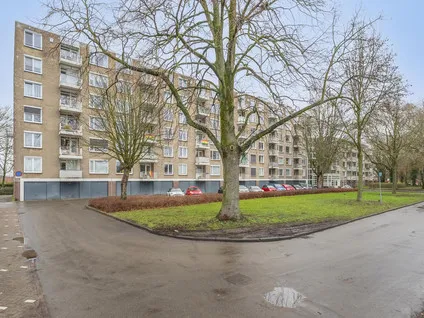
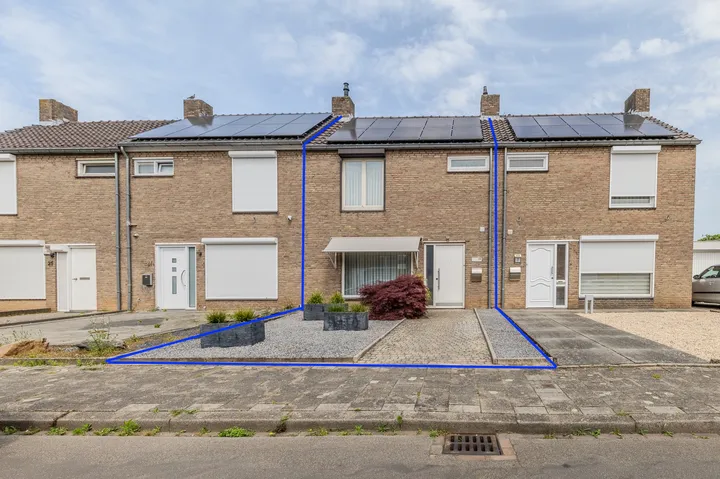
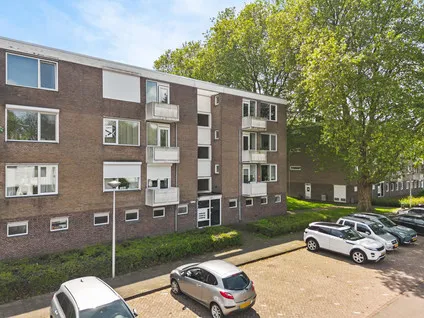

House prices and market figures for Belfort, Maastricht
The owner-occupied market in Belfort is solid, but still more accessible than the Maastricht average. Of the 1,315 homes in the neighbourhood, 76% are owner-occupied, clearly profiling Belfort as a home-ownership area. The average WOZ value is €272,000, slightly higher than the district average of Buitenwijk West (€255,000), but noticeably below the municipal average of €302,000 for owner-occupied homes in Maastricht. This makes Belfort relatively affordable for those who want to live in the city without the price tag of the centre.
Over the past twelve months, 43 homes changed hands, with an average purchase price of €303,872. The range runs from €215,000 to €498,000, indicating that both starter homes and larger family homes are available. With an average living area of 95 m², this works out at a price per square metre of around €3,200. The supply mainly consists of terraced and semi-detached houses from the 1960s and 1970s, supplemented by a smaller share of apartments. For current asking prices and selling times, you can consult the overview at the top of this page.
Living in Belfort, Maastricht
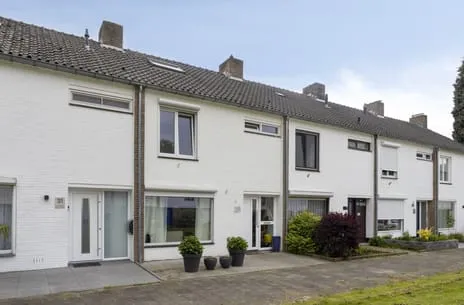
Belfort is a quiet, ground-based residential neighbourhood on the west side of Maastricht, part of the district Buitenwijk West. The neighbourhood has a clear post-war character: wide streets, front gardens, many terraced houses and a clear layout reminiscent of planned expansions from the 1960s and 1970s. It is not a neighbourhood that stands out for architectural features, but one that residents appreciate for its tranquillity and social cohesion.
The resident score of 8.2 out of 10 says a lot. Community (10) and amenities (10) score particularly high, and that is no coincidence. Belfort is within walking distance of the Caberg shopping centre, where daily groceries are well catered for. The proximity of primary schools in the immediate vicinity also makes the neighbourhood attractive for young families. One resident describes it as follows: "Everything is close by, the neighbours know each other and it is quiet without feeling cut off from the city." That sense of connection without the hustle and bustle is characteristic of Belfort.
Accessibility scores a 9 and that is justified. By bus, via the Cabergerweg, you are quickly towards the centre of Maastricht, and the connection to the A2 and A79 makes the neighbourhood attractive for commuters heading to Liège, Heerlen or Eindhoven. By bike, you can reach Maastricht Central Station in twenty minutes. For daily commuting, that is quite doable.
Belfort scores less well on green space (5) and housing (6). The neighbourhood does not have a large park within its boundaries, although the Cabergerweide is within cycling distance. The quality of housing is also rated as average by residents: the 1960s construction sometimes requires modernisation, and energy labels are not always strong. The average gas consumption of 1,010 m³ per year is on the high side, which fits older homes. Anyone buying a home in Belfort would do well to factor the level of insulation into the negotiation.
Compared to neighbouring areas such as Mariaberg and Caberg, Belfort has a similar atmosphere but a slightly more compact layout. Brusselsepoort is a bit more urban and has more high-rise buildings. Those looking for more space in a similar price range could also consider Pottenberg or Malpertuis. More background on the neighbourhood, including all resident reviews and district data, can be found on the information page for Belfort.
Who is a home in Belfort a good choice for?
Belfort best suits first-time buyers and young families looking for an owner-occupied home in Maastricht without immediately having to be in the most expensive segments. The price range of €215,000 to €498,000 offers room for different budgets. The neighbourhood is also attractive for movers who want more living space than is possible in the centre. Seniors will find peace and good amenities, although the housing stock sometimes requires adaptations. To be honest: supply is limited and homes sell quickly. Anyone serious about buying in Belfort would be wise to respond quickly to new listings. Also consider rental homes in Belfort as a temporary option while you search.
What residents say about Belfort
Belfort receives an average rating of 8.2 out of 10, based on resident reviews. The highest scores go to community (10) and amenities (10), followed by accessibility (9) and beauty (9). Residents are less enthusiastic about the green space in the neighbourhood (5) and housing quality (6). One resident writes: "Nice neighbourhood to live in, everything is close by and the atmosphere is good. Just a bit more green space would be welcome." All reviews and neighbourhood data can be found on the neighbourhood page for Belfort.
Compare owner-occupied homes in Belfort with the surrounding area
Buurtje.nl bundles supply from more than 1,500 sources in one place, supplemented by resident scores and current market figures per neighbourhood. This makes it easier to compare Belfort with other neighbourhoods in Buitenwijk West or with districts such as Buitenwijk Oost and Centrum. More about the total housing supply in the city can be found via the overview of owner-occupied homes in Maastricht. More information about the municipality itself can be found on the website of the municipality of Maastricht.
Frequently asked questions
What is the cost of a home in Belfort?
Over the past twelve months, the average purchase price in Belfort was €303,872, with an average living area of 95 m². That works out to about €3,200 per square metre. The range runs from €215,000 to €498,000, depending on the type of property and its state of maintenance.
What is the WOZ value of homes in Belfort?
The average WOZ value in Belfort is €272,000. That is higher than the average for the Buitenwijk West district (€255,000), but lower than the Maastricht average of €302,000. Belfort thus positions itself as an affordable home-buying neighbourhood within the city.
What is it like to live in Belfort?
Belfort is a quiet, well-organised residential neighbourhood with a strong sense of community. Residents appreciate the good amenities and accessibility, giving the neighbourhood a score of 8.2 out of 10. The neighbourhood scores less well on green space and housing quality, which is linked to the post-war construction period.
Is Belfort suitable for families with children?
Yes, Belfort is a suitable neighbourhood for families. There are primary schools in the immediate vicinity and the neighbourhood scores highly on safety (8.0) and community (10). The quiet streets and proximity to daily amenities make it attractive for parents with young children. The largest age group in the neighbourhood is 25 to 45 years old.
How is the accessibility of Belfort?
Residents give accessibility a score of 9 out of 10. Via the Cabergerweg there are direct bus connections to the centre of Maastricht. By bike you can reach Maastricht Central in about twenty minutes. Motorists have a quick connection to the A2 towards Eindhoven and the A79 towards Heerlen and Liège.
What type of homes can you buy in Belfort?
The supply mainly consists of terraced houses and semi-detached houses from the 1960s and 1970s. In addition, apartments are available, although they form a smaller part of the stock. The average living area of sold homes over the past twelve months was 95 m². Anyone considering buying an apartment in Belfort can find that supply in the current overview at the top of this page.
What is the energy efficiency of homes in Belfort?
The average gas consumption in Belfort is 1,010 m³ per year, which is on the high side and fits with the post-war housing stock. Many homes from the 1960s and 1970s have limited insulation. Anyone wanting to buy a home in Belfort would be wise to check the energy label and insulation level carefully and include any sustainability costs in the offer.
Quiet neighbourhood, but still a street network with a lot of activity. There's always something going on. People are often outside. A constant flow of cars. Not an excessive amount of green, but enough to define it as a suburb. Places for children to play. Within short distance of several shops, including the Brusselse Poort and Belfort shopping centre.
Auto-translated to English by AI