





19 homes for sale in Cremerbuurt-Oost, Amsterdam
Check the current supply of homes for sale in Cremerbuurt-Oost and compare prices, neighbourhood data, and resident reviews to determine if this Amsterdam neighbourhood suits you.







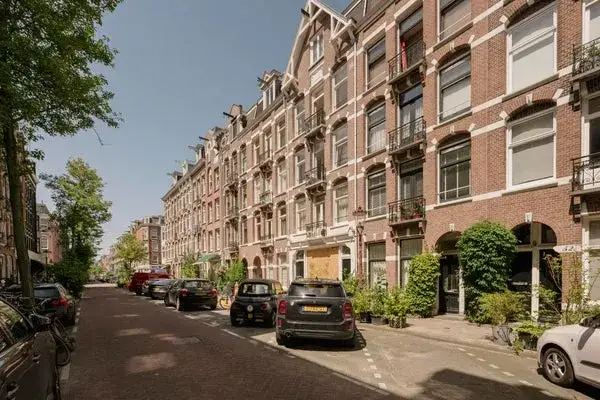
Brederodestraat 105


House prices and market figures for Cremerbuurt-Oost, Amsterdam
The owner-occupied market in Cremerbuurt-Oost is compact but active. Of the 1,353 homes in the neighbourhood, 37% are owner-occupied, with the rest being rented out, largely by private landlords (47%) and to a lesser extent by housing associations (16%). In the past twelve months, 87 homes were sold at an average purchase price of €612,609. That is slightly below the average WOZ value of €618,000 for the neighbourhood, and also just under the district average of €666,000 in the Helmersbuurt. Compared to the Amsterdam average of €517,000, Cremerbuurt-Oost is clearly more expensive. Sale prices ranged from €395,000 to €1,398,000, with an average living area of 69 m². That works out to about €8,880 per square metre. The supply consists mainly of apartments in pre-war buildings, with the occasional larger upstairs flat or townhouse. For current asking prices and selling times, please refer to the overview at the top of this page.
Living in Cremerbuurt-Oost, Amsterdam
Cremerbuurt-Oost is a densely populated, urban neighbourhood in the west of Amsterdam, nestled between the Kinkerstraat and the Jan Pieter Heijestraat. Its character is typically Amsterdam-West: pre-war buildings from the 1910s and 1920s, narrow streets with tall facades, many apartments above shops and a lively ground floor. The neighbourhood feels neither touristy nor glossy, but vibrant and authentic. Those who live here do so deliberately, in an urban environment with everything within walking distance.
The Jan Pieter Heijestraat and the Kinkerstraat are the two commercial arteries of the neighbourhood. You will find daily groceries at Albert Heijn and Dirk, but also smaller specialist shops, bakeries and a varied range of eateries. The Foodhallen at nearby Bellamyplein also attracts residents from Cremerbuurt-Oost. For green spaces, you need to walk a bit further: Vondelpark is easily reached by bike, and Rembrandtpark lies to the west. There is no real neighbourhood park, which some residents experience as a shortcoming.
In terms of accessibility, the neighbourhood scores well. Tram 17 runs via the Kinkerstraat towards the city centre and Sloterdijk station. Tram 7 connects the neighbourhood with Leidseplein and the city centre. By bike, you can reach Dam Square in ten minutes. The A10 motorway is quickly accessible via the Surinameplein route for those who regularly use the car. Parking, as in many parts of Amsterdam, is a daily concern: paid parking applies and parking pressure is high.
The neighbourhood has over 2,290 residents, the largest group of whom are between 25 and 45 years old. Single-person households dominate (850 of the households), and only 17% are married. That paints the profile: young professionals, students and dual-income couples without children form the core. The education level is high: 70% have completed higher education, and the average income is €58,500, comparable to the district average. On the neighbourhood main page of Cremerbuurt-Oost you will find resident reviews and detailed neighbourhood data. Residents appreciate the central location and the vibrancy. A frequently heard criticism is the bustle and noise on the main streets. One resident described it as: "You live here right in the city, that's exactly why I live here, but on Friday evenings you notice that too." Those seeking peace and quiet should look at the quieter side streets or neighbouring communities such as Helmersbuurt-Oost or the greener WG-terrein, which has a completely different, more campus-like character.
Is a home in Cremerbuurt-Oost right for you as a buyer?
Cremerbuurt-Oost is most suitable for young professionals and dual-income couples who want to live in an urban setting without being far from the city centre. The average purchase price of over €612,000 and the small average area of 69 m² make it a significant step for first-time buyers without their own capital. Families who need space will find that the supply is limited and that larger homes quickly exceed €900,000. Overbidding is common in this neighbourhood, so expect a bidding strategy with a buffer. Those who want to be more flexible can also look at rental homes in Cremerbuurt-Oost as a temporary alternative, or compare with the broader supply of homes for sale in Amsterdam.
What residents say about Cremerbuurt-Oost
Residents give the neighbourhood a solid average score, with location and accessibility being the most highly valued. The amenities in the immediate vicinity and the lively atmosphere are also mentioned positively. Residents are less enthusiastic about parking and noise nuisance on busy evenings. One resident wrote: "Everything I need is within walking distance, the neighbourhood feels familiar and active." Read all reviews and view the sub-scores on the overview page of Cremerbuurt-Oost.
Comparing homes for sale in and around Cremerbuurt-Oost
Buurtje.nl brings together the supply from more than 1,500 sources in one place, supplemented with resident reviews and neighbourhood data that you won't find anywhere else on a purchase page. This way, you can compare not only homes but also neighbourhoods. Also check out the supply in the broader Helmersbuurt, or explore other popular Amsterdam neighbourhoods such as the Jordaan, the Haarlemmerbuurt or the Grachtengordel-West. Want to know more about municipal housing policy and permits? Then visit amsterdam.nl.
What is the cost of a home in Cremerbuurt-Oost?
The average purchase price in Cremerbuurt-Oost over the past twelve months was €612,609, based on 87 sold homes. Sale prices ranged from €395,000 to €1,398,000. The average living area was 69 m², which works out to about €8,880 per square metre. Overbidding is common in this neighbourhood.
What is the WOZ value in Cremerbuurt-Oost?
The average WOZ value in Cremerbuurt-Oost is €618,000. This is above the Amsterdam average of €517,000, but just below the district average for Helmersbuurt as a whole, which is €666,000. The WOZ value gives an indication of the price level, but the actual sale price may differ.
What is it like to live in Cremerbuurt-Oost?
Living in Cremerbuurt-Oost means living in a lively, urban neighbourhood with pre-war buildings in the west of Amsterdam. The area mainly attracts young professionals and dual-income couples. Amenities, restaurants and public transport are easily accessible, but those seeking peace and quiet will find that the main streets are busy and sometimes noisy, especially at weekends.
Is Cremerbuurt-Oost suitable for families with children?
Families are certainly present in Cremerbuurt-Oost, but demographically the neighbourhood is strongly focused on single-person households and young couples. The average home size is 69 m², which can be cramped for a family. Larger homes do exist, but they quickly cost over €900,000. Primary schools in the area are accessible, but Cremerbuurt-Oost is not primarily a quiet family street.
How accessible is Cremerbuurt-Oost?
Accessibility is one of the neighbourhood's strong points. Tram 17 (via Kinkerstraat) and tram 7 connect the area quickly to Leidseplein and Amsterdam city centre. By bike, you can reach the centre in about ten minutes. The A10 is accessible via the Surinameplein route for motorists. Parking in the neighbourhood is paid and parking pressure is high.
What type of homes are for sale in Cremerbuurt-Oost?
The supply mainly consists of apartments and upper-floor homes in pre-war buildings from the 1910s and 1920s. Detached houses or single-family homes are rare. Buying an apartment in Cremerbuurt-Oost often means choosing a home with character, high ceilings and a central location, but also limited outdoor space and sometimes outdated installations.
Is there enough green space near Cremerbuurt-Oost?
There is no neighbourhood park in Cremerbuurt-Oost itself. Vondelpark is a five to ten-minute bike ride away, and Rembrandtpark lies to the west. If daily green space is important to you, you will find that you need to cycle a bit for it in this neighbourhood. The WG-terrein, a neighbouring community with more greenery and open space, offers an alternative for those who prioritise this.