Homes for sale in Don Bosco, Amsterdam
Discover homes for sale in Don Bosco and find the property that suits your needs. View the current listings, average asking prices, and selling times directly at the top of this page.

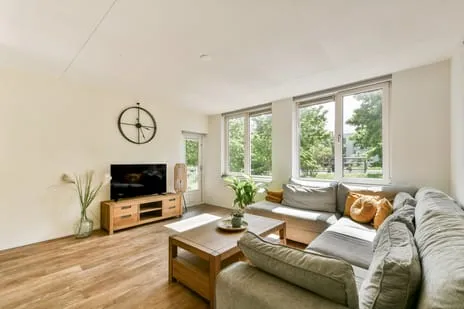
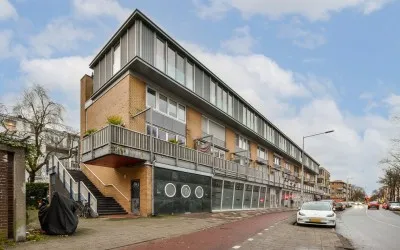
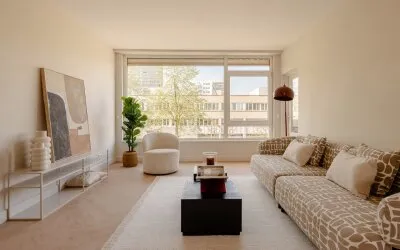
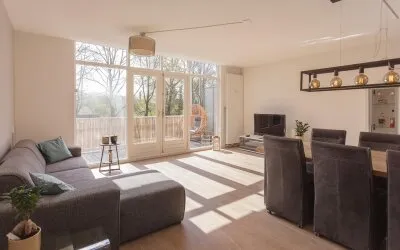
House prices in Don Bosco, Amsterdam
Don Bosco is an up-and-coming owner-occupied neighbourhood, but the market here is clearly more selective than in the rest of the district. Of the 1,016 homes in the neighbourhood, 44% are owner-occupied and 56% are rental properties, with a portion of those rentals owned by housing associations (29%). The average WOZ value is €668,000, which is significantly higher than the average for the Frankendael district (€493,000) and also above the Amsterdam average of €517,000. That difference is remarkable for a neighbourhood that is not immediately known as the most expensive in the city.
In the past twelve months, 19 owner-occupied homes have been sold in Don Bosco, with an average selling price of €849,737. The range runs from €420,000 to €1,480,000, indicating that both entry-level homes and larger family homes come onto the market. The average living area is 90 m², which works out to a price of around €9,400 per square metre. This puts Don Bosco clearly above the Amsterdam average. Check the current listings and asking prices at the top of this page for the most recent market situation.
Living in Don Bosco, Amsterdam
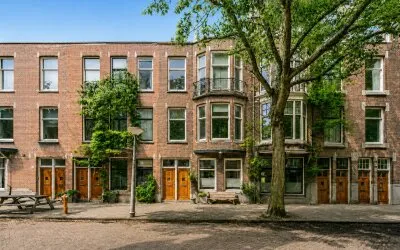
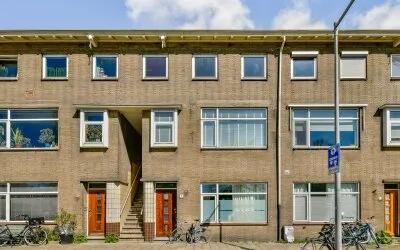
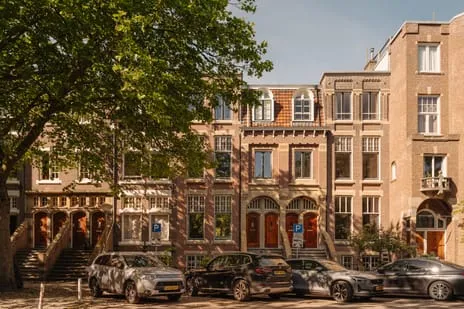
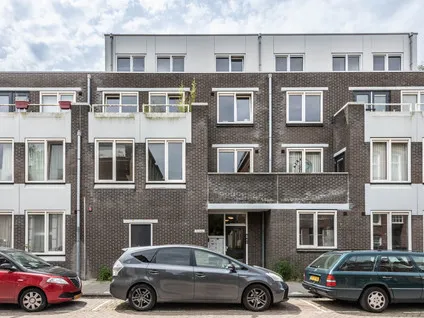
Don Bosco is a quiet, green residential neighbourhood in Amsterdam-East, nestled between the Amstelpark, the Amstelspoorzone and the busier-feeling parts of Frankendael. The neighbourhood has a remarkably mixed character: you will find 1950s and 1960s porch flats alongside detached 1930s villas and terraced houses, creating an atmosphere that feels both subdued and spacious. Streets like Groenhoven and the area around Don Bosco Square have an almost village-like tranquillity, while at the same time you are within cycling distance of the liveliness of the Wibautstraat and Amstel Station.
In terms of amenities, the neighbourhood is compact but functional. For daily groceries, there are supermarkets within walking distance, including branches on the Gooiseweg and in the nearby shopping area of the Hogeweg. Don Bosco Primary School is in the neighbourhood itself, and you do not have to leave the district for childcare either. The Amstelpark, directly adjacent to the neighbourhood, is the green heart of the area: a large city park with a mini-golf course, petting zoo and catering facilities, which residents regularly mention as one of the great assets of living here. "The Amstelpark is within walking distance and you notice that every day. Ideal for a morning walk or with the children at the weekend," writes a resident on the neighbourhood page.
Accessibility is good, especially for a neighbourhood that looks so green and quiet. Amstel Station is about a ten-minute bike ride away, with direct connections via metro, train and several tram lines to the centre of Amsterdam. By car, the A10 is quickly reachable via the Gooiseweg, which also makes the neighbourhood attractive for people who regularly work outside the city. Parking is regulated on most streets but is usually still manageable, although residents report that it can be a challenge during peak times.
Compared to neighbourhoods like the Van der Kunbuurt or Julianapark, Don Bosco has a slightly quieter and more subdued character. It is less pronounced in terms of architecture than Julianapark, but offers more space and greenery than the denser Van der Kunbuurt. The nearby De Wetbuurt has a similar quiet atmosphere but a different housing stock. For a complete picture of the neighbourhood, including all resident reviews and scores, see the Don Bosco neighbourhood main page.
Does an owner-occupied home in Don Bosco suit you as a buyer?
Don Bosco mainly attracts families and dual-income earners aged 25 to 45, the largest group in the neighbourhood. With an average income of €49,200 and a high level of education (66%), it is a neighbourhood where buyers are usually financially solid. The average purchase price of €849,737 makes an owner-occupied home in Don Bosco unaffordable for first-time buyers without their own capital or family wealth. Overbidding is not uncommon in this market, especially for well-located family homes. Those who are more flexible can also look at rental properties in Don Bosco as an intermediate solution, or take a look at the broader range of owner-occupied homes in Frankendael for more choice in a similar environment.
What residents say about Don Bosco
Residents particularly appreciate Don Bosco for its tranquillity, greenery and central location that does not feel central. The proximity of the Amstelpark and the good public transport connections score highly in the reviews. Less positive are residents sometimes about the limited dining and shopping options directly in the neighbourhood itself. "Don Bosco feels like a neighbourhood where you really live, not walk through. Quiet, but with everything within reach," says a resident. Read all reviews and partial scores on the Don Bosco neighbourhood page.
Compare owner-occupied homes in and around Don Bosco
Buurtje.nl bundles listings from more than 1,500 sources in one place, supplemented with resident reviews and district data that you will not find anywhere else on a purchase page. This way you can compare not only homes, but also neighbourhoods. View the listings in the wider district via owner-occupied homes in Frankendael, or explore other Amsterdam districts such as the Haarlemmerbuurt or the Jordaan. For the total listings in the city, including comparative neighbourhood data, go to owner-occupied homes in Amsterdam. More about what the municipality has to offer can also be found on the website of the municipality of Amsterdam.
Frequently asked questions
What is the cost of a home in Don Bosco?
The average purchase price in Don Bosco over the past twelve months was €849,737, based on 19 sold homes. Prices ranged from €420,000 to €1,480,000. With an average living area of 90 m², the price per square metre comes to approximately €9,400. This is clearly above the Amsterdam average, making Don Bosco a segment for movers and buyers with a solid budget.
What is the WOZ value in Don Bosco?
The average WOZ value in Don Bosco is €668,000. This is significantly higher than the average for the Frankendael district (€493,000) and also above the Amsterdam average of €517,000. The relatively high WOZ value reflects the attractiveness of the neighbourhood, partly due to its location near Amstelpark and good accessibility.
What is it like to live in Don Bosco?
Don Bosco is a quiet, green residential neighbourhood in Amsterdam-Oost with a mixed housing stock of 1930s villas, 1950s porch flats and terraced houses. The neighbourhood has a subdued character and attracts many families and dual-income households. Residents particularly appreciate the proximity of Amstelpark, the relative tranquillity and good public transport connections. The range of shops and eateries directly in the neighbourhood is limited, but the surrounding districts more than make up for it.
Is Don Bosco suitable for families with children?
Don Bosco is certainly suitable for families. The largest age group in the neighbourhood is 25 to 45 years (730 out of 2,160 residents), and there are relatively many children (330 aged 0 to 15). Don Bosco Primary School is located in the neighbourhood itself, and Amstelpark offers space for outdoor play. The homes average 90 m² in size, which is sufficient for smaller families, but larger families may need to consider a higher price for more space.
How accessible is Don Bosco?
Don Bosco is well accessible by public transport. Amstelstation, with metro, train and tram, is about a ten-minute bike ride away. Several bus routes run through or past the neighbourhood. By car, the A10 is quickly reachable via the Gooiseweg, convenient for commuters heading to Schiphol or Utrecht. Parking is regulated but still reasonably manageable on most streets, though it can be a challenge during peak times.
What type of homes are for sale in Don Bosco?
The housing stock in Don Bosco is diverse. You will find porch flats and maisonettes from the 1950s and 1960s, but also terraced houses and occasionally detached homes from the 1930s. Those considering buying an apartment in Don Bosco will find options in the porch flat style. The average sold floor area over the past twelve months was 90 m², but the range from €420,000 to €1,480,000 shows that both larger and smaller properties come onto the market.
Is there enough green space and play areas in Don Bosco?
Green space is one of Don Bosco's strong points. Amstelpark borders directly on the neighbourhood and offers a large city park with, among other things, a petting zoo, mini-golf course and catering facilities. Residents frequently mention the park as one of the reasons they chose this neighbourhood. In addition, there are smaller neighbourhood green strips and playgrounds within the district itself, making the area attractive for families who value outdoor space.