


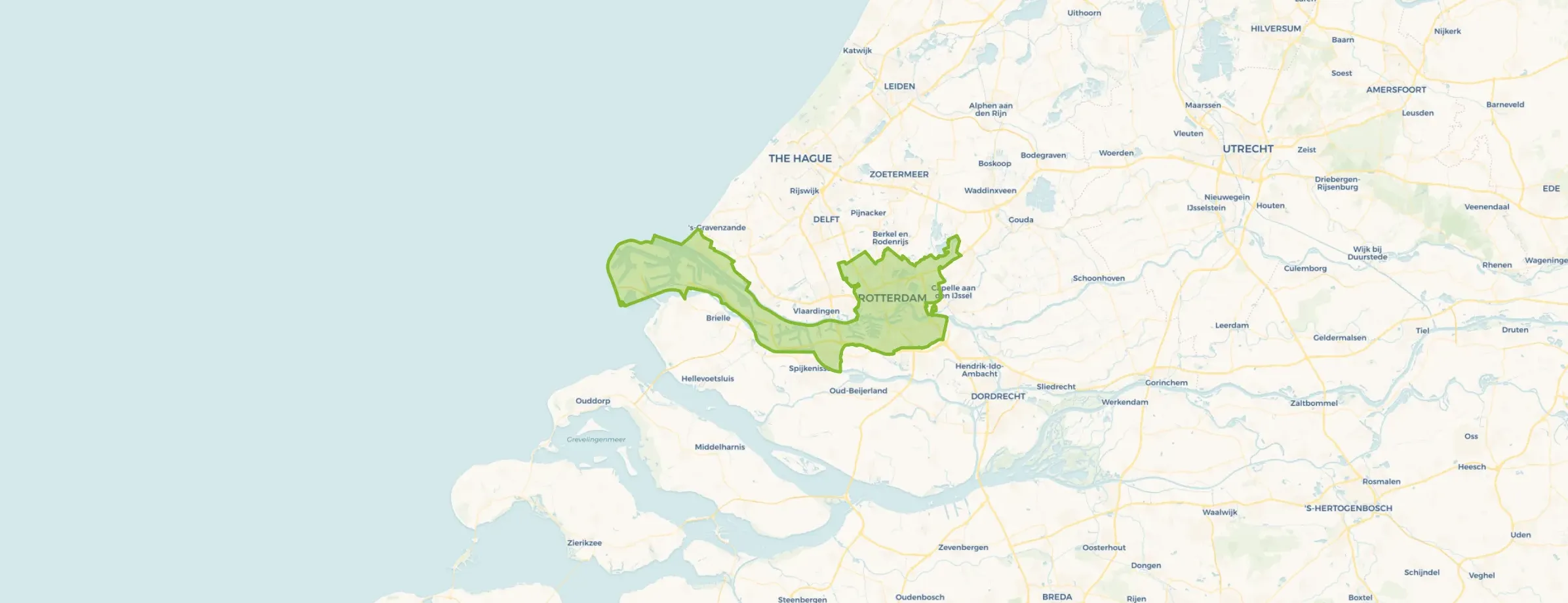



40 homes for sale in IJburg-Zuid, Amsterdam
Looking for a home to buy in IJburg-Zuid? Check the current supply, average asking prices and selling times right at the top of this page.
















Purchase prices in IJburg-Zuid: well above the Amsterdam average
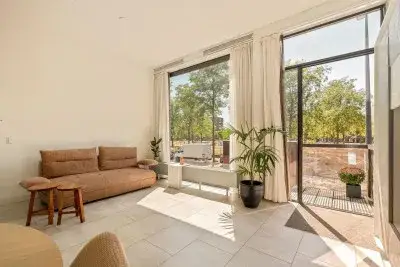
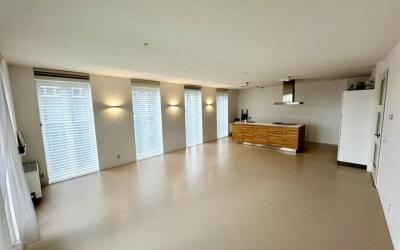
Of the more than 3,000 homes in IJburg-Zuid, 44% are owner-occupied, the rest are rental, a large proportion of which are owned by housing associations. The average WOZ value is €648,000, which is significantly higher than the municipal average of €517,000 for Amsterdam as a whole. In the past twelve months, 60 homes were sold at an average purchase price of €874,633. The range runs from €450,000 to €2,595,000, with an average living area of 132 m². The supply consists mainly of larger apartments and ground-based homes, fitting the relatively young family neighbourhood that IJburg-Zuid is. For current asking prices and selling times, check the overview at the top of this page.
Living in IJburg-Zuid: new-build on the water, but with clear caveats
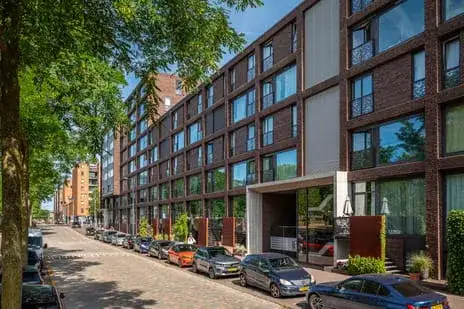
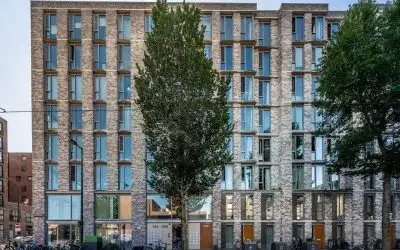
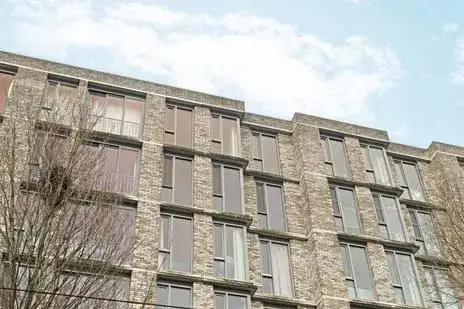
IJburg-Zuid is a young, planned neighbourhood on artificial islands east of Amsterdam. The buildings are predominantly new-build from the 2000s and 2010s, with much architecture designed to stand out. Residents give the neighbourhood a 6.2 out of 10 on Buurtje.nl, and if you look at the individual scores, you quickly see where the pain points lie. Beauty scores a 7.6 and safety a 7.2, but accessibility only achieves a 4.4. That is no coincidence. Several residents explicitly mention this: "Many speed bumps, few public transport options" and "the bridges are annoying" are recurring comments. The neighbourhood is on the islands, and those without a car notice it. The IJtram (line 26) runs to the city centre, but the frequency and travel time of about 25 to 30 minutes to Amsterdam Central are seen as a drawback by residents. There are no metro stops and bus connections are limited.
Living in IJburg-Zuid also means doing with relatively few daily amenities. There is a neighbourhood shopping centre at Bert Haanstrahof with a supermarket and a few shops, but for a wide range you have to leave the neighbourhood. Theo van Gogh Park is the largest green area, but residents are not enthusiastic about it: "Theo van Gogh Park is ugly and not cosy, no nice benches in spots," writes one resident. Green scores a 5.4. There are playgrounds and water pumps, and the Markermeer is within cycling distance, but there is little in the way of lively park life. For schools, there are primary schools in the neighbourhood; the education score stands at 6.0. Those looking for more urban amenities would be better off looking at neighbourhoods like the Haarlemmerbuurt or the Jordaan, where the level of amenities is much higher.
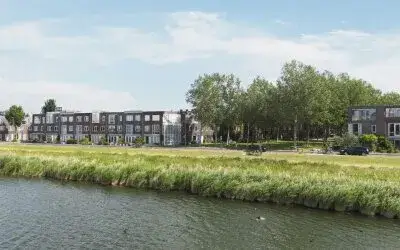
Within IJburg-Zuid, there are clear differences per sub-neighbourhood. Rieteiland-Oost has a more exclusive character with detached homes and spacious plots directly on the water, while the Theo van Goghparkbuurt is more compact and affordably priced. The Havenkwartier IJburg also has its own atmosphere with houseboats and harbour-related architecture. Social cohesion varies: there is neighbourhood watch and street coaches are active, but one resident also writes that "some neighbours can be extremely rude and threatening." It is a neighbourhood in development, with a young population, many families with children, and a high level of education (57% highly educated). More resident reviews and neighbourhood data can be found on the IJburg-Zuid neighbourhood page.
For whom is buying in IJburg-Zuid a realistic option?
IJburg-Zuid mainly attracts families looking for space and willing to pay a hefty price for it. With an average sale price of nearly €875,000, this is not a market for first-time buyers. Movers with equity and a stable income are more at home here. Keep in mind additional costs such as transfer tax (2% for owner-occupiers above the starter exemption), notary fees, and possible homeowners' association contributions. Those unsure whether buying is the right move now can also look at rental homes in IJburg-Zuid as a temporary alternative. Be honest about the drawbacks: accessibility is a structural issue and the level of amenities is limited compared to more central Amsterdam neighbourhoods.
Finding owner-occupied homes in IJburg-Zuid via neighbourhood information
Buurtje.nl combines the current housing supply with resident reviews and neighbourhood statistics, so you not only buy a house but also know what to expect from the area. Also compare the supply in other Amsterdam neighbourhoods such as Grachtengordel-West or view the full overview of owner-occupied homes in Amsterdam to see where your budget fits best.
What is the average price of a home for sale in IJburg-Zuid?
In the past twelve months, homes in IJburg-Zuid sold for an average of €874,633, with an average living area of 132 m². The range runs from €450,000 to €2,595,000, depending on type and location. The average WOZ value is €648,000, well above the Amsterdam average of €517,000.
What are the additional costs when buying a home in IJburg-Zuid?
When buying a house in IJburg-Zuid, there are extra costs on top of the purchase price. These include transfer tax (2% for owner-occupiers who do not qualify for the starter exemption), notary fees for the deed of transfer and mortgage deed, and possible valuation costs. For apartments, you also pay a monthly VvE contribution. Budget on average around 4 to 6% of the purchase price for additional costs.
What types of homes are available if you want to buy an apartment in IJburg-Zuid?
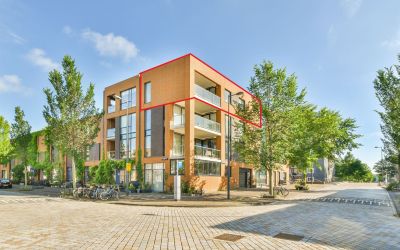
The supply in IJburg-Zuid largely consists of new-build apartments and ground-level homes. Buying an apartment in IJburg-Zuid is possible in various segments, from more compact units in the Theo van Goghparkbuurt to larger homes on Rieteiland-Oost. On Rieteiland-Oost, there are also detached homes directly on the water, representing the more expensive segment.
How is the accessibility of IJburg-Zuid if you buy a house there?
Accessibility is a known pain point for residents. The neighbourhood is connected to the IJtram (line 26) towards Amsterdam Centraal, but the travel time is already 25 to 30 minutes. There are no metro connections and the bus service is limited. Residents on Buurtje.nl rate accessibility at 4.4 out of 10. By car, you are relatively quick via the S114 to the ring road, but that can also be disappointing during rush hour due to the bridges.
Is IJburg-Zuid a suitable neighbourhood to buy a home as a family?
IJburg-Zuid has a clear family character: over 1,660 households with children live there, there are several primary schools in the neighbourhood, and there are playgrounds and space. The neighbourhood is relatively safe (score 7.2) and the streets are clean. Points of attention are the limited daily amenities and the poor accessibility without a car. Buying a home in IJburg-Zuid is only financially feasible for families with a solid budget, given the average sale price of nearly €875,000.
IJburg is a new district still under development and it's getting better with all the amenities and a beach nearby. And you're also quickly out of the city and into the greenery.
Auto-translated to English by AII lived here for about 12 years. The neighbourhood has clear advantages: good connections by tram, bus and ferry/boat, plenty of supermarkets, gyms and practical amenities nearby. For me, however, there was one major drawback: structural low-frequency noise, demonstrably coming from commercial shipping on the Amsterdam-Rijnkanaal. If you are sensitive to that, it can be very burdensome. In my case, it was clearly noticeable indoors, especially at night. Neighbours said they slept with earplugs and extra insulation offered limited to no solution. The municipality took measurements at the time and acknowledged that the noise was significant, but indicated they could do little or nothing about it because the source fell outside their direct authority. My honest advice: visit this neighbourhood not only during the day, but also in the evening and at night, and pay specific attention to low-frequency humming or vibrations. For people sensitive to noise, I would personally strongly advise against this location.
Auto-translated to English by AIThere are no good places to be outside. The Theo van Gogh park is ugly and not cosy. No nice benches in spots and no things like a gym (chain), coffeeshop or late-night snack bar or the like.
Auto-translated to English by AIvery boring. no nice areas or interesting playgrounds. also no nice seating spots.
Auto-translated to English by AIMany speed bumps, few public transport options.
Auto-translated to English by AIIt is generally quite nice and safe, but there are a few neighbours who can be extremely rude and threatening, and that is very disappointing.
Auto-translated to English by AIThere is neighbourhood prevention, street coaches, etc., the streets are relatively clean, there are some parks and from my house some nature area(-like) is accessible. There are water pumps, playgrounds, rubbish bins. Houses are expensive and there is little public transport, the bridges are annoying.
Auto-translated to English by AI