





28 rental homes in IJburg-Zuid, Amsterdam
View the current rental property listings in IJburg-Zuid, including resident reviews and neighbourhood data. Compare prices and find a rental property that suits you.




What does a rental property cost in IJburg-Zuid?
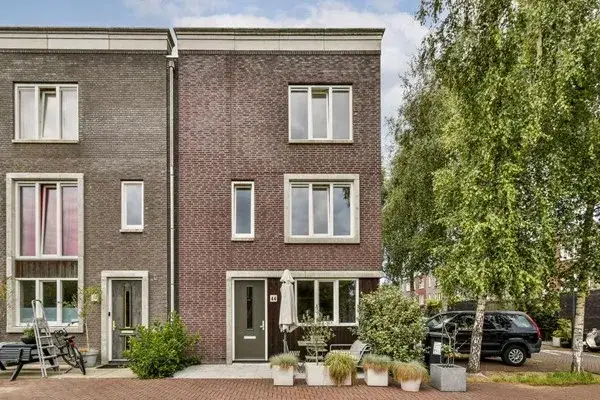
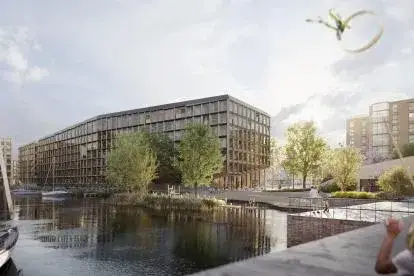
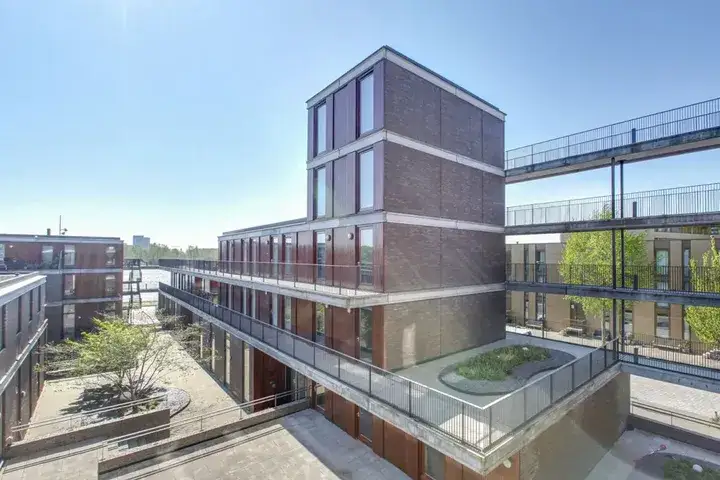
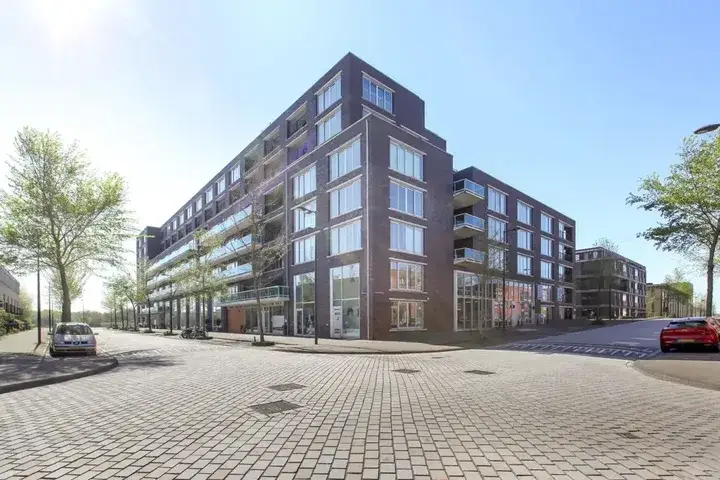
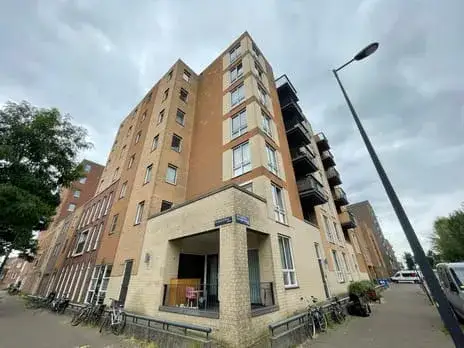
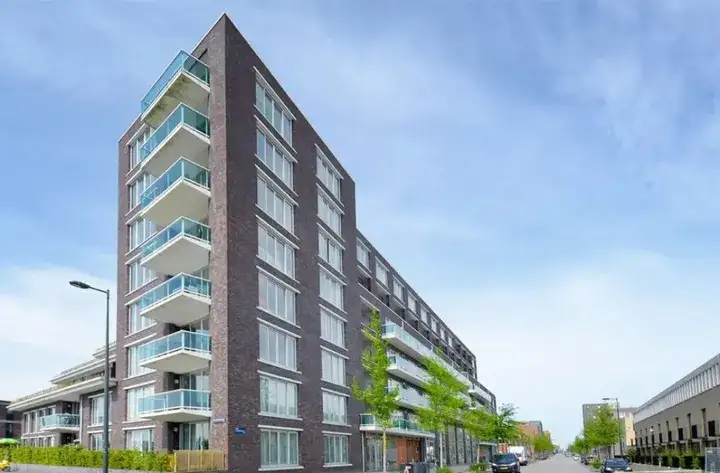
IJburg-Zuid is a neighbourhood where renting is the norm: 56% of the more than 3,000 homes are rental properties. Of these, 39% are owned by housing associations, while 17% are offered by other landlords. In the free sector (excluding social housing), the average rent over the past year was €2,130 per month, with a range from €596 to €4,650. The average size of these homes is 111 m². This makes renting in IJburg-Zuid significantly more expensive than the Amsterdam average, which is also reflected in the WOZ value: €648,000 compared to €517,000 on average in Amsterdam. The average income in the neighbourhood, at €52,800, is also above the municipal average of €44,276. For current daily prices and available supply, you can consult the overview at the top of this page.
New-build neighbourhood with water, wind and mixed opinions
IJburg-Zuid scores a 6.2 out of 10 on Buurtje.nl, based on five resident reviews. This score actually tells the story of this neighbourhood: it's okay, but no more than that. Residents appreciate the safety (7.2) and the beauty of the surroundings (7.6), but accessibility scores a meagre 4.4. And you notice that. One resident sums it up succinctly: "Many speed bumps, few public transport options." Another calls the neighbourhood downright "inaccessible" and misses basic amenities such as a gym, coffee shop or late-night snack bar. The bridges connecting IJburg to the rest of Amsterdam are experienced as annoying by several residents, especially when they are open.
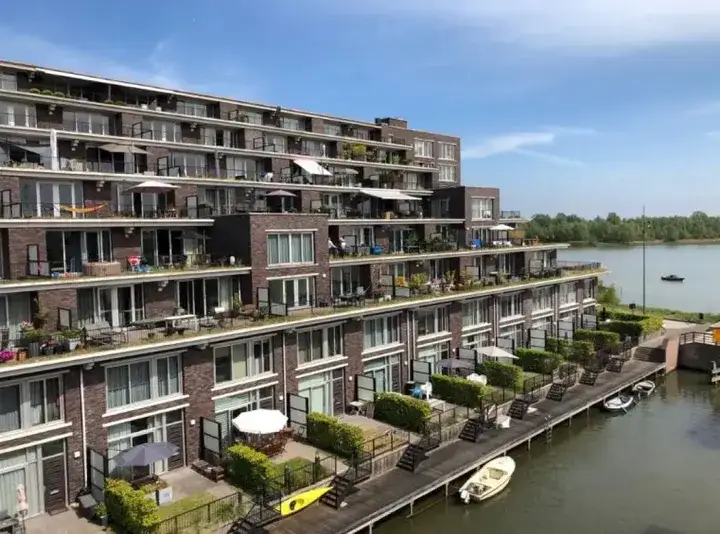
Those living in the Theo van Goghparkbuurt look out onto the park of the same name, but expectations must be tempered. Resident Kai writes: "The Theo van Gogh park is ugly and not cosy. No nice benches in spots." This lack of pleasant outdoor spaces is a recurring theme. For some, the neighbourhood feels "very boring", without interesting playgrounds or inviting seating areas. At the same time, there are indeed water pumps, playgrounds and rubbish bins, and from some parts a kind of nature reserve is accessible. Rieteiland-Oost, for example, offers a quieter, greener setting on the edge of the water.
Yet it is not all negative. Resident Maria calls the neighbourhood "quite nice and safe", although she notes that some neighbours can be "extremely rude and threatening". There is neighbourhood watch and street coaches patrol, which contributes to the feeling of safety. The streets are relatively clean. But the community score of 6.4 shows that the social fabric is still developing. Anyone looking for a rental home in a neighbourhood with a vibrant social life should be aware of this. Read more resident reviews and neighbourhood data for IJburg-Zuid for a complete picture. The municipality of Amsterdam is investing in the development of IJburg, but for now the range of amenities remains limited compared to more established neighbourhoods.
Renting in IJburg-Zuid: for families with patience, less for night owls
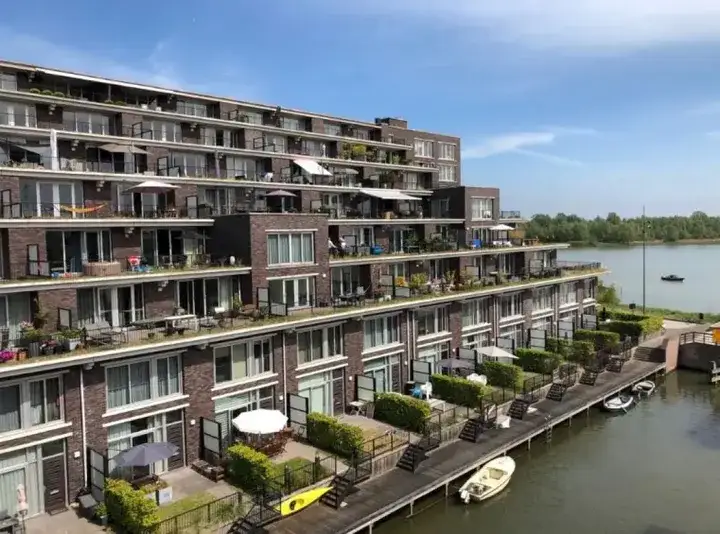
With 1,660 households with children as the largest group, IJburg-Zuid is clearly a family neighbourhood. The relatively new housing stock, the proximity to water and the safety make it attractive for young parents. But if you rely on public transport, want to go into the city regularly in the evenings or need a diverse range of shops and restaurants, then this is not your place. Instead, consider renting an apartment in the Jordaan or check out the supply in the Haarlemmerbuurt, where amenities and public transport are just around the corner. Those who prefer buying to renting can also look at homes for sale in IJburg-Zuid, as 44% of the housing stock is owner-occupied.
Searching for a rental property in IJburg-Zuid: how to find the current supply
At the top of this page you will find the current overview of rental properties in IJburg-Zuid, including filters on price, size and energy label. Via Buurtje.nl you can not only view the supply, but also read resident reviews and compare neighbourhood statistics. Renting a house in IJburg-Zuid sometimes requires patience, as the supply in the free sector is not large. Also take a look at the rental supply in the nearby Havenkwartier IJburg, or compare with other Amsterdam neighbourhoods.
What is the average rent for a home in IJburg-Zuid?
In the free sector, the average rent over the past year was €2,130 per month, with an average floor area of 111 m². The range runs from €596 to €4,650 per month. Social housing is excluded. About 39% of homes in IJburg-Zuid are owned by housing corporations.
How accessible is IJburg-Zuid by public transport?
Accessibility is a known pain point. Residents rate this aspect 4.4 out of 10. There are limited public transport options, and the bridges to the rest of Amsterdam frequently cause delays. Tram 26 is the main connection, but those reliant on public transport should expect longer travel times.
Is IJburg-Zuid a safe neighbourhood to look for a rental home?
Residents rate safety at 7.2 out of 10. Neighbourhood watch and street coaches are active. The streets are relatively clean. However, some residents report occasional noise from neighbours. Overall, the area is considered safe, especially for families.
What amenities are available when renting a home in IJburg-Zuid?
Amenities in IJburg-Zuid are limited compared to more centrally located Amsterdam neighbourhoods. Residents miss, among other things, a gym, restaurants, and late-night shops. There are playgrounds, a supermarket, and primary schools. The score for amenities is 6.2 out of 10.
Who is renting an apartment in IJburg-Zuid suitable for?
IJburg-Zuid is especially suitable for families with children. That is also the largest household group in the neighbourhood (1,660 households). The relatively new homes, the water, and the quiet atmosphere appeal to families. For singles or couples who go out a lot and seek a lively street life, the neighbourhood is less suitable.
IJburg is a new district still under development and it's getting better with all the amenities and a beach nearby. And you're also quickly out of the city and into the greenery.
Auto-translated to English by AII lived here for about 12 years. The neighbourhood has clear advantages: good connections by tram, bus and ferry/boat, plenty of supermarkets, gyms and practical amenities nearby. For me, however, there was one major drawback: structural low-frequency noise, demonstrably coming from commercial shipping on the Amsterdam-Rijnkanaal. If you are sensitive to that, it can be very burdensome. In my case, it was clearly noticeable indoors, especially at night. Neighbours said they slept with earplugs and extra insulation offered limited to no solution. The municipality took measurements at the time and acknowledged that the noise was significant, but indicated they could do little or nothing about it because the source fell outside their direct authority. My honest advice: visit this neighbourhood not only during the day, but also in the evening and at night, and pay specific attention to low-frequency humming or vibrations. For people sensitive to noise, I would personally strongly advise against this location.
Auto-translated to English by AIThere are no good places to be outside. The Theo van Gogh park is ugly and not cosy. No nice benches in spots and no things like a gym (chain), coffeeshop or late-night snack bar or the like.
Auto-translated to English by AIvery boring. no nice areas or interesting playgrounds. also no nice seating spots.
Auto-translated to English by AIMany speed bumps, few public transport options.
Auto-translated to English by AIIt is generally quite nice and safe, but there are a few neighbours who can be extremely rude and threatening, and that is very disappointing.
Auto-translated to English by AIThere is neighbourhood prevention, street coaches, etc., the streets are relatively clean, there are some parks and from my house some nature area(-like) is accessible. There are water pumps, playgrounds, rubbish bins. Houses are expensive and there is little public transport, the bridges are annoying.
Auto-translated to English by AI