Homes for sale in Julianapark, Leeuwarden
Discover the current supply of homes for sale in Julianapark and compare prices, neighbourhood scores and resident reviews directly on this page.
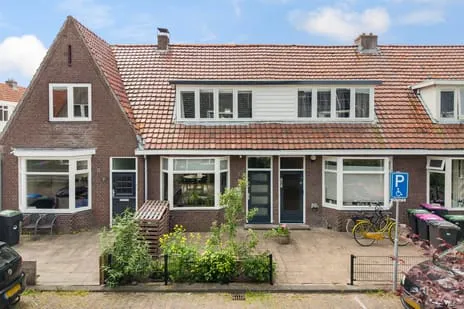
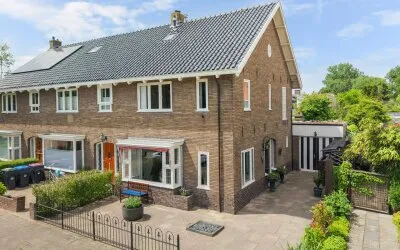

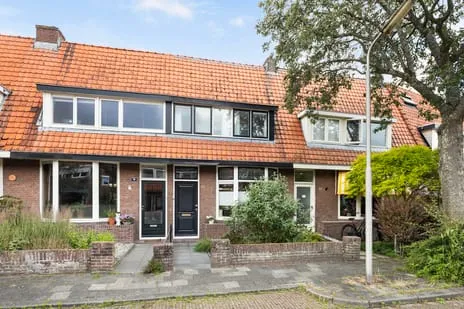
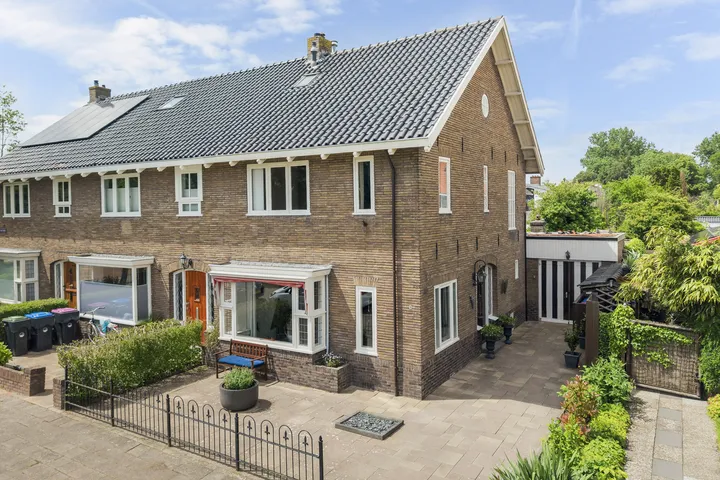
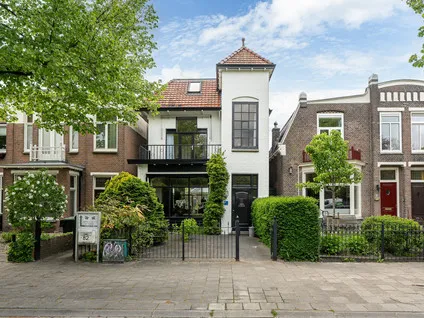
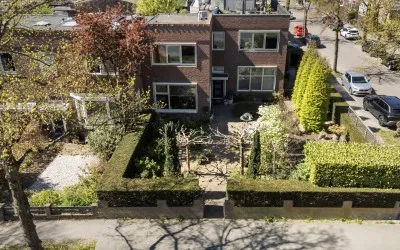
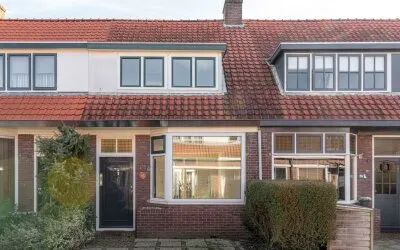
House prices and market figures for Julianapark, Leeuwarden
Julianapark is a pronounced owner-occupied neighbourhood: 88% of the 734 homes are owner-occupied, and only 12% are rented out by private landlords. There are no social housing units. The average WOZ value is €238,000, which is higher than both the district average of Huizum-West (€201,000) and the municipality average of Leeuwarden (€234,000). This indicates that Julianapark is one of the stronger segments within its own district.
Over the past twelve months, 15 homes were sold, with an average purchase price of €302,767. The range runs from €185,000 to €425,000, showing that both entry-level homes and larger family homes come onto the market. With an average living area of 122 m², this works out at a price per square metre of approximately €2,482. The supply mainly consists of ground-floor single-family homes, often terraced houses and semi-detached houses from the post-war construction period. Current asking prices and the average time on market can be found at the top of this page.
Living in Julianapark, Leeuwarden
Julianapark is a quiet, green residential neighbourhood on the west side of Leeuwarden, part of the Huizum-West district. The neighbourhood takes its name from the eponymous park that serves as a green lung at its centre: a well-maintained park with walking paths, play areas and space for exercise. This makes the neighbourhood attractive for families and people seeking peace without living far from the city.
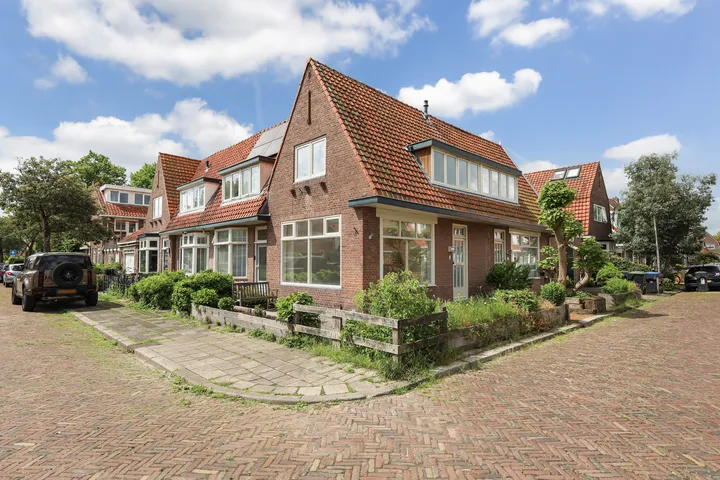
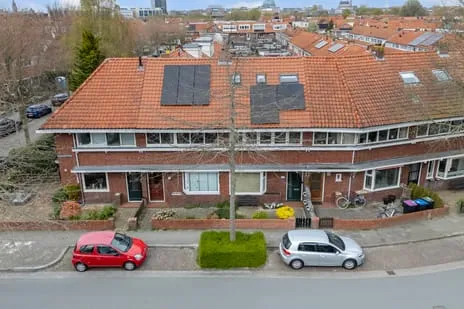
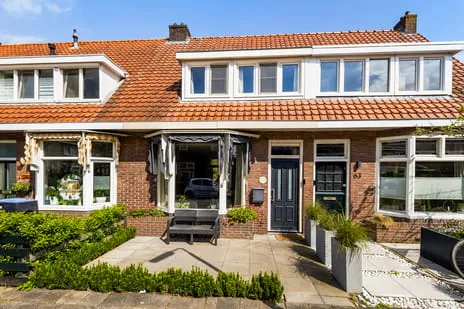
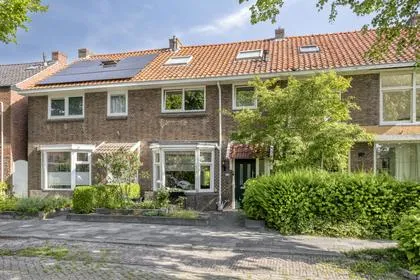
The housing stock largely consists of post-war terraced houses and semi-detached houses, built in the 1950s and 1960s. The streets are wide, with greenery in the verges and a fair amount of parking space. The streetscape looks well-kept without feeling sterile. Residents appreciate the quiet atmosphere and the human scale of the neighbourhood.
For daily shopping, you hardly need to leave the neighbourhood. Within a short cycling distance, there are supermarkets on the Huizumerlaan and in the nearby shopping area of Huizum-Dorp. Primary schools in the immediate vicinity serve the younger children in the neighbourhood; for secondary education, schools in the centre of Leeuwarden are easily accessible. Sports clubs for football, tennis and swimming are available in the wider Huizum-West area.
In terms of accessibility, Julianapark scores well for a suburb. The centre of Leeuwarden can be reached by bicycle in about ten to fifteen minutes, a distance that most residents cover daily. By car, the neighbourhood connects via the Huizumerlaan to the ring road towards the A32 and A31, making Drachten, Sneek and Groningen easily reachable. Bus services run regularly to Leeuwarden central station, where train connections to the rest of Friesland and the Randstad depart.
Residents describe Julianapark as a neighbourhood where you live pleasantly and undisturbed. On the main neighbourhood page of Julianapark you can read all reviews and neighbourhood scores per category. One resident writes: "It is quiet, green and clear here. The neighbours know each other and the park is a nice place for the children." Criticisms that come up concern the limited shopping facilities directly in the neighbourhood and the absence of a lively hospitality offering within walking distance.
Compared to neighbouring communities such as Hollanderwijk and Jan van Scorelbuurt, Julianapark has a somewhat quieter and more family-oriented character. The Gerard Dou neighbourhood has a similar layout but a slightly different housing mix. Those seeking more urbanity can also look at the City Centre or Oud-Oost.
Is a home for sale in Julianapark right for you?
Julianapark mainly attracts families and dual-income earners in the 25 to 45 age group, who form the largest population group. Those aged 45 and over seeking space and peace without leaving the city also find their place here. The average purchase price of over €300,000 makes the neighbourhood less accessible for first-time buyers with a limited budget, although the lower end of the market (from €185,000) still offers opportunities for those who accept a smaller or slightly older home. However, be aware that supply is limited: with an average of only 15 transactions per year, competition is real. Those considering renting can also look at rental homes in Julianapark as an alternative or stepping stone.
What residents say about Julianapark
Residents particularly appreciate Julianapark for its green surroundings, quiet streets and good atmosphere in the neighbourhood. The park itself is often mentioned as one of the strong points. Residents are less enthusiastic about the limited local amenities and the parking situation at busy times. One resident sums it up: "Ideal for those who want peace with the city within reach, but don't expect a bustling village square around the corner." All ratings per category, including scores for safety, liveability and amenities, can be found on the neighbourhood page of Julianapark.
Compare homes for sale in and around Julianapark
On Buurtje.nl you will find homes for sale in Julianapark compiled from more than 1,500 sources, supplemented with neighbourhood scores, resident reviews and district data that you won't find on other platforms. This way you can not only compare the housing supply, but also assess whether the neighbourhood suits you. Also check out the broader supply of homes for sale in Huizum-West or explore homes for sale in Leeuwarden for an overview of all districts. More information about the municipality can be found on the website of the municipality of Leeuwarden. If you also want to look at other lively districts, Sonnenborgh and surroundings and Potmargezone are worth exploring.
Frequently asked questions
What is the cost of a home in Julianapark?
The average purchase price in Julianapark over the past year was €302,767, based on 15 sold homes. The range runs from €185,000 to €425,000. With an average living area of 122 m², the price per square metre comes to approximately €2,482.
What is the WOZ value in Julianapark?
The average WOZ value in Julianapark is €238,000. This is higher than the municipal average of Leeuwarden (€234,000) and clearly above the district average of Huizum-West (€201,000). Julianapark thus belongs to the higher value segments within its own district.
What is living in Julianapark like?
Living in Julianapark means quiet streets, a green park within walking distance, and a neighbourhood with a family-oriented character. The homes are predominantly post-war and ground-based. Residents appreciate the tranquillity and the manageable scale of the neighbourhood, although a lively local amenities offering is lacking.
Is Julianapark suitable for families with children?
Yes, Julianapark is a popular neighbourhood for families. The largest age group consists of 25- to 45-year-olds, and there are over 215 children under the age of 15. Julianapark itself offers play facilities, and primary schools are within short distance. The quiet streets and ground-based homes align well with the needs of families.
How accessible is Julianapark?
Julianapark can be reached by bicycle in ten to fifteen minutes from the centre of Leeuwarden. By car, the neighbourhood connects via the Huizumerlaan to the ring road and the A32 and A31 towards Drachten, Sneek and Groningen. Bus services run towards Leeuwarden central station for train connections to the rest of Friesland.
What type of homes are for sale in Julianapark?
The supply mainly consists of post-war ground-based single-family homes: terraced houses and semi-detached houses from the 1950s and 1960s. The average living area is 122 m². Buying apartments in Julianapark is less common; the supply is predominantly suitable for families or two-person households seeking space.
Is there much greenery in Julianapark and how is the liveability?
Julianapark, after which the neighbourhood is named, forms a central green lung with walking paths and play areas. Residents cite the park as one of the neighbourhood's strongest points. Liveability is generally rated positively, although there are comments about limited dining and shops directly in the neighbourhood. The labour participation rate of 70% and the high proportion of highly educated residents (45%) reflect an active and stable population.