Homes for sale in Lekkerkerk, Krimpenerwaard
Looking for a home to buy in Lekkerkerk? Check the current listings on this page and compare prices, neighbourhood scores, and resident reviews.

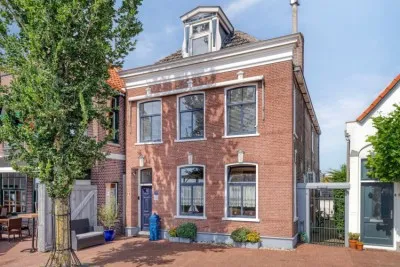

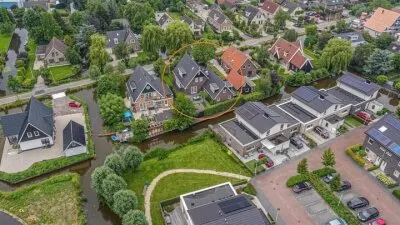
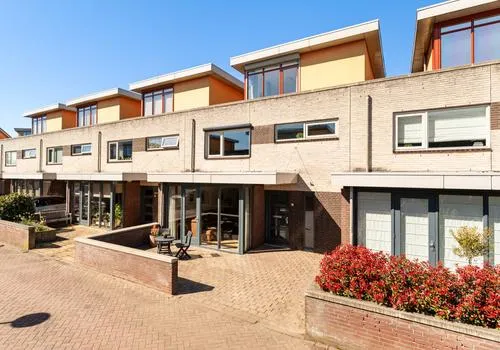
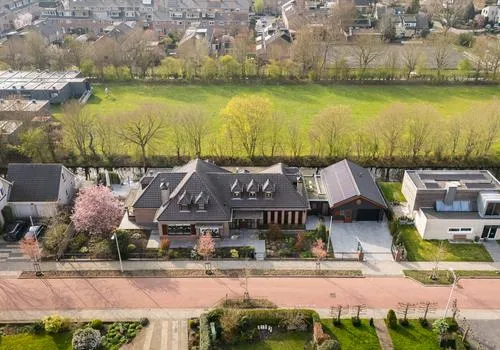
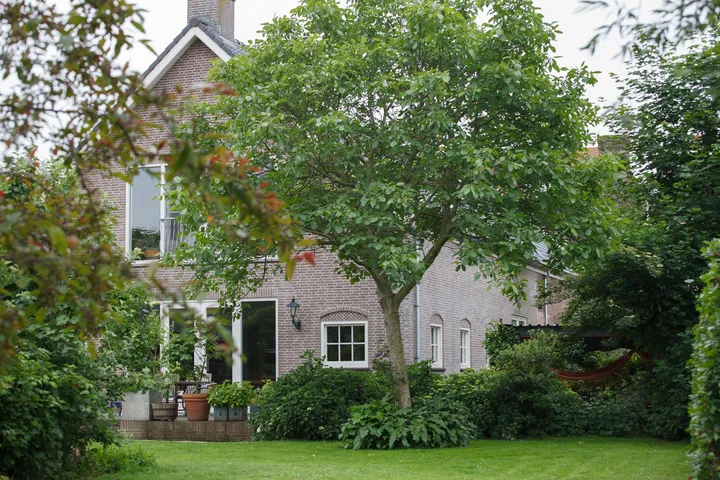
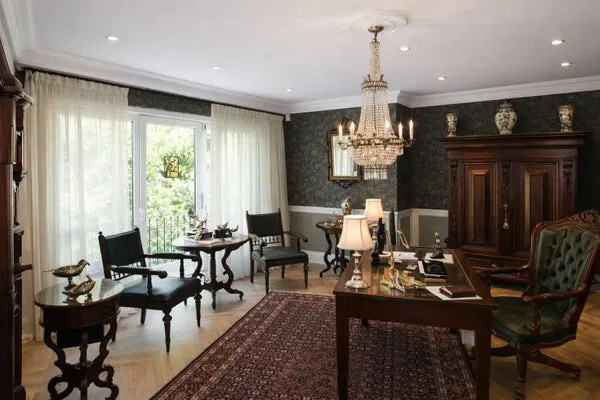
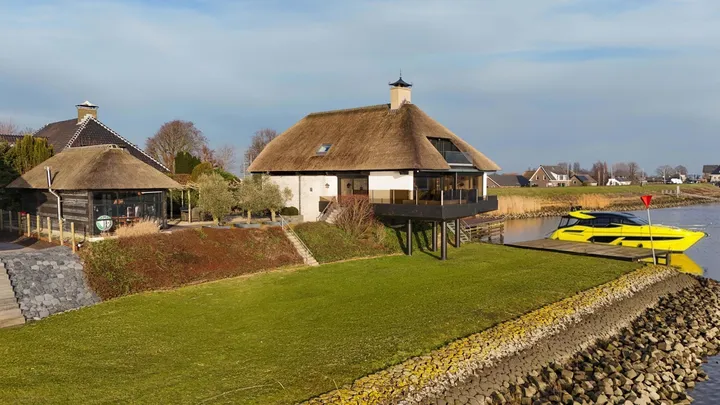
What does a home in Lekkerkerk cost? Prices and market overview
The owner-occupied market in Lekkerkerk is strong. Of the more than 3,400 homes in the village, 66% are owner-occupied, indicating that Lekkerkerk has traditionally been a village of homeowners. The average WOZ value is €364,000, slightly below the municipal average of Krimpenerwaard (€387,000). That difference is striking, because actual transaction prices are significantly higher: over the past twelve months, 47 homes were sold for an average of €616,234. The range runs from €275,000 to €2,150,000, showing that Lekkerkerk has both affordable terraced houses and spacious detached properties on the water. The average sold home had an area of 150 m², indicating a predominantly family-oriented housing stock. For current asking prices and the number of available homes, see the overview at the top of this page.
Living in Lekkerkerk: a compact village with its own character
Lekkerkerk is not an anonymous commuter town. With just under 8,000 residents, the village is large enough for basic amenities, but small enough to know people by name. Residents give the village an average score of 7.1 on Buurtje.nl. Safety (8.5) and beauty (8.5) score notably high, which is recognisable when you walk along the Voorstraat or the Lek. Accessibility (6.0) and amenities (6.0) score lower, and that matches what residents themselves write. Fien, who has lived there her whole life, describes it as "small but fine": she appreciates the compactness and social atmosphere, but misses shops and nightlife for young people. Tessa de Vos sums it up more simply: "cosiness". You can read more resident experiences on the Lekkerkerk neighbourhood page, including scores per category.
In terms of amenities, Lekkerkerk has an Albert Heijn and a few local shops in and around the centre. For more extensive shopping or clothing, most residents drive to Capelle aan den IJssel, Gouda or Schoonhoven. There are primary schools in the village and a sports club for football (SV Lekkerkerk), but you won't find a wide range of shops or a cinema here. The centre, the Voorstraat and the centre, has a village character with historic buildings along the dyke. Those looking for more space and greenery also look at the outlying areas such as Verspreide huizen Lekkerkerk or the quieter Opperduit neighbourhood.
Accessibility is the weakest point. Lekkerkerk has no train station. The nearest stations are Gouda and Capelle-Schollevaar, both about ten to fifteen minutes' drive away. Bus connections exist, but are limited in frequency, making a car necessary for most residents. Via the N210 you quickly reach the A20 towards Rotterdam or the A12 towards Utrecht. For those who commute to a city daily, that is acceptable, but don't expect to get around Lekkerkerk without a car. If you want to compare with other villages in the region, you can also look at Krimpen aan de Lek or Ouderkerk aan den IJssel, both with their own character and sometimes different offerings. More about municipal policy and local developments can be found on the website of Krimpenerwaard municipality.
For which buyers is Lekkerkerk a good choice?
Lekkerkerk mainly attracts families and movers: the largest age group is 45 to 65 years old and over a third of households have children. Buying a home in Lekkerkerk, with an average transaction price of over €616,000, is not a starter market, although homes from €275,000 are available at the lower end of the market. Take into account additional costs such as transfer tax (2% for non-starters), notary fees and any structural survey. Supply is limited, so overbidding is realistic. If you want to be flexible, you can also look at rental homes in Lekkerkerk, or explore homes for sale in Krimpenerwaard more broadly.
Searching for homes in Lekkerkerk via Buurtje.nl
Buurtje.nl combines current housing supply with resident reviews and neighbourhood statistics, so you not only buy a house but also know what the neighbourhood is like. Compare Lekkerkerk with neighbourhoods such as Koninginnenbuurt, Lekkerkerk-Oost or Bergambacht and find the place that suits your situation. The current supply is at the top of this page.
Frequently asked questions
What is the average purchase price of a home in Lekkerkerk?
Over the past twelve months, 47 homes were sold in Lekkerkerk for an average price of €616,234. Prices ranged from €275,000 to €2,150,000, depending on type, location, and size. The average sold home had an area of 150 m².
What are the additional costs when buying a house in Lekkerkerk?
In addition to the purchase price, as a non-first-time buyer you pay 2% transfer tax on the purchase price. Notary costs for the deed of transfer and mortgage deed are added, averaging between €1,500 and €2,500. A structural survey typically costs €300 to €500 and is certainly recommended for older homes. In total, expect around 4 to 6% on top of the purchase price in additional costs.
What types of homes can you buy in Lekkerkerk?
The supply in Lekkerkerk mainly consists of ground-based homes: terraced houses, semi-detached houses, and detached properties. Buying apartments in Lekkerkerk is possible but the supply is limited. The housing stock is strongly family-oriented, with an average sold area of 150 m². By the water and in the rural area, you sometimes find larger detached homes.
How is the accessibility of Lekkerkerk if you want to buy a home?
Lekkerkerk does not have its own train station. The nearest stations are Gouda and Capelle-Schollevaar, about ten to fifteen minutes' drive away. Via the N210 you connect to the A20 towards Rotterdam and the A12 towards Utrecht. Bus connections are available but limited in frequency, making a car necessary for most residents. Residents rate accessibility a 6.0 on Buurtje.nl.
Are there schools and facilities in Lekkerkerk for families who want to live there?
Lekkerkerk has primary education within the village itself. For secondary education, children rely on surrounding places such as Schoonhoven or Capelle aan den IJssel. Daily groceries can be done at the Albert Heijn in the centre. For more extensive shops and hospitality, you drive to Gouda or Rotterdam. Residents appreciate the community (7.5) but rate facilities a 6.0, indicating that the offering is functional but limited.
I mainly like the neighbourhood because I grew up here and still live here. That's why I know everything, and it's not a big neighbourhood either, which I also like. The people are okay, not a stingy neighbourhood or anything. Just few facilities for young people, like nice shops. I do think it's a shame that there is apparently one man who buys up a lot and then makes boring things out of it, like boring clothing stores for older people. As a result, the neighbourhood really becomes more for the elderly. Still, I am happy to live here because it is small and, for me, quite manageable, and it has the basics, and that's the most important thing. Accessibility by car to this neighbourhood is fine, but by public transport it's really poorly arranged. Sometimes you have to wait so long, for example at Capelse brug, for a bus here. So the public transport connection here could really be better.
Auto-translated to English by AICosiness
Auto-translated to English by AI