Homes for sale in Oosterheide, Oosterhout
View the current supply of homes for sale in Oosterheide and compare neighbourhood scores, resident reviews and sales data to make the right choice.

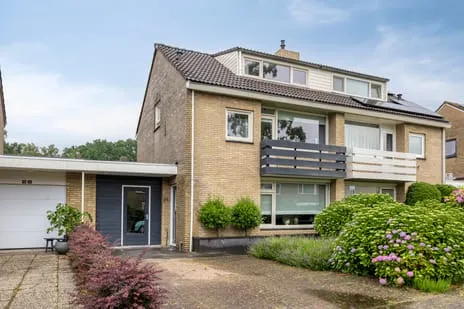
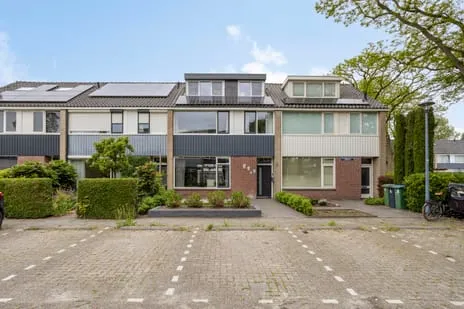
House prices in Oosterheide: below the municipal average, but rising
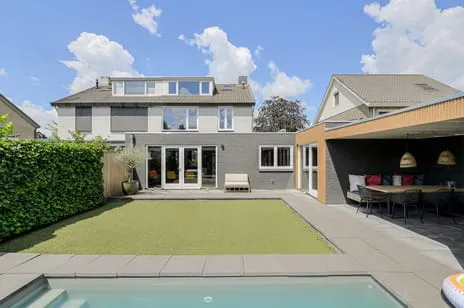
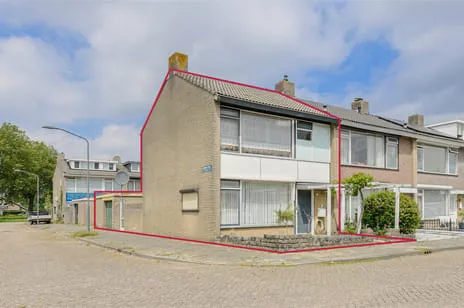
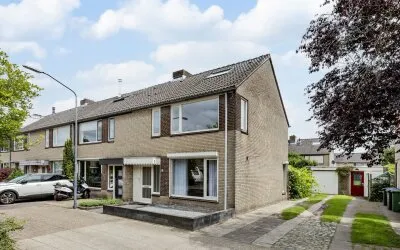
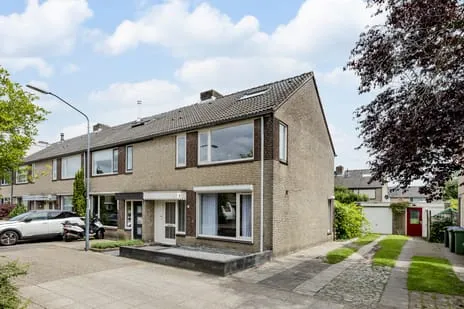
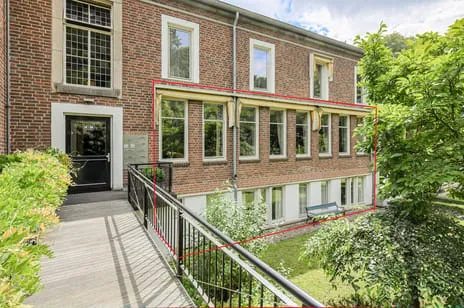
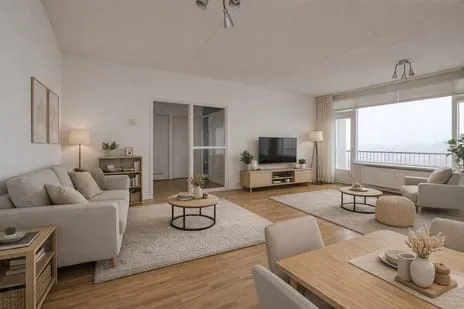
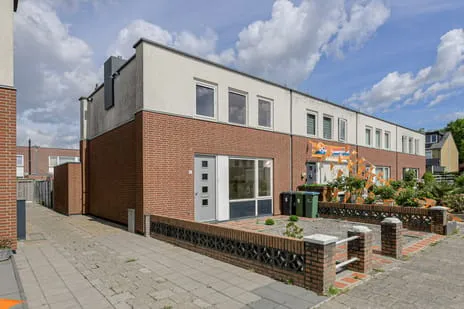
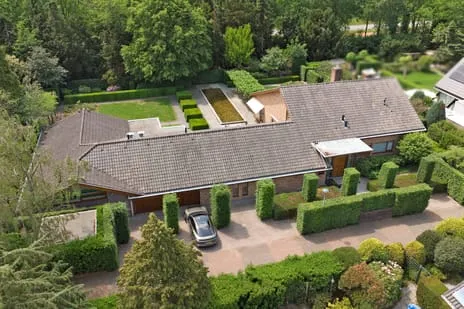
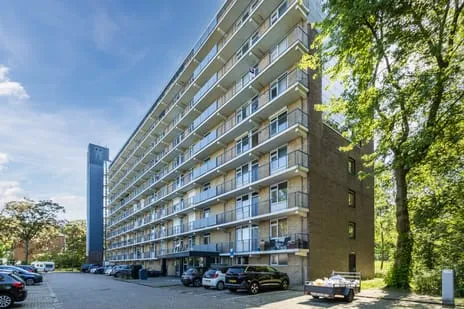
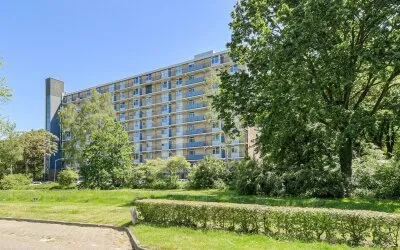
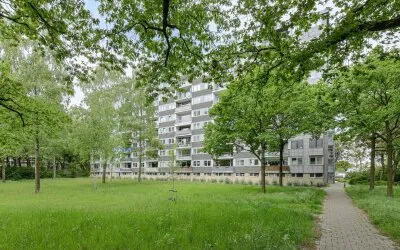
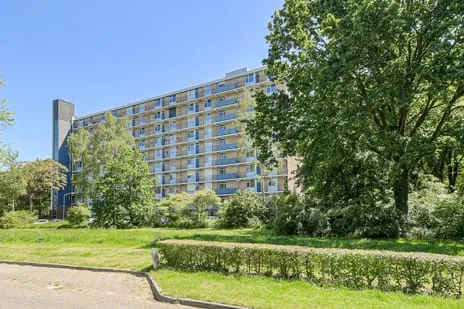
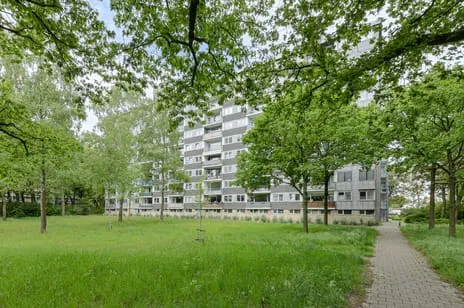
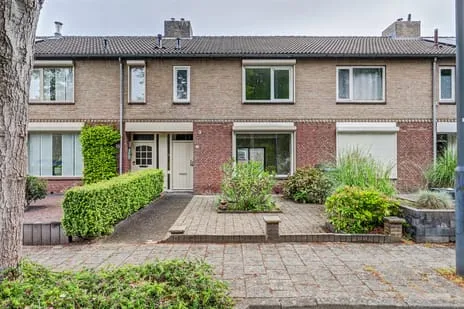
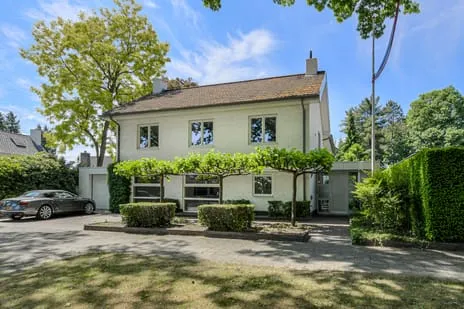
Of the more than 4,000 homes in Oosterheide, 42% are owner-occupied. That is less than in many other neighbourhoods of Oosterhout, where renting and owning are more balanced. The average WOZ value in Oosterheide is €302,000, while the municipal average is €354,000. That difference says something about the type of housing: Oosterheide has relatively many porch flats and terraced houses from the 1960s and 1970s, alongside more spacious single-family homes on the edge of the neighbourhood. In the past twelve months, 30 owner-occupied homes were sold, with an average sale price of €516,333 and a range from €275,000 to €949,500. That wide spread reflects the varied supply. For current asking prices and selling times, you can consult the overview at the top of this page.
Living in Oosterheide: green, mixed and in motion
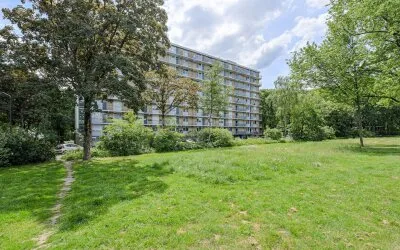
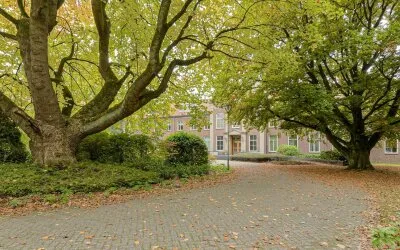
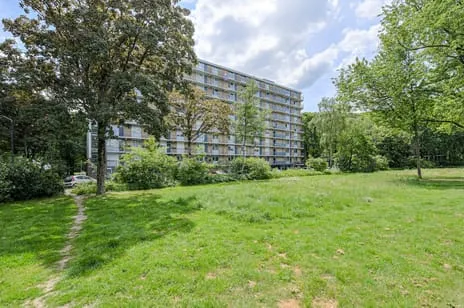
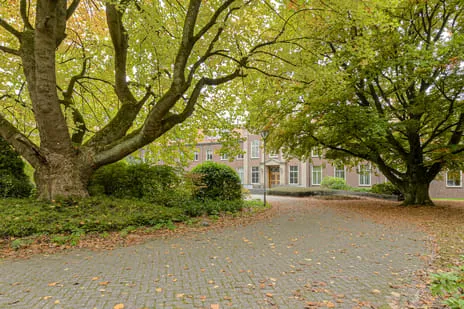
Oosterheide is a neighbourhood that you don't immediately see through. On the one hand, you find quiet streets with lots of greenery, on the other hand, neighbourhoods that are visibly in transition. Residents give the neighbourhood an average of 7.1 on Buurtje.nl, with notably high scores for greenery (8.1) and safety (7.6). The greenery is rightly a trump card: Landgoed Oosterheide and Floraliapark are within walking distance and give the neighbourhood a forest-like appearance that you rarely find in urban neighbourhoods. Thijmen van Luik describes it as a "loving street and forest-like environment" and Loes Mehlbaum simply calls the neighbourhood "cosy, lots of greenery". On the neighbourhood page of Oosterheide you can read all resident reviews and see the full neighbourhood data.
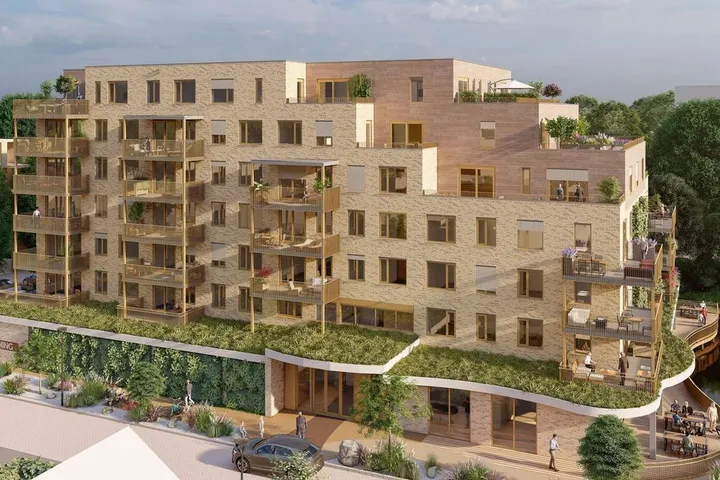
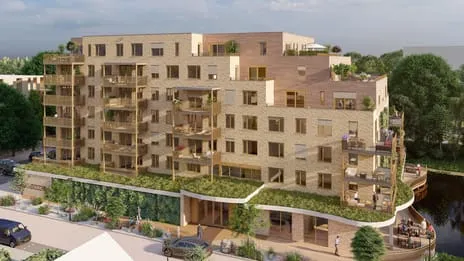
Less rosy is the score for cleanliness (5.9) and housing (6.5). Resident Marielle writes that the neighbourhood is "significantly declining in terms of crime and safety", but immediately adds that there is active renovation and that afterwards it can "only become more beautiful and pleasant". That renovation wave is visible in the neighbourhood: the municipality of Oosterhout is investing in the living environment, which can be followed on the website of the municipality of Oosterhout. Anyone buying now is therefore buying in a neighbourhood that is not yet finished, but has direction. In terms of amenities, Oosterheide scores solidly. There is a shopping centre within cycling or walking distance, with a supermarket and daily shops. Primary schools are present in the neighbourhood itself, although more than one resident notes that schools just outside the neighbourhood sometimes score better. Secondary schools are accessible by bike. Sports clubs and restaurants are well represented, which Isa Verhelst confirms in her review: "Many sports facilities and restaurants."
Accessibility is a strong point. Public transport is nearby, with bus connections linking Oosterheide to the centre of Oosterhout and surrounding towns. By car, the A27 is quickly accessible, bringing Breda and Gorinchem within reach. Within Oosterheide, there are also clear differences in character per neighbourhood. De Warande and the Schrijversbuurt have a different profile than the more urban parts of the neighbourhood. The Bloemenbuurt and Componistenbuurt are also worth exploring if you are considering buying in Oosterheide.
For which buyers is Oosterheide a realistic option?
Living in Oosterheide mainly appeals to families and movers who are looking for space at a price lower than the municipal average. The average sale price of over €516,000 sounds hefty, but the range starts at €275,000, which also offers prospects for starters with a good income. In addition to the purchase price, take into account additional costs such as transfer tax (2% for non-starters), notary costs and possible renovation costs in a neighbourhood that is partly still being renovated. If you are not yet sure whether buying is the right step, you can also look at rental homes in Oosterheide. Also compare with adjacent neighbourhoods such as Slotjes or Leijsenakkers for a more complete picture.
Searching for owner-occupied homes in Oosterheide: how to use this page
At the top of this page you will find the current supply of owner-occupied homes in Oosterheide, including current asking prices and average selling time. Buurtje.nl adds something that you won't find on Funda: resident reviews per sub-aspect and neighbourhood statistics with which you can fairly compare Oosterheide with other neighbourhoods in Oosterhout. Also check out the adjacent neighbourhoods Oosterhout-Centrum and West if you want to broaden your search area.
Frequently asked questions
What is the average cost of buying a house in Oosterheide?
In the past twelve months, 30 homes were sold in Oosterheide, with an average purchase price of €516,333. Prices ranged from €275,000 to €949,500, depending on the type and condition of the property. The average WOZ value in the neighbourhood is €302,000, which is lower than the municipal average of €354,000 for Oosterhout.
What types of homes are available for purchase in Oosterheide?
The supply in Oosterheide is varied. You will find terraced houses and porch flats from the 1960s and 1970s, but also more spacious single-family homes and detached houses on the edge of the neighbourhood. The wide price range, from €275,000 to nearly €950,000, reflects this difference well. The average sold living area in the past period was 147 m².
What are the additional costs when buying a home in Oosterheide?
In addition to the purchase price, as a buyer you typically pay transfer tax (2% for non-starters, 0% for starters under certain conditions), notary costs for the deed of transfer and mortgage deed, and possibly estate agent fees. For older homes, of which Oosterheide has many, it is wise to also include a structural survey in your budget. Expect an average of around 4 to 6% of the purchase price in additional costs.
How is the accessibility if you buy an apartment or house in Oosterheide?
Oosterheide scores well on accessibility: residents give it a 7.4. Public transport is available with bus connections to the centre of Oosterhout and surrounding areas. By car, the neighbourhood quickly connects to the A27, giving you access to Breda and the Utrecht region. Residents describe the public transport connection as good and nearby.
Are there good schools in the area if I move to Oosterheide?
There are primary schools within the neighbourhood itself. Several residents note that schools just outside Oosterheide are sometimes perceived as better, but that secondary schools are easily accessible by bike. For up-to-date information on school offerings and quality ratings, you can visit the website of the municipality of Oosterhout.
Nice neighbours. Cosy atmosphere of the area
Auto-translated to English by AIMy experience with the neighbourhood is good, but I miss a water supply such as a public tap and the schools in this neighbourhood are not so good; those just outside the neighbourhood are better. What is good is the wooded surroundings.
Auto-translated to English by AIThe neighbourhood is very nice, not many strange things happen. Very accessible and connection to public transport around the corner. Primary school is in the area and there are secondary schools within cycling distance. There is a shopping centre within cycling/walking distance. Many sports facilities and restaurants.
Auto-translated to English by AIThe neighbourhood is deteriorating significantly in terms of crime and safety. They are now renovating the neighbourhood, which may take a while, but where they are working there is of course some nuisance, but afterwards it can only become more beautiful and pleasant. Bos Landgoed Oosterheide and Floraliapark are nearby, where you can enjoy walking and many activities are organised for young and old! "De Bunthoef" now on the Beneluxweg, a centre where a lot is organised, but where you can also go for serious matters, which I find very pleasant in this area. The hygiene in and around the houses could be better. Which is also partly due to the residents themselves. Better control. Perhaps more frequent rubbish collection instead of once a month, twice... Bulky waste collection again at fixed times, so that people without transport or much money can still dispose of their waste. So that it doesn't remain everywhere in the neighbourhood, where rats and other vermin take over. Currently, people have been on a waiting list for a house for years but get nothing, while those houses are rented out to "refugees"; that should be looked into more carefully. I am not against genuine refugees who are not safe in their own country, but many are men and leave their families behind in that "unsafe" country. Perhaps it's time to sort out what and who really have a right to a house. Better flow-through... e.g. people in a large house where only one person lives should move to a smaller house.
Auto-translated to English by AICosy, lots of greenery. Public transport is nearby. Owner-occupied and rental homes mixed neighbourhood. Mixed nationalities.
Auto-translated to English by AINo problems, lots of foreign people, but they are friendly so no issues with that. Shops nearby, buses nearby etc. A lot of renovation and construction for housing is currently going on. The municipality is doing their best to make something of it.
Auto-translated to English by AIPlenty of shops in the neighbourhood. Close to the motorway. Public transport is also nearby. Market every week.
Auto-translated to English by AIAn insane, decaying neighbourhood, birds of a feather flock together in the flats, drugs crime and alcohol, I'm fighting for a better living environment
Auto-translated to English by AI