Homes for sale in Van Tijenbuurt, Amsterdam
Check the current supply of homes for sale in Van Tijenbuurt and discover what this quiet Amsterdam neighbourhood has to offer for buyers.

House prices and market figures for Van Tijenbuurt, Amsterdam
In Van Tijenbuurt, 46% of the housing stock is owner-occupied, while 54% is rented, most of which through housing associations. This makes it a neighbourhood with a mixed ownership landscape, which is also reflected in the prices. The average WOZ value is €460,000. This puts the neighbourhood clearly above the average of the broader district Geuzenveld (€393,000), but still below the Amsterdam average of €517,000. For buyers looking to enter the city without paying the absolute top rate, that is a relevant difference.
Over the past twelve months, 23 homes were sold with an average purchase price of €483,348. The range runs from €280,000 to €800,000, indicating that both entry-level homes and larger single-family homes come onto the market. The average sold home had a floor area of 84 m², which works out to a price of around €5,754 per square metre. The supply consists mainly of porch flats and single-family homes from the 1960s and 1970s. View the current supply and current asking prices at the top of this page.
Living in Van Tijenbuurt, Amsterdam
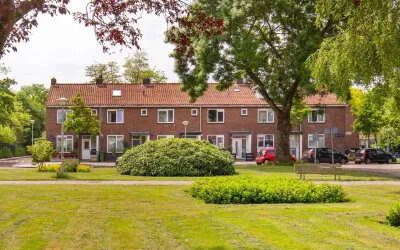
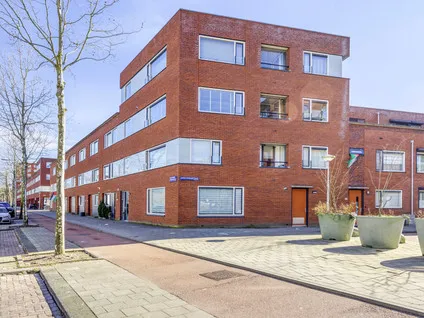
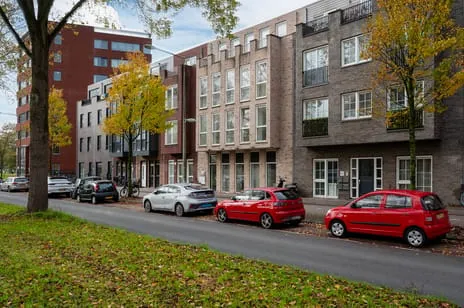
Van Tijenbuurt is a quiet, greenish post-war neighbourhood in the western part of Amsterdam, part of the Nieuw-West district. The streets are named after the architect Cornelis van Tijen, who was known for his functionalist housing, and that stamp is clearly visible here. Wide streets, plenty of greenery between the housing blocks, and a scale that feels like a village in the city. It is not a neighbourhood that stands out for trendy cafés or hip shops, but that is not what residents are looking for here either.
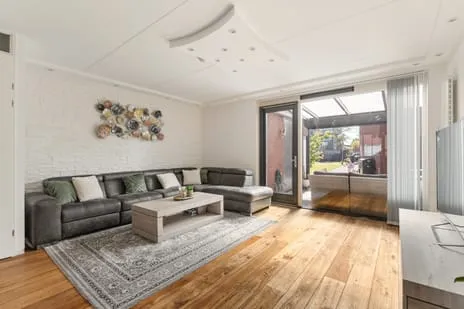
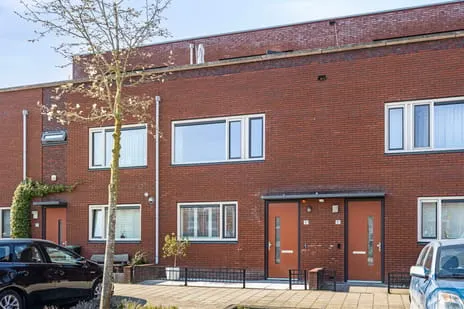
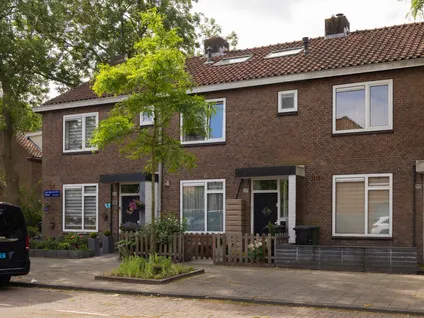
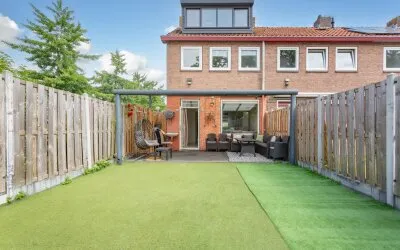
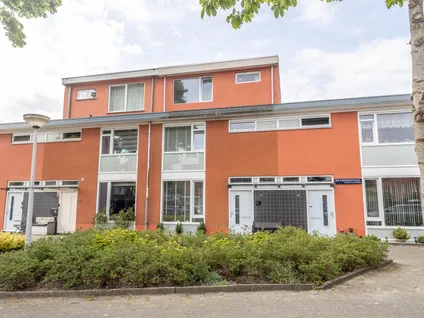
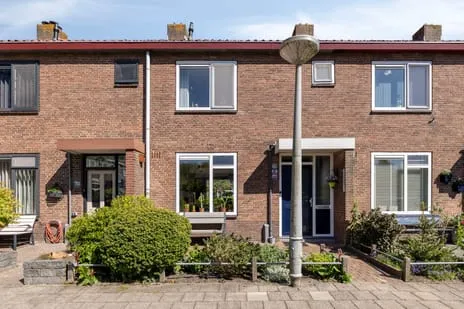
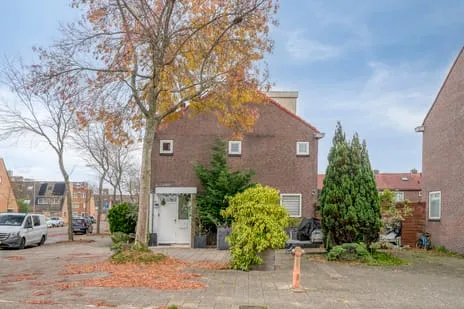
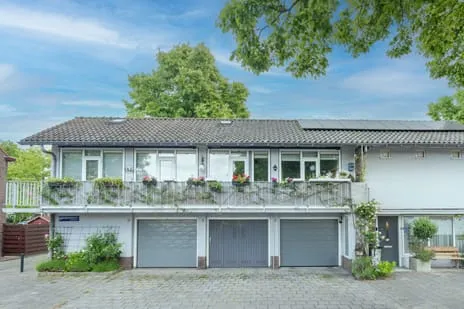
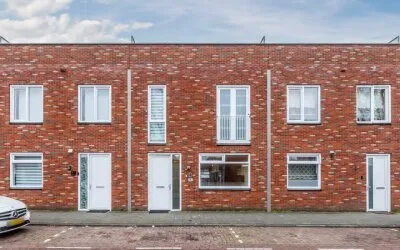
The homes are largely porch flats and ground-level terraced houses from the 1960s, with relatively spacious floor plans for Amsterdam. Gardens or balconies are not uncommon. Those used to the cramped apartments within the ring road will notice the difference in space per euro here. This attracts families, and that is reflected in the figures: the majority of households have children, and the most represented age group is 25 to 45 years.
For daily shopping, there is the Osdorpplein shopping centre within walking distance. It is a functional neighbourhood centre with a supermarket, pharmacy, bakery and a number of small shops. No special dining destination, but everything you need daily is there. For a larger range, Amsterdamse Poort in Zuidoost is accessible, or the city centre via tram. There are several primary schools in the immediate vicinity, including schools with a broad neighbourhood population. Eendrachtspark is nearby and offers space for sports and recreation, as does the Osdorp Golf Course a bit further away.
In terms of accessibility, the neighbourhood is well served by public transport. Tram lines 1 and 17 run through the district and connect the neighbourhood to Amsterdam city centre in about 25 to 30 minutes. Isolatorweg metro station is reachable by bike and offers a fast connection via line 50 towards Sloterdijk and Lelylaan. By car, the A10 via the S106 is quickly accessible, which also makes the neighbourhood attractive for commuters. Parking is still free in most streets, without a paid parking zone, which for some buyers is a decisive practical advantage.
Residents appreciate the peace, space and accessibility. On the neighbourhood main page of Van Tijenbuurt you will find all reviews and neighbourhood scores. One resident describes it as: "It's not a sexy neighbourhood, but I've lived here for eight years and wouldn't want to leave. Spacious, green, and you're in the city centre in twenty minutes." Criticisms that come up are the limited dining options in the neighbourhood itself and the sometimes outdated state of the housing association homes, which affects the appearance of some streets. Compared to nearby neighbourhoods such as Dudokbuurt or Bakemabuurt, Van Tijenbuurt has a slightly higher WOZ value and a somewhat higher share of owner-occupied homes, indicating a more stable buyer's market. Ruys de Beerenbrouckbuurt borders it directly and has a similar character.
Who is a home for sale in Van Tijenbuurt interesting for?
The neighbourhood primarily appeals to families looking for space within Amsterdam without having to pay the absolute top price segment. With an average purchase price of €483,348 and homes averaging 84 m², it is at the upper end of affordability for starters, but a logical step for those moving up from a smaller apartment. Seniors who value ground-floor options and greenery in the area also find what they are looking for here. Honestly speaking: the supply is limited, with fewer than two homes sold per month on average, so quick action is necessary. Those who do not want to buy immediately can also look at rental homes in Van Tijenbuurt as a temporary or alternative option.
What residents say about Van Tijenbuurt
On the neighbourhood main page, resident reviews are available with scores per category, including safety, greenery, amenities and atmosphere. Residents particularly appreciate the peace and space the neighbourhood offers compared to busier Amsterdam districts. A common sentiment: "You have everything you need here, without the hustle and bustle of the canal belt." Less positive are residents about the limited nightlife options and the maintenance of public space in some streets. View all reviews and the full neighbourhood data on the Van Tijenbuurt page.
Compare homes for sale in and around Van Tijenbuurt
Buurtje.nl combines housing supply from more than 1,500 sources with resident reviews and district data, so you not only search for a home but also understand whether the neighbourhood suits you. Compare Van Tijenbuurt with other neighbourhoods in Geuzenveld, or view the broader supply of homes for sale in Amsterdam. Those looking for a greener or more urban environment can also look at the Eendrachtspark neighbourhood or further afield to the Jordaan. For official information about the municipality, you can visit amsterdam.nl.
Frequently asked questions
What does a home cost in Van Tijenbuurt?
The average purchase price in Van Tijenbuurt over the past year was €483,348, based on 23 sold homes. Prices ranged from €280,000 to €800,000. The average floor area was 84 m², which works out to about €5,754 per square metre. This makes buying a home in Van Tijenbuurt more affordable than the Amsterdam average, but certainly no longer an entry-level market.
What is the WOZ value in Van Tijenbuurt?
The average WOZ value in Van Tijenbuurt is €460,000. This puts the neighbourhood above the average for the Geuzenveld district (€393,000), but below the Amsterdam average of €517,000. For buyers looking to enter the city without the highest price bracket, that is a relevant difference.
What is it like living in Van Tijenbuurt?
Living in Van Tijenbuurt feels quiet and spacious by Amsterdam standards. The neighbourhood consists of post-war construction with wide streets and plenty of greenery between the residential blocks. Residents appreciate the tranquillity, accessibility and relatively large homes. Downsides are the limited dining options in the neighbourhood itself and the appearance of some streets where social housing dominates.
Is Van Tijenbuurt suitable for families?
Yes, Van Tijenbuurt is popular among families. The largest age group is 25 to 45 years old and more than half of households have children. There are several primary schools in the area, spacious homes with gardens or balconies, and green play areas nearby such as Eendrachtspark. The quiet character also makes the neighbourhood attractive for young children.
How is the accessibility of Van Tijenbuurt?
Van Tijenbuurt is well accessible by public transport. Tram lines 1 and 17 connect the neighbourhood to Amsterdam city centre in about 25 to 30 minutes. Isolatorweg metro station provides a fast connection to Sloterdijk and Lelylaan via line 50. By car, the A10 is quickly reachable via the S106. Parking is still free on most streets, without a paid parking zone.
What type of homes are for sale in Van Tijenbuurt?
The supply mainly consists of maisonette apartments and ground-level terraced houses from the 1960s and 1970s. Buying apartments in Van Tijenbuurt is possible through the porch flats characteristic of this post-war construction period. The homes are relatively spacious for Amsterdam, with an average sold floor area of 84 m². Detached houses are hardly available.
Is there enough green space and play areas in Van Tijenbuurt?
Yes, greenery is one of the neighbourhood's strong points. The urban design of Van Tijenbuurt provides spacious green strips between the residential blocks. Eendrachtspark is a short distance away and offers space for sports and recreation. The Osdorp Golf Course is a bit further but also accessible. Residents often mention the greenery as a reason to stay living in the neighbourhood.