Homes for sale in Ruys de Beerenbrouckbuurt, Amsterdam
Discover the current supply of homes for sale in Ruys de Beerenbrouckbuurt and see the average asking price and selling time at the top.
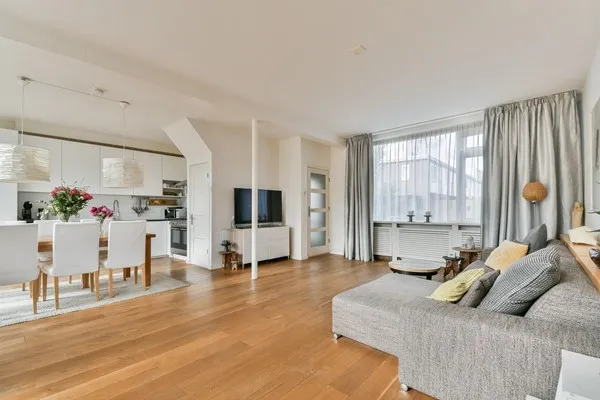
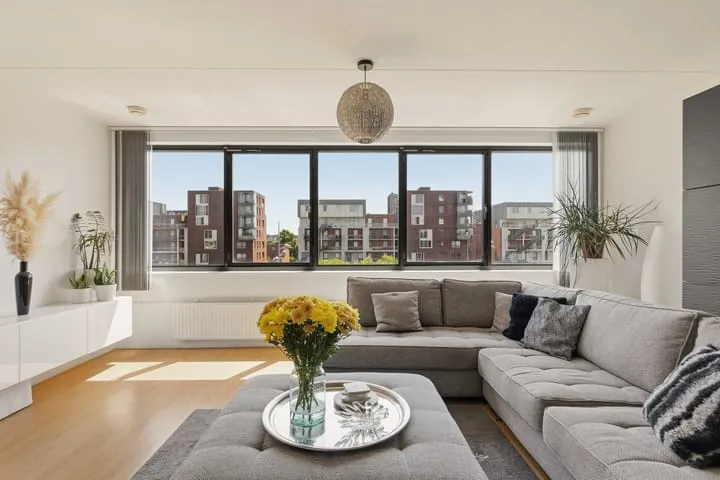

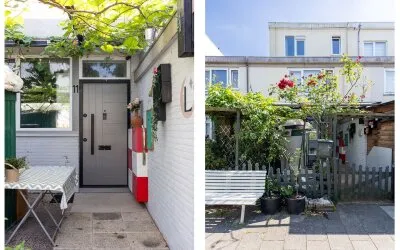
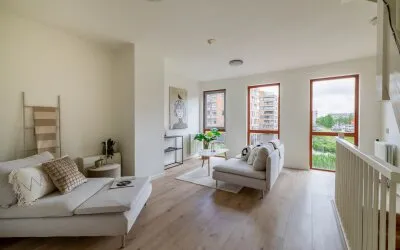
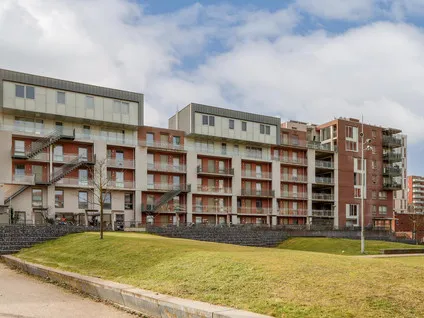
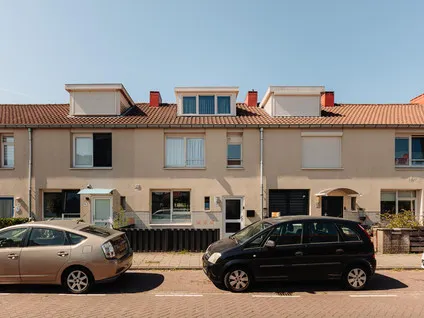
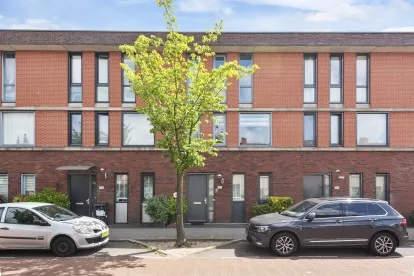


House prices and market figures for Ruys de Beerenbrouckbuurt, Amsterdam
House prices in Ruys de Beerenbrouckbuurt are significantly lower than the Amsterdam average, making the neighbourhood relatively accessible for buyers who want to buy within the city. In the past twelve months, 22 homes changed hands at an average purchase price of €509,318. The range ran from €325,000 to €750,000, with an average living area of 87 m². That works out at approximately €5,855 per square metre. By comparison, the municipal average in Amsterdam is much higher. The WOZ value in the neighbourhood is €389,000, similar to the district average of Geuzenveld (€393,000), but considerably lower than the Amsterdam average of €517,000. Only 20% of the housing stock is owner-occupied; the vast majority (80%) is rental housing, of which 61% is owned by housing associations. The supply of owner-occupied homes is therefore limited and the market can move quickly. At the top of this page, view the current supply, the average asking price and the average time to sell for the most recent situation.
Living in Ruys de Beerenbrouckbuurt, Amsterdam
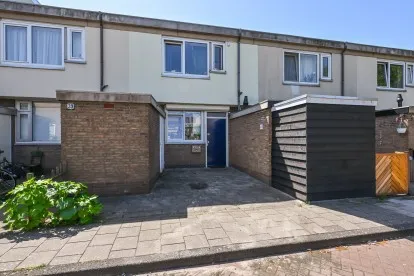
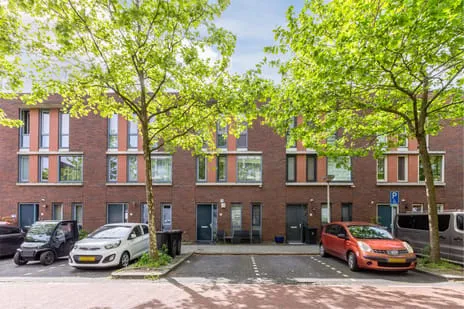
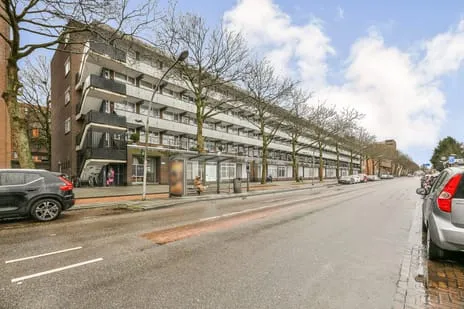
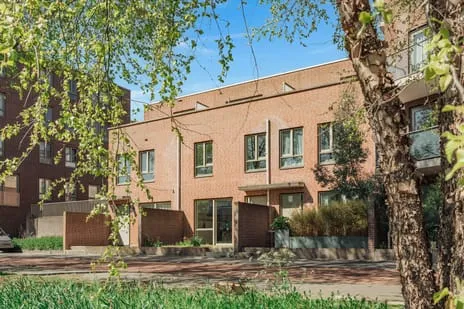
Ruys de Beerenbrouckbuurt is part of the Geuzenveld district in Amsterdam-West and bears the stamp of post-war urban expansion. The neighbourhood was largely built in the 1950s and 1960s and consists mainly of porch flats and gallery flats, interspersed with some terraced single-family homes. The streetscape is functional and spacious, with wide avenues, plenty of greenery between the buildings and space for cyclists and pedestrians. Those used to the dense development of Amsterdam's city centre will immediately notice the difference: it is airier, quieter and less busy.
Residents give the neighbourhood an overall score of 6.3 out of 10. Green spaces score highest (8.0), which is recognisable to anyone walking through the neighbourhood: there are parks, grass fields and the proximity of the Western Harbour Area and the Osdorperplas provides green recreational areas within cycling distance. Amenities also score reasonably (7.0). The Osdorpplein shopping centre, a short bike ride away, offers a full supermarket range including Albert Heijn and Lidl, supplemented by shops for daily groceries, a pharmacy and catering establishments. Closer to home, small neighbourhood supermarkets and a number of primary schools are also within reach.
Accessibility (7.0) is one of the stronger points. Metro line 50 (the ring line) has a stop in the immediate vicinity, and via Lelylaan the train is also accessible towards Amsterdam Central and Schiphol. By car, the A10 is quickly reachable via Cornelis Lelylaan. Cycling to the city centre takes an average of 25 to 35 minutes, depending on your destination.
Less positive are the scores for safety (6.0), community (5.0) and beauty (5.0). One resident describes it as follows: "Little interaction with neighbours, don't like walking on the street in the evening. But plenty of shops and green spaces." That picture fits a neighbourhood with a relatively high share of social housing and a mixed population composition. The neighbourhood has over 6,100 residents, with families with children as the largest household type. The atmosphere is down-to-earth and unpretentious, but not necessarily unpleasant. It depends heavily on the street and the porch block you end up in.
Compared to neighbouring communities such as Van Tijenbuurt or Dudokbuurt, Ruys de Beerenbrouckbuurt is slightly less compact and has a somewhat quieter character. Neighbourhoods like Bakemabuurt and De Eendracht are in the same district and have a similar housing stock. View the neighbourhood page of Ruys de Beerenbrouckbuurt for all resident reviews, neighbourhood scores and demographic data.
Who is a home for sale in Ruys de Beerenbrouckbuurt interesting for?
Buying in Ruys de Beerenbrouckbuurt is most realistic for movers and dual-income couples who want to stay within Amsterdam but don't want to pay top dollar. First-time buyers can buy an apartment in Ruys de Beerenbrouckbuurt for less than in most other Amsterdam neighbourhoods, although a budget of at least €325,000 is still necessary. Families looking for space and who value greenery will find relatively large living areas by Amsterdam standards. Keep in mind that the supply of owner-occupied homes is limited (only 20% of the stock), so homes sell quickly. Overbidding is not uncommon in this market. Those who want more flexibility can also look at rental homes in Ruys de Beerenbrouckbuurt as an alternative or stepping stone.
What residents say about Ruys de Beerenbrouckbuurt
Based on resident reviews, the neighbourhood scores a 6.3 out of 10. The highest sub-scores go to Green spaces (8.0) and Accessibility (7.0). Community (5.0) and Beauty (5.0) score the lowest. One resident writes: "Little interaction with neighbours, don't like walking on the street in the evening. But plenty of shops and green spaces." That is an honest picture of a neighbourhood that is functionally well put together, but where social cohesion still leaves something to be desired. Read all reviews and view the full neighbourhood data on the overview page of Ruys de Beerenbrouckbuurt.
Compare homes for sale in and around Ruys de Beerenbrouckbuurt
Buurtje.nl bundles supply from more than 1,500 sources and links it to resident reviews and neighbourhood data, so you not only find a home but also understand whether the neighbourhood suits you. Want to compare more broadly? Then view the supply in the surrounding neighbourhood Eendrachtspark or Osdorper Binnenpolder, or explore all homes for sale in Geuzenveld. For a broader Amsterdam perspective, from the Jordaan to the Haarlemmerbuurt, you'll find the full overview on the page for homes for sale in Amsterdam. Read more about municipal policy and district development on the website of the municipality of Amsterdam.
Frequently asked questions
What does a home cost in Ruys de Beerenbrouckbuurt?
Over the past twelve months, the average purchase price in Ruys de Beerenbrouckbuurt was €509,318. Prices ranged from €325,000 to €750,000, with an average living area of 87 m². That works out to about €5,855 per square metre. Prices are lower than the Amsterdam average, but supply is limited due to the high proportion of rental homes in the neighbourhood.
What is the WOZ value in Ruys de Beerenbrouckbuurt?
The average WOZ value in Ruys de Beerenbrouckbuurt is €389,000. That is comparable to the average of the surrounding district Geuzenveld (€393,000), but significantly lower than the Amsterdam municipal average of €517,000. This reflects the large share of social housing and the post-war building style in the neighbourhood.
What is it like living in Ruys de Beerenbrouckbuurt?
The neighbourhood is quiet and green, with a functional streetscape of porch flats and terraced houses from the 1950s and 1960s. Residents give the neighbourhood a score of 6.3 out of 10. Green spaces and accessibility are rated positively, but social cohesion and the feeling of safety in the evening score lower. It is a down-to-earth, mixed neighbourhood that works well for those who prioritise space and greenery over cosiness.
Is Ruys de Beerenbrouckbuurt suitable for families?
Families with children are the largest household group in the neighbourhood, so in that sense there is already a family-friendly basis. There are primary schools in the area and green spaces score highly (8.0 from residents). The homes are relatively spacious by Amsterdam standards, averaging 87 m². However, the community score (5.0) is low, meaning neighbourhood ties are weaker than in some other districts.
How accessible is Ruys de Beerenbrouckbuurt?
Accessibility scores a 7.0 from residents. Metro line 50 has a stop in the neighbourhood and Amsterdam Lelylaan station is within cycling distance for train connections to Amsterdam Central and Schiphol. By car, the A10 is easily reached via the Cornelis Lelylaan. Cycling to Amsterdam city centre takes an average of 25 to 35 minutes.
What type of homes are for sale in Ruys de Beerenbrouckbuurt?
The supply mainly consists of apartments in porch and gallery flats from the 1950s and 1960s, supplemented by a limited number of terraced single-family homes. Buying an apartment in Ruys de Beerenbrouckbuurt is the most common option. Only 20% of the total housing stock is owner-occupied, making supply scarce and homes sell quickly.
What about safety and green spaces in Ruys de Beerenbrouckbuurt?
Green spaces are clearly a strong point of the neighbourhood: residents give it a score of 8.0. There are parks between the housing blocks and the Osdorperplas and other green areas are within cycling distance. Safety scores lower (6.0) and one resident indicates they do not like walking on the street in the evening. This varies by street and is something to consider when choosing a specific home in the neighbourhood.
Little interaction with neighbours, I don't like walking on the street in the evening. But plenty of shops and greenery.
Auto-translated to English by AI