Homes for sale in Dudokbuurt, Amsterdam
Check the current supply of homes for sale in Dudokbuurt and discover what this Amsterdam neighbourhood has to offer for buyers looking for affordable living.

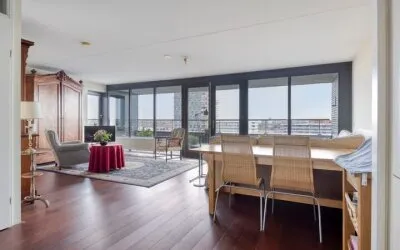
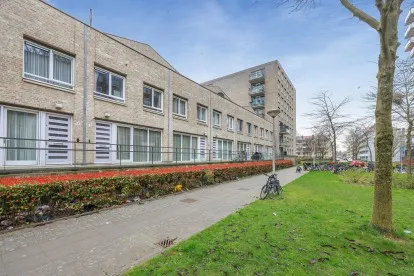
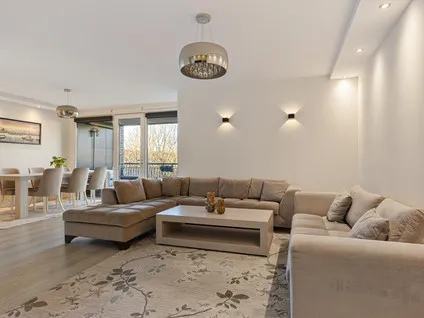
House prices and market figures for Dudokbuurt, Amsterdam
The Dudokbuurt is predominantly a rental neighbourhood: only 25% of the approximately 1,095 homes are owner-occupied, most of which are owned by housing associations. This makes the supply of owner-occupied homes in Dudokbuurt limited, but certainly not uninteresting. The average WOZ value is €340,000, which is clearly below the district average of Geuzenveld (€393,000) and significantly below the Amsterdam average of €517,000. So if you are looking for a home with a lower entry level than the city average, you are looking in the right place here.
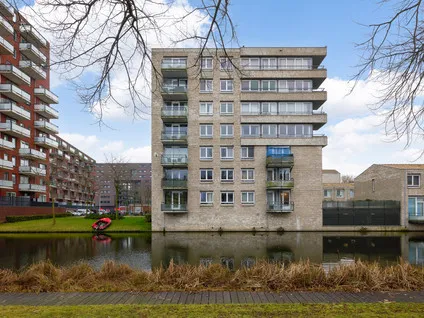
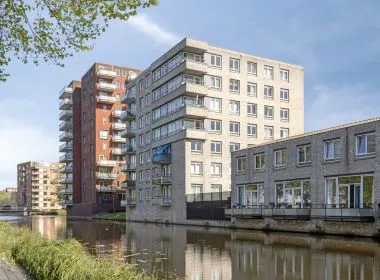
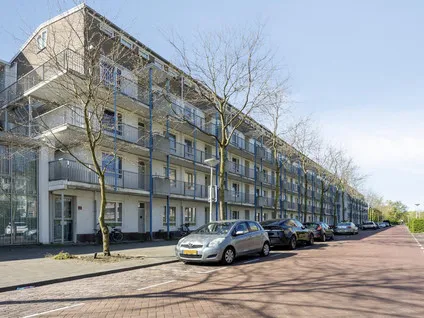
Based on the past twelve months, 26 homes were sold with an average purchase price of €374,192. The range runs from €320,000 to €475,000, with an average living area of 71 m². This works out at a price of around €5,270 per m², which is relatively affordable for Amsterdam. These are almost always porch flats and gallery flats from the 1950s and 1960s, designed in the spirit of the post-war public housing ideal. For current asking prices and selling times, you can refer to the overview at the top of this page, which is updated daily. If you compare this with owner-occupied homes in Amsterdam broadly, Dudokbuurt offers one of the lower entry levels within the city.
Living in Dudokbuurt, Amsterdam
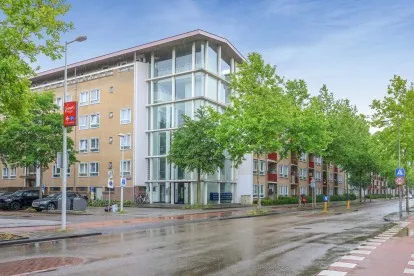
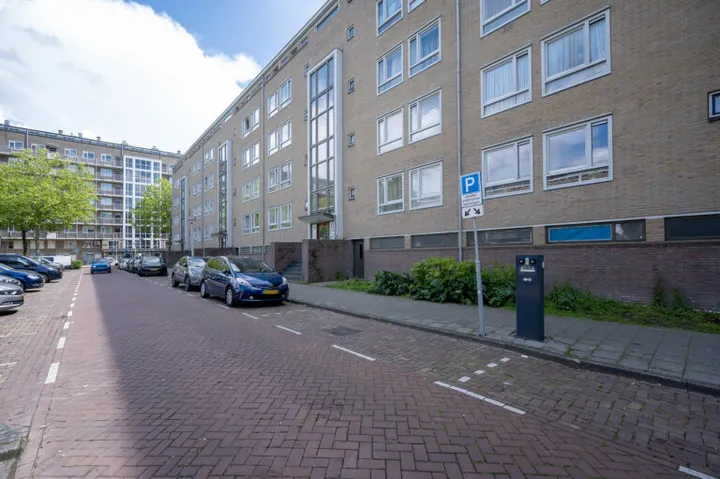
Dudokbuurt is located in the western district of Geuzenveld-Slotermeer and is named after the Dutch architect W.M. Dudok, who was known for his functional, sober style. This sobriety is reflected in the neighbourhood itself: straight streets, green strips between the residential blocks, few frills. It is not a neighbourhood that impresses on arrival, but residents appreciate the peace and clarity. You don't live there for the appearance, but for the space and affordability.
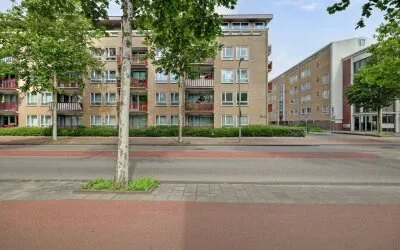
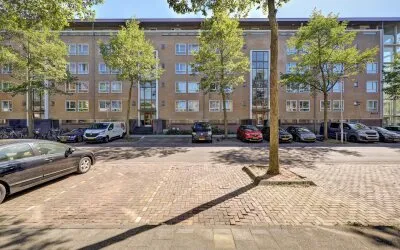
The homes are mainly porch flats and gallery apartments from the reconstruction period. Many buildings have been renovated or insulated in recent years, but you won't buy new-build or monumental canal houses here. Anyone considering buying an apartment in Dudokbuurt should take into account limited parking options around the flats and relatively small communal spaces.
In terms of amenities, the neighbourhood is functionally laid out. You do your shopping at the Albert Heijn or Lidl on Osdorpplein, within walking distance of most addresses in the neighbourhood. Osdorpplein serves as the local centre of the district, with a market, pharmacies, a library and various small shops. For children, there are primary schools in the immediate vicinity, including schools on Pieter Calandlaan. There are also sporting activities: the Sloterparkbad swimming pool and the sports fields along Sloterpark are within cycling distance. Sloterpark itself, with the Sloterplas lake, is the green lung of the area and attracts families and runners from across the district.
Accessibility is one of the stronger points of Dudokbuurt. Tram 17 and various bus lines connect the neighbourhood with the centre of Amsterdam, with a travel time of an average of 25 to 35 minutes to Central Station. The A10 motorway is quickly accessible via Pieter Calandlaan, which also makes the neighbourhood attractive for commuters who regularly use the car. By bike, you can be in the Jordaan within half an hour.
Residents of the Dudokbuurt describe the neighbourhood as quiet and green, but also as a place where social cohesion varies. One resident writes: "It's nice and quiet here and the flats have been done up, but you do notice that many people live here temporarily. That sometimes gives the neighbourhood an anonymous feel." That picture fits the demographic data: the largest group of residents is between 25 and 45 years old, many single-person households, and a relatively low percentage of married couples (29%). The neighbourhood attracts starters and young professionals who want to live affordably, but also families who consciously choose the proximity of Sloterpark.
Compared to sister neighbourhoods such as Van Tijenbuurt and Bakemabuurt, Dudokbuurt has a similar character, but slightly less supply of owner-occupied homes. The Ruys de Beerenbrouckbuurt and Eendrachtspark sometimes offer a bit more variety in housing types. If you want to search more broadly within the district, the page for owner-occupied homes in Geuzenveld provides a good overview of the total supply.
Is an owner-occupied home in Dudokbuurt right for you as a buyer?
Dudokbuurt is most suitable for starters and young dual-income couples who want to buy in Amsterdam without immediately going above four hundred thousand. The limited supply (26 transactions in a year) means you have to act quickly when something becomes available. Overbidding is realistic: asking prices are often close to the final sale price, but competition can drive up the price. Families looking for more space would be better off looking at the Osdorper Binnenpolder or De Eendracht, where larger homes are sometimes available. If you don't necessarily want to buy, you can also find rental homes in Dudokbuurt, although that supply is largely in the hands of housing associations.
What residents say about Dudokbuurt
Residents appreciate the peace, greenery and accessibility of the neighbourhood. They are less positive about the social cohesion and the variable maintenance of public spaces. One resident sums it up: "Well accessible, quiet and green, but it can also feel very anonymous here. You don't always know your neighbours." View all reviews and the full neighbourhood data on the page of the Dudokbuurt on Buurtje.nl, where residents give scores on categories such as safety, greenery, amenities and atmosphere.
Compare owner-occupied homes in and around Dudokbuurt
Buurtje.nl combines current housing supply from more than 1,500 sources with resident reviews and neighbourhood data, so you not only find a home but also know whether the neighbourhood suits you. Compare Dudokbuurt with other neighbourhoods in the district via the purchase overview of Geuzenveld, or broaden your search to all owner-occupied homes in Amsterdam. For a completely different atmosphere, you can also look at neighbourhoods such as the Jordaan or the Haarlemmerbuurt. More information about living and life in the city can also be found on the website of the municipality of Amsterdam.
Frequently asked questions
What does a home cost in Dudokbuurt?
The average purchase price in Dudokbuurt over the past year was €374,192, with a range of €320,000 to €475,000. The average living area of sold homes was 71 m², which works out to about €5,270 per m². This makes buying a home in Dudokbuurt relatively affordable by Amsterdam standards.
What is the WOZ value in Dudokbuurt?
The average WOZ value in Dudokbuurt is €340,000. That is below the average for the Geuzenveld district (€393,000) and well below the Amsterdam average of €517,000. The lower WOZ value reflects the predominantly social and post-war housing stock in the neighbourhood.
What is living in Dudokbuurt like?
Living in Dudokbuurt is quiet and green, with Sloterpark within cycling distance and a functional amenities structure around Osdorpplein. The neighbourhood consists mainly of post-war porch and gallery flats and has a mixed population of starters, young families and single-person households. Residents appreciate the accessibility and tranquillity, but mention social cohesion as an area for improvement.
Is Dudokbuurt suitable for starters looking to buy a home?
Yes, Dudokbuurt is one of the more affordable neighbourhoods in Amsterdam for starters. With an entry price from around €320,000 and an average of €374,192, buying an apartment in Dudokbuurt is feasible for buyers with a modal income or NHG mortgage. However, be aware of the limited supply: on average only about 26 homes are sold per year, so acting quickly is important.
How is the accessibility of Dudokbuurt?
Dudokbuurt is well accessible by public transport. Tram 17 and several bus lines connect the neighbourhood to Amsterdam city centre, with a travel time of about 25 to 35 minutes to Central Station. By car, the A10 is quickly reachable via the Pieter Calandlaan. By bike, you can reach neighbourhoods like Jordaan or Haarlemmerbuurt in half an hour.
What type of homes are for sale in Dudokbuurt?
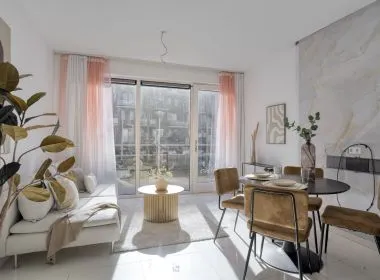
The supply of owner-occupied homes in Dudokbuurt consists almost exclusively of apartments in porch and gallery flats from the 1950s and 1960s. Detached houses or single-family homes are hardly ever found here. Many buildings have been renovated or energetically improved in recent years, but the homes generally have a modest area averaging 71 m².
Is there a lot of green space in Dudokbuurt and what about parking?
Dudokbuurt has green strips between the residential blocks and is within cycling distance of Sloterpark with Sloterplas, one of the largest recreational areas in West Amsterdam. Parking can be difficult: space around the flats is limited and in parts of the neighbourhood paid parking or a permit system applies. If you need a car daily, it is advisable to check this in advance.