Homes for sale in Vrijheidsbuurt, Delft
View the current supply of homes for sale in Vrijheidsbuurt and compare prices, neighbourhood scores and resident reviews directly on this page.

House prices and market figures Vrijheidsbuurt, Delft
Vrijheidsbuurt is predominantly an owner-occupied neighbourhood: 59% of the 731 homes are owned, the rest are rented. Of those rental homes, some are owned by housing associations (24%), the rest by private landlords. The average WOZ value is €303,000, which is noticeably higher than the average of the surrounding district Buitenhof (€246,000), but lower than the Delft average of €322,000. This positions Vrijheidsbuurt as an affordable middle-class neighbourhood within the municipality.
Over the past twelve months, ten homes changed ownership, with an average purchase price of €408,300. The range runs from €300,000 to €589,000, indicating a diverse supply. With an average living area of 109 m², this works out to a price per square metre of around €3,700. For current asking prices and the latest time on market, we refer to the overview at the top of this page, which is updated daily. The supply of homes for sale in Delft is broad, but Vrijheidsbuurt has its own price level worth exploring.
Living in Vrijheidsbuurt, Delft
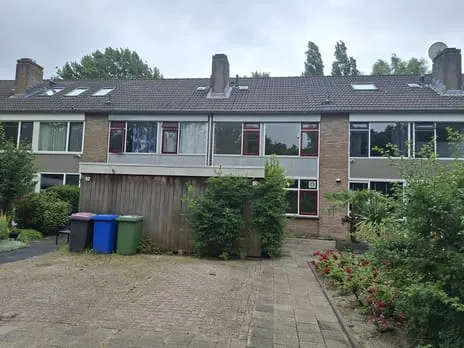
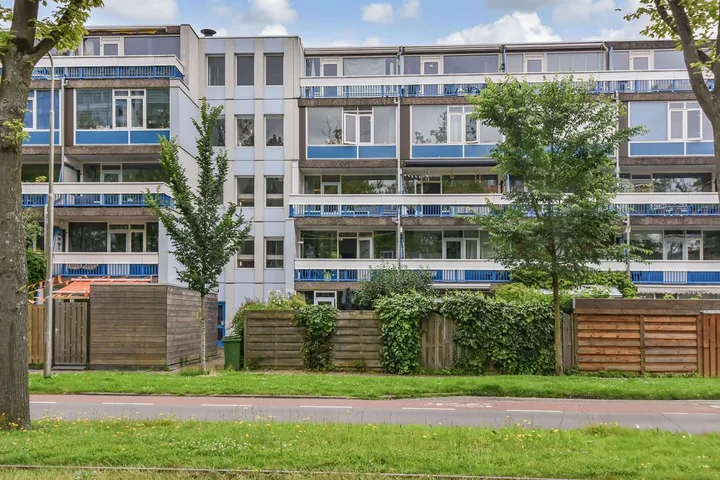
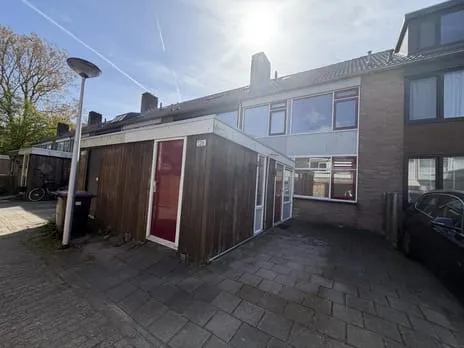
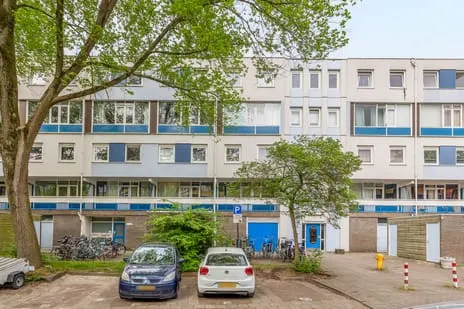
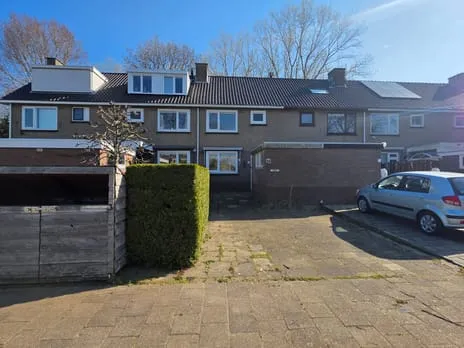
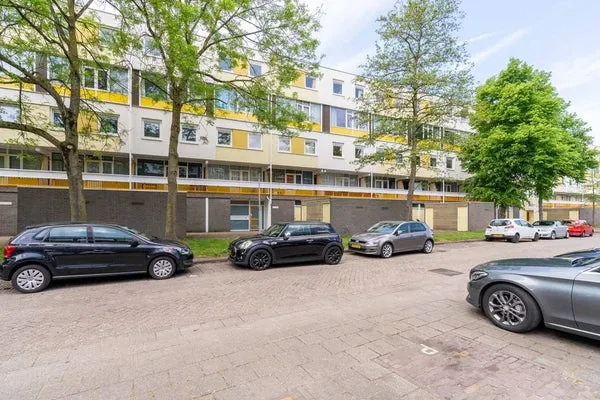
Vrijheidsbuurt is a quiet, well-organised residential neighbourhood in the southwest of Delft, part of the Buitenhof district. Walking around here, you mainly see post-war terraced houses and porch flats from the 1950s and 1960s, interspersed with some larger semi-detached homes. The streets are wide, there is relatively much greenery in the form of parks and trees along the road, and cars are usually parked in front of the door. It is not a neighbourhood that stands out for its architecture or trendy coffee shops, but that is not why people choose it. Residents appreciate the peace, space and the feeling of an ordinary, solid residential area.
For daily shopping, the Buitenhof shopping centre is within cycling distance, with a supermarket, bakery and pharmacy. Within the neighbourhood itself, amenities are limited, which some residents experience as a drawback. Children can attend several primary schools in the immediate vicinity, including schools in neighbouring areas. Sports clubs are located around the sports park on the edge of Buitenhof. There is no large park right around the corner, but the green streets and small playgrounds give the neighbourhood an open character nonetheless.
In terms of accessibility, Vrijheidsbuurt does reasonably well. By bike, you can reach the centre of Delft in twenty minutes. Bus line 40 (towards Delft station and Zoetermeer) stops in the neighbourhood and offers a direct connection to Delft station, from where intercity trains depart for The Hague and Rotterdam. By car, the A13 is quickly accessible via the Provincial road, which appeals to commuters to Rotterdam or The Hague. Parking is free on most streets, although it can be a challenge at busy times.
Compared to neighbouring areas such as Reinier de Graafbuurt and Juniusbuurt, Vrijheidsbuurt is somewhat quieter in character and has a slightly higher WOZ value. Buitenhof-Noord offers similar housing types but a different price profile. Those seeking more urbanity should look at the Binnenstad or Vrijenban. More neighbourhood information, resident reviews and an overall score can be found on the Vrijheidsbuurt neighbourhood page.
The municipality of Delft actively invests in the liveability of the Buitenhof districts. On delft.nl you can find up-to-date information about ongoing projects and plans in the neighbourhood.
Who is a home in Vrijheidsbuurt a good choice for?
Vrijheidsbuurt attracts a mixed audience. The largest age group is 25 to 45 years old, translating into a mix of young families and dual-income earners looking for space at a reasonable price. Single-person households are the most represented (505 out of approximately 730 households), partly due to the share of rental homes and smaller apartments. For first-time buyers, buying in Vrijheidsbuurt is feasible at the lower end of the market, although the range starts at €300,000. Movers looking to go from an apartment to a terraced house will find more space here than in the Binnenstad for similar money. Seniors have lived here for a long time and feel at home in the quiet surroundings. Be honest with yourself: the supply is limited (ten transactions in a year), so if you want to buy quickly, you need to be alert. Also consider rental homes in Vrijheidsbuurt as a temporary alternative while waiting for the right property to buy.
What residents say about Vrijheidsbuurt
Residents generally rate Vrijheidsbuurt positively for peace and safety, although scores for amenities and liveliness are somewhat lower. One resident writes: "It's just nice living here. Quiet, green streets, and the neighbours know each other. Only for a night out you really have to go to the centre." That image recurs in the reviews: the neighbourhood scores well on living comfort and sense of safety, but less on nightlife options and the immediate availability of amenities. View all reviews and the full neighbourhood scores on the Vrijheidsbuurt overview page.
Compare homes for sale in and around Vrijheidsbuurt
Buurtje.nl bundles the supply from more than 1,500 sources in one place, supplemented with resident reviews and district data you won't find anywhere else. This way you can compare not only homes, but also neighbourhoods. Besides Vrijheidsbuurt, also check the supply in Gillisbuurt, Fledderusbuurt or broaden your search area to homes for sale in Buitenhof as a whole. If you want to broaden your perspective even further, the page Hof van Delft provides insight into a completely different side of the city.
Frequently asked questions
What is the cost of a home in Vrijheidsbuurt?
Over the past twelve months, the average purchase price in Vrijheidsbuurt was €408,300. The range runs from €300,000 to €589,000, depending on the type and condition of the property. With an average living area of 109 m², the price per square metre comes to approximately €3,700. Current listings and asking prices can be found at the top of this page.
What is the WOZ value in Vrijheidsbuurt?
The average WOZ value in Vrijheidsbuurt is €303,000. That is higher than the average of the surrounding district Buitenhof (€246,000), but lower than the Delft average of €322,000. Vrijheidsbuurt thus occupies a middle position within the municipality.
What is living in Vrijheidsbuurt like?
Vrijheidsbuurt is a quiet, post-war residential neighbourhood with wide streets, greenery and a clear layout. Its character is down-to-earth and comfortable: not trendy, but stable and safe. Residents appreciate the peace and mutual involvement, but mention the limited range of amenities directly in the neighbourhood as a point of attention.
Is Vrijheidsbuurt suitable for first-time buyers and young families?
The neighbourhood attracts relatively many 25- to 45-year-olds and has a mix of single-person households and families. For first-time buyers, buying a home in Vrijheidsbuurt is feasible at the lower end of the market, although the supply starts at €300,000. Young families find more space here than in the Binnenstad for comparable money, with primary schools and playgrounds in the area.
How accessible is Vrijheidsbuurt?
By bike, you can reach the centre of Delft in about twenty minutes. Bus line 40 connects the neighbourhood directly to Delft station, from where intercity trains run to The Hague and Rotterdam. By car, the A13 is quickly accessible via the Provincial road, making the neighbourhood attractive for commuters. Parking is free on most streets.
What type of homes are for sale in Vrijheidsbuurt?
The supply mainly consists of post-war terraced houses and porch flats from the 1950s and 1960s, with an average living area of 109 m². In addition, there are some semi-detached houses. Those considering buying an apartment in Vrijheidsbuurt will find them mainly in the porch flats. The housing stock is stable and has undergone little renovation.
What is the greenery and living environment like in Vrijheidsbuurt?
Vrijheidsbuurt does not have a large park, but the streets are relatively wide and green with trees and small garden strips. There are playgrounds for children scattered throughout the neighbourhood. For more greenery and recreation, residents rely on the surrounding districts or the rural area outside the city.