Darlingstraat 495
D-buurt, Amsterdam
 Area
AreaA compact room in Amsterdam's D-buurt
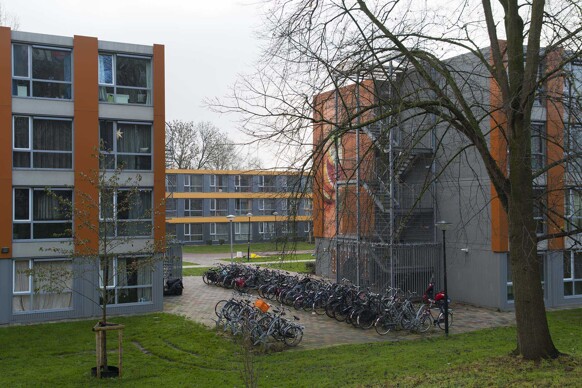
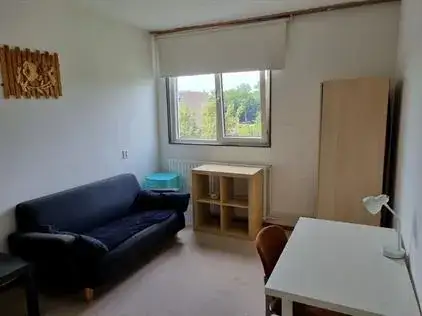
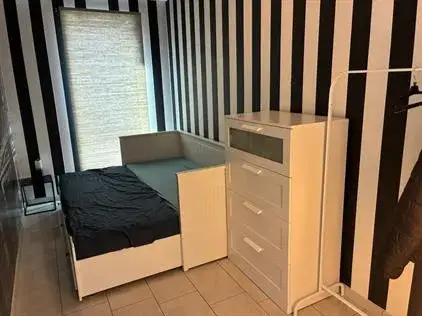
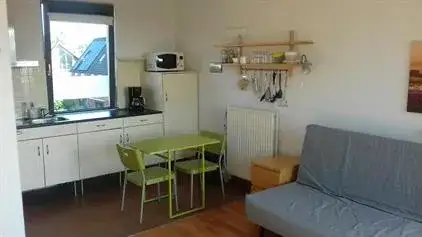
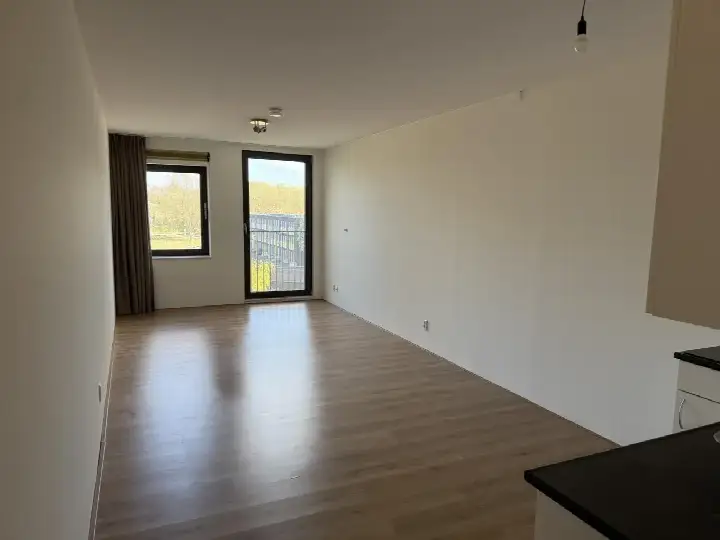
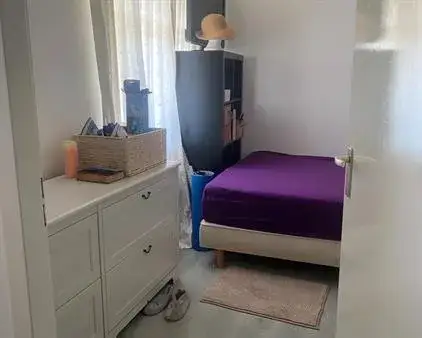
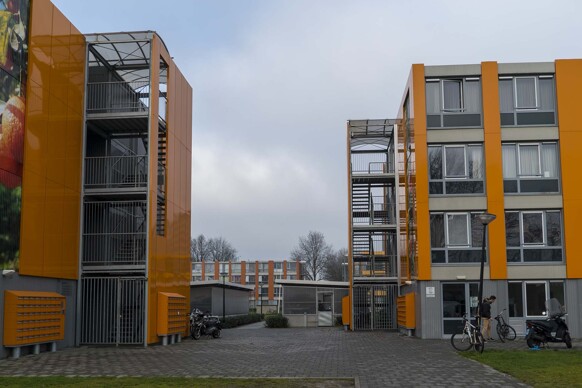
This is a 20 m² room on Darlingstraat, in the D-buurt area of Amsterdam. It is part of the social housing stock, so the rent reflects that. At €618 a month, the price sits well below the neighbourhood average for rentals, which is a notable point for anyone looking at rooms in Amsterdam. The energy label is A, which is the most efficient rating.
The D-buurt neighbourhood
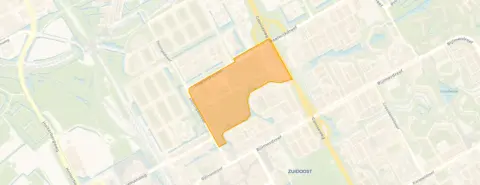
D-buurt is a lively part of Amsterdam, with a strong student presence. One resident describes it as a "Student neighbourhood and easy to get everywhere," noting the "Lively atmosphere with sufficient facilities and easy accessibility to the rest of the country." Another resident calls it "Unexpectedly good," adding that it is "Very cosy and lots of nature." Based on two reviews, the neighbourhood scores 7.19 out of 10. The area is dominated by single-person households, and a large share of residents are between 15 and 45 years old. For more context, you can read about the D-buurt neighbourhood.
Life on the street
Daily errands are straightforward from here. The nearest supermarket, an Albert Heijn, is just around the corner, with a Vomar and a Lidl a couple of streets away. For school runs, Klaverblad primary school is a five-minute walk, and TASC Amsterdam secondary school is even closer. The train station is about 1.6 km away, which is a manageable distance for trips across the city or further afield. This part of Amsterdam has plenty to offer in terms of everyday amenities, and you can explore more about the municipality of Amsterdam.
Source
At the time of writing, this room is listed only via Roommatch.
This summary was generated with AI and may contain errors. Always verify the details with the provider.
Features
Details of this home
Transfer
Price

Areas and volume
 Insure your home and belongingsGet insured
Construction
The WOZ value is set annually by the municipality with 1 January as its reference date, and therefore lags the market by about a year. It is an estimated market value, not a sale price.
Frequently asked questions
About Darlingstraat 495, Amsterdam
Is €618 a fair price for this room?
The rent of €618 is 47% below the neighbourhood average of €1,157 for rentals. However, the floor area of 20 m² is 70% smaller than the average of 66 m². The price per square metre works out to about €30.90, which is higher than the neighbourhood average of €17.60 per m². So the absolute rent is low, but you are paying a premium per square metre for a compact space.
What is the energy label and what does it mean?
The energy label is A, which is the most efficient label on the scale. This means the home is designed to be energy-efficient, so you can expect relatively low energy costs compared to homes with lower labels. The label is an official registration and reflects the energy performance of the property as registered.
How far is the nearest supermarket?
The nearest supermarket is an Albert Heijn at about 582 metres, which is roughly a seven-minute walk. A Vomar is at 703 metres and a Lidl at 826 metres, so you have several options within a short stroll. For a quick top-up, there is also an AH to go at about 1.1 km.
What schools are nearby?
There are several schools within a short walk. Klaverblad primary school is about 303 metres away, and Shri Laksmi School, another primary, is at 318 metres. For secondary education, TASC Amsterdam is at 318 metres and Bindelmeer College at 351 metres. There is also a special education school, Drostenburg, at 417 metres.
How far is the train station?
The train station is about 1.6 km from the property. That is roughly a 20-minute walk or a short cycle. This gives you a direct connection to the wider region, which is handy for commuting or exploring the rest of the country.
What is the neighbourhood like?
The D-buurt is a student-heavy area with a lively atmosphere. Residents describe it as cosy and full of nature, with good access to the rest of the country. The average review score is 7.19 out of 10, based on two reviews. The population is mostly young, with 48% aged 15 to 25 and 38% aged 25 to 45, and 85% of households are single-person.