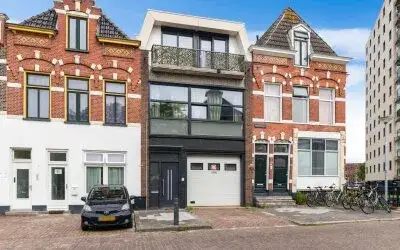
Veemarktstraat 90A
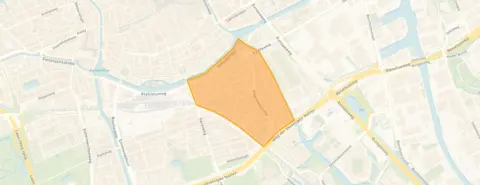
Oosterpoort, Groningen
 Area
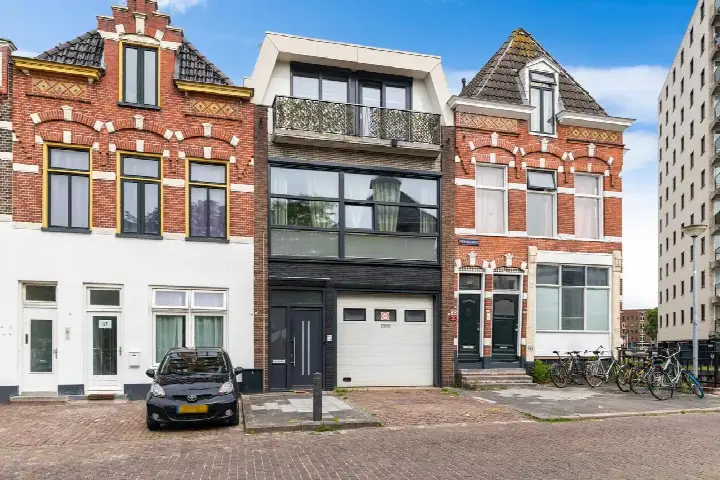
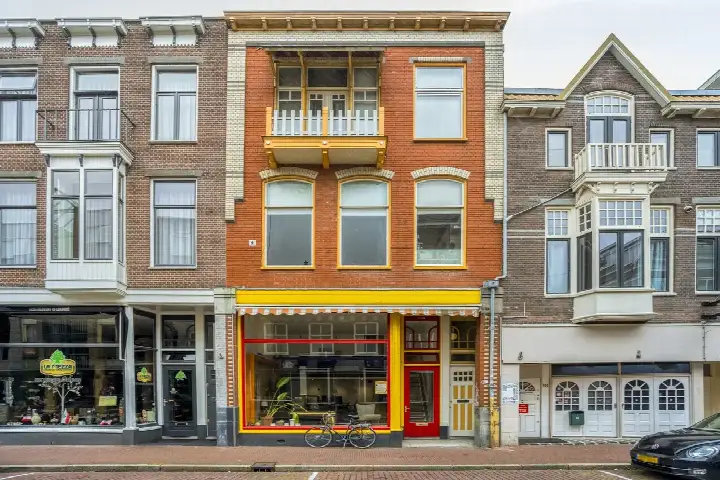
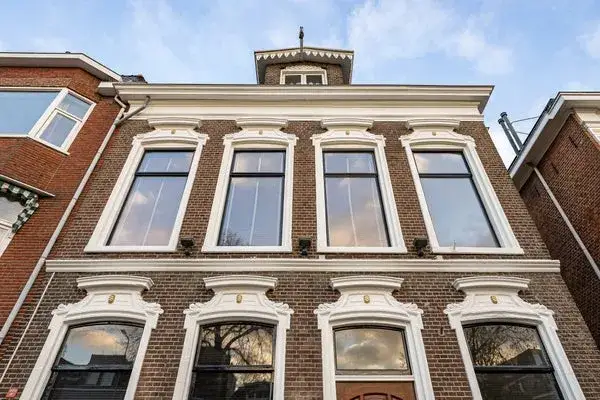
AreaA grand old townhouse on Veemarktstraat
This is a home with presence. On a lively street in Oosterpoort, this 1901 terraced house stands out with its generous 250 m² of living space. The price of €699,000 is on the high side compared to the neighbourhood average, but then this home is anything but average, it is 229% larger than the typical Oosterpoort home. For context, terraced houses in Groningen vary widely, and this one is at the top end.
Oosterpoort: social, lively, and safe
Oosterpoort is a neighbourhood where people know each other. Based on eight reviews, residents give it a 7.4 out of 10. One resident says: "It is a social neighbourhood of students, young people, families and many single people. People greet each other easily." Another calls it "cosy and, in my opinion, fairly safe." The mix of ages and the many pubs make it lively, but not unpleasant. Most homes here were built before 1945, and the area is densely populated with a high address density. The Oosterpoort neighbourhood is a true city quarter.
Daily life on Veemarktstraat
Your morning bread run: Jumbo is just around the corner, and PLUS and Albert Heijn are a couple of streets away. For school, IKC Borgman Oosterpoort is a five-minute walk, and the H.N. Werkman Stadslyceum is about a ten-minute walk. The train station is a ten-minute walk too, and the city centre is within easy reach. The municipality of Groningen offers all the urban amenities you could want.
Listing details
At the time of writing, the home is listed via Verver Jet Winters Makelaars | Qualis and also appears on Funda. The energy label is E, which is the second-lowest band, expect higher energy costs. The home was built in 1901, so it has character, but the listing does not specify the condition of the installations or insulation.
This summary was generated with AI and may contain errors. Always verify the details with the provider.
Features
Details of this home
Transfer
Price

Areas and volume
 Insure your home and belongingsGet insured
Layout
Construction
Frequently asked questions
About Veemarktstraat 90A, Groningen
Is €699,000 a fair price for this home?
The asking price is €699,000, which is 116% above the average asking price in Oosterpoort (€324,155). However, this home is also 229% larger than the neighbourhood average of 76 m². Given the size and the fact that it is a terraced house in a sought-after area, the price is on the high side but reflects the exceptional floor area.
What is the energy label and what does it mean?
The energy label is E. This is an official registration from EP-Online. Label E is the second-lowest band, so you can expect relatively high energy costs. The label does not tell you exactly what needs improvement, it could be the heating system, insulation, or glazing. The listing does not specify which aspects are dated.
How is the neighbourhood Oosterpoort?
Oosterpoort is a lively, social neighbourhood with a mix of students, young people, families, and older residents. Residents rate it 7.4 out of 10. One says: "It is a social neighbourhood where people are there for each other and easily strike up a conversation." Another calls it "cosy and safe." There are many shops, pubs, and dining options, and the community centre offers activities.
What amenities are nearby?
Several supermarkets are within a five-minute walk: Jumbo, PLUS, and Albert Heijn. Primary school IKC Borgman Oosterpoort is 335 metres away, and secondary school H.N. Werkman Stadslyceum is 632 metres away. The train station is 1 km away, and there are restaurants, a GP, and a pharmacy in the neighbourhood.
How does the size compare to other homes in the area?
With 250 m² of living space, this home is 229% larger than the average Oosterpoort home (76 m²). Most homes in the neighbourhood are smaller, and the average price per m² is €4,503. This home's price per m² works out to about €2,796, which is below the neighbourhood average, so you get more space for your money.
What is the year of construction and does it need maintenance?
The home was built in 1901. The listing does not state the condition of the roof, installations, or insulation. The energy label E suggests that some aspects may be dated, but no specific defects are mentioned. A structural survey would be needed to assess the actual state.