Sold subject to conditions
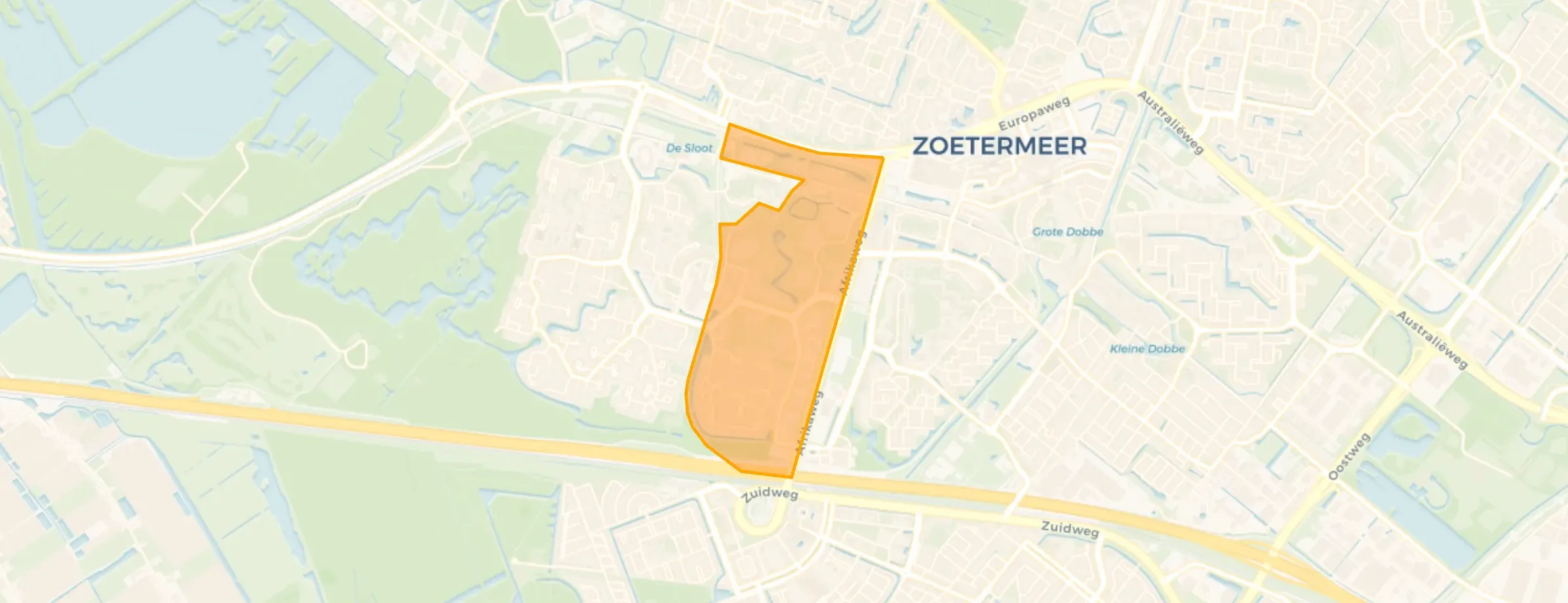
Meerzicht-Oost, Zoetermeer
 Neighbourhood
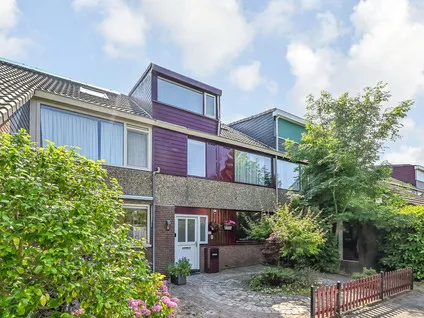
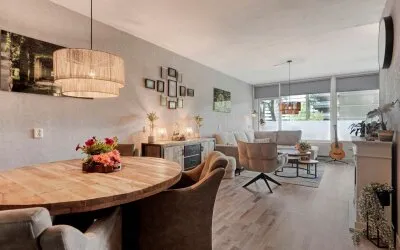
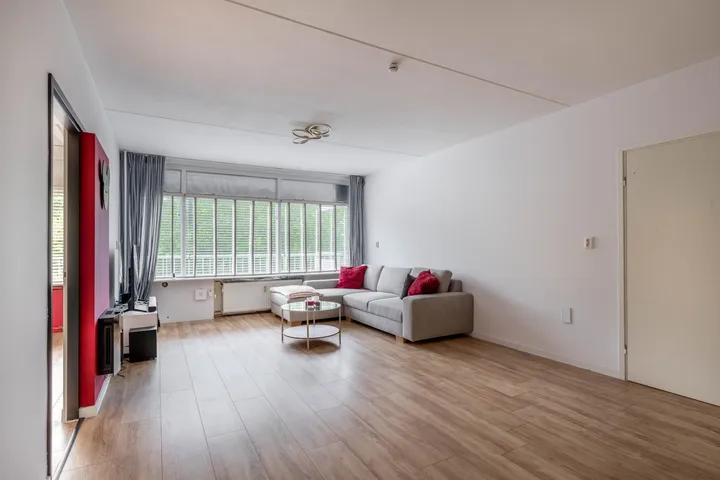
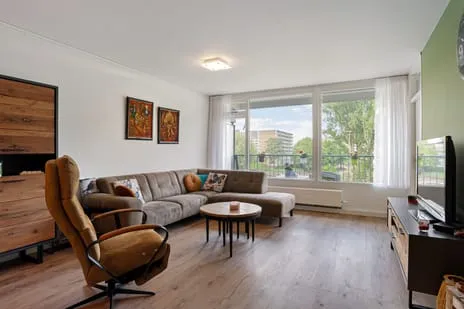
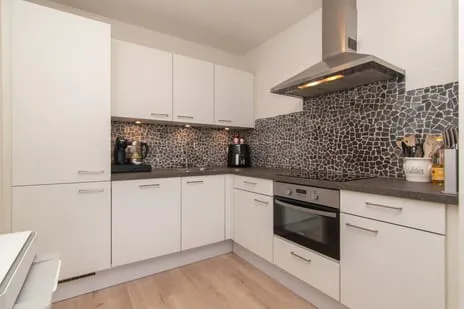
This apartment on Binnenwater sits in a green, established part of Zoetermeer. At 57 m² with an energy label C, it is compact and efficient. The asking price of €244,375 is the lowest of 21 homes currently for sale in the neighbourhood, and 38% below the average asking price of €392,321, a keen entry point compared to other apartments in Zoetermeer.
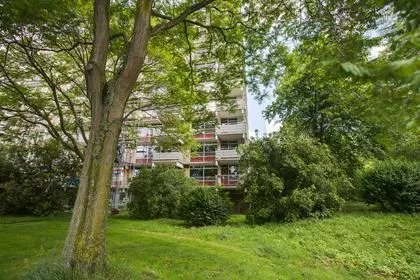
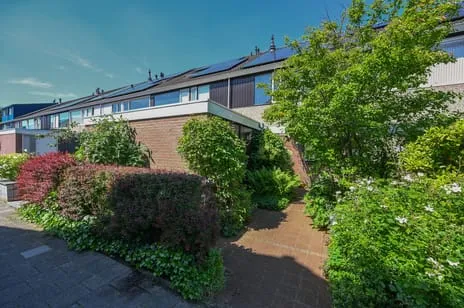
Meerzicht-Oost is a neighbourhood with strong contrasts. Based on two reviews, one resident is 'very satisfied' and describes it as 'a quiet, green and pleasant neighbourhood where you can enjoy walking and nature'. Another resident paints a bleaker picture, noting 'green poverty' and a decline in safety and community spirit. The area is densely built with flats (82% of homes), and most homes date from the 1970s. Incomes are around average for the municipality. For a fuller picture, see the Meerzicht-Oost neighbourhood.
Daily errands are straightforward. For groceries, Albert Heijn and Jumbo are both just around the corner, and Hoogvliet is a couple of streets away. Primary schools are close: Kindcentrum De Entree is on your doorstep, and Katholieke basisschool De Regenboog is a five-minute walk. The neighbourhood has a RandstadRail stop within walking distance, and a park is just around the corner for a quick escape. For more on the wider area, see the municipality of Zoetermeer.
At the time of writing the home is listed only via Van Brero & Breugem Makelaardij bv.
Details of this home

Binnenwater 116, Zoetermeer
Fair · 2 residents
I live here with great pleasure. It is a quiet, green and pleasant neighbourhood where you can enjoy walking and nature. Everything you need is nearby (such as shops, public transport and other amenities). The neighbours are friendly and helpful, and there is a pleasant atmosphere. I feel safe here and can definitely recommend this neighbourhood.
Auto-translated to English by AIMeerzicht used to be a beautiful green neighbourhood, with many lovely tall trees and shrubs, rich in birds, bird concerts at various times from early morning to late evening. Benches in the park and other spots every few hundred metres where you could safely enjoy and meet others. Now too many tall trees have been cut down, often for completely unclear reasons, a park with only a few trees, almost all shrubs cut to the ground, hardly any benches left. It has become quiet. Birds are no longer allowed to be fed, they have nowhere to nest, benches are gone. Vandalism, unsafety, pollution, litter, decay and loneliness are visibly increasing. People no longer want to know each other. This is not only due to the increased multicultural society, although it does contribute to it. Children learn little in that regard, compared to the stricter upbringing in the past at home, at school and being addressed on the street. There are so many studies on how important trees and well-maintained greenery are for the social climate and behaviour in a neighbourhood. Trees provide oxygen, air purification, shade and coolness in the heat and shelter, noise reduction, besides all the animals, insects, birds that live in them. People behave better in a well-maintained green neighbourhood. That is why this large-scale removal of all greenery is incomprehensible and almost criminal. There is far too little replacement planting. We cannot enjoy what might have a chance in fifty years to survive the blunt axes. And there are no benches to rest for a moment and for social contacts. We are stuck with green poverty now, vanished birds, loneliness.
Auto-translated to English by AIThe neighbourhood is really deteriorating. Unsafe feeling. Go outside as little as possible in the dark. There are quite a few polluters who couldn't care less. Litter, cigarette butts, vandalism, drugs, damaged cars, burglaries, occasional loud noise, fireworks all year round. Parking nuisance and traffic jams on Fridays. People don't dare to address each other. A number of volunteers try to make improvements by picking up rubbish and such, nice neighbourhood initiatives for their own flat or street, neighbourhood management tries to help improve, municipal subsidy for that. In combination with sustainability actions we are waiting for. All ages. So facilities for the elderly are also needed, I've been calling for more benches, a community garden, low-threshold meeting spaces for all target groups for years. All of that used to be there and that's how there was more community in the literal sense. Since Palenstein moved in this direction, deterioration has accelerated rapidly. We have a RandstadRail stop, but there is no longer a neighbourhood bus, much too far to walk if you live further away. The flats and shopping centre are old and urgently need a thorough renovation. A lot of deferred maintenance. There is also an urgent need for housing here. Although some are occupied by people who have them for free and are themselves long-term in their home country. There are many primary schools in this district. I don't have children myself, so I can't judge the quality. Far too many trees have been cut down, bushes removed, birds can hardly find perches anymore, so there are few. We can hardly attract them by feeding because of severe mice and rat infestation. The park is far too bare. Due to a water project, many old large trees have disappeared and little replanting. And many more tree removals are on the list. Maintenance and care of existing greenery is apparently too expensive. There are tree doctors who could possibly help the old trees too. Much more greenery should be added, also on the flats, galleries, etc. For appearance, birds, insects, bees and butterflies especially. It also makes people happier and more involved and reduces vandalism. That's psychologically proven. Monthly bulky waste collection should return. Possibly a different day per district or group of streets. That would save a lot of illegal dumping. And who knows, promote recycling. Due to vandalism, we cannot place a mini library or give-away boxes, not even a notice board with offers, even though there is a need for that. In the past, there were many spaces that could be rented cheaply by associations and small entrepreneurs. Around the shopping centre. The range of shops was also much more complete with a Blokker, DIY store, shoe shop, heel bar, Jamin, Readshop, etc. Now everything is gone and unaffordable. Many people try to move to better neighbourhoods. There is loneliness. Someone lay dead in their house for four months and that's not the first time. Days, weeks have also occurred. The environment is not really inspiring, little involvement due to the deterioration and few free or cheap options.
Auto-translated to English by AIData from Meerzicht-Oost
Data from Meerzicht-Oost
29 within 5 km



69 within 5 km
About Binnenwater 116, Zoetermeer
At €244,375, this is the cheapest home currently for sale in Meerzicht-Oost and 38% below the neighbourhood's average asking price of €392,321. However, the floor area of 57 m² is 46% smaller than the neighbourhood average of 106 m². The price per square metre works out at about €4,287, which is above the neighbourhood average of €3,599 per m². So while the total price is low, you are paying a premium for the compact size.
The energy label is C, which is average for a home of this age (built in 1974). In the neighbourhood, 23.8% of homes have label C, while 42.9% have a label D or lower. Label C means the home is reasonably efficient, but you can expect moderate energy costs. It is not as efficient as a modern A-label home, but better than many older flats in the area.
The neighbourhood has 194 reported crimes in the latest data, which is moderate for a densely populated urban area. Resident reviews are mixed: one feels safe and recommends the area, while another mentions vandalism, burglaries, and an unsafe feeling after dark. The overall review score is 5.88 out of 10, based on two reviews. It is worth visiting at different times to get your own impression.
The nearest train station is 2.7 km away, which is about a 30-minute walk or a short bus ride. There is a RandstadRail stop in the neighbourhood, providing light rail connections to The Hague and other cities. Bus services also run through the area.
Yes, there are several primary schools within walking distance. Kindcentrum De Entree is just 118 m away, and Katholieke basisschool De Regenboog is 315 m away. IKC De Piramide and Vuurvogel vrijeschool are also within a ten-minute walk. For secondary education, the nearest school is 2 km away, so older children may need to travel further.
Meerzicht-Oost has a mix of households: about 32% are families with children, 22% are couples without children, and 53% are single-person households. There are several primary schools and a park nearby. However, some residents report issues with litter, vandalism, and a lack of community spirit. The area has a high population density and a multicultural character.
The average asking price for apartments in Zoetermeer is not directly given, but in Meerzicht-Oost the average is €392,321 and the median is €315,000. At €244,375, this apartment is well below both figures. However, it is also smaller than average. Compared to other apartments in the municipality, this is a relatively affordable option, especially for a first-time buyer.
The apartment was built in 1974, so it is over 50 years old. The energy label C suggests it has some insulation but may not be fully modernised. The listing does not mention any recent renovations. Some resident reviews note deferred maintenance in the area, including the flats and shopping centre. It would be wise to inspect the property thoroughly before purchasing.
6 homes in the neighbourhood Meerzicht-Oost

Buurtje.nl uses cookies to make the site work and to improve it. In doing so, we process data such as your IP address and the pages you visit.
We use this data for three purposes: running the website (functional), measuring visits so we can improve Buurtje.nl (analytics), and — if you allow it — tailoring ads to your interests (marketing).
How we handle your data is described in our privacy policy. You can change your preferences at any time via 'Cookie preferences' at the bottom of every page.
Choose per category which cookies we may place. Read more in our privacy policy.