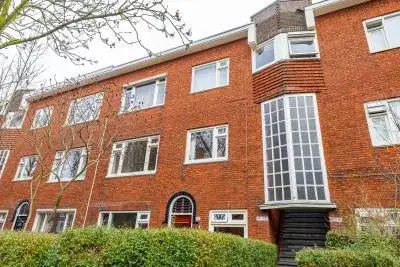
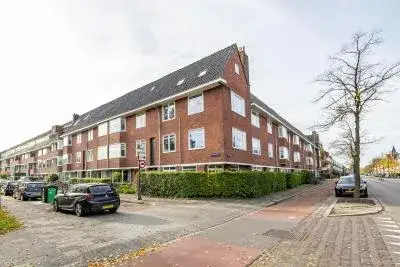
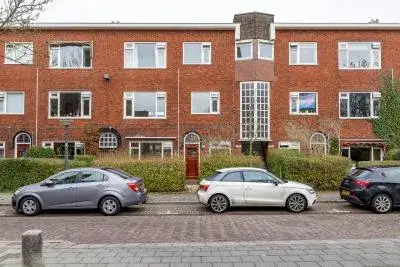
Hyacinthstraat 123
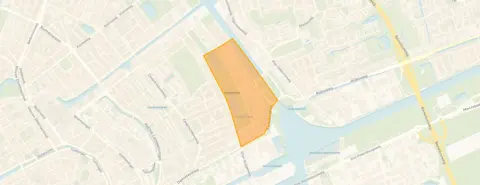
Florabuurt, Groningen
 Area
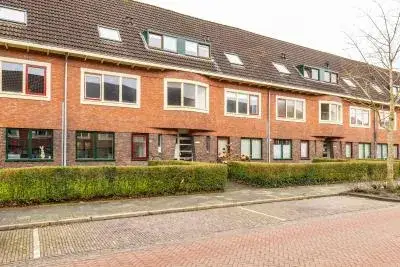
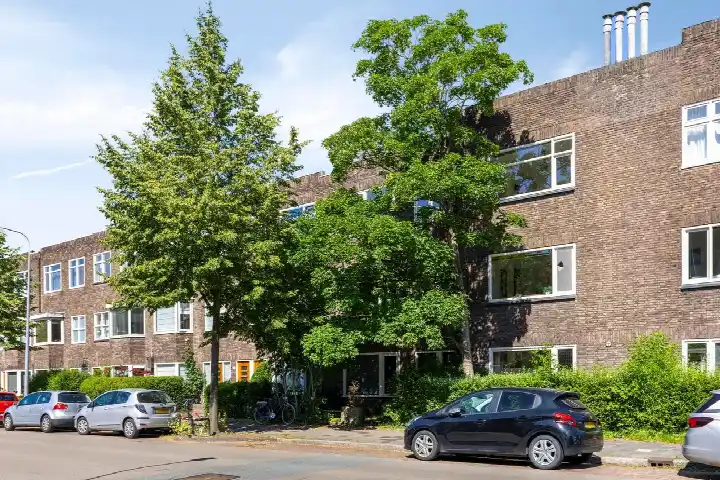
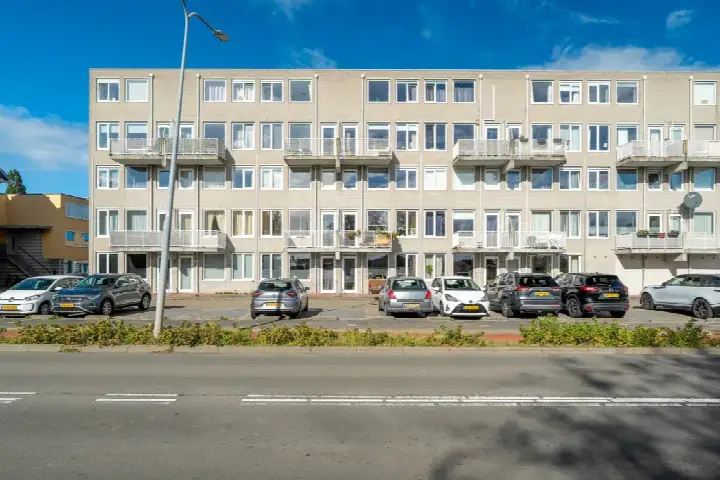
AreaA 1950s apartment in Groningen's Florabuurt
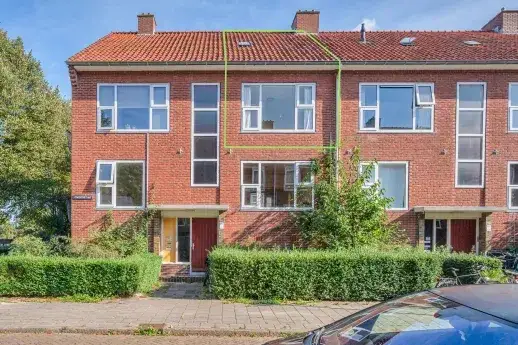
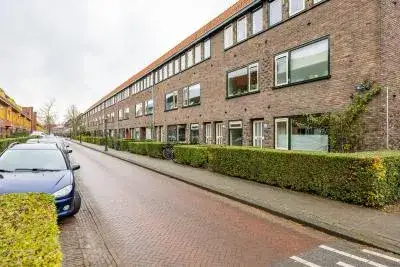
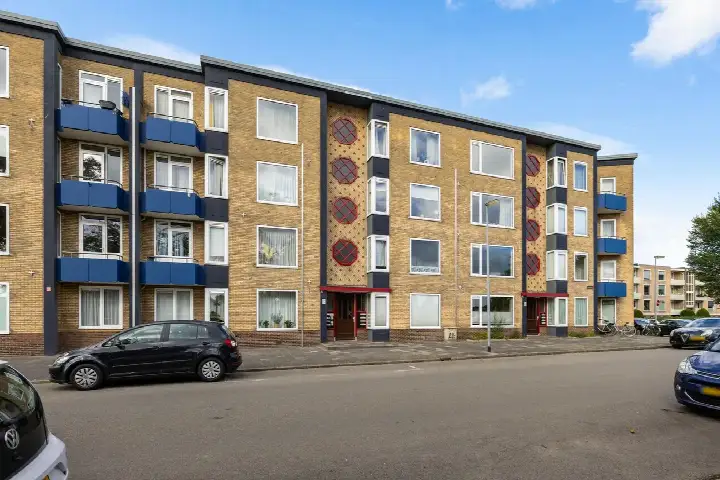
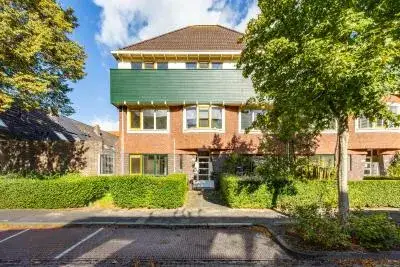
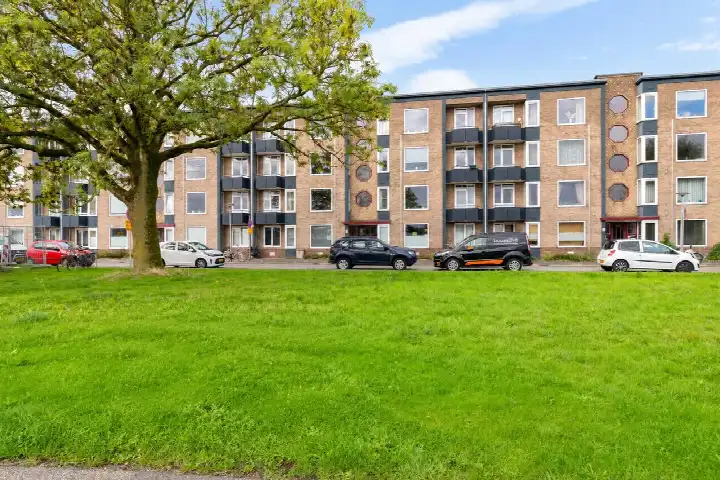
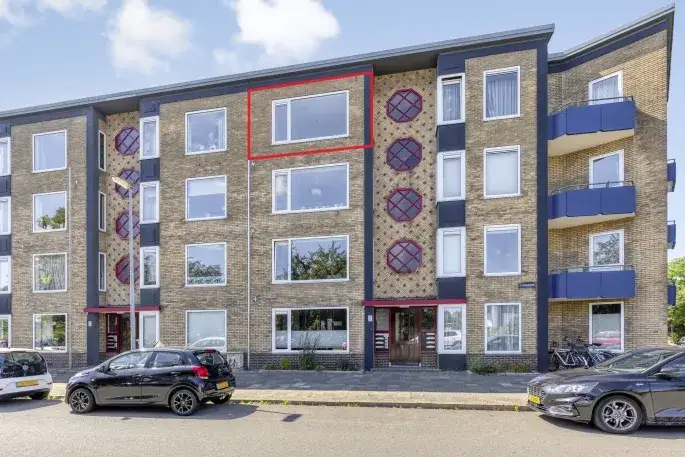
This apartment on Hyacinthstraat 123 sits in the Florabuurt, a neighbourhood in the Oud-Oost district of Groningen. Built in 1951, it has an energy label G, which is the least efficient label, so expect higher heating costs. The asking price of €235,000 is in line with the market, based on the neighbourhood average. For context, this is one of the [apartments in Groningen] currently on the market.
The apartment itself
The listing does not provide details on the layout, number of rooms, or any outdoor space. According to the BAG registration, the living area is 71 m², which works out to €3,310 per m². The year of construction is 1951, and the energy label is G.
The Florabuurt
Residents of the wider district give it an average score of 7.36 out of 10, based on twelve reviews. One resident says: "Great spot, lots of amenities and close to the centre of Groningen." Another mentions: "I enjoy living in my neighbourhood with my parents." The district is home to about 1,485 people, with a mix of ages and household types. It's a place where people seem to feel at home, according to the reviews. For more on the area, see [the Florabuurt neighbourhood].
Amenities and transport
Daily errands are easy from here. The Albert Heijn is a ten-minute walk away, with a Jumbo just a bit further. For schools, IKC Borgman Oosterpark is a couple of streets away, and the H.N. Werkmancollege Sprint is about a ten-minute walk. The nearest GP is Huisartsenpraktijk A.J. van Verseveld, and the pharmacy is Apotheek Oosterpark Groningen, both within a ten-minute walk. Bus stops at Florakade and Oliemuldersweg, served by lines 6 and 406, are just around the corner. The nearest train station is Groningen Noord, about 2.2 km away. This is all within [the municipality of Groningen]. As for the address, the area-level indications show road traffic noise at 48 dB, rail noise at 23 dB, and aircraft noise at 18 dB, all below the relevant standards. The foundation risk indication is elevated, based on the 1951 construction on clay soil and the area's characteristics. Pluvial flooding risk is medium, as is the flood risk for both now and 2050. These are area-level indications, not an inspection of this specific home.
Source
At the time of writing, the home is offered only via Schouten + van der Griezen.
This summary was generated with AI and may contain errors. Always verify the details with the provider.
Features
Details of this home
Transfer
Price

Areas and volume
 Insure your home and belongingsGet insured
Layout
Construction
Outdoor space
The WOZ value is set annually by the municipality with 1 January as its reference date, and therefore lags the market by about a year. It is an estimated market value, not a sale price.
Frequently asked questions
About Hyacinthstraat 123, Groningen
What is the asking price for this apartment?
The asking price is €235,000. Based on the living area of 71 m² according to the BAG registration, this works out to €3,310 per m². The price is in line with the market, compared to the neighbourhood average asking price.
What is the energy label and what does it mean?
The energy label is G, which is the least efficient label. This means you can expect higher energy costs for heating and electricity. The label does not say anything about the condition of the building itself, only its energy performance.
What is the WOZ value of this property?
The WOZ is the municipal valuation, which is separate from the asking price. Without this figure, no comparison between the asking price and the WOZ value can be made.
What is the foundation risk for this address?
The foundation risk indication is elevated, based on area-level data. The home was built in 1951 on clay soil, which may involve wooden piles or a shallow foundation. This is an area-level indication, not an inspection of this specific property.
What are the flood risks for this area?
The pluvial flooding risk is medium, meaning there is a moderate chance of flooding from heavy rain. The flood risk is also medium for both the current situation and for 2050. These are area-level indications from public risk data, not a property-specific assessment.
What supermarkets are nearby?
The nearest supermarket is an Albert Heijn, about a ten-minute walk away. A Jumbo is slightly further, and a Lidl is also within walking distance. There are 47 supermarkets within 5 km, so you have plenty of options for groceries.
Which schools are close to this apartment?
IKC Borgman Oosterpark is a couple of streets away, and the Oosterhoogebrugschool is also nearby. For secondary education, the H.N. Werkmancollege Sprint is about a ten-minute walk. There are 75 schools within 5 km, covering both primary and secondary education.
How is the public transport in this area?
Bus stops at Florakade and Oliemuldersweg are just around the corner, served by lines 6 and 406. The nearest train station is Groningen Noord, about 2.2 km away. This gives you options for getting around the city and beyond.
What do residents say about the district?
Residents of the wider district give it an average score of 7.36 out of 10, based on twelve reviews. One resident says: "Great spot, lots of amenities and close to the centre of Groningen." Another mentions enjoying living in the neighbourhood. These reviews cover the district, not just the Florabuurt itself.
Why are there no property details in this listing?
The listing does not state the number of rooms, bedrooms, bathrooms, or any outdoor space such as a garden or balcony. It also does not mention any installations or insulation.