Sold subject to conditions
L-buurt, Amsterdam
 Neighbourhood
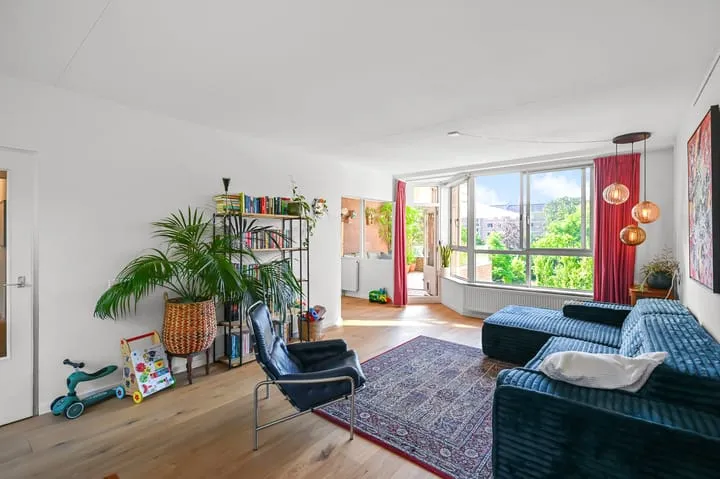
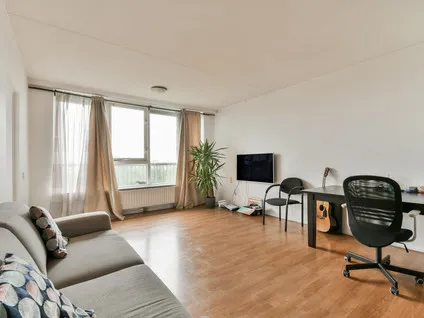
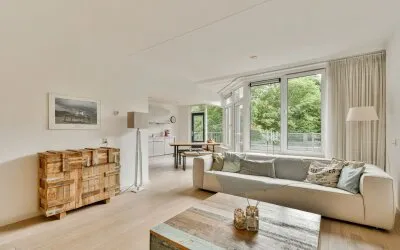
This apartment on Leusdenhof is one of the most affordable options in the L-buurt, priced at €250,000. That's 33% below the neighbourhood's average asking price of €370,914, making it a keen entry point into Amsterdam's housing market. The 62 m² floor area is smaller than the local average of 84 m², but the home offers a practical layout typical of 1980s construction. Compared to other apartments in Amsterdam, this is a notably budget-friendly choice.
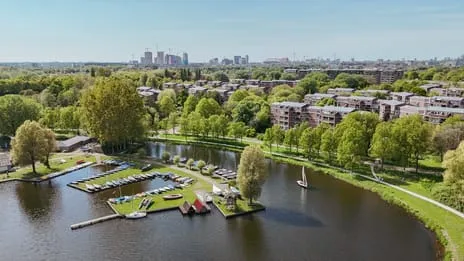
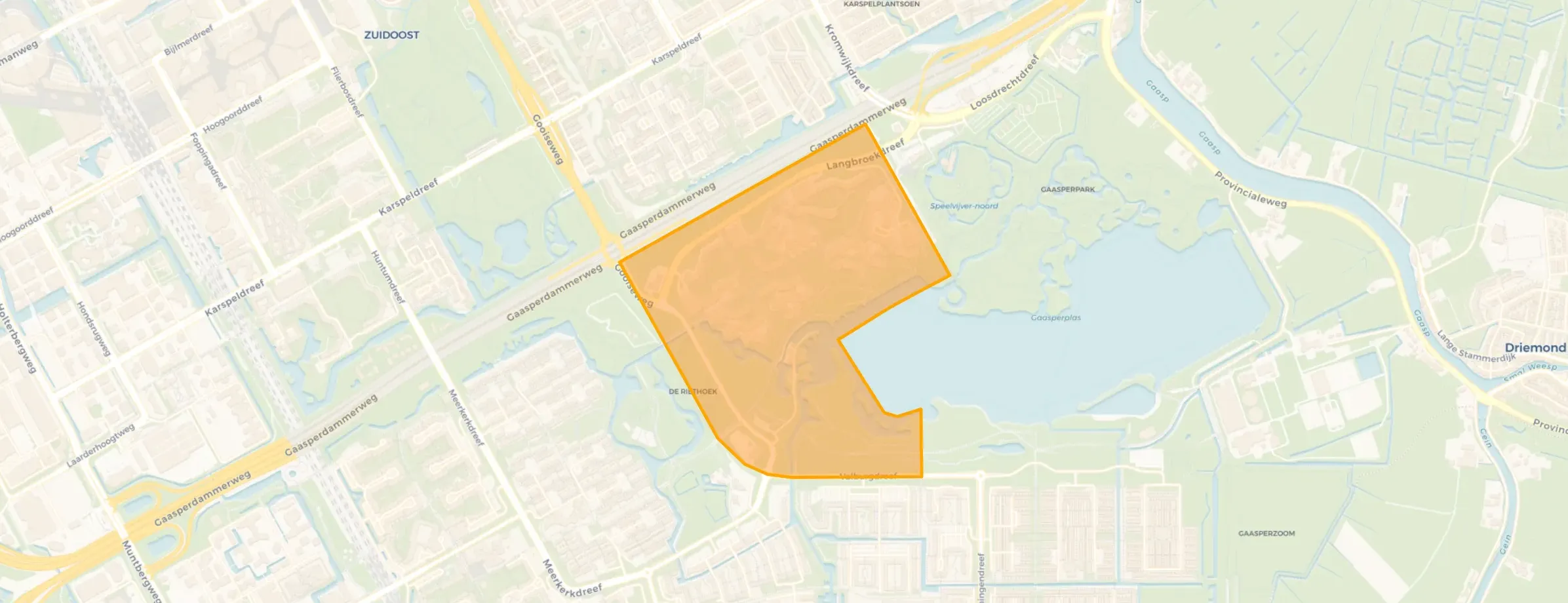
The L-buurt is a quiet, green part of Amsterdam's Nellestein district, with a park or public garden just a couple of streets away. The area is predominantly residential, with mostly flats and a mix of ages, many residents are between 25 and 45. There are no neighbourhood reviews available for this area, so the character is best experienced in person. The neighbourhood has a strong urban feel, with an address density of over 2,000 addresses per km². For more context, see the L-buurt neighbourhood.
Daily errands are straightforward: the nearest primary school, Openbare Daltonschool Nellestein, is just around the corner, and a childcare centre is also within a five-minute walk. For groceries, the Albert Heijn is a ten-minute walk away, with Aldi and Vomar also within easy reach. The area has a good mix of local shops and restaurants, though the nearest large supermarket is about 1.7 km away. The municipality of Amsterdam provides extensive amenities, as you'd expect from the municipality of Amsterdam.
At the time of writing, the home is listed only via Van de Steege Makelaarsgroep Diemen.
Details of this home

Leusdenhof 349, Amsterdam
Data from L-buurt
Data from L-buurt
32 within 5 km



67 within 5 km
About Leusdenhof 349, Amsterdam
At €250,000, this apartment is the cheapest of the 34 homes currently for sale in the L-buurt. The asking price is 33% below the neighbourhood average of €370,914, which makes it a keen entry point. However, the floor area of 62 m² is 26% smaller than the local average of 84 m², so the lower price partly reflects the smaller size. The energy label D also means higher energy costs compared to homes with better labels.
The energy label is D. This is a moderate rating, meaning the home is not particularly energy-efficient. In the L-buurt, about 26% of homes for sale have a label D or lower, while the majority (65%) have labels A, B, or C. You can expect higher heating and electricity bills compared to a home with a better label, but no exact costs are provided in the listing.
The nearest train station is 3 km away from the apartment. This is a reasonable distance for cycling or taking a bus, but it's not within walking distance for most people. The listing does not specify which station, but the distance is given as 3 km.
The closest primary school is Openbare Daltonschool Nellestein, just 237 metres away, about a three-minute walk. There is also a special primary school within 252 metres. Several other primary schools are within 1 km, including IKC de Brink and IKC Knotwilg. For secondary education, the nearest school is about 1.9 km away.
The CBS data records 138 total crimes in the neighbourhood, but without a per-capita figure or comparison, it's hard to judge. No specific crime types are listed in the data.
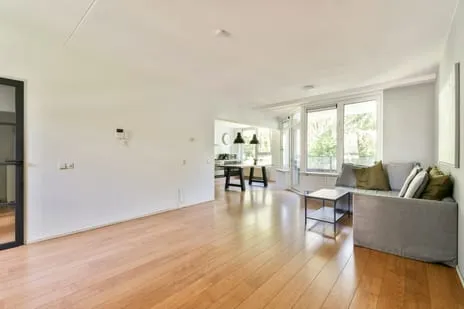
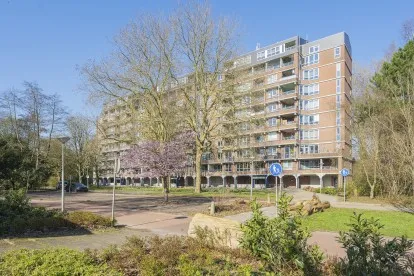
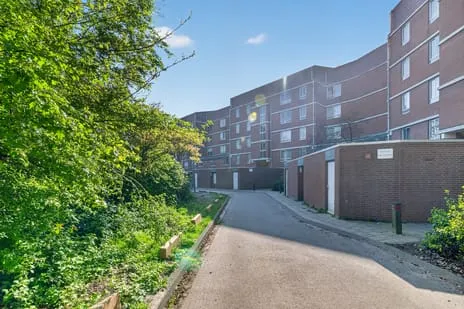
This is an apartment built in 1980. The entire neighbourhood consists of flats built between 1970 and 1990, so this home fits the typical profile. The apartment is part of a larger complex, and the exact layout is not described in the listing.
Yes, a park or public garden is just 0.1 km away, literally on your doorstep. The L-buurt is known for its green character, with several small parks and green areas within walking distance. This makes it a pleasant area for outdoor activities or walks.
Recently sold homes in the L-buurt had an average price of €348,825 and took about 41 days to sell. The current asking price of €250,000 is well below that average, but the apartment is also smaller than most. The lower price reflects both the size and the energy label, so it's a trade-off.
6 homes in the neighbourhood L-buurt

Buurtje.nl uses cookies to make the site work and to improve it. In doing so, we process data such as your IP address and the pages you visit.
We use this data for three purposes: running the website (functional), measuring visits so we can improve Buurtje.nl (analytics), and — if you allow it — tailoring ads to your interests (marketing).
How we handle your data is described in our privacy policy. You can change your preferences at any time via 'Cookie preferences' at the bottom of every page.
Choose per category which cookies we may place. Read more in our privacy policy.