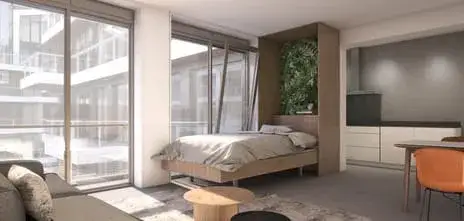





A bright apartment on R.J.H. Fortuynplein
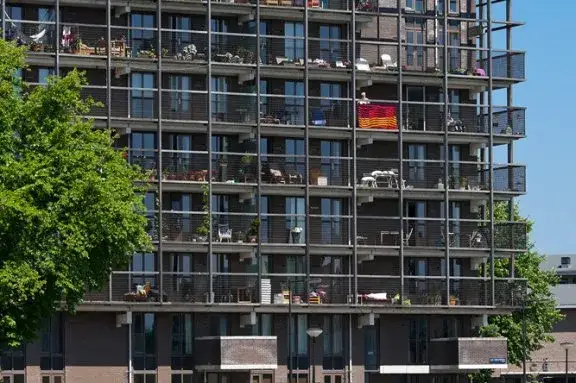
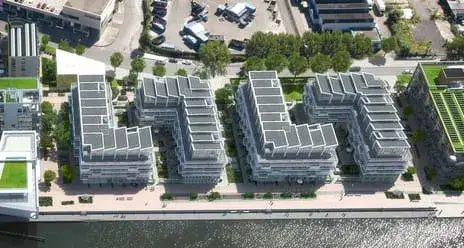
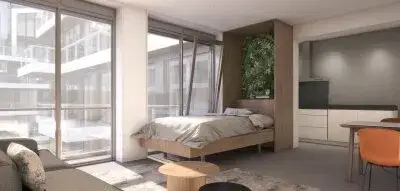
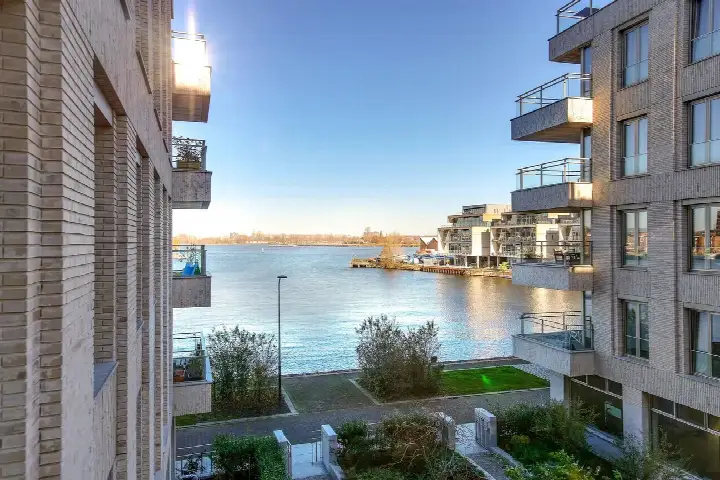
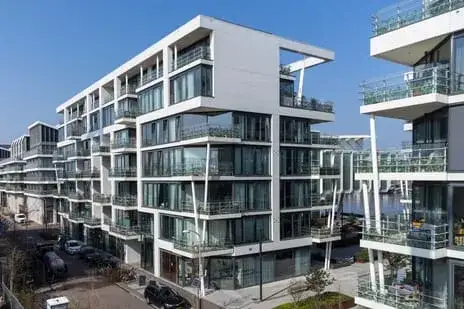
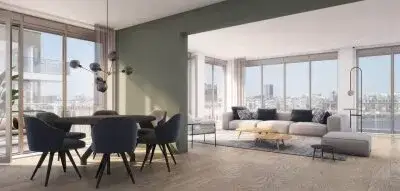
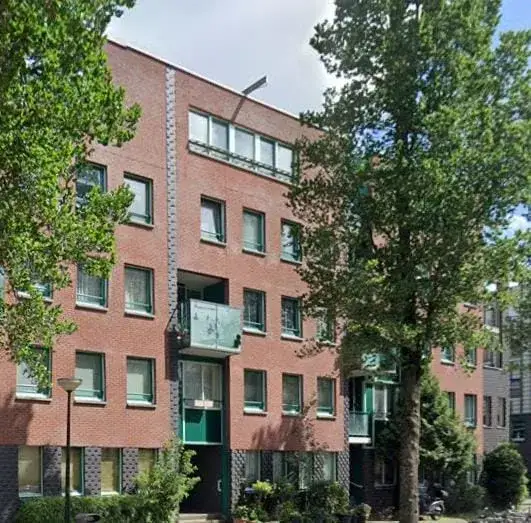
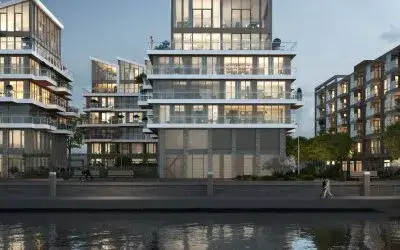
This apartment on R.J.H. Fortuynplein sits in the Borneo area of Amsterdam, a part of the Eastern Docklands known for its modern architecture and open water. The home was built in 1999 and has an energy label A, which means it is very efficient to run. At €2,010 per month, the rent sits 27% below the neighbourhood average of €2,742, so it is keenly priced for the area. For context, the floor area of 92 m² is 26% smaller than the neighbourhood average of 125 m², which helps explain the lower rent. If you are looking at apartments in Amsterdam, this one stands out for its efficient label and market-rate price.
The Borneo neighbourhood
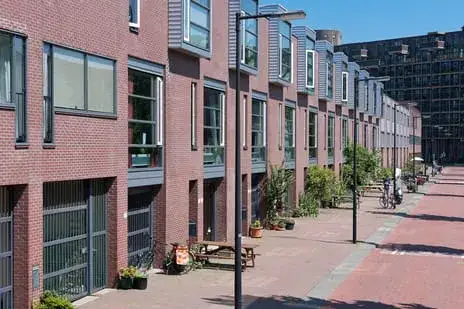
Borneo is a residential island in the Eastern Docklands, with a mix of modern housing and waterfront views. The neighbourhood has around 2,700 residents, with a notable share of families and a good number of households with children. It is a quiet, established area, popular with those who like a bit of space and water nearby. The housing stock is mostly owner-occupied, with 38% of homes being owner-occupied, which gives the area a settled feel. Based on the available data, there are no resident reviews to draw on, but the neighbourhood profile suggests a family-friendly environment. For more on the area, see the Borneo neighbourhood.
Life on the street
Daily life here is straightforward, with a primary school just a couple of streets away, and another. For groceries, an Albert Heijn is just around the corner, with a Jumbo a bit further. The nearest secondary school is about a ten-minute walk away, which is handy for older children. The train station is 2.2 km away, so commuting into the city centre is manageable. For a broader view of the area, the municipality of Amsterdam offers plenty of context on local services and transport.
Source
At the time of writing, this home is listed only.
This summary was generated with AI and may contain errors. Always verify the details with the provider.
Features
Details of this home
Transfer
Price

Areas and volume
Construction
The WOZ value is set annually by the municipality with 1 January as its reference date, and therefore lags the market by about a year. It is an estimated market value, not a sale price.
Frequently asked questions
About R.j.h. Fortuynplein 52, Amsterdam
Is €2,010 a fair rent for this apartment?
The rent of €2,010 is 27% below the neighbourhood average of €2,742, which makes it keenly priced. However, the floor area of 92 m² is 26% smaller than the neighbourhood average of 125 m², so the lower rent reflects the smaller size. Compared with other rentals in Borneo, this is on the lower end of the price range.
What is the energy label and what does it mean?
The energy label is A, which is the most efficient label on the scale. This means the home is very energy-efficient, so you can expect relatively low heating and electricity costs compared with less efficient homes. The label is an official registration, so it is a reliable indicator of the home's energy performance.
How far is the nearest supermarket?
The nearest supermarket is an Albert Heijn at 583 metres, which is about a five-minute walk. A Jumbo is slightly further at 773 metres, and there are other options within a short distance. For daily groceries, you have several choices within a comfortable walking distance.
What schools are nearby?
There are several primary schools within walking distance, including Basisschool De Achthoek at 290 metres and Dalton Kind Centrum de Kleine Kapitein at 427 metres. A secondary school, Montessori Lyceum Pax, is at 612 metres. This makes the area convenient for families with school-age children.
How far is the train station?
The nearest train station is 2.2 km from the apartment. This is a manageable distance for cycling or a short bus ride, though the exact travel time depends on the route. The station provides connections to the wider city and beyond.
What is the neighbourhood like in terms of demographics?
Borneo has around 2,700 residents, with a mix of ages. About 40% of households have children, and 34% are single-person households. The average household size is 2.2 people. This suggests a balanced community with both families and singles, giving the area a lively but settled character.