




A historic apartment in the heart of Delft
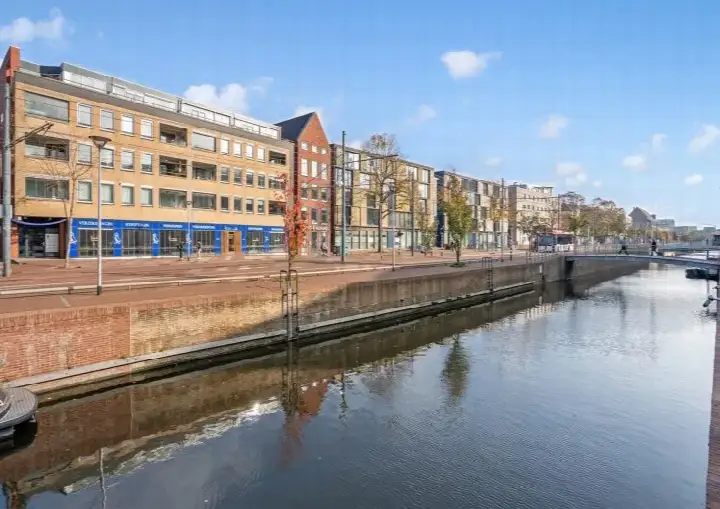
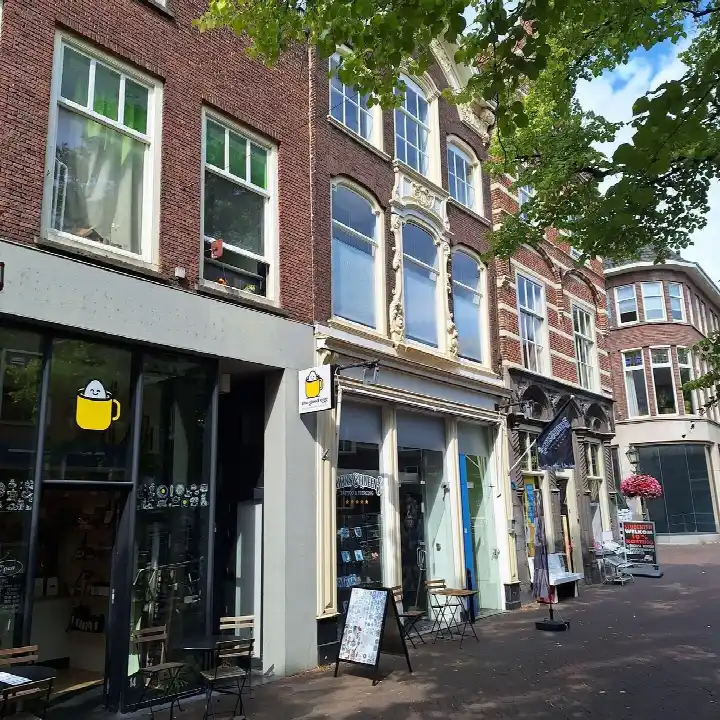
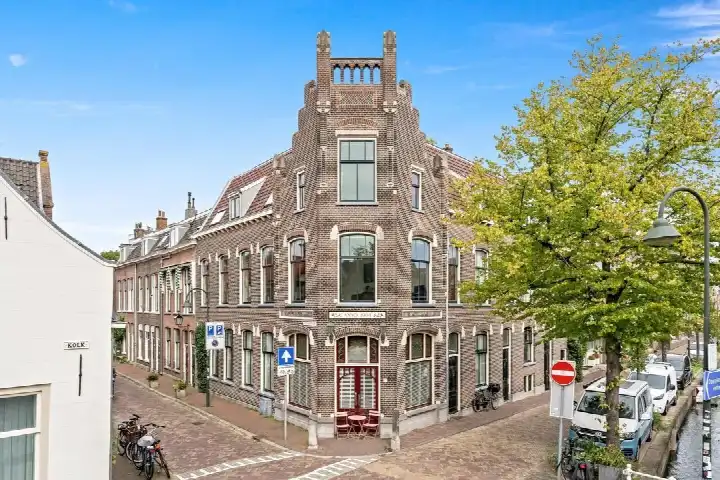
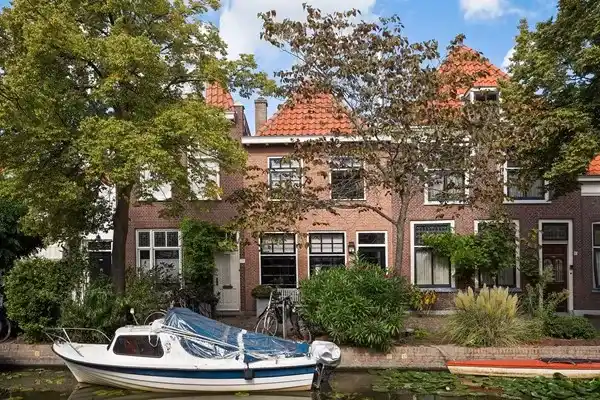
This apartment on Wijnhaven sits right in the historic centre of Delft, with canals and cobbled streets just outside the door. At 141 m², it is a spacious home in a 1732 building with energy label C. The last known asking price of €749,000 was 38% above the neighbourhood average of €541,905, but the floor area was 62% larger than the typical 87 m² in the area, so the price per square metre was in line with the market. For context, this was one of the apartments in Delft at the time for sale. This home has not been online since 30 September 2026.
The Centrum neighbourhood
The Centrum neighbourhood is the historic core of Delft, with a very high address density of 5,279 addresses per km². It is a lively area with many singles, 63% of households are one-person, and a young population, with 43% aged 25-45. The only review available gives a score of 7.88 out of 10, though no specific comments were left. The neighbourhood has a mix of old buildings, shops, and restaurants, and the train station is a ten-minute walk away.
Life on the street
For daily groceries, you have Albert Heijn and SPAR both just around the corner, and Ekoplaza a couple of streets away. There are several primary schools within walking distance: Max Havelaar Kindcentrum is a five-minute walk, Montessorischool Jan Vermeer is about a ten-minute walk, and RK Basisschool de Oostpoort is a bit further. For secondary education, Scholencombinatie Delfland (Grotius) is also within a ten-minute walk. The area is part of the municipality of Delft, which offers a range of cultural and recreational amenities.
Source and availability
When this home was still on the market, it was listed through several channels, including Klijn Onroerend Goed Advies, Pararius, and Funda.
This summary was generated with AI and may contain errors. Always verify the details with the provider.
Features
Details of this home
Transfer
Price

Areas and volume
 Insure your home and belongingsGet insured
Layout
Construction
Frequently asked questions
About Wijnhaven 8H, Delft
Was €749,000 a fair price for this apartment?
The asking price was 38% above the neighbourhood average of €541,905, but the apartment was also 62% larger than the typical 87 m² in Centrum. The price per square metre worked out to about €5,312, which was below the neighbourhood average of €7,098 per m². So while the total price was high, you were getting significantly more space for your money.
What is the energy label and what does it mean?
The apartment has energy label C. This is a mid-range rating, meaning the home is reasonably efficient but not top-tier. In the neighbourhood, about 32% of homes have label C, while 32% have label A.
How far is the train station?
Delft train station is 1.0 km away, which is about a ten-minute walk. This makes it convenient for commuting to cities like The Hague, Rotterdam, or Amsterdam.
What is the neighbourhood like?
Centrum is the historic centre of Delft, very densely built with a lively, urban feel. It has a young population, many singles, and a high number of amenities within walking distance. The area scores 7.88 out of 10 in reviews, though no specific comments were provided.
Are there supermarkets nearby?
Yes, there are several supermarkets within a few minutes' walk. Albert Heijn and SPAR are both just around the corner (about 230 m), and Ekoplaza is also close by (267 m). For a quick bite, there is an AH to go near the station.
What schools are in the area?
There are several primary schools within walking distance: Max Havelaar Kindcentrum (372 m), Montessorischool Jan Vermeer (523 m), and RK Basisschool de Oostpoort (692 m). For secondary education, Scholencombinatie Delfland (Grotius) is 756 m away.
How many homes were for sale in the neighbourhood?
At the time, there were 21 apartments for sale in Centrum, Delft. The average asking price was €541,905, with a median of €350,000. Prices range from €185,000 to €1,395,000. In the past period, 51 homes were sold, with an average selling price of €607,706.
What is the typical buyer profile in this area?
The neighbourhood has a high proportion of single-person households (63%) and a young population (43% aged 25-45). Only 4% of households have children. This suggests the area is popular with students, young professionals, and couples without children.