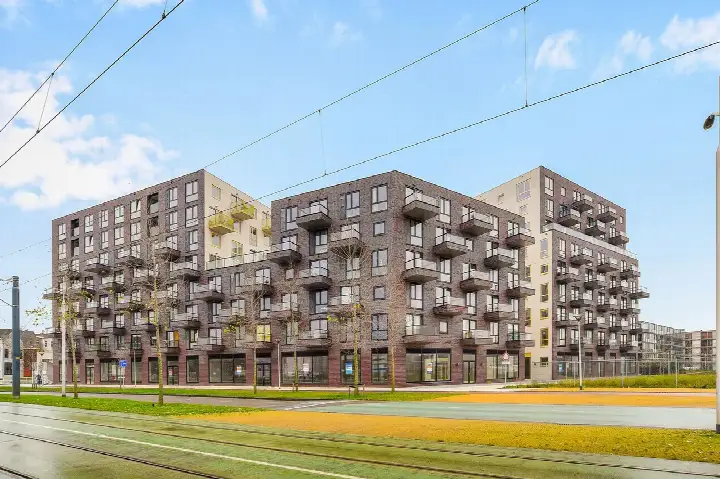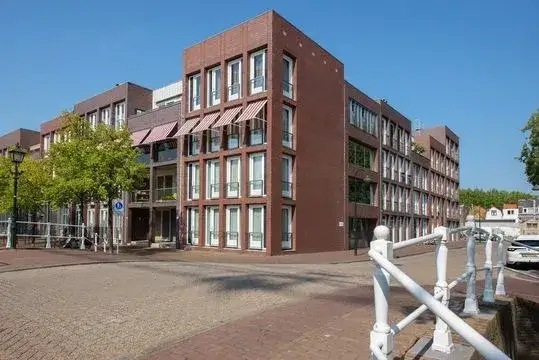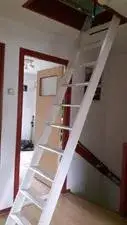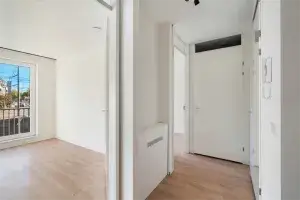





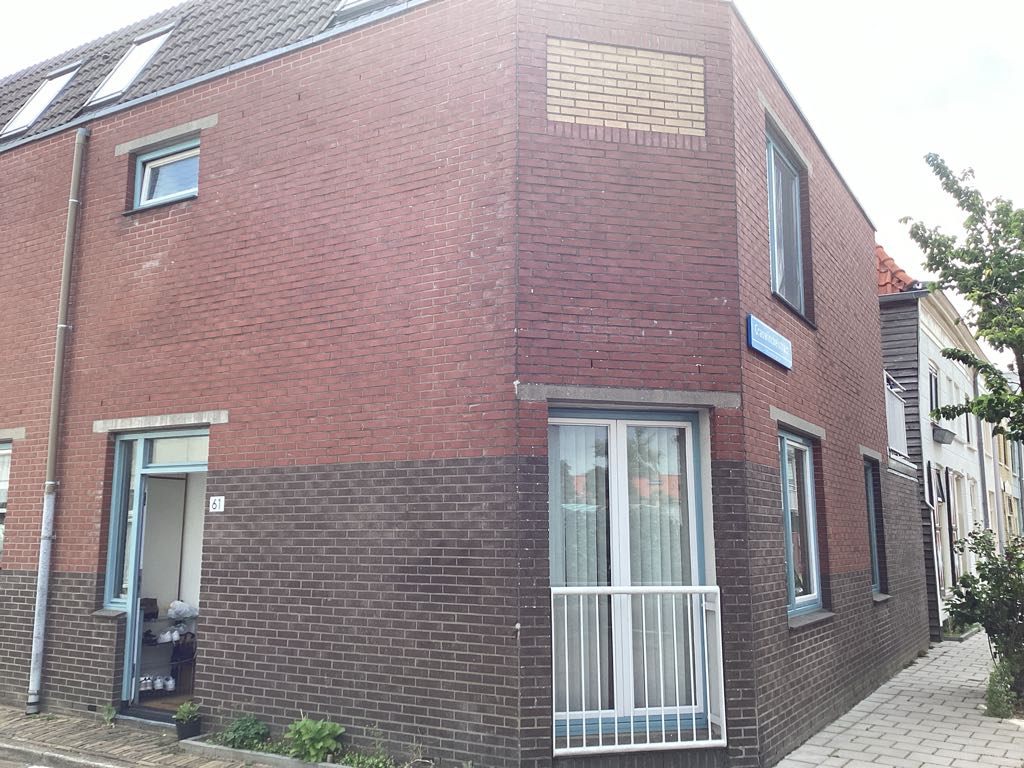
A friendly end-of-terrace house on Pootstraat
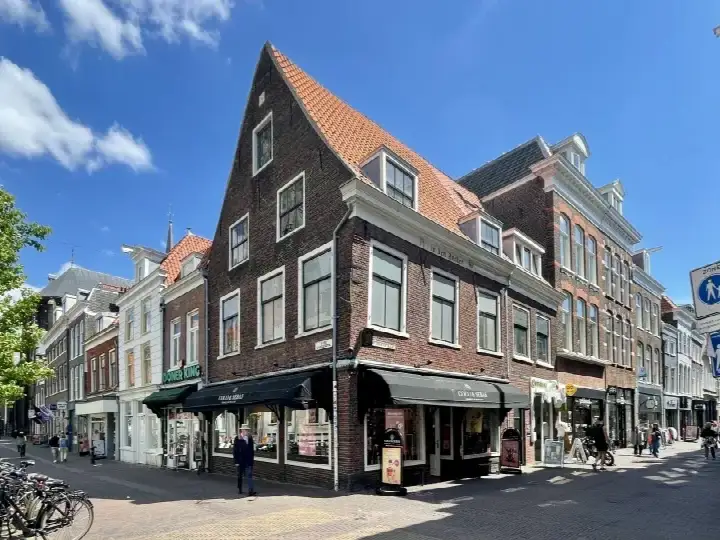
This end-of-terrace house on Pootstraat sits in the Westerkwartier, a part of Delft where the streets feel calm and lived-in. With 90 m² of living space, it is a compact home that works well for a single person or a couple. The last known rent of €1,240 a month was on the high side compared with the neighbourhood average, though the home was part of the social housing stock. For context, [end-of-terrace houses in Delft]( /huurwoningen/delft/hoekwoningen/ ) are a common sight in this part of town. This home has not been online since 27 September 2026.
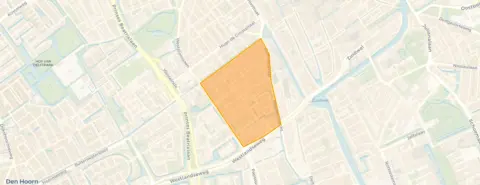
The Westerkwartier neighbourhood
The Westerkwartier is a quiet, friendly part of Delft. One resident describes it as a "Good neighbourhood", adding: "Yeah, I get along with most people." That sense of neighbourliness comes through in the streets, where many households are single people and the average age skews younger. The mix of students, young professionals and longer-term residents gives the area an easy-going feel. Based on one review, the neighbourhood scores 8 out of 10. [The Westerkwartier neighbourhood]( /buurt/westerkwartier-delft/ ) is a short walk from the centre of Delft.
Life on the street
Daily life here is straightforward. For groceries, a SPAR is just around the corner, with an Albert Heijn a ten-minute walk away. The morning school run is simple too, with Freinetschool Delft a couple of streets away and the Delftse Montessorischool for primary education about a five-minute walk. For older children, the Stanislas vmbo mavo and the Christelijk Lyceum are both within a few hundred metres. The train station is a ten-minute walk, which makes commuting easy. [The municipality of Delft]( /gemeente/delft/ ) has a lively centre with plenty of cafes and shops.
Source
When this home was still on the market, it was listed only.
This summary was generated with AI and may contain errors. Always verify the details with the provider.
Features
Details of this home
Transfer
Price

Areas and volume
 Insure your home and belongingsGet insured
Construction
Frequently asked questions
About Pootstraat 61, Delft
Was €1,240 a fair rent for this home?
The rent of €1,240 a month was on the high side compared with the neighbourhood average of €3,500, but that average was based on a single rental listing with a much larger floor area. This home was part of the social housing stock, which typically meant the rent was regulated. The price per square metre worked out at about €13.78, which was below the neighbourhood average of €21.08 per m².
How does the floor area compare with other rentals in the area?
At 90 m², this home was 46% smaller than the neighbourhood average of 166 m² for rental properties. That made it a more compact option, which could suit someone looking for a manageable space rather than a large family home. The plot is 69 m², giving a small outdoor area that is typical for an end-of-terrace house in this part of Delft.
What is the energy label and what does it mean?
The energy label is C. This is an official registration recorded in the national energy label database. A C label is in the middle of the scale, meaning the home is neither particularly efficient nor particularly inefficient.
How quickly do homes in this neighbourhood get rented out?
Homes in the Westerkwartier are rented out on average within 19 days. That gives a sense of the pace of the local rental market.
What is the neighbourhood like for daily life?
The Westerkwartier is a quiet, friendly neighbourhood where most residents are single people. One resident describes it as a "Good neighbourhood" and says they get along with most people. Daily errands are easy, with a SPAR just around the corner and an Albert Heijn a ten-minute walk away. The train station is also within a ten-minute walk, making it convenient for commuting.
Is this home part of the social housing sector?
Yes, this home was listed as social housing. That meant the rent was likely to be regulated, which could offer more stability in terms of monthly costs. The home is rented out through, which is the platform used for social housing allocations in the region. Eligibility for social housing typically depends on income limits set by the local authority.