Rental homes in De Eenhoorn, Amsterdam
Looking for a rental property in De Eenhoorn? Check the current listings on this page and discover what living in this Amsterdam neighbourhood means.

Rental prices and market figures for De Eenhoorn, Amsterdam
De Eenhoorn is a neighbourhood where renting is the absolute norm: 99% of the housing stock consists of rental properties, only 1% are owner-occupied. Of those rental properties, about 49% are owned by housing associations (social housing) and 50% by other landlords (private sector and private landlords). This makes it a unique mix on the Amsterdam rental market.
In the private sector (excluding social housing), 35 homes were rented out in De Eenhoorn over the past twelve months, at an average rent of €1,872 per month. The range runs from €932 to €2,897 per month, with an average floor area of 90 m². That works out to about €20.80 per m² per month. For current rental prices of homes now available, you can consult the overview at the top of this page.
The WOZ value in De Eenhoorn averages €359,000. This is noticeably lower than the district average of Frankendael (€493,000) and the Amsterdam average of €517,000. De Eenhoorn is thus relatively affordable within the city, although private sector rents are also high here due to the tight market. The average income of residents is €38,100, also below the municipal average of €44,276. Want to know what is currently available? Check the available rental properties at the top of this page.
Living in De Eenhoorn, Amsterdam
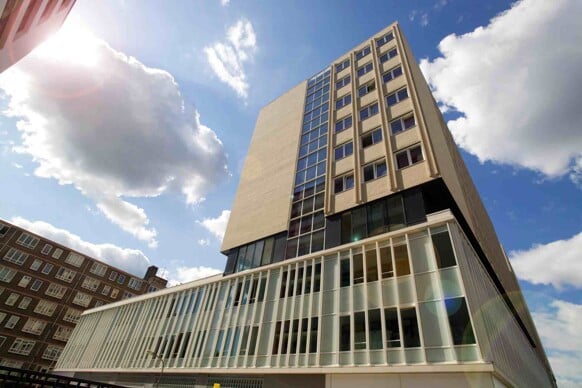
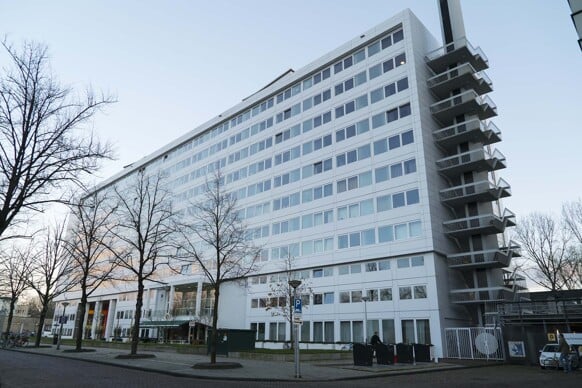
De Eenhoorn is located in the southeast of Amsterdam, as part of the Frankendael district. It is a compact, predominantly post-war neighbourhood with a distinctly urban character. The buildings largely consist of porch flats and gallery flats from the 1950s and 1960s, supplemented by a number of later renovation projects. The streetscape is functional and sober: no canal houses or brown cafes, but also no anonymous new-build estate. Residents appreciate the peace that can still be found here compared to the busy city centre.
The neighbourhood has nearly 3,900 residents, the largest group of whom are between 25 and 45 years old. Single-person households are by far the most common (1,695 of the approximately 1,700 homes). This says something about the character of the neighbourhood: it is more a place for young professionals and starters than for large families. Only 8% of residents are married, and the proportion of over-65s is small. More than half of residents have a high level of education.
Facilities in De Eenhoorn
For daily groceries, residents rely on supermarkets in the immediate vicinity, including an Albert Heijn and a Dirk on the Wibautstraat and in the adjacent Watergraafsmeer. Larger shopping centres such as Amsterdamse Poort in Amsterdam-Zuidoost are easily accessible by bike or metro. Within the neighbourhood itself, the range of shops is limited; for more extensive shopping or dining out, you quickly head to the Linnaeusstraat or the Oosterpark area.
Green spaces can be found near Frankendael Park, one of the nicer city parks in Amsterdam-Oost with a formal garden and space for walking. Sports facilities are available through various sports clubs in the Frankendael district and the nearby sports park. For families with children, primary schools are accessible in and around the neighbourhood; however, given the demographic composition, the neighbourhood is not primarily geared towards families.
Accessibility of De Eenhoorn
Accessibility is one of the neighbourhood's stronger points. Spaklerweg metro station (line 54) is within walking distance and takes you to Amsterdam Central in about ten minutes. The light rail to Amstel station and further towards Amstelveen is also easily accessible. Several bus lines connect the neighbourhood with surrounding districts. By car, you quickly connect to the A10 ring road, making the rest of the city and region easily reachable. Cyclists have good connections to the centre via the Wibautstraat and the Amstel route, about a fifteen-minute bike ride. Parking in the neighbourhood requires a permit; free parking spaces are scarce, especially during the day.
Residents appreciate the location but are sometimes critical of the neighbourhood's appearance. One resident writes on the neighbourhood page: "De Eenhoorn is functional and well-connected, but the neighbourhood lacks some atmosphere and greenery at street level. For the price, you live here fine, but don't expect cosy neighbourhood cafes around the corner." See more experiences and reviews on the neighbourhood page of De Eenhoorn, where residents rate the neighbourhood on safety, facilities, greenery and atmosphere.
Compared to neighbouring communities such as Van der Kunbuurt and De Wetbuurt, De Eenhoorn has a slightly quieter and more closed character. Also popular with renters in this corner of Amsterdam is Tuindorp Amstelstation, a neighbourhood with a greener and more village-like character. Those looking for a rental home with more urban vibrancy can also look at Don Bosco, a bit closer to the Wibautstraat.
Does renting in De Eenhoorn suit you?
De Eenhoorn mainly appeals to young professionals and starters who want to rent a home in Amsterdam without paying the highest rents of the city centre. The neighbourhood is less suitable for those looking for a family home with a garden or a lively dining and drinking scene around the corner. Expats who make good use of public transport will find a practical base here. For social housing, registration with Woningnet is mandatory; waiting times in Amsterdam quickly run to several years. In the private sector, homes go quickly; respond promptly to listings and ensure your documents (employer's statement, payslips, ID) are immediately available. If renting is not financially feasible, also check the supply of homes for sale in De Eenhoorn, although that supply is extremely limited given the 1% owner-occupied quota.
What residents say about De Eenhoorn
Residents rate De Eenhoorn on average as a solid, functional neighbourhood. High scores are given for accessibility and peace; residents are less enthusiastic about the atmosphere on the street and the limited range of facilities within the neighbourhood itself. One resident sums it up aptly: "Well located, affordable for Amsterdam, but the neighbourhood has little soul. You live there fine, but you live there less." All reviews, scores per category and current neighbourhood data can be found on the reviews and neighbourhood data of De Eenhoorn. You won't find such honest resident reviews anywhere else at neighbourhood level.
Compare rental properties in and around De Eenhoorn
Anyone considering renting an apartment in De Eenhoorn would do well to also compare the surrounding neighbourhoods. The Frankendael district as a whole has a higher WOZ value and a slightly different housing supply. Those looking more broadly can find the full city-wide supply on the page rental properties in Amsterdam, including popular districts such as the Jordaan and the Haarlemmerbuurt. For information on living, permits and municipal regulations, you can visit the website of the municipality of Amsterdam. Buurtje.nl combines current housing supply with resident reviews and neighbourhood data, so you not only find a home but also know whether the neighbourhood suits you.
Frequently asked questions
What is the average rent in De Eenhoorn, Amsterdam?
In the free sector (excluding social housing), the average rent in De Eenhoorn is €1,872 per month, based on 35 rented homes in the past twelve months. The range runs from €932 to €2,897 per month, with an average area of 90 m². This works out to about €20.80 per m² per month. Social housing is cheaper, but waiting lists and income requirements apply.
Are there social housing properties in De Eenhoorn?
Yes, approximately 49% of the housing stock in De Eenhoorn is owned by housing associations and therefore largely falls under social housing. For a social housing property in Amsterdam, you must register with Woningnet (woningnet.nl). Waiting times in Amsterdam are long and average several years, depending on your registration period and housing preferences.
What is it like to live in De Eenhoorn?
De Eenhoorn is a functional, post-war neighbourhood in Amsterdam-Oost with good public transport connections and relatively lower rents than the city centre. Residents appreciate the peace and accessibility but are critical of the limited atmosphere and lack of greenery at street level. The neighbourhood is popular among young professionals and single-person households. Read resident reviews and view neighbourhood scores on the De Eenhoorn neighbourhood page.
Is De Eenhoorn suitable for starters and young professionals?
De Eenhoorn is certainly interesting for starters and young professionals looking for a rental home in Amsterdam without paying the highest rents in the centre. The largest age group in the neighbourhood is 25 to 45 years old, and the majority of households consist of one person. The neighbourhood is less suitable for families with children, as the supply of family homes and family-oriented facilities is limited.
How is the accessibility of De Eenhoorn?
The accessibility of De Eenhoorn is good. Spaklerweg metro station (line 54) is within walking distance and takes you to Amsterdam Central in about ten minutes. By car, you quickly connect to the A10 ring road. Cycling to the centre takes about fifteen minutes via the Wibautstraat. Parking requires a permit; free parking is scarce in the neighbourhood.
What facilities are there in De Eenhoorn?
The range of facilities within De Eenhoorn itself is limited. For daily groceries, supermarkets such as Albert Heijn and Dirk are accessible on the Wibautstraat and in adjacent neighbourhoods. Green space can be found in the nearby Frankendaelpark. For extensive shopping, dining, and sports, you go to the Linnaeusstraat, the Oosterpark area, or Amsterdam-Zuidoost. Primary schools are present in and around the neighbourhood.
How quickly are rental properties in De Eenhoorn rented out?
The Amsterdam rental market is tight, and this also applies to De Eenhoorn. Free sector properties are generally rented out quickly; the current average rental time can be found at the top of this page. It is wise to respond quickly to listings and have your documents, such as an employer's statement, recent payslips, and a valid ID, ready.