





5 rental homes in H-buurt, Amsterdam
View the current rental property listings in H-buurt and compare prices, sizes, and resident reviews directly on this page.

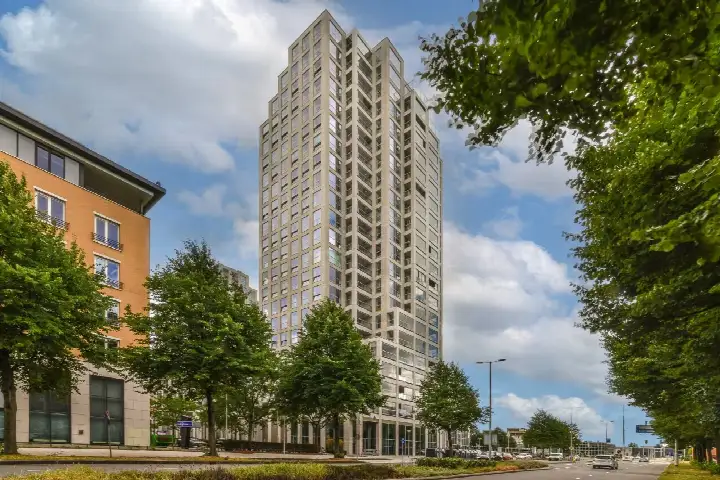

Renting in H-buurt: affordable compared to Amsterdam, but the free-sector supply is limited
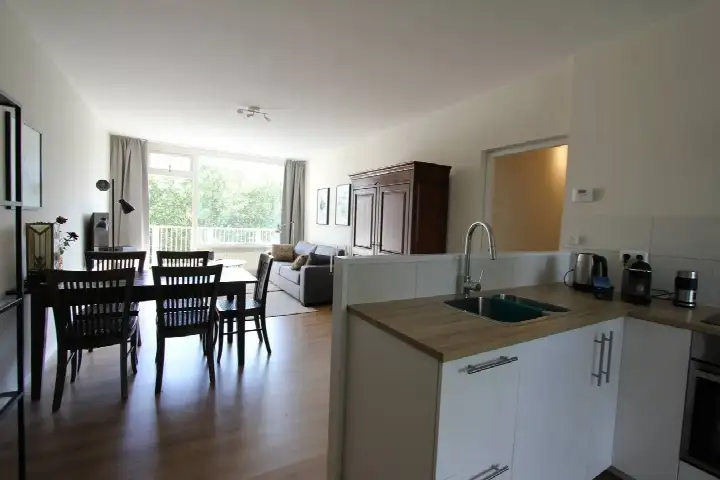
H-buurt is a pronounced rental neighbourhood. As many as 90% of the more than 3,700 homes are rental properties, two-thirds of which are owned by a housing association. This makes the neighbourhood accessible to people with a social housing permit, but waiting lists for social housing in Amsterdam are long. In the free sector, 18 homes were rented out in H-buurt last year, with an average rent of €1,189 per month and a range of €778 to €3,000 per month. The average floor area was 88 m². These are annual averages for the free sector, excluding social housing and rooms. For current rents and availability, please consult the overview at the top of this page.
The average WOZ value of homes in H-buurt is €275,000, which is significantly lower than the Amsterdam average of €517,000. This reflects both the type of home ownership and the location on the southeastern edge of the city. The average income in the neighbourhood is €23,024 per year, also considerably lower than the municipal average of €44,276. If you are looking for a rental home with a relatively low free-sector rent for Amsterdam, you can find it here, but supply is scarce.
H-buurt: quiet and green, but residents want more
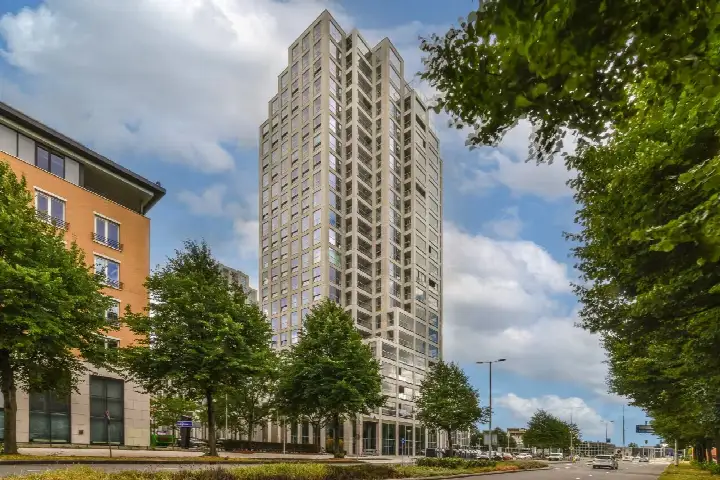
H-buurt is located in Amsterdam Zuidoost and has a distinct residential character. It is not a bustling city neighbourhood, but an area where people simply live, do their shopping and take their children to school. Residents on the neighbourhood page of H-buurt give the neighbourhood an average of 6.3 out of 10. That is not a bad score, but it also tells an honest story: H-buurt is functional, not spectacular.
What stands out in resident experiences is the combination of tranquillity and dissatisfaction with the state of the neighbourhood. Resident I.M. Alvares writes: "It's okay to live here, except for some things and people. Many trees have been cut down for a certain number of parking spaces, and the windows of the lift hall keep getting smashed, and we as residents pay for that." That feeling of neglect of the living environment recurs more often. Resident Irmgard describes the neighbourhood as "boring, but quiet", and adds that there have been incidents in the past, but that CCTV surveillance and police patrols in the evening have improved the situation. Safety scores a 7.0, green spaces also a 7.0, but amenities only reach a 5.5 and housing scores a meagre 5.0.
Accessibility is a point of attention, with a score of 6.0. Irmgard notes that you "have to walk a bit" if you have forgotten something, indicating that daily amenities are not always around the corner. The neighbourhood consists of several sub-areas. For example, Hakfort/Huigenbos has its own character, as does the quieter Rechte H-buurt. Huntum and Hoptille also fall under H-buurt and can differ in atmosphere and supply. Education scores relatively well with a 7.5, which is a positive point for families with children.
Renting in H-buurt: who does this suit and who does it not?
H-buurt is best suited for people who value peace and space over urban vibrancy, and who consciously choose a more affordable rental home on the edge of Amsterdam. The largest group of residents is between 25 and 45 years old, and more than a third of households consist of a single person. For starters on the rental market, renting an apartment in H-buurt can be a realistic option, especially given the lower free-sector rents compared to neighbourhoods like the Jordaan or Grachtengordel-West. Those who are specifically looking for lively amenities, a varied range of shops or an active neighbourhood community will feel less at home here. Also consider the available supply of homes for sale in H-buurt if you are looking for more long-term security in this area.
Finding rental homes in H-buurt: how to do it smartly
On this page you will find the current supply of rental homes in H-buurt, including filters on price, floor area and energy label. Buurtje.nl combines current housing supply with resident reviews and neighbourhood statistics, so you not only find a home but also know what to expect. Want to search more broadly? Then also check the supply in the Haarlemmerbuurt or compare with the broader overview of rental homes in Amsterdam. More information about living in the city can also be found on the website of the municipality of Amsterdam.
What is the average cost of a rental home in H-buurt?
In the private sector, the average rent in H-buurt over the past year was €1,189 per month, with an average area of 88 m². Rents ranged from €778 to €3,000 per month. These figures exclude social housing and rooms. Current listings and daily prices are at the top of this page.
How long are the waiting times for social housing in H-buurt?
Approximately 66% of homes in H-buurt are owned by a housing corporation, so there is relatively high social housing stock. However, waiting times for social housing in Amsterdam are long, typically several years. For current waiting times, you can contact WoningNet Amsterdam via the municipality of Amsterdam.
Is H-buurt a safe neighbourhood to rent a home?
Residents rate safety at 7.0 out of 10, which is relatively positive for an Amsterdam district. Residents report that there have been incidents in the past, but that CCTV and police patrols in the evening have improved the situation. The overall rating of the neighbourhood is 6.3 out of 10.
How is the accessibility when renting a home in H-buurt?
Accessibility scores 6.0 out of 10 among residents. The district is located in Amsterdam Zuidoost and is accessible by public transport, but residents indicate that daily amenities are not always nearby. If you forget something, you sometimes have to walk a fair distance. Motorists benefit from the location on the edge of the city.
What target group is renting a home in H-buurt suitable for?
H-buurt mainly attracts people between 25 and 45 years old, and has relatively many single-person households. The neighbourhood is quiet and affordable compared to other Amsterdam districts, making it attractive for starters and people who consciously choose less urban hustle and bustle. Families with children can benefit from the relatively well-performing schools in the area, with an education score of 7.5 out of 10.
It's okay to live here, except for some things and people, and I think there should be better facilities for both people and children. Many trees have been cut down for a certain number of parking spaces, and the windows of the lift hall are constantly being smashed, and we as residents pay for that. Also, two separate police cameras have been installed, but I think there should be more patrolling. There are residents who live elsewhere and dump their rubbish here. The schools in this neighbourhood are two schools and they provide good education. The houses are full of asbestos, the lifts are often broken, and the houses are draughty and often get mould.
Auto-translated to English by AIThe neighbourhood is boring, but otherwise quiet. Some things have happened in the past, but there is now a police camera and because there are also businesses in the area, there is sometimes a police patrol in the evening. Furthermore, if you forget something, it is annoying because you have to walk a bit to get to the shop or be willing to pay for an expensive delivery service.
Auto-translated to English by AI