Homes for sale in H-buurt, Amsterdam
Looking for a home to buy in H-buurt? Check the current listings on this page, including current asking prices and selling times.
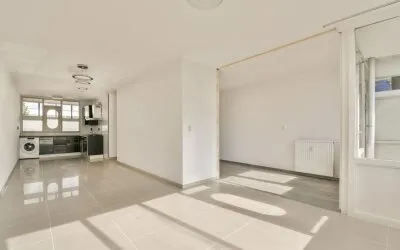
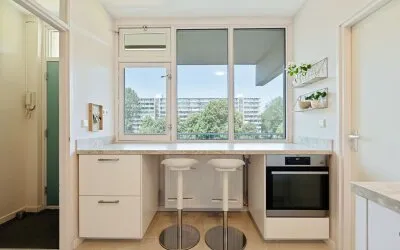

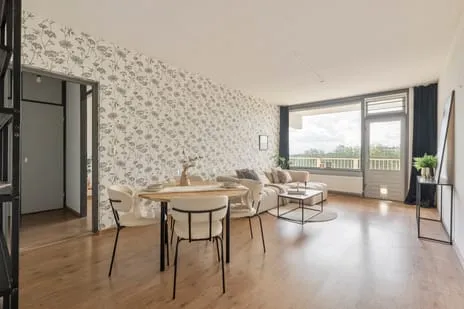
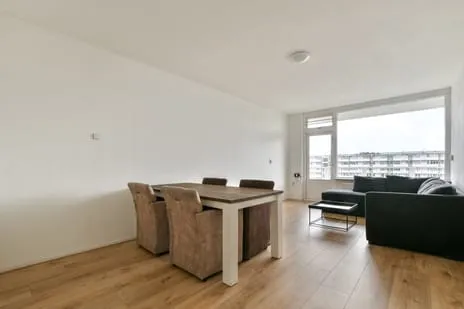
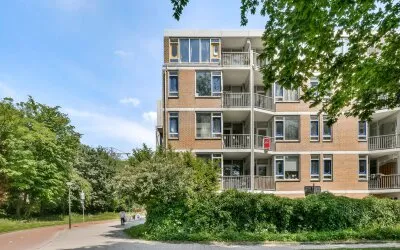
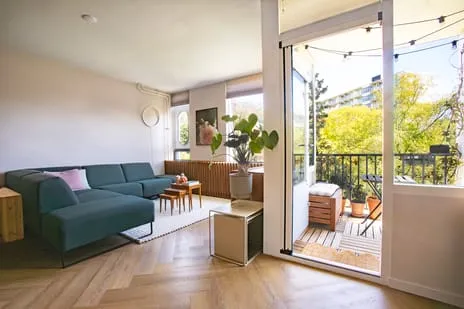
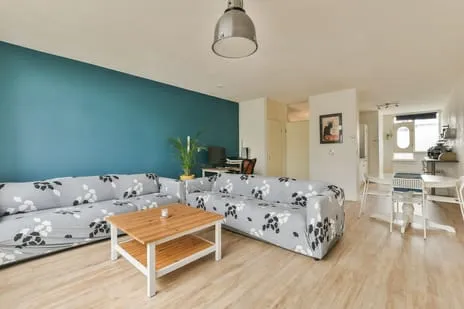
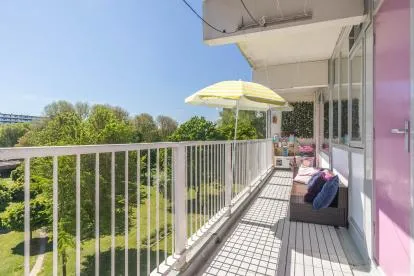
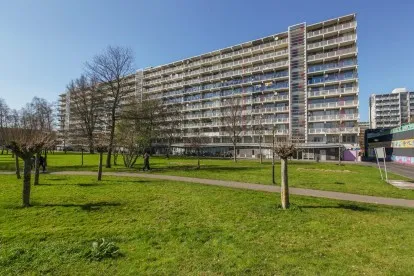
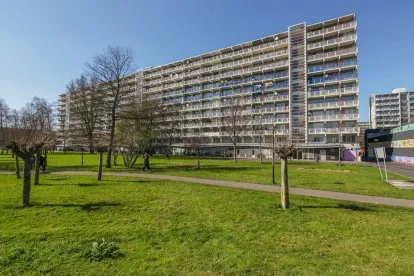
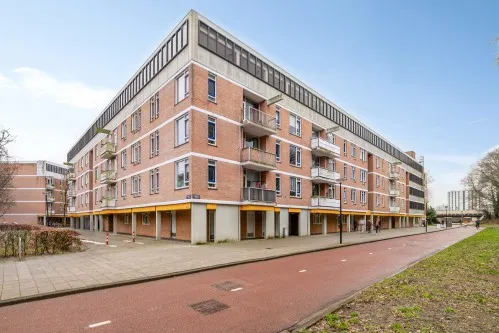
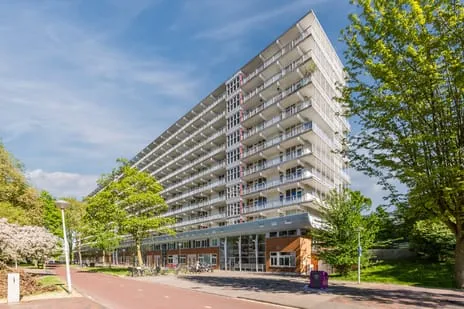
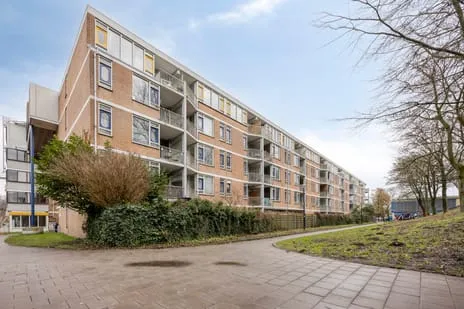
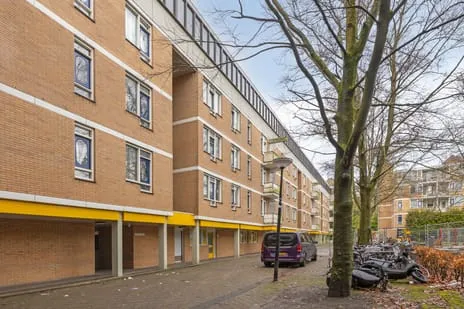
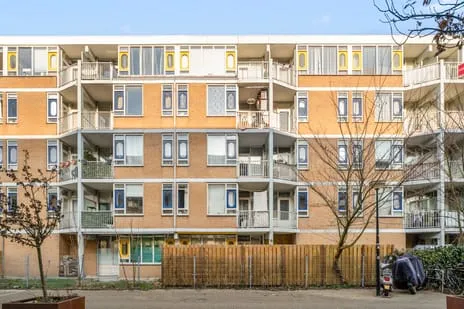
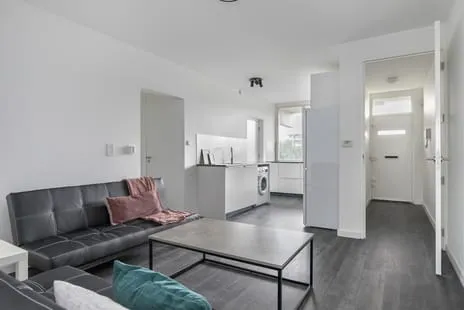
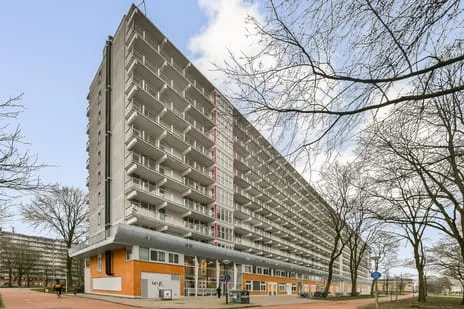
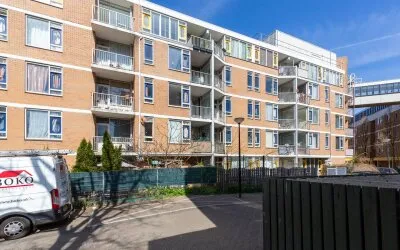
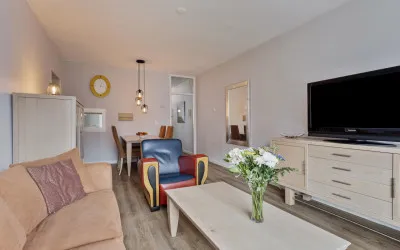
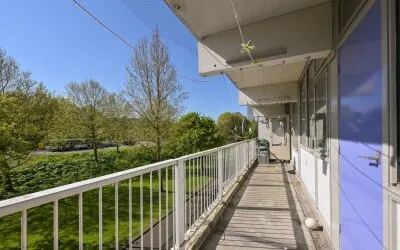

Purchase prices in H-buurt: affordable compared to Amsterdam, but supply is scarce
The H-buurt is predominantly a rental district. As many as 90% of the more than 3,700 homes are rented out, most of them through housing associations. Only 10% are owner-occupied homes, meaning that only a handful of homes change hands each year. In the past twelve months, 18 homes were sold, with an average purchase price of €307,778 and a range of €250,000 to €365,000. The average home has a floor area of around 70 m². The WOZ value is €275,000, significantly lower than the Amsterdam average of €517,000. This makes buying a home in H-buurt relatively accessible for the city, but the limited supply means suitable homes are quickly snapped up. Check the current listings and asking prices at the top of this page.
Living in H-buurt: quiet and green, but amenities leave something to be desired
The H-buurt is located in Amsterdam-Zuidoost, south of the Bijlmer. It is a district with plenty of greenery, relatively wide streets, and a predominantly quiet character. Residents appreciate the tranquillity and the presence of trees and green strips, but are less satisfied with the state of amenities and the district's appearance. On Buurtje.nl, the district scores an average of 6.3 out of 10, with notably high scores for education (7.5) and safety (7.0), but low scores for housing (5.0) and amenities (5.5). Resident I.M. Alvares writes: "I think better facilities for both people and children should be provided. Many trees have been cut down for a certain number of parking spaces." That says something about the priorities set in the district. Another resident describes the neighbourhood as "boring but quiet", and points out that the presence of a police camera and businesses in the area improves safety in the evening. More resident reviews and full district data can be found on the district page for H-buurt.
For daily groceries, you rely on supermarkets in the immediate vicinity, such as those in the nearby shopping centre. The district has primary schools within reach, which explains the high education score. For sports, there are options in the neighbourhood, but for a wide range of shops, dining, or culture, you need to go to the centre of Zuidoost or towards the city. The H-buurt is divided into several neighbourhoods: Hakfort/Huigenbos and Huntum each have their own character, as do Hoptille and the Rechte H-buurt. It pays to look per neighbourhood at what is available.
In terms of accessibility, the district scores a 6.0 from residents, which matches reality. With the metro (lines 53 or 54 towards Bijlmer ArenA or Gaasperplas), you can reach Amsterdam Central in about twenty minutes. The A9 and A2 are easily accessible for motorists. However, the district is not equally well connected everywhere: as one resident notes, it can be "a bit of a walk" if you have forgotten something. Cyclists find their way via the cycle paths along the green strips. More information about living in Amsterdam can also be found on the website of the municipality of Amsterdam.
Who is a home for sale in H-buurt interesting for?
Buying in H-buurt mainly appeals to first-time buyers and buyers with a limited budget. With an average purchase price of over €307,000 and homes from €250,000, prices are well below the Amsterdam average. Do take into account additional costs such as transfer tax (2% for homes above the starter exemption) and notary fees. Supply is small, so anyone serious needs to act quickly. If you want more time or prefer to stay flexible, also check out the rental homes in H-buurt as an alternative. Families looking for peace and greenery without Amsterdam city centre prices can find their place here, provided they accept the limited amenities.
Searching for a home for sale in H-buurt and surrounding area
Buurtje.nl combines current housing listings with resident reviews and district statistics, so you choose not just a home but also a neighbourhood. If H-buurt doesn't quite suit you, check out the listings in other districts in Amsterdam, or compare with districts like the Haarlemmerbuurt, the Jordaan or Grachtengordel-West for a different living environment.
Frequently asked questions
What is the average purchase price of a home in H-buurt?
In the past twelve months, 18 homes were sold in H-buurt, with an average purchase price of €307,778. Prices ranged from €250,000 to €365,000. The average home has an area of approximately 70 m². This is significantly cheaper than the Amsterdam average.
What are the additional costs when buying a home in H-buurt?
When buying a home in H-buurt, in addition to the purchase price, you also pay transfer tax (2% for buyers over 35 or for prices above the starter exemption threshold), notary costs, and possible estate agent fees. Budget on average 3 to 5% of the purchase price for additional costs. These costs come on top of your mortgage.
What types of homes can you buy in H-buurt?
The owner-occupied housing supply in H-buurt mainly consists of apartments in the typical Bijlmer architectural style from the 1960s and 1970s. Detached houses or terraced houses are hardly available. Those considering buying an apartment in H-buurt have the most choice, although the total supply is limited due to the high proportion of rental homes (90%).
How is the accessibility from H-buurt?
H-buurt is accessible via the Amsterdam metro (lines towards Bijlmer ArenA and Gaasperplas), with which you can reach Amsterdam Central in about twenty minutes. For motorists, the A9 and A2 are easily accessible. Residents give accessibility a score of 6.0 out of 10, indicating there is room for improvement, especially for those who do not live near a metro station.
Is H-buurt suitable for buying a home as a starter?
Living in H-buurt can be attractive for starters due to the relatively low purchase prices compared to the rest of Amsterdam. The WOZ value is €275,000, compared to €517,000 on average in Amsterdam. The downside is the scarce supply: only about twenty homes are sold per year. Those who are serious would do well to act quickly when something becomes available.
It's okay to live here, except for some things and people, and I think there should be better facilities for both people and children. Many trees have been cut down for a certain number of parking spaces, and the windows of the lift hall are constantly being smashed, and we as residents pay for that. Also, two separate police cameras have been installed, but I think there should be more patrolling. There are residents who live elsewhere and dump their rubbish here. The schools in this neighbourhood are two schools and they provide good education. The houses are full of asbestos, the lifts are often broken, and the houses are draughty and often get mould.
Auto-translated to English by AIThe neighbourhood is boring, but otherwise quiet. Some things have happened in the past, but there is now a police camera and because there are also businesses in the area, there is sometimes a police patrol in the evening. Furthermore, if you forget something, it is annoying because you have to walk a bit to get to the shop or be willing to pay for an expensive delivery service.
Auto-translated to English by AI