Rental homes in Staatsliedenbuurt, Amsterdam
View the current rental property supply in the Staatsliedenbuurt. Compare prices, read resident reviews, and discover if this neighbourhood suits you.
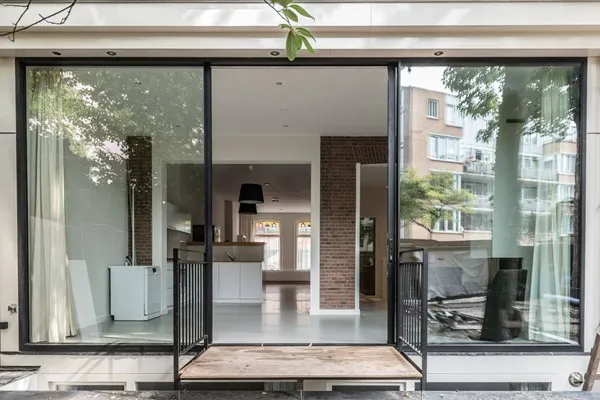
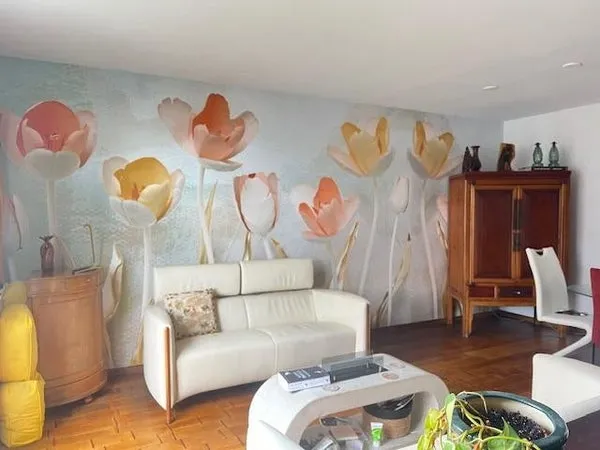

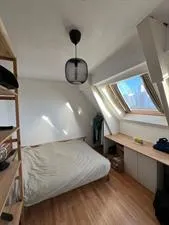
What does a rental home cost in the Staatsliedenbuurt?
The Staatsliedenbuurt is a true rental neighbourhood: no less than 71% of the more than 8,000 homes are rental properties. Nearly half (48%) are owned by housing corporations, meaning a large part of the supply is social housing with long waiting lists. The remaining 23% falls under private landlords and the free sector. In that free sector, the average rent over the past year was €2,384 per month, with a range of €750 to €3,500. The average apartment in the free sector measures around 70 m². This puts you slightly below the Amsterdam average in terms of WOZ value (€482,000 versus €517,000 for all of Amsterdam), but the rents are steep. Those looking for the current daily supply and the most recent prices will find them at the top of this page. Keep in mind that the supply in the free sector is limited: 339 homes were rented out in the past year, while demand remains enormous.
Old working-class neighbourhood with character, but not without flaws
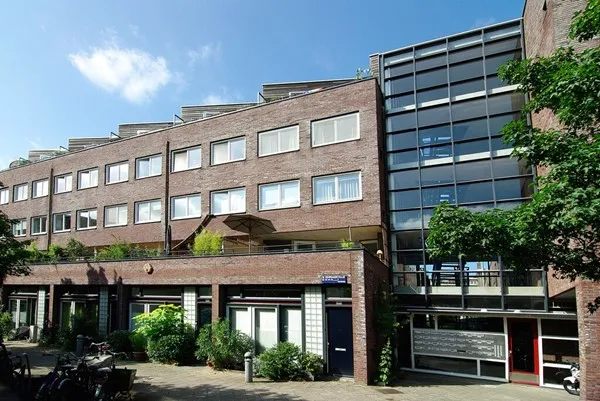
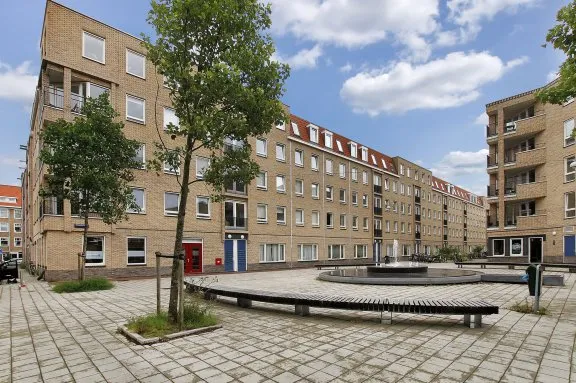
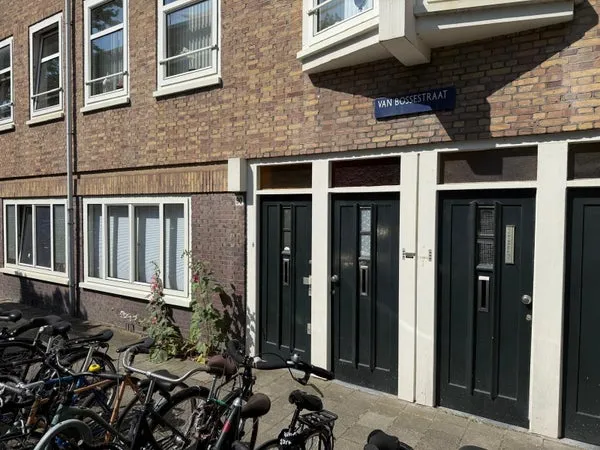
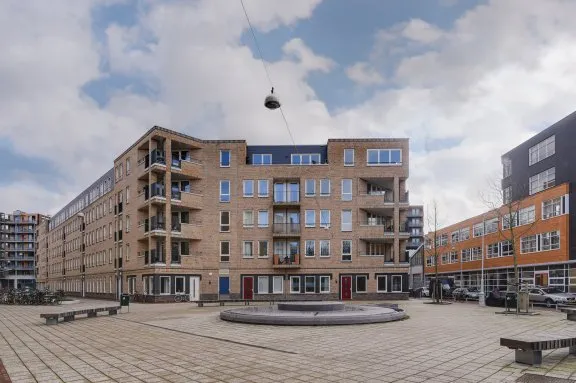
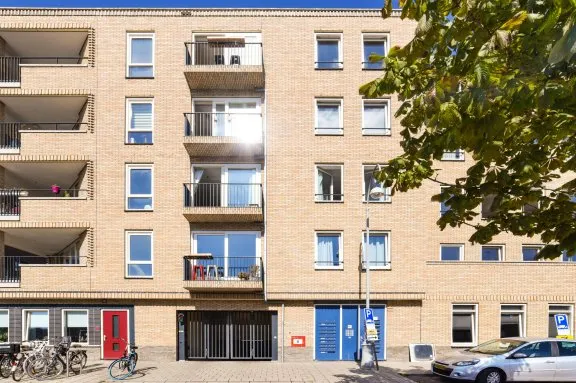
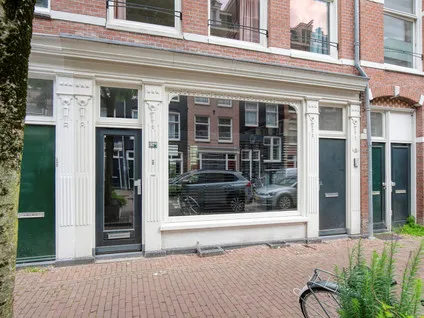
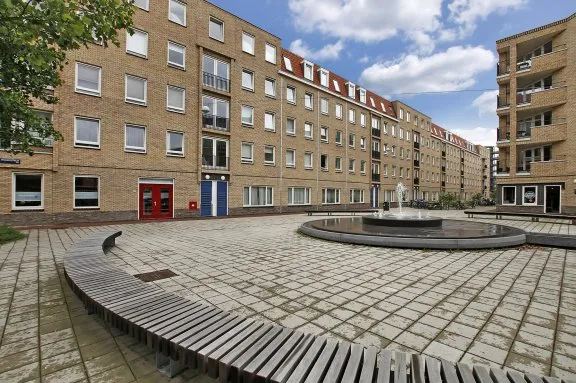
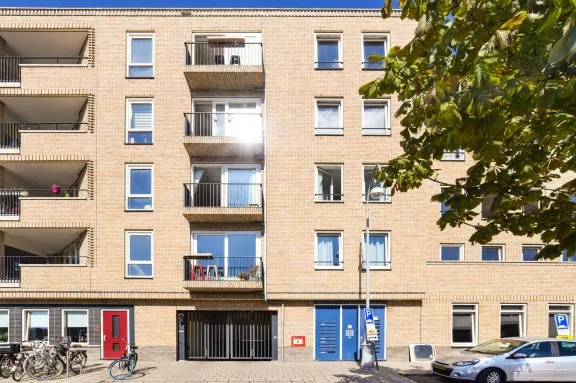
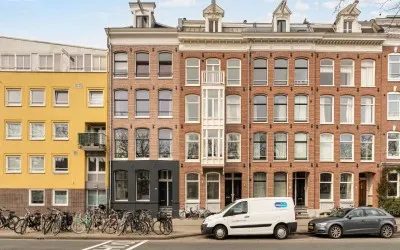
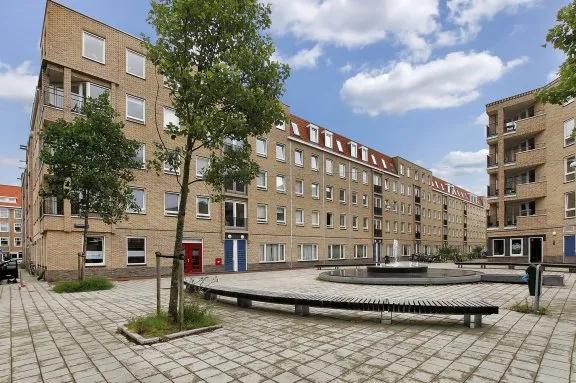
Renting in the Staatsliedenbuurt means living in a neighbourhood with a distinct identity. On the neighbourhood page of the Staatsliedenbuurt, residents rate the neighbourhood a 6.4 out of 10. That is not a top score, and it says something. The neighbourhood scores best on sense of community (7.6): residents appreciate the social mix and mutual involvement. One resident describes it as a "nice old working-class neighbourhood near the centre" where you encounter "older residents through social housing mixed with new residents with high incomes." The buildings mostly date from the early twentieth century, providing characteristic facades along the Van Hallstraat and the Nassaukade, but also varying housing quality.
At the same time, there are clear pain points. The score for cleanliness is a meagre 6.0, and amenities score only 5.2. Several residents mention bicycle theft as a persistent problem: "Unfortunately, my bikes are not safe at night and they are stolen left and right," writes a resident who is otherwise full of praise for her apartment from 1905. Accessibility by public transport has deteriorated according to residents due to the scrapping of lines, which explains the score of 6.2. The Westerpark around the corner is mentioned by almost everyone as a major plus point, as is the proximity to the centre.
The neighbourhood has clear differences per street. In the Fannius Scholtenbuurt and around the Buyskade you live more quietly, with views of the water. The neighbourhoods De Wittenbuurt-Noord and De Wittenbuurt-Zuid are closer to the Jordaan and feel more urban. Education scores notably low (3.0), something to consider if you have school-age children. The municipality of Amsterdam is investing in the public space of the area, but residents feel the neighbourhood has "much more potential" than is currently being utilised.
Is the Staatsliedenbuurt right for you as a tenant?
With an average income of €43,300 and 60% highly educated, the neighbourhood mainly attracts young professionals: the 25 to 45 age group is by far the largest (5,510 residents). Over 5,000 households are single-person households, making the neighbourhood typical for single starters and young professionals. Renting an apartment in the Staatsliedenbuurt is less obvious for families, given the low score on education and the limited space per home. If you are looking for more square metres or a garden, it is worth considering homes for sale in the Staatsliedenbuurt, because 29% of the stock is for sale and the WOZ value is below the Amsterdam average. For those who find the free sector too expensive: the waiting lists for corporation homes in this part of Amsterdam are long, expect at least ten years of registration time.
Searching for rental homes in the Staatsliedenbuurt and surroundings
On Buurtje.nl you will find the current supply of rental homes in the Staatsliedenbuurt, including resident reviews and neighbourhood statistics so you know where you are going. Feel free to compare with the supply in adjacent neighbourhoods: the Haarlemmerbuurt offers a similar central location, while a rental home in the Jordaan is generally more expensive. Looking more broadly? Then view all rental homes in Amsterdam to compare neighbourhood by neighbourhood on price, size and liveability.
Frequently asked questions
What is the average rent for a rental property in the Staatsliedenbuurt?
In the free sector, the average rent over the past year was €2,384 per month, with an average floor area of 70 m². The range runs from €750 to €3,500 per month. Social housing through housing associations is cheaper, but waiting lists are often more than ten years.
Is the Staatsliedenbuurt safe to rent a house?
Residents rate safety at 6.4 out of 10. Bicycle theft is mentioned by several residents as a major problem, especially at night. Personal safety is generally experienced as reasonable, but it varies by street.
How is the accessibility when looking for a rental home in the Staatsliedenbuurt?
Accessibility scores a 6.2 among residents. Tram lines on the Nassaukade and bus connections take you to Central Station, but residents report that public transport provision has deteriorated due to cancelled lines. By bike, you are in the city centre within ten minutes.
Are there good schools in the area for families looking to rent a house in the Staatsliedenbuurt?
Education scores notably low among residents: a 3.0 out of 10. There are primary schools in the neighbourhood, but the choice is limited. Families with school-age children would do well to research the school provision in advance and possibly compare neighbourhoods with more educational facilities.
How many homes in the Staatsliedenbuurt are rental properties?
Of the more than 8,000 homes in the Staatsliedenbuurt, 71% are rental properties. Almost half (48%) belong to housing associations and fall under social housing. The remaining 23% is private rental or free sector. Only 29% of the housing stock is owner-occupied.
Honestly crazy! I live in the centre of little Jordan and it's really not a dream! The people outside are different than the dictionary! And the problem like all the time the 'borders'! Actually. If I want to report everything to the police I call them every day! But I have 'neighbours' with walls like head, they are really magical! All the time they are the people people! All the time willed war you want meet than you! They can try to make the food then call 112 because the other but they live in richland over the phone make noise in the nearby apartment! They are really satisfied with their integration! The one full of experience and we are the brave! Boring and all the time want pampering and dangerous for society! But yes Garden of Eden! Luckily it's forbidden now on us!
Auto-translated to English by AIThe neighbourhood has a very diverse group of residents. Here, people with bought apartments live among those who often rent apartments through urgency and the social housing association. Westerpark around the corner, beautiful nature. Accessibility by public transport has worsened since the cancellation of tram line 3. I also find the range of shops very poor.
Auto-translated to English by AIQuiet neighbourhood with beautiful Amsterdam buildings from around 1910. Location is great, close to the centre but also near the lovely Westerpark. Social cohesion is also present here, older residents through social housing mixed with new residents with high incomes and owner-occupied homes. People are friendly and involved. I enjoy living here.
Auto-translated to English by AIWith a few small adjustments, we can make Staatsliedenbuurt shine again!!
Auto-translated to English by AII've only lived here for a few months and I love my apartment in a building from 1905. I have friendly neighbours with whom I share the stairwell and front door. Unfortunately, my bikes are not safe at night and they are stolen on a regular basis. Because Westerpark is exploited for a polluting commercial festival or event almost every weekend, there is not enough nature in my living environment. Furthermore, as far as I'm concerned, there could be more and different shops and such on Van Hallstraat or the beginning of Haarlemmerweg.
Auto-translated to English by AI