Homes for sale in De Laak, Eindhoven
Discover the current supply of homes for sale in De Laak and compare prices, neighbourhood scores and resident reviews to make the right choice.
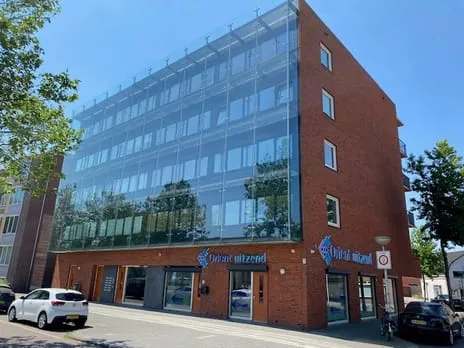
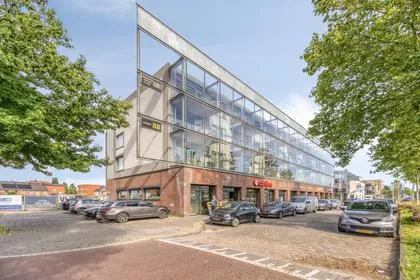

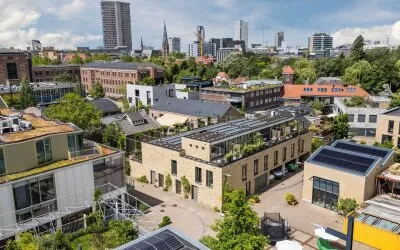
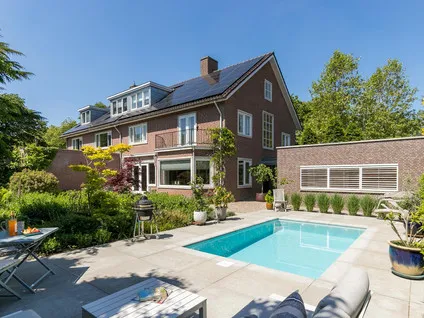
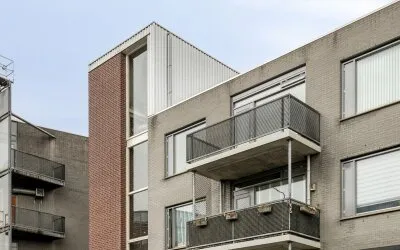
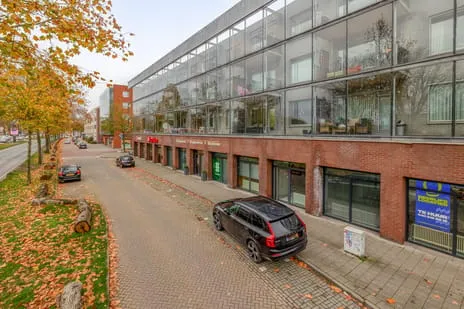
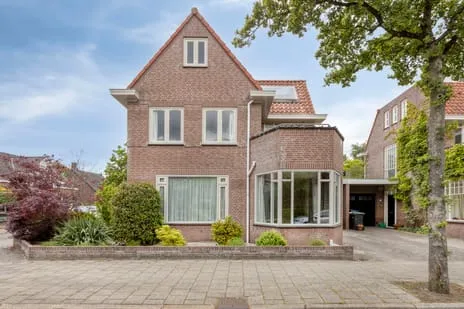
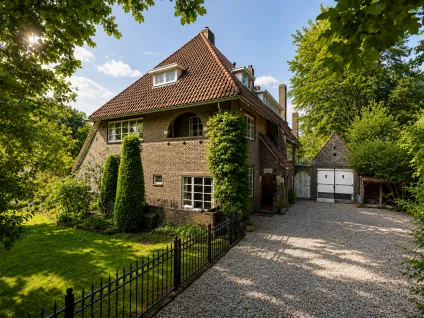
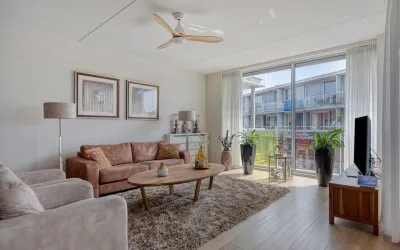
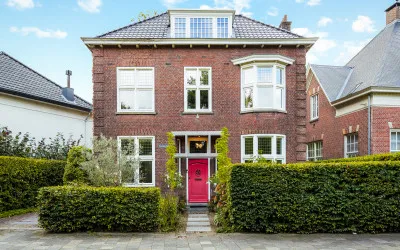

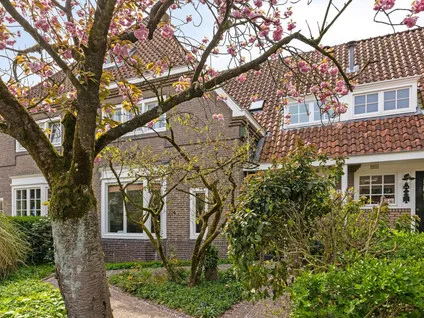
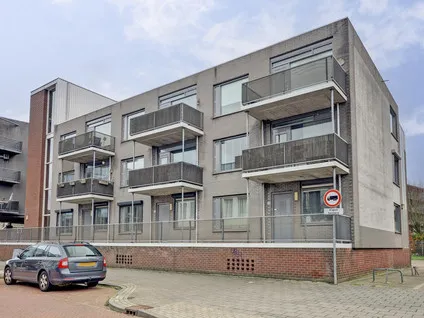
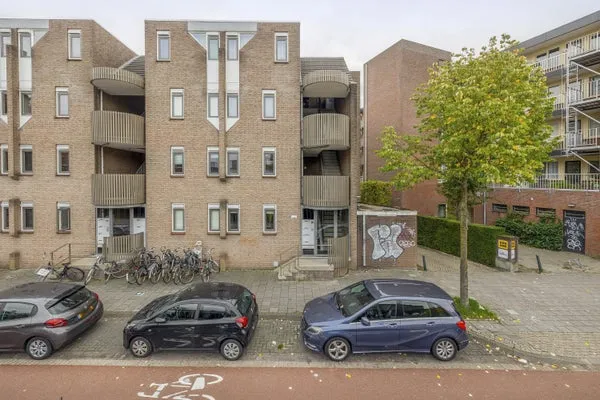
House prices in De Laak: well above the Eindhoven average
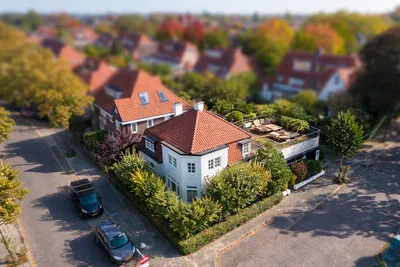
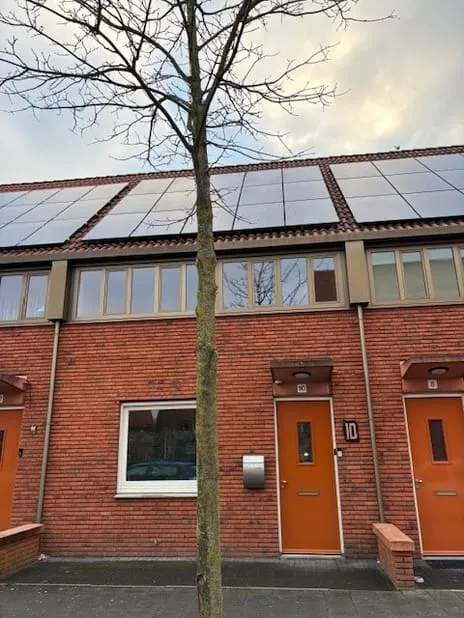
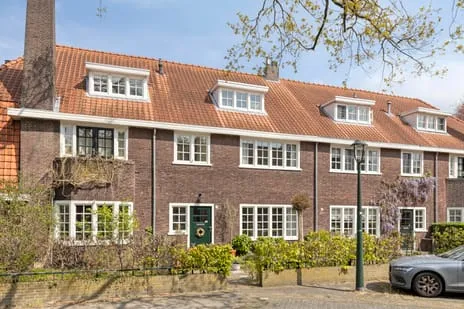
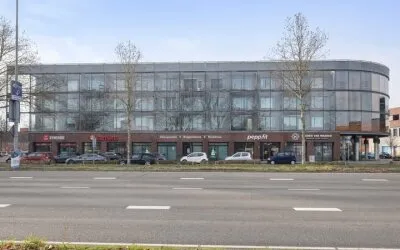
Of the more than 2,800 homes in De Laak, 44% are owner-occupied, while the remaining 56% are rental properties, a large proportion of which are owned by housing associations. The average WOZ value in the neighbourhood is €430,000, which is clearly higher than the municipal average of €360,000 for Eindhoven. This difference shows that De Laak, especially in the owner-occupied sector, is among the more expensive neighbourhoods in the city. Over the past twelve months, 32 homes were sold with an average sale price of €574,516. The range was remarkably wide: from €195,000 to €1,890,000, indicating that the supply varies from compact apartments to spacious detached houses. The average sold floor area was 112 m². For current asking prices and the number of available homes, please consult the overview at the top of this page.
Living in De Laak: diverse, urban, and with clear areas for improvement
De Laak is an urban neighbourhood with a diverse population composition. The largest group of residents is between 25 and 45 years old, and more than half of households consist of a single person. This translates into a neighbourhood with plenty of street life, but also a somewhat transient character in some areas. Residents give the neighbourhood an average score of 7.1 out of 10 on Buurtje.nl. Accessibility (9.0) and housing (8.5) score notably high, while green spaces (5.5) and sense of community (6.0) are clearly lower. Resident Julie describes it aptly: "The houses are diverse, which creates an interesting mix of people. Many different types of family compositions and ethnic backgrounds live here. The neighbourhood has virtually no green space; it's house after house after house. There is a park nearby, but you have to cross an incredibly busy road to get there." That picture is accurate: if you're looking for greenery and tranquillity, you really have to go out of your way. On the De Laak neighbourhood page you can read all resident experiences and see the full neighbourhood data.
In terms of amenities, the neighbourhood is reasonably self-sufficient. Primary schools are within reach in the area, and supermarkets are a bike ride away for daily groceries. The shopping options in the nearby centre of Eindhoven are a short distance away. For more green spaces and recreation, residents rely on parks outside the neighbourhood, which explains the low green score. Resident Hedy Forbes indicates that the pavements and public spaces in some places, such as Rembrandtplein, need attention: she is actively in discussion with the municipality and housing association Trudo to achieve improvements. That says something about resident involvement, but also about the challenges in maintaining public spaces. The neighbourhoods Lakerlopen and Villapark also fall under De Laak and each have their own character, with Villapark clearly on the more spacious and expensive end of the spectrum.
Accessibility is one of the neighbourhood's strongest points, and residents see it that way too. Eindhoven Central is easily reachable by bike or bus, and via the A2 and A67 motorways you are quickly towards Den Bosch, Tilburg or the border. Several bus lines connect De Laak with the city centre and other neighbourhoods. If you commute daily or want to go into the city, you are logistically well placed here. For those wanting to explore similar neighbourhoods: Oud-Stratum and Kortonjo are in the same part of the city and sometimes offer a different range at a similar price level.
For whom is buying in De Laak a good choice?
De Laak mainly appeals to young dual-income couples and movers who want to live in an urban setting with good accessibility and are willing to pay for that combination. The average sale price of over €574,000 is well above what first-time buyers can typically borrow. In addition to the purchase price, also take into account additional costs such as transfer tax (2% for non-first-time buyers) and notary fees. Supply is limited: only 32 homes were sold in a year, so acting quickly is important. Is buying not feasible now? Then check out the rental properties in De Laak as an alternative. For a broader view of the Eindhoven owner-occupied market, you can also look at owner-occupied homes in Eindhoven as a whole, or specifically at Doornakkers for a different price range.
Searching for an owner-occupied home in De Laak via Buurtje.nl
Buurtje.nl combines current housing supply with resident reviews and neighbourhood statistics, so you not only buy a house but also know what the neighbourhood offers you. Want to compare living in De Laak with other Eindhoven neighbourhoods? Then also check out the supply in the Centre or Putten. More information about life and living in Eindhoven can also be found on the website of the municipality of Eindhoven.
Frequently asked questions
What does a home in De Laak, Eindhoven cost?
Over the past twelve months, homes in De Laak sold for an average of €574,516, with an average area of 112 m². The range ran from €195,000 to €1,890,000, indicating that both compact apartments and spacious detached homes come onto the market. The average WOZ value in the neighbourhood is €430,000, well above the Eindhoven average of €360,000.
What are the additional costs when buying a home in De Laak?
In addition to the purchase price, as a buyer you pay transfer tax: 2% for homes you will occupy yourself if you are over 35, and 0% if you are a starter under 35 buying a home up to the exemption limit. On top of that come notary costs, valuation costs and possible estate agent costs. Roughly budget 3 to 5% of the purchase price for additional costs. Because the average selling price in De Laak is high, these costs quickly run into tens of thousands of euros.
What kind of homes can you buy in De Laak?
The supply in De Laak is diverse, as residents themselves indicate. You will find both apartments and single-family homes and detached homes, particularly in the sub-neighbourhood Villapark at the more spacious end of the spectrum. The average sold living area over the past period was 112 m², but the variation is large. Buying an apartment in De Laak is possible at the lower end of the market, while the upper end is dominated by more spacious owner-occupied homes.
How is the accessibility if you buy a home in De Laak?
Accessibility is one of De Laak's strongest points: residents give it a 9.0 out of 10. Eindhoven Central is easily reachable by bike or bus, and the A2 and A67 motorways are a short distance away for connections towards Den Bosch, Tilburg and the border with Belgium and Germany. Several bus lines run through the neighbourhood towards the city centre and other parts of the city.
Is living in De Laak suitable for families with children?
De Laak has a mixed population composition with various family types, but the largest group of residents is between 25 and 45 years old. There are primary schools accessible in the area. A point of attention for families is the limited green space in the neighbourhood itself: residents give green space only a 5.5. The nearest park is accessible but requires crossing a busy road. Families who place great value on green space and space can also look at surrounding neighbourhoods such as Lakerlopen.
I'm constantly asking for advice. Improving the pavements and removing weeds!!! Rembrantplein and 2 other streets really need to be cleaned.! Remco van Wij Eidhoven and I have also spoken to Trudo, but they won't do anything about it.! It's not their responsibility.!! Will you please do something about this? Vaartbroek also got new paving stones. Thank you for listening.
Auto-translated to English by AIThe houses are diverse, which creates an interesting mix of people. Many different types of family compositions and ethnicities live here. The neighbourhood has virtually no greenery, it's house after house after house. There is a park nearby, but you have to cross an incredibly busy road to get there. There are no primary schools in the neighbourhood; you always have to cross a busy road to reach one. As for secondary schools, the Augustinianum is conveniently located in the neighbourhood. The neighbourhood is safe, aside from the occasional fat bike storming down the street.
Auto-translated to English by AI