





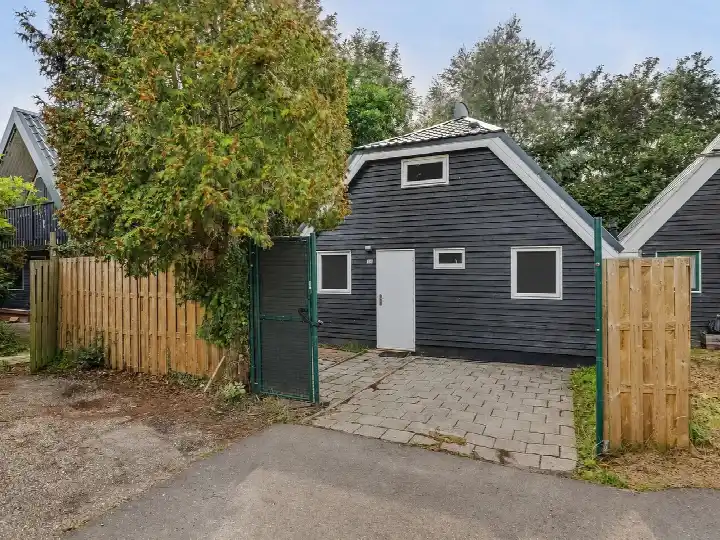
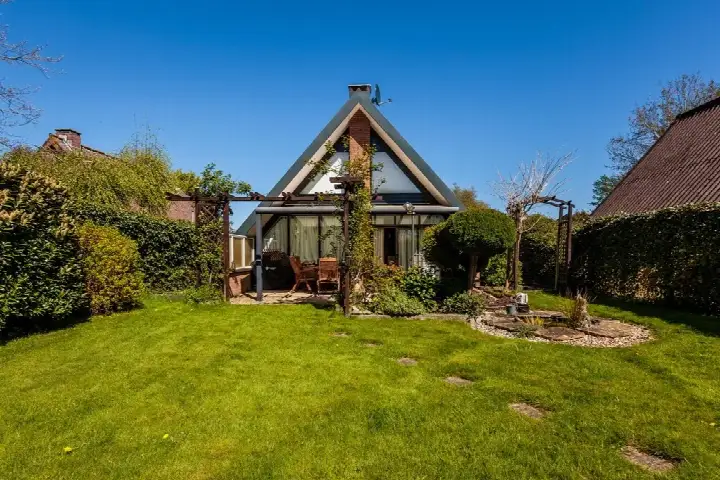
7 homes for sale in De Perelaer, Opmeer
Check the current supply of homes for sale in De Perelaer and discover through neighbourhood data and resident reviews whether this quiet neighbourhood suits you.


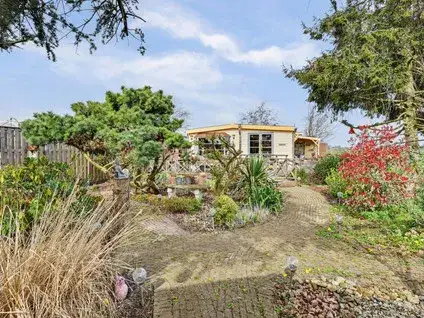
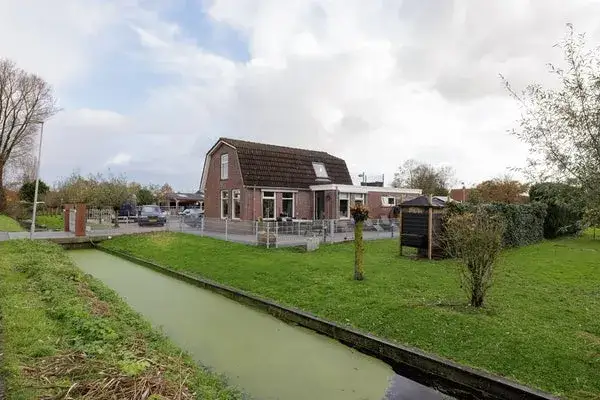
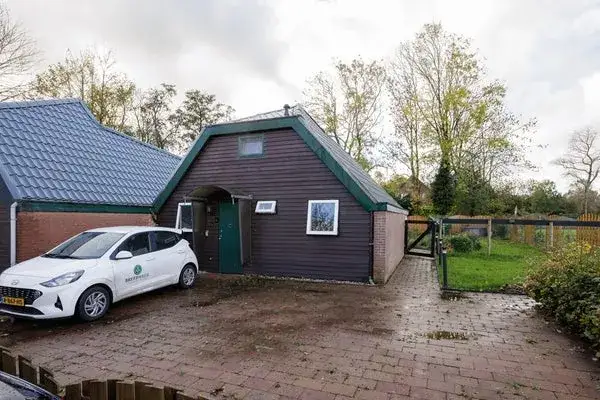

House prices and market figures De Perelaer, Opmeer
De Perelaer is a small, quiet neighbourhood in the municipality of Opmeer where the homeownership rate is remarkably high: 71% of homes are owner-occupied, while the remaining 29% are rented out by private landlords. There are no social housing properties. The average WOZ value in De Perelaer is €293,000. This is noticeably lower than the neighbourhood average of €335,000 and also below the municipal average of €369,000 for owner-occupied homes in Opmeer. The neighbourhood is therefore relatively affordable compared to the rest of the municipality.
In the past twelve months, two homes have been sold, with an average sale price of €462,500 and an average living area of 135 m². This works out to approximately €3,426 per square metre. The price range runs from €175,000 to €750,000, indicating that the supply varies widely: from modest homes to larger properties. Given the small number of transactions, these figures should be interpreted with some caution. For the current supply and asking prices, you can refer to the overview at the top of this page.
Living in De Perelaer, Opmeer
De Perelaer is a very small neighbourhood, with only about forty residents and seven homes in the housing stock. That says a lot about its character: this is not a neighbourhood where you expect much street activity, but rather a place that feels more like a hamlet on the edge of the village of Opmeer. The surroundings are rural, green and quiet. Those who live here consciously choose space and tranquillity over urban hustle and bustle.
The largest group of residents is between 25 and 45 years old, suggesting that relatively young families or dual-income couples live here. Single-person households are the most common, which in such a small neighbourhood may also mean that the composition changes quickly. Only 20% of residents are married, which is remarkably low for a village environment.
In terms of amenities, De Perelaer itself is sparse: there are no shops, schools or sports facilities in the neighbourhood itself. These can be found within cycling distance in the centre of Opmeer, where there is a primary school, a few shops and sports clubs. For daily groceries, you drive to Opmeer Centrum, where local businesses are also located. For a larger range of shops or a hospital, you rely on Hoorn or Alkmaar, both about a twenty-minute drive away.
Accessibility by car is reasonable: via provincial roads you quickly reach the N241 towards Hoorn or the A7 towards Alkmaar and Amsterdam. Public transport is limited: bus services run via Opmeer to Hoorn and Alkmaar, but the frequency is low. A car is practically indispensable in De Perelaer. By bike, you can reach the centre of Opmeer in a quarter of an hour.
Residents appreciate the peace and space around the homes. On the neighbourhood page of De Perelaer you can read what people specifically write about their living experience. One resident describes it as follows: "You really live out here, the peace is wonderful but you have to make some sacrifices in terms of distance to amenities." That sums it up well: De Perelaer requires a conscious choice for rural living. Those who compare with neighbourhoods like Weidebloem West or Aurora will notice that those neighbourhoods have more amenities nearby and a slightly more urban character. Planetenbuurt also offers more neighbourhood dynamics. De Perelaer is truly for those who consciously choose small-scale living.
Who is a home in De Perelaer interesting for?
De Perelaer attracts buyers who prefer peace and space over urban convenience. Think of young families or dual-income couples who want to live in the countryside but still commute to Hoorn or Alkmaar, and people who already have some roots in the region. First-time buyers with a limited budget can sometimes find something here at the lower end of the market, but supply is scarce and the price range wide, so patience is required. Overbidding is not always necessary in this market, but it is realistic for sought-after properties. Seniors seeking tranquillity but wanting amenities within walking distance are less suited to this neighbourhood. If you are unsure whether buying is the right move now, you can also look at rental homes in De Perelaer as a temporary option.
What residents say about De Perelaer
Because De Perelaer is so small, there are few reviews available, but the tone is consistent: residents appreciate the peace, the green surroundings and the low social pressure of a small neighbourhood. Criticism focuses on the limited amenities and dependence on the car. One resident wrote: "You come here to relax, but don't expect neighbours you run into every day." All reviews and sub-scores per category can be found on the overview page of De Perelaer, including scores for safety, greenery and accessibility.
Comparing homes for sale in and around De Perelaer
Buurtje.nl combines current housing supply from more than 1,500 sources with resident reviews and neighbourhood data, so you not only find a home but also know whether the neighbourhood suits you. Compare De Perelaer with other neighbourhoods in the district, such as Opmeer West or Weidebloem Oost. Want to look further afield? Also check out the supply in Spanbroek or Hoogwoud. For a complete picture of the municipality, you can visit the page with all homes for sale in Opmeer. More information about local projects and policy can be found on the website of the municipality of Opmeer.
What does a home cost in De Perelaer?
In the past twelve months, two homes were sold in De Perelaer, with an average purchase price of €462,500. The range ran from €175,000 to €750,000, indicating that the supply varies greatly. The average living area was 135 m², which amounts to approximately €3,426 per square metre. Due to the small number of transactions, these figures can fluctuate significantly from year to year.
What is the WOZ value in De Perelaer?
The average WOZ value in De Perelaer is €293,000. That is lower than the district average of €335,000 and also below the municipal average of €369,000. De Perelaer is thus valued relatively affordably compared to the rest of the municipality of Opmeer, although selling prices say more about the actual market value.
What is it like to live in De Perelaer?
Living in De Perelaer means choosing peace, space and a rural environment. The neighbourhood has only forty residents and has a small-scale, almost hamlet-like character. There are no amenities in the neighbourhood itself, but they are within cycling distance in the centre of Opmeer. Residents appreciate the quiet and the green surroundings, but also mention the dependence on the car as a point of attention.
Is De Perelaer suitable for families with children?
The neighbourhood has a relatively young population: the largest group of residents is between 25 and 45 years old. Families looking for peace and outdoor space can live here well, provided they are willing to commute for school, sports and shopping. A primary school in the centre of Opmeer is within cycling distance. The neighbourhood is less suitable for those who want daily amenities within walking distance.
How accessible is De Perelaer?
De Perelaer is easily accessible by car via provincial roads towards the N241 and the A7, with Hoorn and Alkmaar about twenty minutes away. Public transport is limited: bus services run via Opmeer but the frequency is low. A car is practically indispensable. By bike you can reach the centre of Opmeer in fifteen minutes.
What type of homes are for sale in De Perelaer?
The housing stock in De Perelaer is small, with only seven homes in total. Based on sales data, these are homes with an average area of 135 m², which suggests single-family homes or detached houses rather than apartments. Buying an apartment in De Perelaer is unlikely given the nature of the neighbourhood. Supply varies greatly, so keep an eye on the page for current listings.
Is there a lot of supply if you want to buy a home in De Perelaer?
Supply in De Perelaer is structurally limited due to the small size of the neighbourhood. There are only seven homes in the total stock, of which 71% are owner-occupied. On average, only a few homes are sold per year. Anyone seriously considering buying a home here would do well to also look at neighbouring neighbourhoods or the wider market for owner-occupied homes in Opmeer as a whole.