Homes for sale in F-buurt, Amsterdam
Check the current supply of homes for sale in F-buurt and discover through neighbourhood scores and resident reviews whether this Amsterdam neighbourhood suits you.
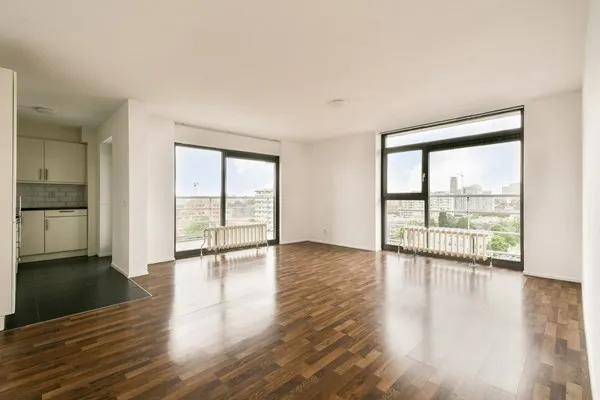
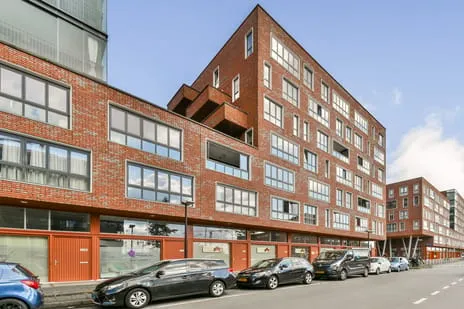

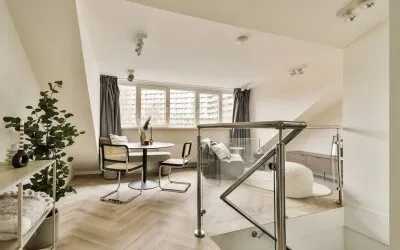
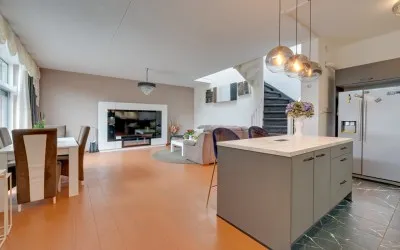
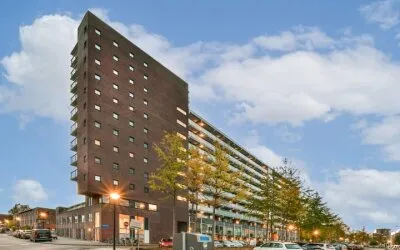
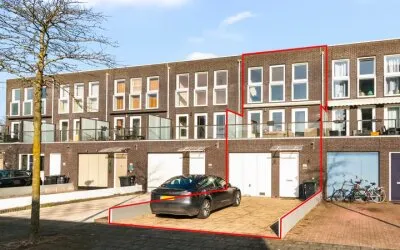
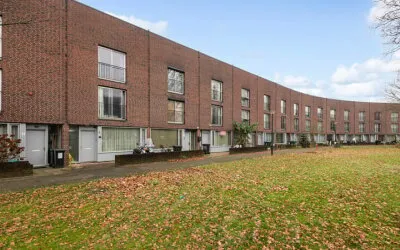
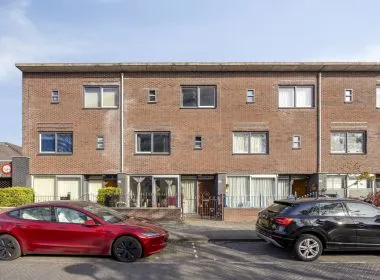
House prices and market figures for F-buurt, Amsterdam
The F-buurt is predominantly a rental neighbourhood: only 27% of the approximately 1,933 homes are owner-occupied. This makes supply scarce, but it also means that owner-occupied homes here have their own character. The average WOZ value is €327,000, which is significantly lower than the Amsterdam average of €517,000. Compared to the broader district Amsterdamse Poort en omgeving (average WOZ €226,000), the F-buurt scores higher, indicating a relatively strong owner-occupied segment within this district.
Over the past twelve months, 15 homes have been sold, with an average purchase price of €492,167. The range runs from €298,000 to €675,000, with an average living area of 105 m². That works out to approximately €4,687 per square metre. These are typically porch flats and gallery flats from the 1960s and 1970s, with the occasional renovated upper-floor apartment. For current asking prices and daily listings, you can check the overview at the top of this page.
Living in F-buurt, Amsterdam
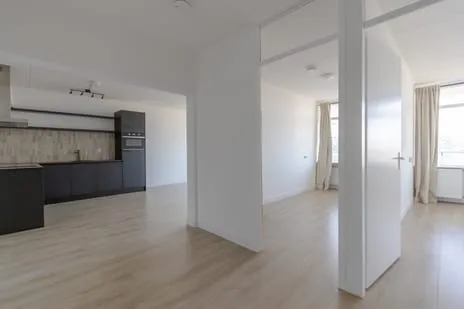
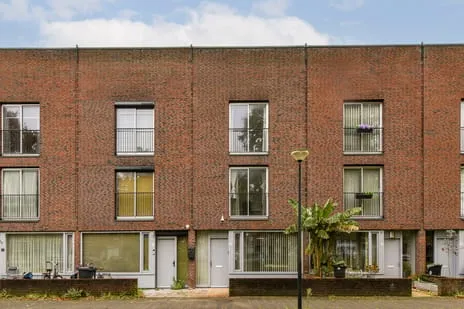
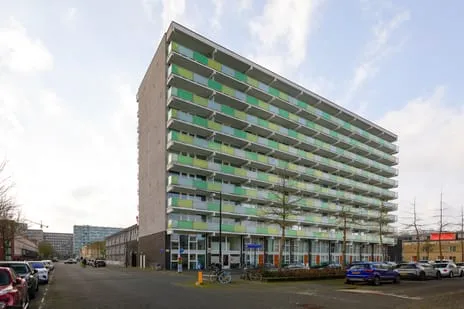
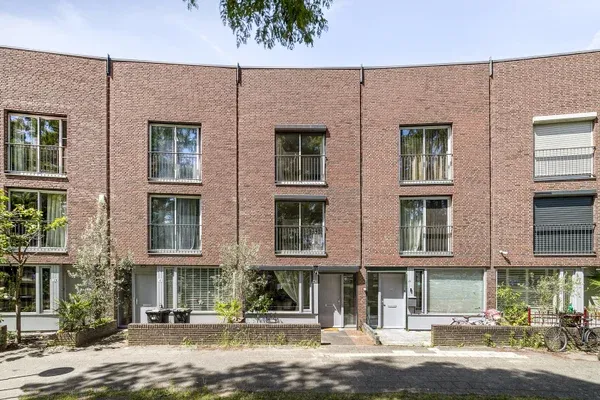
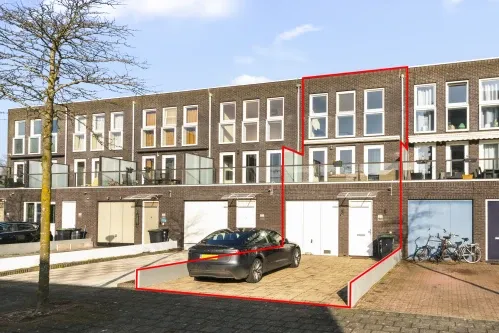
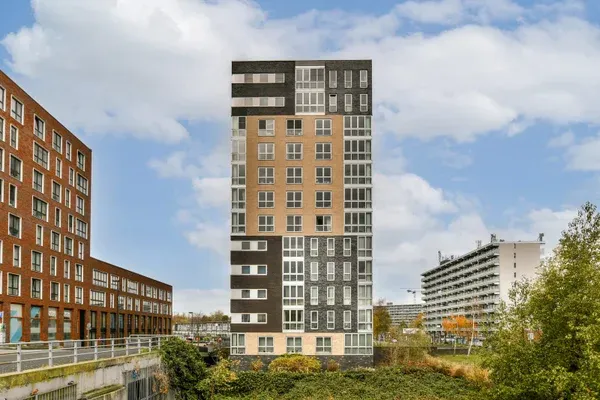
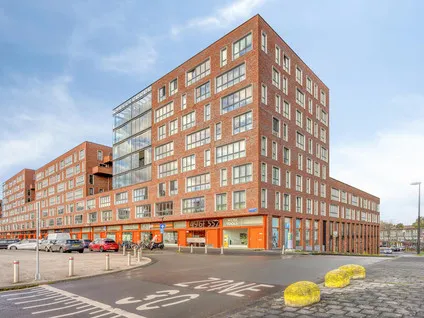
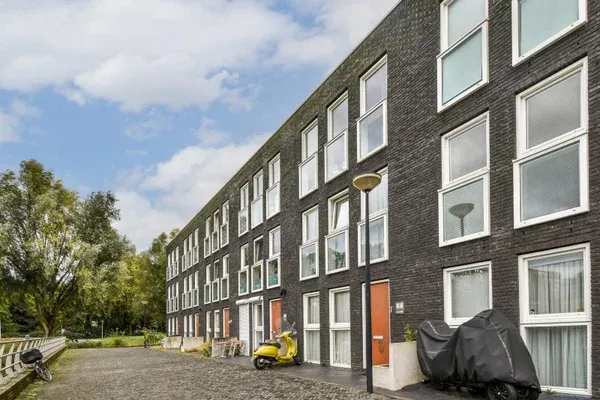
The F-buurt is located in Zuidoost, wedged between the Bijlmermeer and the Amstel, and has a very distinct atmosphere that you won't easily forget once you take a look. It is a neighbourhood that is often underestimated. The buildings largely consist of characteristic Bijlmer architecture: large residential blocks from the 1960s and 1970s, with inner courtyards, galleries, and relatively spacious apartments by Amsterdam standards. Some blocks have been thoroughly renovated in recent decades, while others still clearly bear the marks of their original design.
What sets the neighbourhood apart is the mix of people. With over 4,350 residents and a dominant age group of 25 to 45, it is a young, active neighbourhood. Single-person households are the most common (1,290), but you also see families with children. The neighbourhood has a distinctly urban, multicultural character that aligns with the broader identity of Zuidoost.
For daily errands, you hardly need to leave the neighbourhood. The Amsterdamse Poort shopping centre, one of the largest in the city, is within cycling distance. There you will find supermarkets, a market, shops, and eateries. Healthcare facilities such as GPs and dentists are also well represented in the immediate vicinity, as resident Emely aptly describes: "all primary facilities such as supermarkets, dentists, or hospitals are right in the neighbourhood and easily accessible."
Accessibility is one of the F-buurt's strongest assets. Metro station Ganzenhoef or Kraaiennest is within walking distance, depending on exactly where you live. Via the metro, you can reach Amsterdam Central in about twenty minutes. The A2 and A9 are quickly accessible for those travelling by car. The residents' score for accessibility is 7.5 out of 10, confirming this picture.
Green space is somewhat less present than in other Amsterdam neighbourhoods: the score for that is 6.5. Nevertheless, Gaasperpark is within cycling distance, and Nelson Mandelapark offers some space for recreation. For those seeking more greenery in the immediate vicinity, it is worth considering. The score for cleanliness (5.0) is the lowest sub-score, which is honestly also visible: not all public spaces are equally well maintained.
Compared to neighbouring neighbourhoods such as D-buurt or Amsterdamse Poort, the F-buurt has a similar price level but a slightly different housing mix. Nelson Mandelapark and Vogeltjeswei are also nearby neighbourhoods worth comparing. More about the character of the neighbourhood, including all resident experiences, can be found on the information page for the F-buurt.
Who is a home in F-buurt interesting for?
The F-buurt primarily appeals to first-time buyers and young urbanites who want to buy in Amsterdam but don't want to pay top dollar. With an average purchase price of €492,167 and homes starting at €298,000, there are options here that simply don't exist in many other Amsterdam neighbourhoods. Also check out owner-occupied homes in Amsterdamse Poort en omgeving for a broader picture of the price level in the district. Supply is limited, so anyone serious about buying needs to be able to act quickly. Keep in mind that many homes have a homeowners' association with service costs. If you're still unsure whether buying is the right time, you can also look at rental homes in F-buurt as a temporary alternative.
What residents say about F-buurt
The F-buurt receives an average resident score of 7.4 out of 10, based on reviews via Buurtje.nl. The highest scores are for safety (8.5) and sense of community (8.5), which is remarkably positive for an urban neighbourhood. Resident Emely (8.2/10) describes the neighbourhood as "inclusive" and appreciates the proximity of facilities, though she also makes an honest remark about social interaction: some residents can display antisocial behaviour in public spaces. The lowest score goes to cleanliness (5.0). Read all reviews and sub-scores on the F-buurt overview page.
Compare owner-occupied homes in and around F-buurt
Buurtje.nl combines housing listings from more than 1,500 sources with neighbourhood scores, resident reviews, and district data, so as a buyer you not only see what is for sale but also whether the neighbourhood suits you. Compare the F-buurt with other neighbourhoods in Amsterdam or check out listings in popular districts such as de Jordaan or the Haarlemmerbuurt for a different type of living environment. More information about life and living in Zuidoost can also be found on the website of the municipality of Amsterdam.
Frequently asked questions
What does a home cost in F-buurt?
Over the past twelve months, the average purchase price in F-buurt was €492,167. The range ran from €298,000 to €675,000, with an average living area of 105 m². That works out to about €4,687 per square metre. These are typically apartments in residential blocks from the 1960s and 1970s, sometimes thoroughly renovated.
What is the WOZ value in F-buurt?
The average WOZ value in F-buurt is €327,000. That is significantly lower than the Amsterdam average of €517,000, but higher than the average of the broader Amsterdamse Poort and surroundings district (€226,000). F-buurt thus has a relatively strong owner-occupied segment within Zuidoost.
What is it like to live in F-buurt?
Living in F-buurt means life in an urban, multicultural environment with an active population between 25 and 45 years old. The neighbourhood has a distinct Bijlmer character with large residential blocks, good amenities and a strong community atmosphere. Residents give the neighbourhood an overall score of 7.4 out of 10, with high marks for safety and sense of community. The public space scores less well on beauty (5.0).
Is F-buurt suitable for first-time buyers looking to purchase a home?
F-buurt is certainly interesting for first-time buyers who want to buy in Amsterdam. With homes from €298,000, there are options that are lacking in many other Amsterdam neighbourhoods. The supply is limited, as only 27% of the housing stock is owner-occupied. Those who can decide quickly and know the neighbourhood have the best chance. Also take into account HOA costs for apartments.
How is the accessibility of F-buurt?
The accessibility of F-buurt is good. Via the metro you can reach Amsterdam Central in about twenty minutes. The A2 and A9 motorways are quickly accessible for motorists. Residents give accessibility a score of 7.5 out of 10. By bike, the Amsterdamse Poort shopping centre and other amenities are also easy to reach.
What type of homes are for sale in F-buurt?
The owner-occupied housing supply in F-buurt mainly consists of apartments in residential blocks dating from the 1960s and 1970s. Think gallery flats and porch flats, partly renovated and made more sustainable. The average sold living area over the past year was 105 m², which is spacious for Amsterdam. Detached houses or single-family homes are rare here.
How is safety in F-buurt?
Residents rate safety in F-buurt with a remarkably high score of 8.5 out of 10. That is the highest sub-score together with sense of community. Resident Emely describes the neighbourhood as inclusive and pleasant to live in, though she notes a caveat about antisocial behaviour from some neighbourhood residents in public spaces. Read more resident reviews on the F-buurt overview page.
I think my neighbourhood is good in terms of my experience because all primary facilities like supermarkets, dentists or hospitals are just in the neighbourhood and easily accessible. Based on the people, I find it mediocre because some can be quite antisocial, for example they throw their rubbish everywhere, but there are still good ones among them. Lastly, waste management is fine, apart from the fact that rubbish is regularly thrown on the street, it is cleaned up by garbage men, but it would be good if street sweepers came more often because otherwise it keeps piling up.
Auto-translated to English by AISafety could be a bit better, lots of junkies and men displaying dangerous behaviour, especially at the gate and towards the arena.. very unfortunate as a woman or young child who just wants to play or get something to eat. Many homeless people use the public water fountains, which is not a problem at all, but given the fact that they probably don't shower or wash their hands, it's not exactly hygienic to make direct contact with the tap with your face or hands..
Auto-translated to English by AI